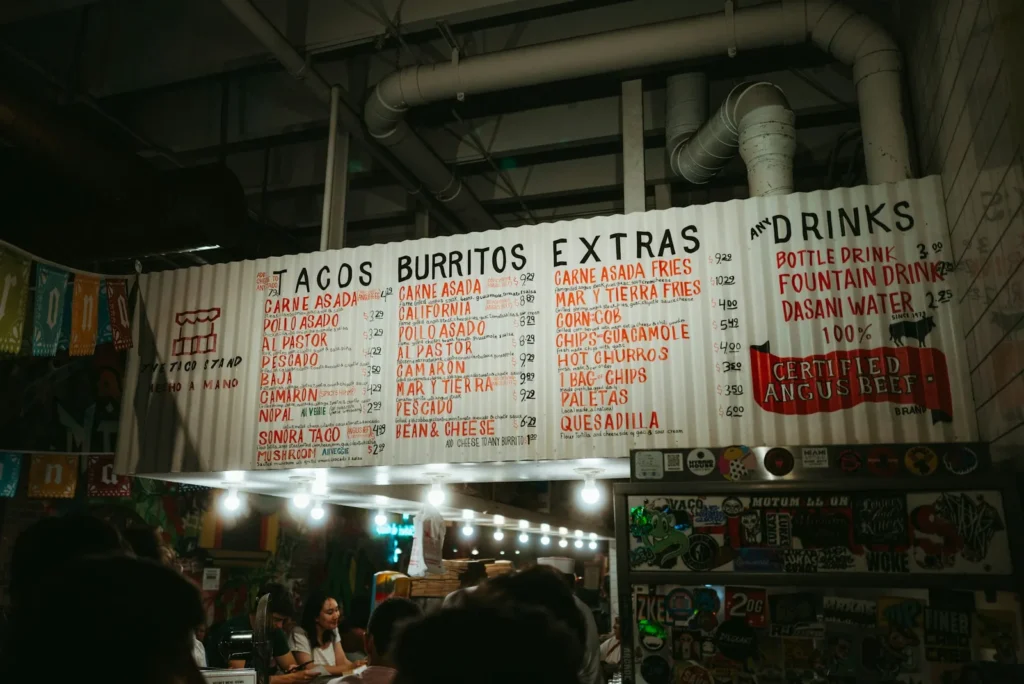
Mexican menus are organised by what the dish is built on, not by what meat is in it. Once you see that, a long board stops being a wall of unfamiliar words: you pick a format first, then a filling.
Nearly every dish is one of a handful of bases — a soft tortilla, a fried tortilla, thicker masa, or bread — carrying one of a handful of meats. The menu is a grid, and most of it repeats.
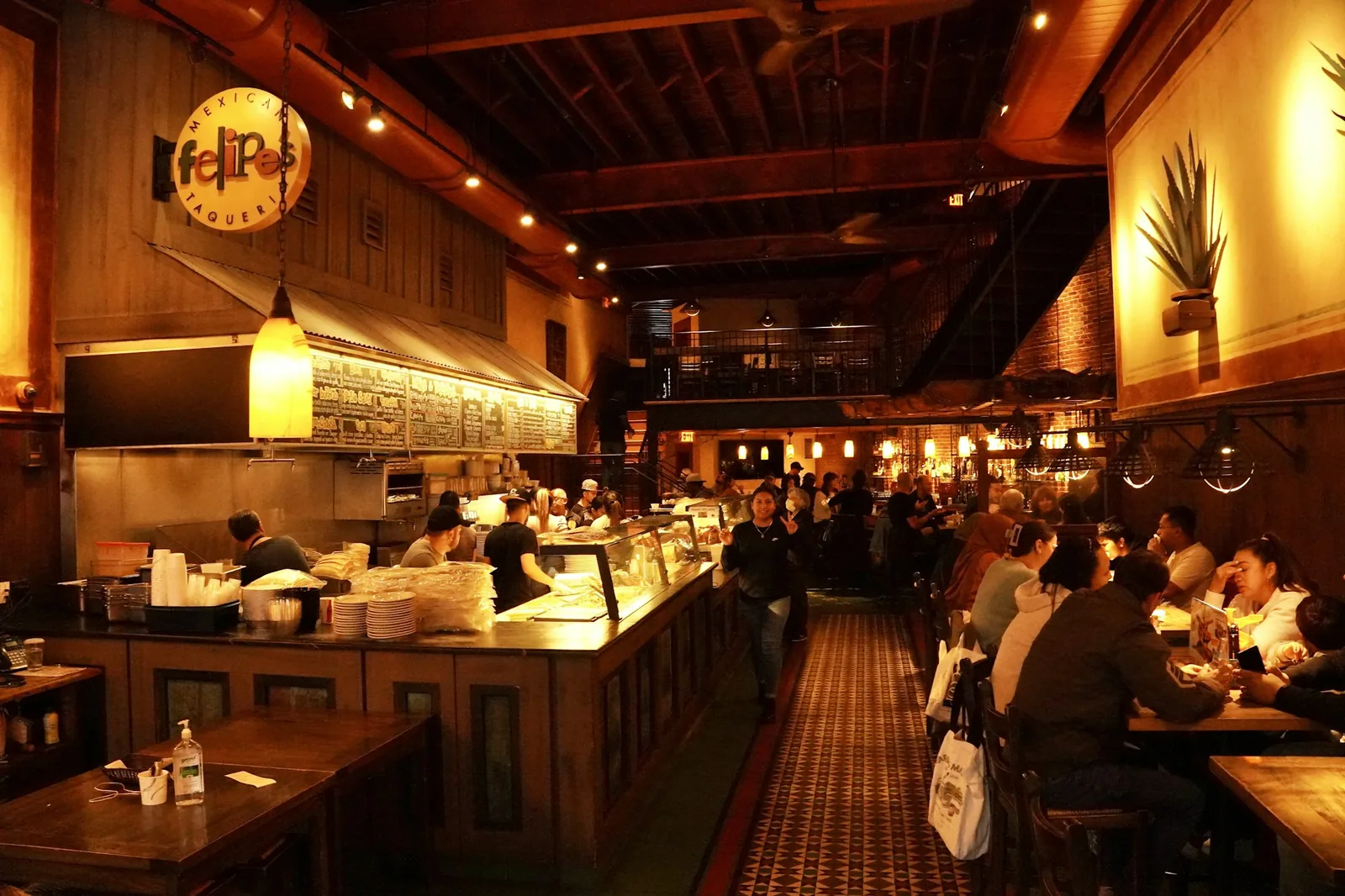
Step one: find the base
| If it is built on | The dishes are | Eaten |
|---|---|---|
| A soft corn tortilla | Taco, mulita, quesadilla (corn) | In the hand, quickly |
| A fried corn tortilla | Tostada, chalupa | In the hand, carefully |
| Thicker masa | Sope, gordita, huarache | In the hand; denser and more filling |
| A soft flour tortilla | Burrito, quesadilla (flour), gringa | In the hand, wrapped |
| Bread | Torta, guajolota | In the hand; one is a meal |
| A plate | Enchiladas, chilaquiles, combination plates | With cutlery |
We have separate guides to several of these: street tacos, the chalupa, the torta and the suegrita, which is a griddled corn format under a house name.
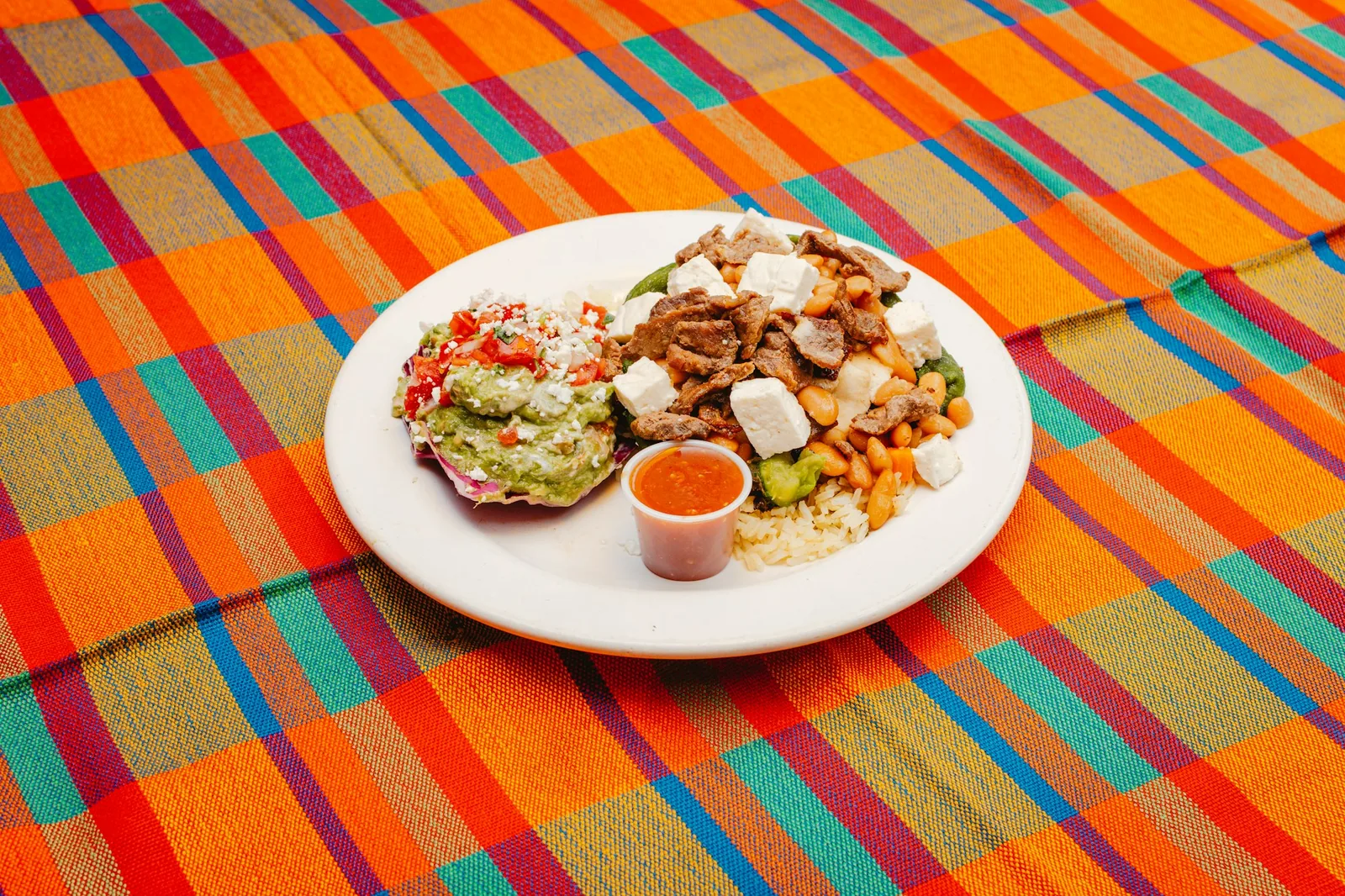
Step two: pick the meat
The same short list of fillings runs across every base on the board. Learn five and you can order anywhere.
| Filling | Animal | What to expect |
|---|---|---|
| Pollo | Chicken | The mildest option on most boards |
| Al pastor | Pork | Marinated, faintly sweet, mildly spiced |
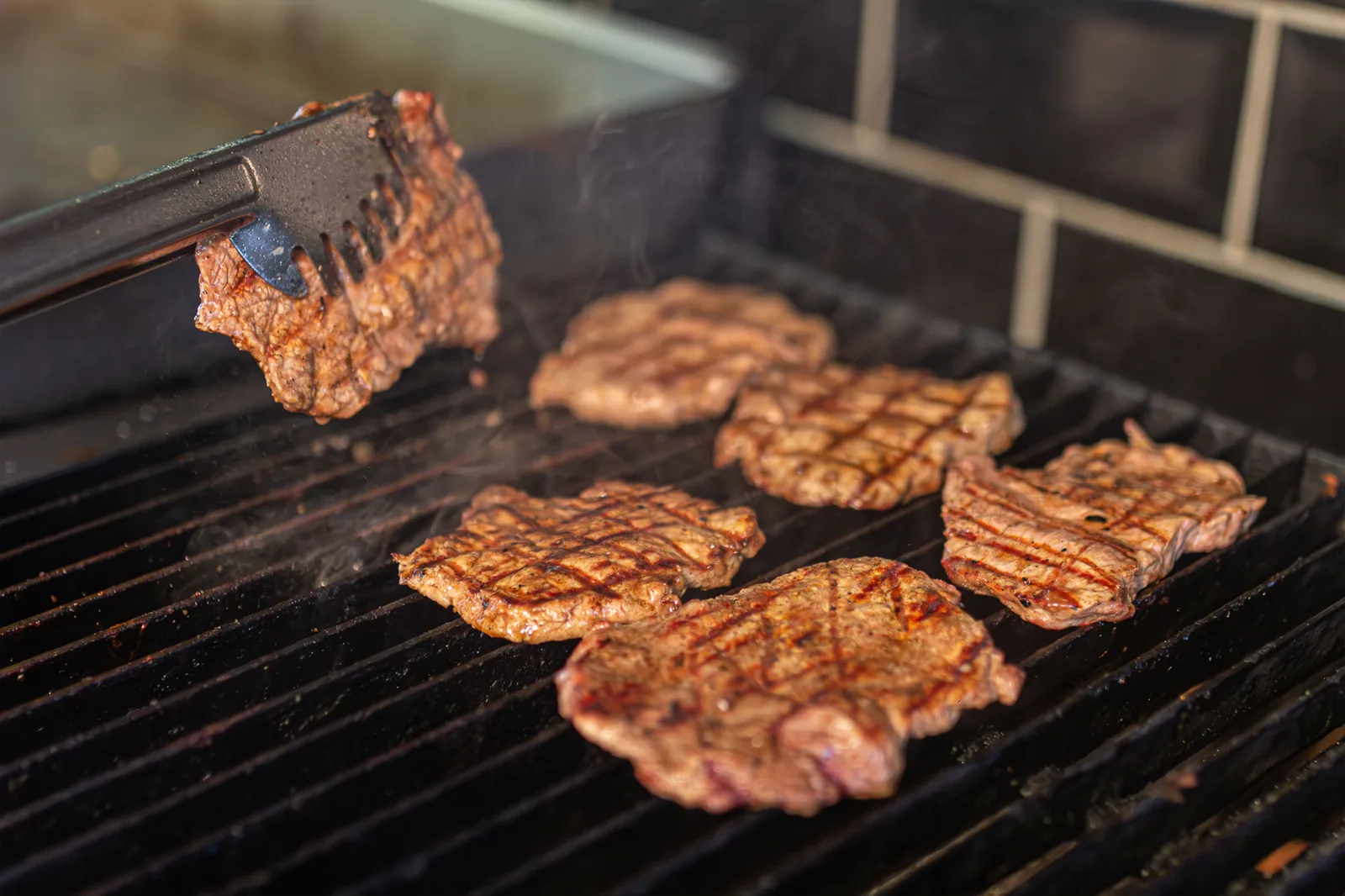
| Bistek / asada | Beef | Griddled or grilled, plain and savoury |
| Carnitas | Pork | Slow-cooked, rich, crisp edges |
| Birria | Beef or goat | Stewed in chillies, served with broth |
| Lengua / cabeza / tripa | Beef offal | Tender and mild; for the more adventurous |
Full guides to al pastor, bistek, pollo asado and birria are on this site if you want the detail before you order.
The words that are not dishes
A few terms describe how something is cooked or served rather than what it is. These are the ones that most often cause confusion.
- Asado / asada — grilled or roasted.
- Al carbón — cooked over charcoal.
- A la plancha — cooked on a flat griddle.
- Ahogado — drowned, in sauce.
- Encebollado — cooked with onions.
- Con todo — with everything, meaning the full set of standard garnishes.
- Antojito — a small masa-based street snack, not a starter. Ordered in twos and threes.
One more worth knowing: sencillo means plain or simple, and on a taco it usually means without the extras.
Reading the drinks list
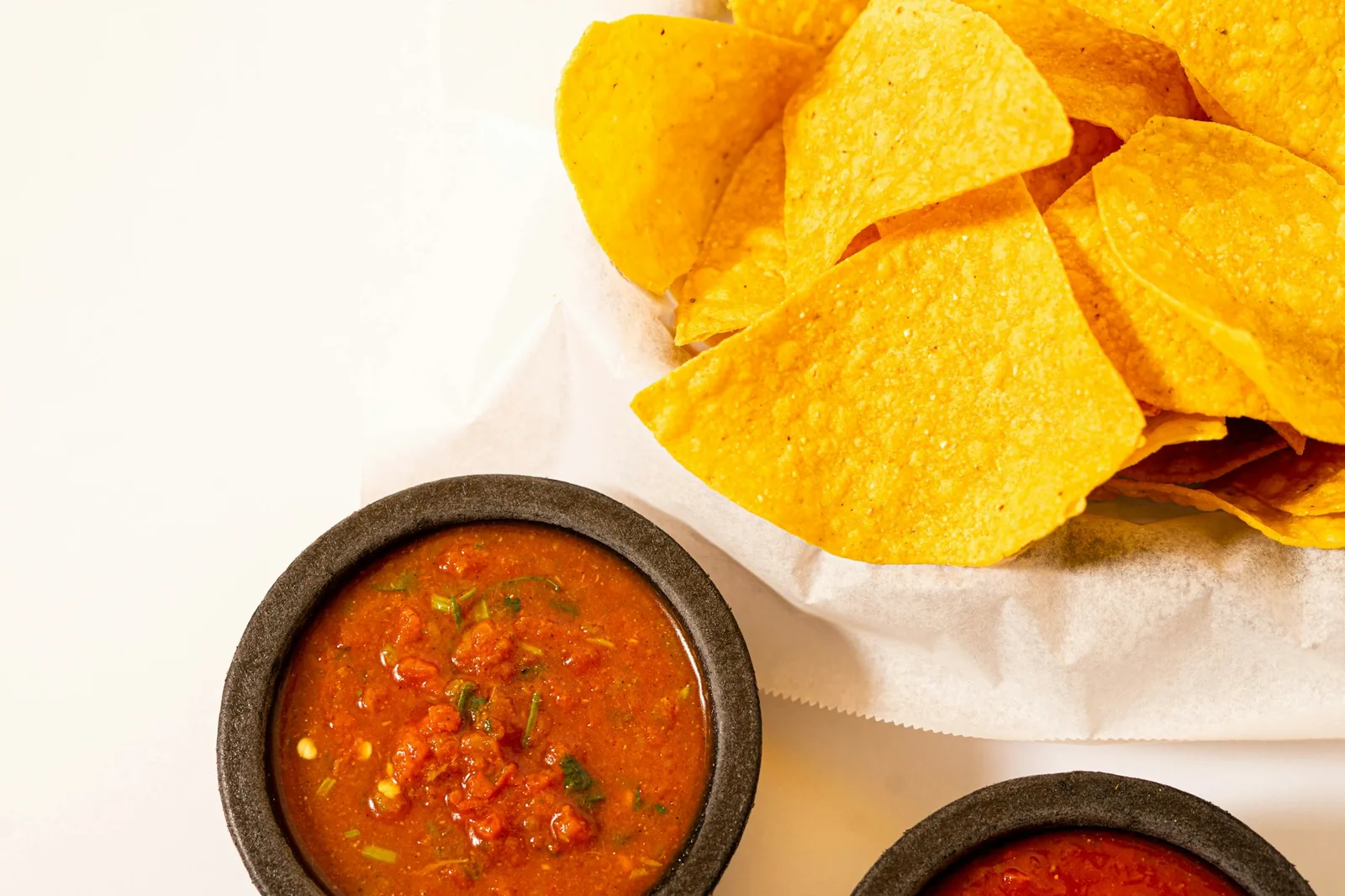
Drinks divide almost as cleanly as the food. Aguas frescas are the light non-carbonated drinks sold from clear barrels — horchata, jamaica, tamarindo, fresh fruit. Glass-bottle sodas and Mexican colas sit alongside them. The beer will mostly be pale or Vienna lager, and if there is a michelada on the list, that is beer built into a savoury drink rather than a cocktail.
Working out whether it is Mexican or Tex-Mex
This changes what is worth ordering, and the menu usually tells you within a few lines. Yellow melted cheese, numbered combination plates, ground beef and flour tortillas as the default all point Tex-Mex. White crumbled cheese, corn as the default, and a long list of specific meats point Mexican.
Neither is better and most American boards mix the two. Our Tex-Mex versus Mexican comparison goes through the markers, and the cheese guide explains why the cheese is the fastest tell.
It is worth holding all of this lightly. Writing for the Smithsonian Center for Folklife and Cultural Heritage, the point is made that the taco carries a socialising power and reflects not one culture but many across Mexico and its diaspora. There is no single correct Mexican menu, and regional variation is the norm rather than a deviation from it.
A worked example
Doc’s Taco Shop’s 2023 board is a compact version of everything above. Three meats — pollo, al pastor, bistek — run across every format on the menu. The formats are the grid: corn tortilla for the street tacos, fried corn for the chalupa, griddled corn for the suegrita, flour for The Gringo, the quesadillas and the burrito, and a bolillo roll for the torta.
Sides and drinks sat around the edges: elote, beans, horchata and the beer list. Read as a grid, a board that looks long is actually about six decisions.
Doc’s Taco Shop closed permanently on 19 July 2025 after five years in business. The menu details above are transcribed from the restaurant’s own published menu board and are recorded here as history. You can still read the full menu as Doc’s published it or read how the shop came about.
If it is your first time
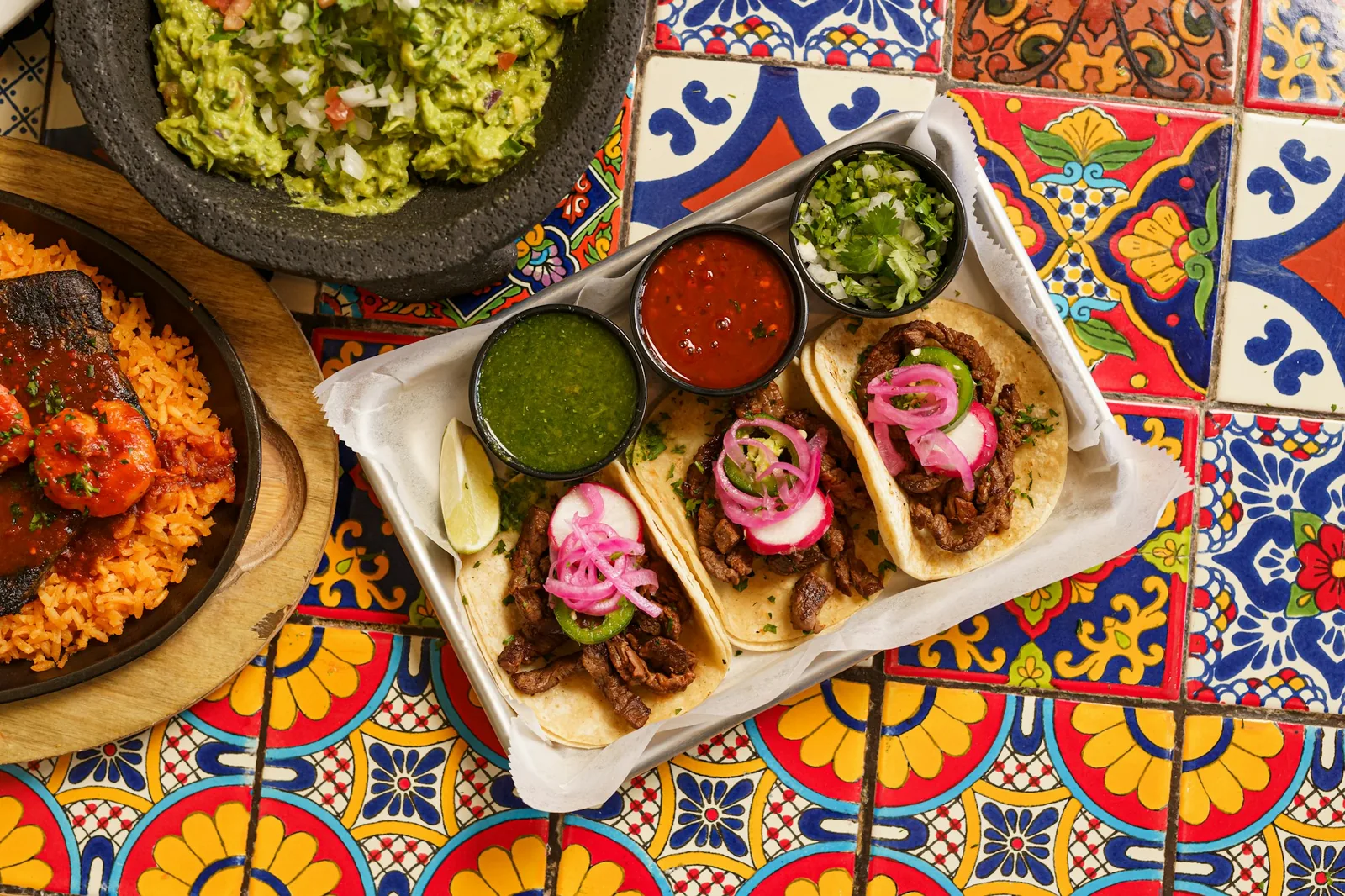
- Order tacos rather than a plate. They are small, cheap and the fastest way to taste several things.
- Order three, with three different meats. See how many to order per person if you are feeding a group.
- Start mild and work up: chicken, then beef, then anything marinated or stewed.
- Try the salsa on a corner before committing the whole taco. Taqueria salsas vary enormously and you cannot take it back out.
- Ask. Counter staff answer this question constantly and are not remotely bothered by it.

Frequently asked questions
How are Mexican menus organised?
By what the dish is built on rather than by protein. Tacos, tostadas, sopes, burritos and tortas are all bases; the same short list of meats runs across all of them.
What should I order at a Mexican restaurant for the first time?
Three tacos with three different meats. It is the cheapest way to taste several things, portions are small, and it tells you what you like before you commit to a larger dish.
What does ‘asada’ mean on a menu?
Grilled or roasted. It describes the cooking method rather than the meat, so carne asada is grilled beef and pollo asado is grilled chicken.
What is an antojito?
A small masa-based street snack — tacos, sopes, gorditas, chalupas. They are not starters; they are small complete things usually ordered in twos and threes.
How do I know if a restaurant is Tex-Mex or Mexican?
Look at the cheese and the default tortilla. Yellow melted cheese, flour tortillas by default and numbered combination plates indicate Tex-Mex; white crumbled cheese and corn by default indicate Mexican.
The short version
Pick the base, then pick the meat. Six bases and about six fillings cover the great majority of any Mexican menu, and the rest of the words describe how things were cooked. Order tacos first, ask questions freely, and treat regional variation as the point rather than a problem.