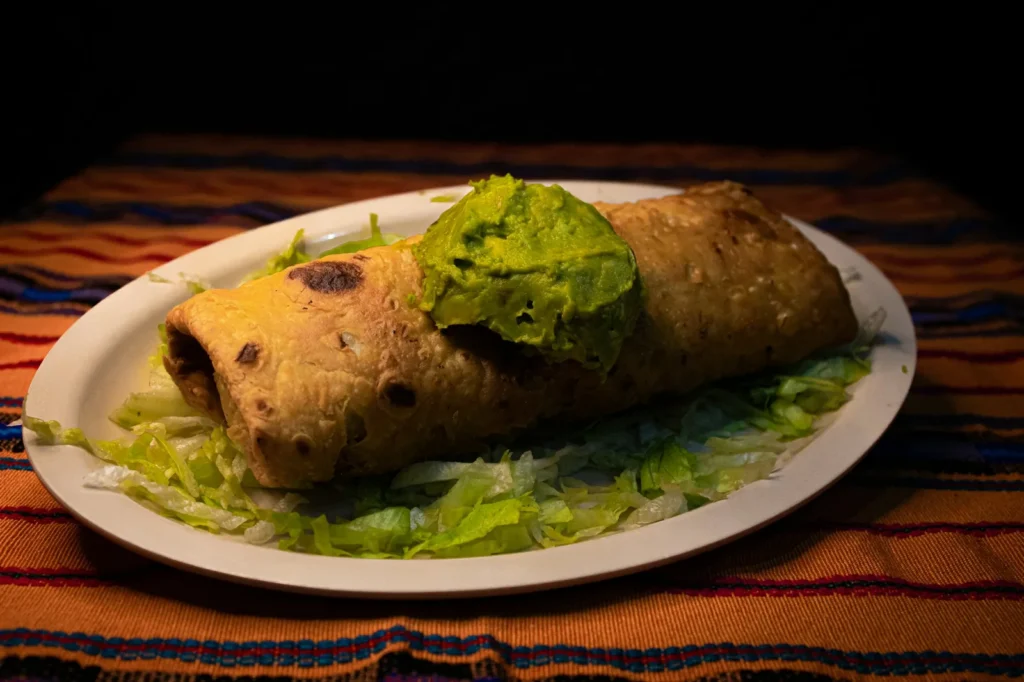
Sopes, gorditas and huaraches are the same dough in different shapes. All three start from fresh masa. A gordita is split and stuffed, a sope is a small round with a pinched rim, and a huarache is long, flat and sandal-shaped.
Once you see them as one family, the whole confusing middle section of a taqueria menu resolves. The differences are thickness, shape and whether the filling goes in or on.
The family, side by side
| Shape | Thickness | Filling goes | Size | |
|---|---|---|---|---|
| Gordita | Round, puffy | Thickest | Inside — split open | Palm-sized |
| Sope | Round, pinched rim | Thick | On top, inside the rim | Small |
| Huarache | Long oval, sandal-shaped | Thinner | On top | Large — a meal |
| Tlacoyo | Pointed oval | Medium | Inside, then topped | Medium |
| Memela | Round, flat | Thin | On top | Small to medium |
The name huarache means sandal, which is exactly what the shape is named for. Gordita means little fat one. The names are descriptive, and once you know that they are easy to keep straight.
Where the dough comes from
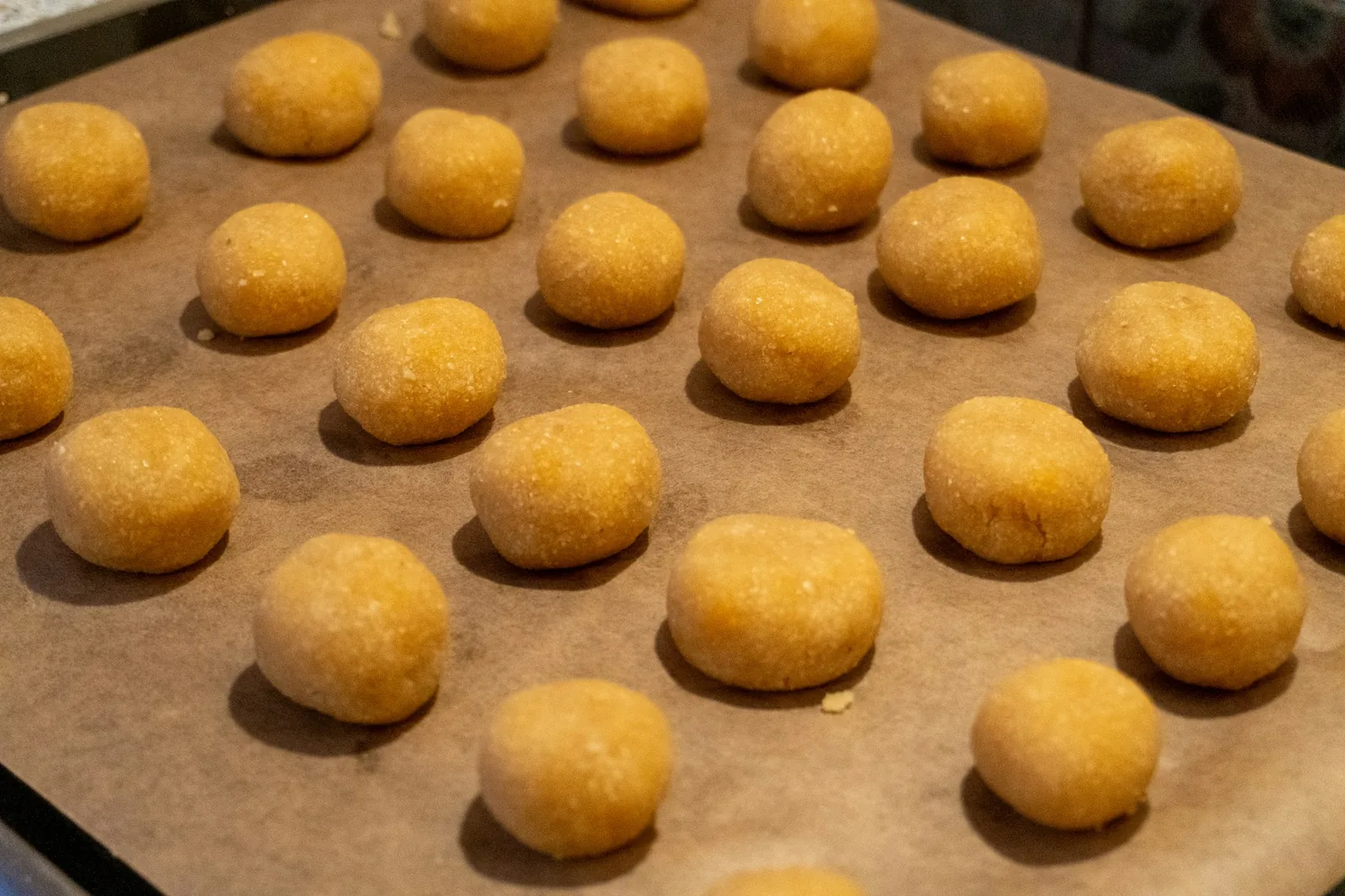
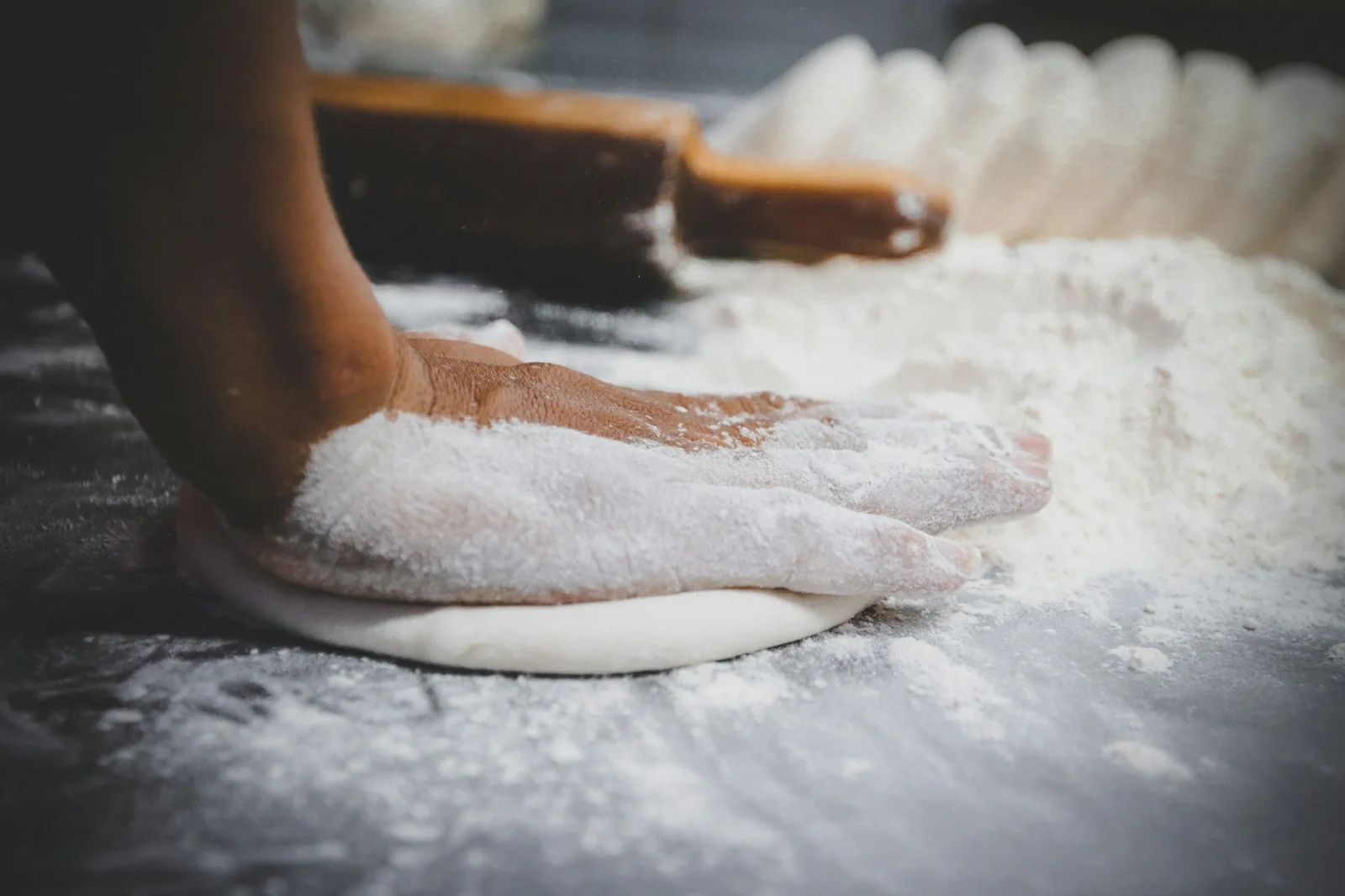
All of it is nixtamalised maize: corn simmered in water with slaked lime or ash, steeped, then ground. CIMMYT — the International Maize and Wheat Improvement Center, based in Mexico — describes nixtamalisation as the Nahuatl word for steeping and cooking maize in water to which ash or slaked lime has been added, and notes that the process makes vitamin B3 more bioavailable and reduces mycotoxins.
CIMMYT also records 59 unique Mexican maize landraces, which is the part worth holding onto: this is not one ingredient but a very large family of them, and regional masa dishes taste different partly because regional corn is different. Many cooks consider landrace tortillas the standard against which the rest are measured.
How each one is built
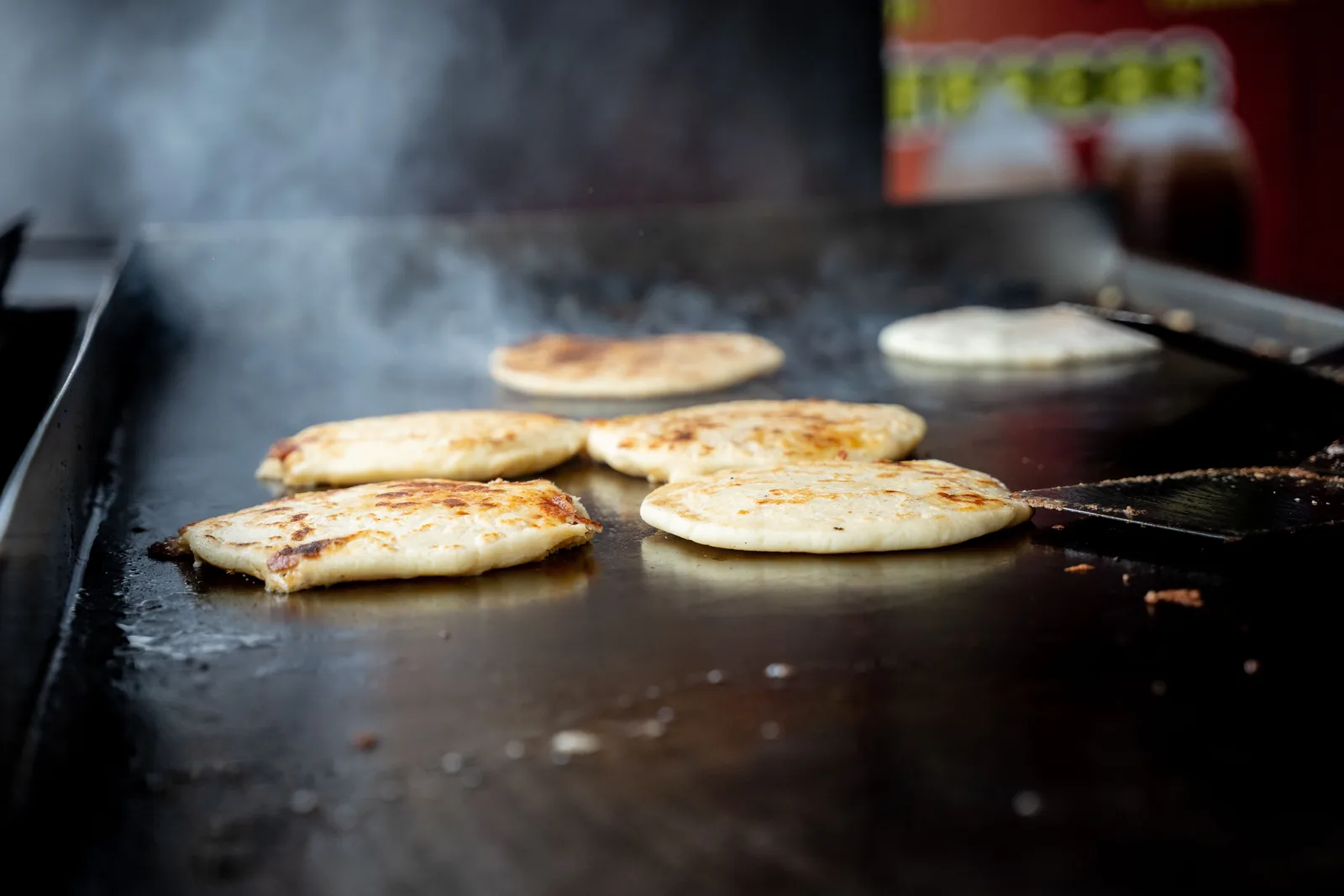
- Gordita — a thick disc is cooked on the comal until it puffs, then split along the edge like a pitta and filled. Some regions fry them instead. The filling is inside.
- Sope — a thick disc is part-cooked, then the edge is pinched up into a rim while still hot. It is usually fried briefly, then topped: beans first, then meat, lettuce, cheese, cream, salsa.
- Huarache — masa is shaped into a long oval, often with a layer of beans worked into the dough, griddled, then topped like a sope but on a much larger scale.
- Tlacoyo — stuffed before cooking, usually with beans or fava, then griddled and topped with nopales and cheese.
The beans-first order on a sope or huarache is not decoration. A layer of refried beans seals the masa against the wetter toppings, the same structural trick that keeps a tostada from going soft.
Fresh masa or masa harina
There are two ways to get the dough, and the difference is audible in how people talk about a place.
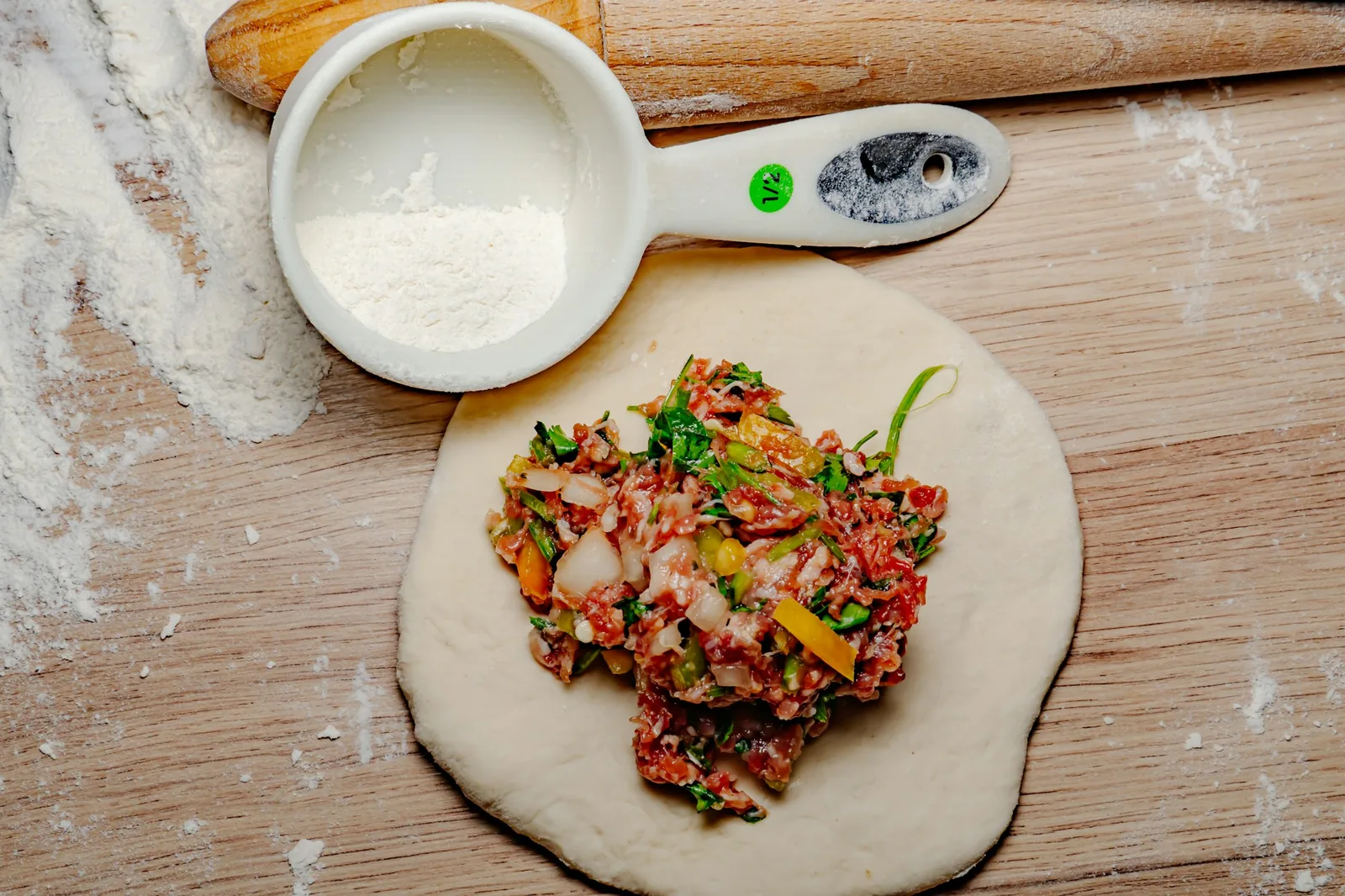
- Fresh masa — corn nixtamalised and ground, usually bought daily from a molino or made in-house. It has a distinct sweet-corn aroma and a softer, more elastic texture, and it goes off within a day or two.
- Masa harina — nixtamalised corn that has been dried and milled to a flour, then reconstituted with water. Stable, consistent, available everywhere, and noticeably flatter in flavour.
Most restaurants outside Mexico use masa harina, and there is nothing wrong with that — it is the same corn through the same chemistry. But a place advertising fresh masa is advertising a daily supply relationship, and for thick masa cakes, where the dough is most of what you are eating, the difference is easier to taste than it is in a thin tortilla.
How this family differs from a chalupa
A reasonable question, since a chalupa is also a masa base with toppings. The difference is that a chalupa is fried into a concave boat — thin masa shaped around a mould and deep fried until crisp. The dishes above are griddled thick cakes, soft rather than crisp, sometimes finished with a brief fry.
Crisp and hollow means chalupa or tostada; thick and soft means this family. Our chalupa guide covers the fried side, and how to read a Mexican menu puts all of them in the context of a whole board.
Ordering them
- Check the size before ordering several. A huarache is a full meal; a sope is a snack.
- Expect them to arrive slowly. Masa cakes are shaped and cooked to order, which is why they are worth ordering.
- Eat them with your hands where you can, though a huarache usually needs cutlery.
- Order two different shapes rather than two of one, if you are curious — the dough is the same but they eat completely differently.
These are antojitos, in the sense our chalupa article sets out: small complete things ordered in twos and threes, not starters before a main.
A note on Doc’s
None of these were on Doc’s board, which stayed with tacos, quesadillas, a chalupa, the suegrita and the flour-tortilla items. They appear here because our own menu guide lists “sope, gordita, huarache” as one of the six bases a Mexican menu is organised around, and then never explains what any of them are.
Doc’s Taco Shop did not serve this. The shop ran three meats across its whole board — pollo, al pastor and bistek — and closed permanently on 19 July 2025. This article is here because our own guides kept mentioning the dish without ever explaining it. You can read the full menu as Doc’s published it or look through the photo gallery.
Frequently asked questions
What is the difference between a sope and a gordita?
A gordita is thicker and is split open and stuffed, so the filling is inside. A sope has a pinched rim and is topped, so the filling sits on top within the rim.
What is a huarache?
A long, sandal-shaped masa base, larger and thinner than a sope and topped the same way. The name means sandal, after the shape. One is usually a full meal.
Are sopes fried?
Usually briefly, after being shaped and part-cooked on a griddle. They are not deep-fried crisp the way a chalupa or tostada is.
What is masa made from?
Maize simmered in water with slaked lime or ash, steeped, then ground. The process is called nixtamalisation and it is what gives corn dough its flavour and its nutritional profile.
Which should I order first?
A sope. It is the smallest, the most common, and the clearest example of the thick-masa format.
The short version
One dough, five shapes. Gordita stuffed, sope rimmed and topped, huarache long and large, tlacoyo pointed and stuffed, memela flat and thin. Thick and soft puts you in this family; crisp and hollow puts you in the chalupa one.