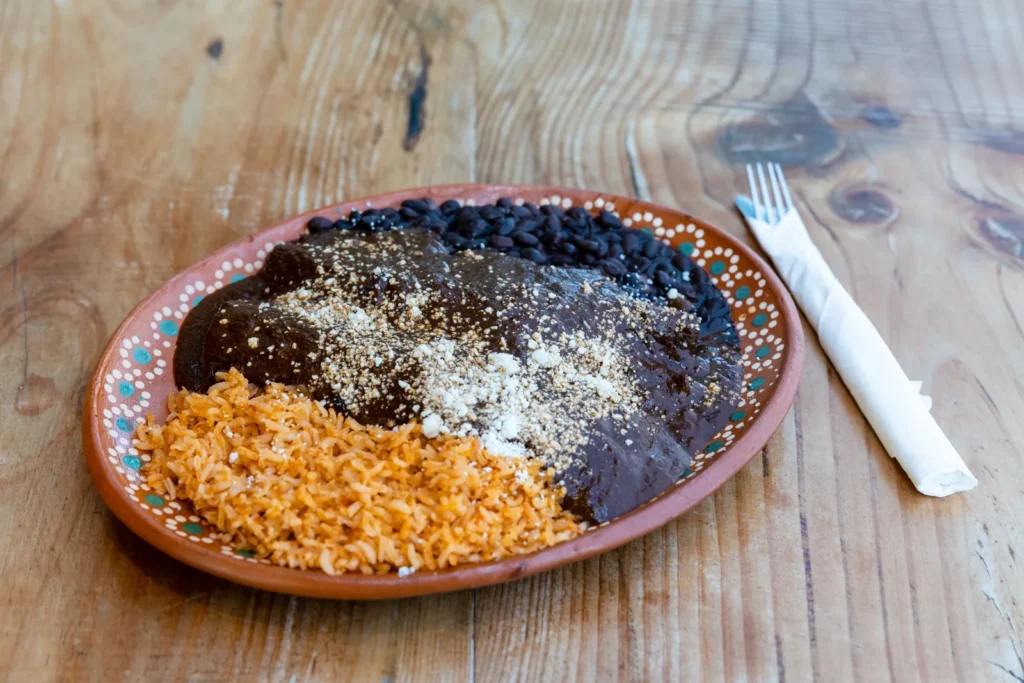
Tex-Mex is a Texan regional cuisine that grew out of Mexican cooking and diverged from it. The quickest tells are yellow cheese, cumin, flour tortillas and ground beef — four things that are everywhere in Tex-Mex and uncommon in most of Mexico.
It is not a fake version of Mexican food. It is its own tradition, with its own history, and the differences are the result of what was available in Texas rather than of anybody getting it wrong.
The four quickest tells
| Marker | Tex-Mex | Most of Mexico |
|---|---|---|
| Cheese | Yellow — cheddar, Monterey Jack, melted heavily | White — crumbled or stretched, used sparingly |
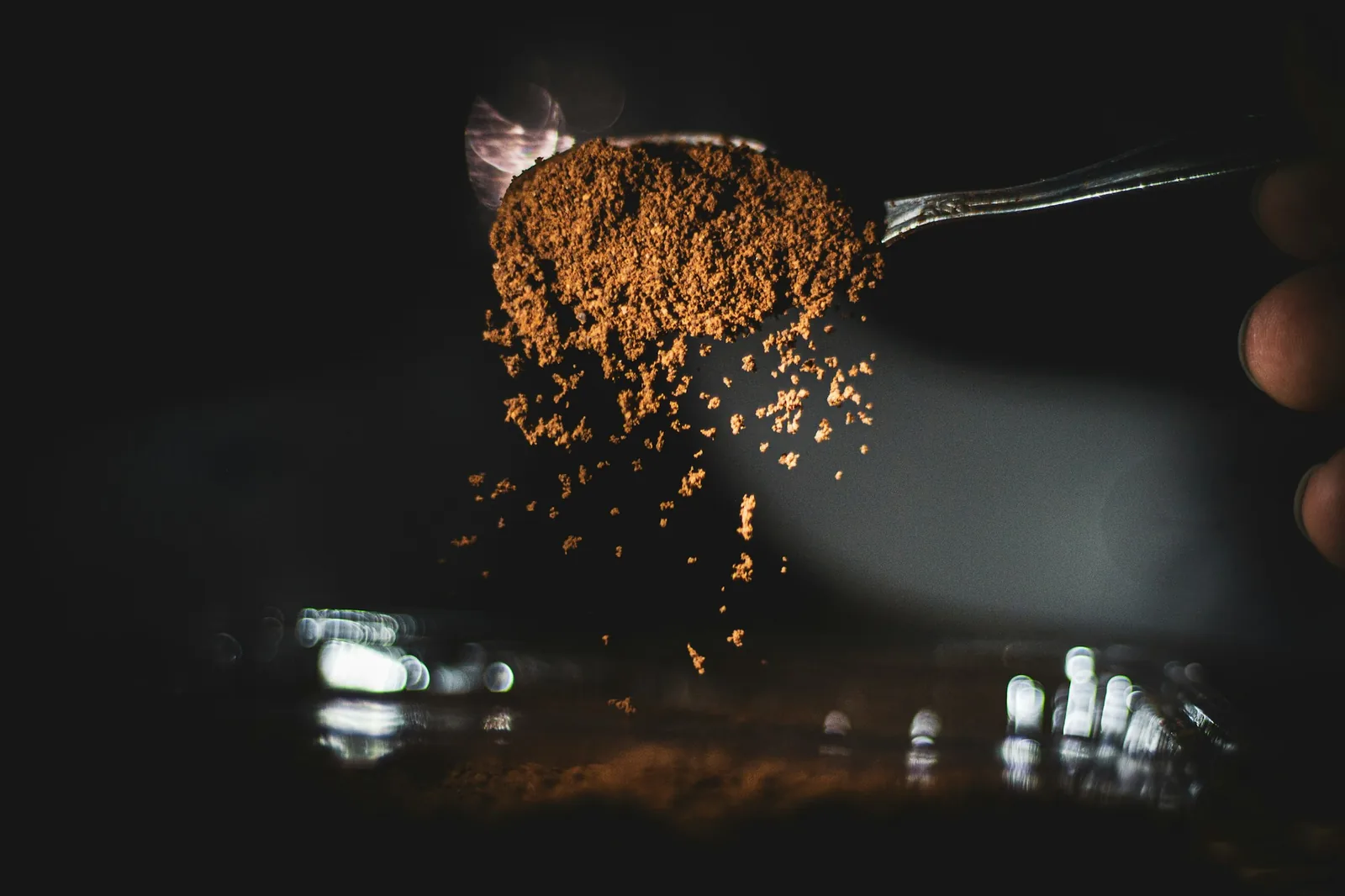
| Dominant spice | Cumin, in almost everything | Chillies, oregano, epazote; cumin used lightly |
| Default tortilla | Flour | Corn |
| Default meat | Ground beef | Pork, chicken, and cuts of beef |
None of these is absolute — northern Mexico eats a great deal of beef and uses flour tortillas widely, which is exactly the region Texas borders. The markers are strongest the further south you go.
Where Tex-Mex came from
Texas was Mexican territory, and the Tejano communities who lived there kept cooking after the border moved. What changed was supply: a cattle-ranching economy made beef cheap, industrial dairies made yellow cheese cheap, and wheat grew where the milling infrastructure already was. The cooking adapted to that.
Writing for Rice University’s Graduate and Postdoctoral Studies, Manuel Carmona Pichardo sets the two side by side: Mexican cuisine drawing on Aztec, Maya and other indigenous foundations and later Spanish influence, against a Tex-Mex that emerged in the nineteenth century from the blending of Mexican and Texan traditions — leaning on flour tortillas, melted cheese, sour cream and ground beef. He also makes the point that commercialised Tex-Mex chains have shaped global perceptions of Mexican food, which is why so many people meet the copy before the original.
The name itself is older than the food label. It came from the Texas Mexican Railway, and only later attached to the cooking.
Dishes that are Tex-Mex, not Mexican
Some of the most famous “Mexican” dishes in the United States were invented north of the border. That does not make them lesser; it makes them Texan.
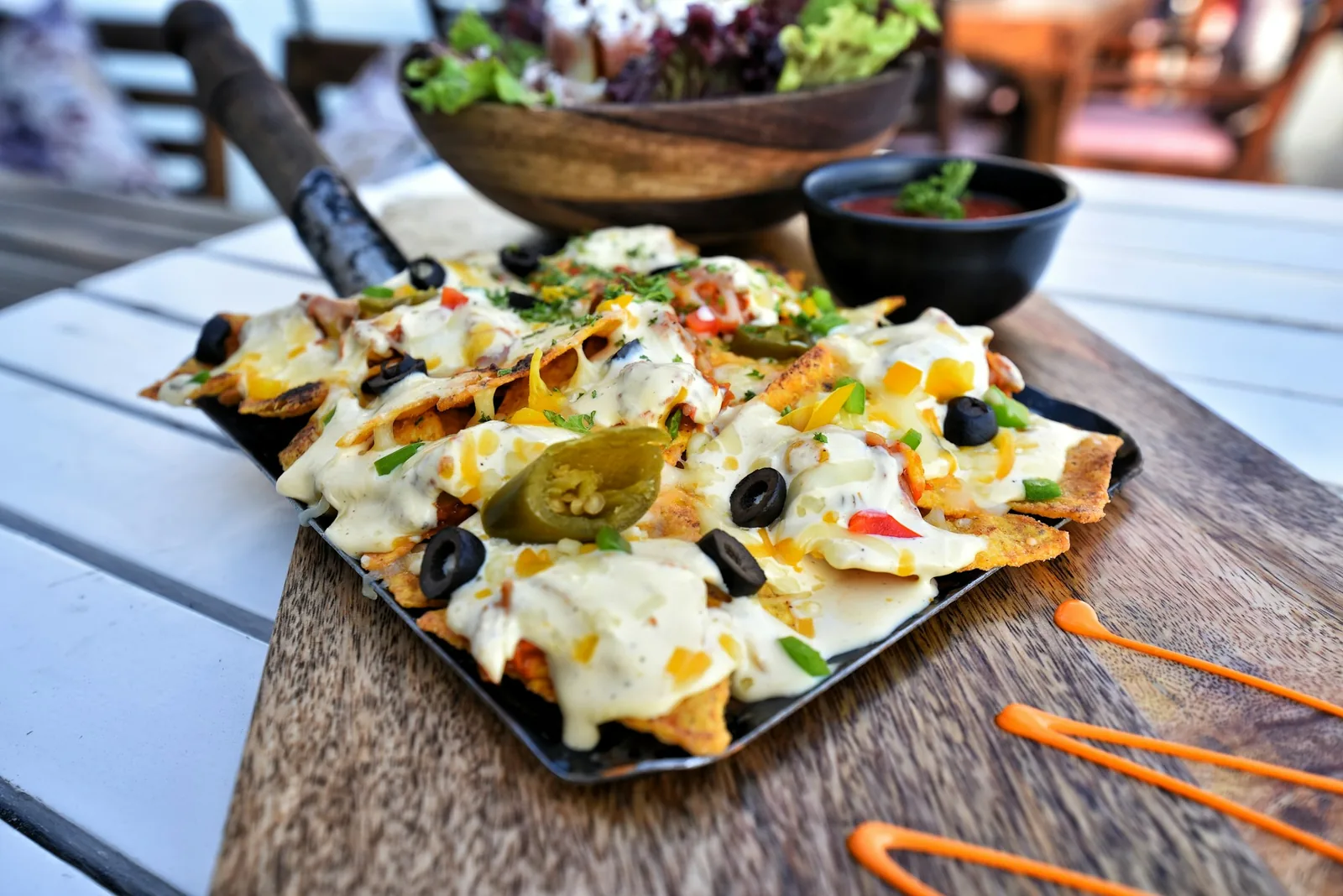
- Nachos — invented in Piedras Negras, on the border, for American diners.
- Chili con carne — a San Antonio dish. You will not find it on a menu in Mexico City.
- Fajitas — developed from skirt steak given to Texan ranch hands as part of their pay.
- Hard-shell tacos — an American industrialisation of the fried taco. We cover the split in street tacos versus regular tacos.
- Chile con queso — the melted-cheese dip. Mexican queso fundido is a relative, but a much drier one.
Why beef, and why ground
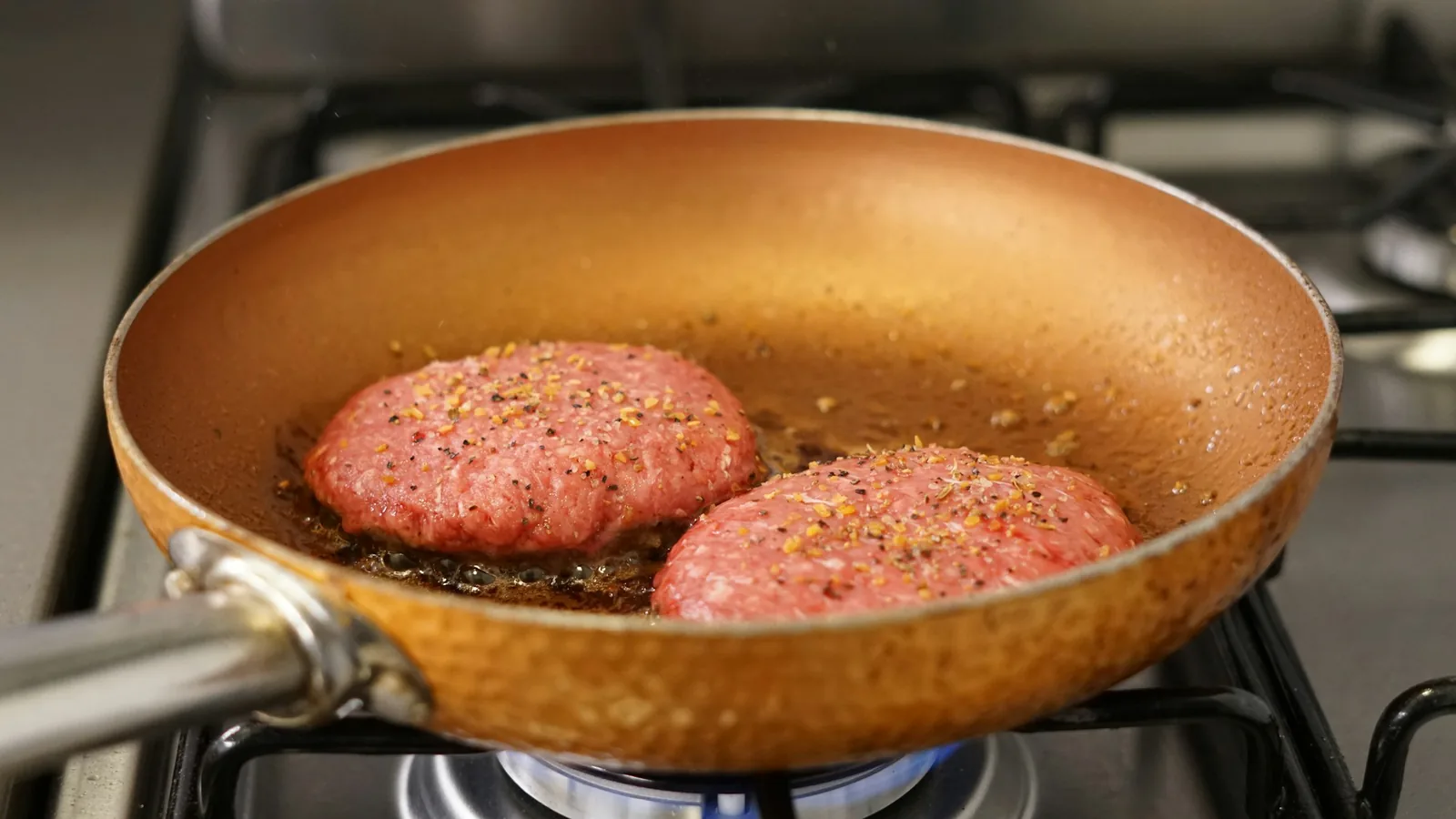
Texas was cattle country before it was anything else, and that one fact shapes most of the menu. Where central Mexican cooking leans on pork and chicken, Tex-Mex leans hard on beef — and specifically on ground beef, which is cheap, cooks in minutes and takes seasoning readily.
Ground beef is close to absent from traditional Mexican taco fillings. The meats there are cuts and preparations: bistek thinly sliced on a griddle, carnitas slow-cooked, birria stewed for hours, al pastor shaved off a spit. Each involves either a specific cut or a long cook. Ground beef involves neither, which is precisely why a busy American kitchen adopted it.
Substitution is the mechanism, not carelessness
The single most useful way to understand Tex-Mex is as a series of functional substitutions. A cook who wants a specific effect uses whatever local ingredient produces it.
| Mexican ingredient | Tex-Mex substitute | Why it works |
|---|---|---|
| Cotija | Parmesan | Both hard, salty and crumbly; neither melts |
| Queso Oaxaca | Mozzarella | Both stretch and melt without going oily |
| Crema | Sour cream | Both are soured dairy; sour cream is thicker and sharper |
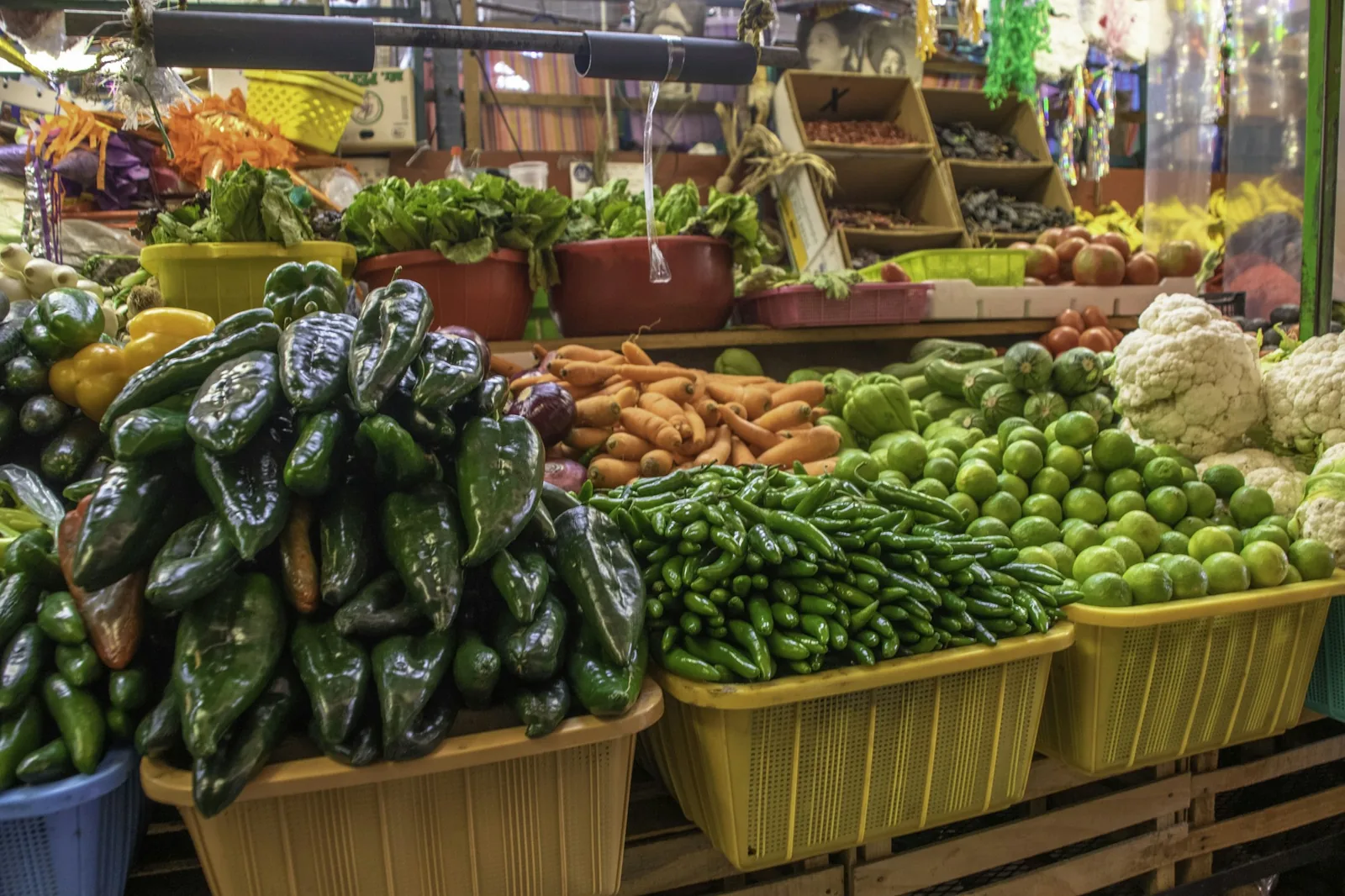
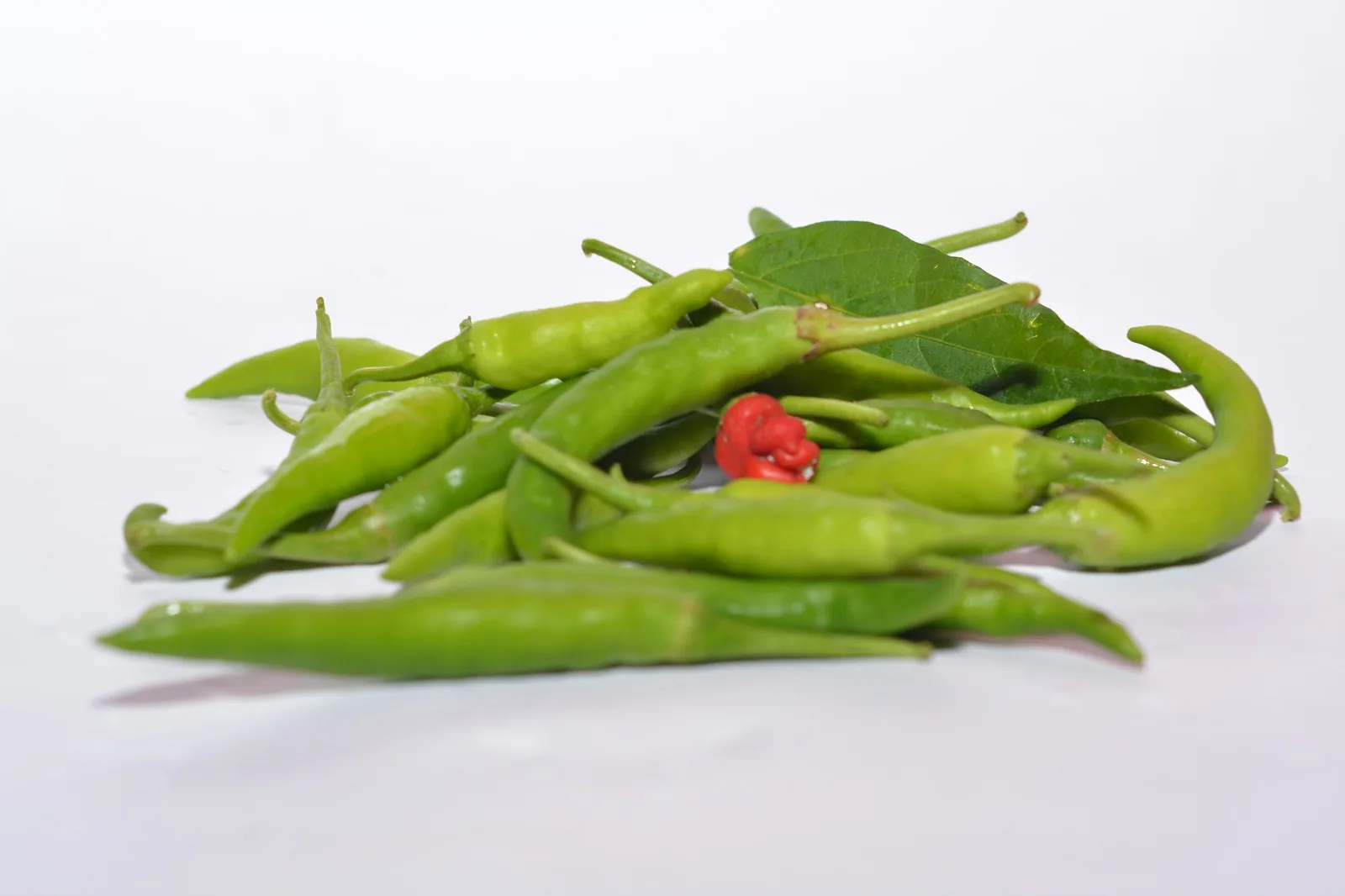
| Fresh chillies | Chilli powder and cumin | Shelf-stable, consistent, available year-round |
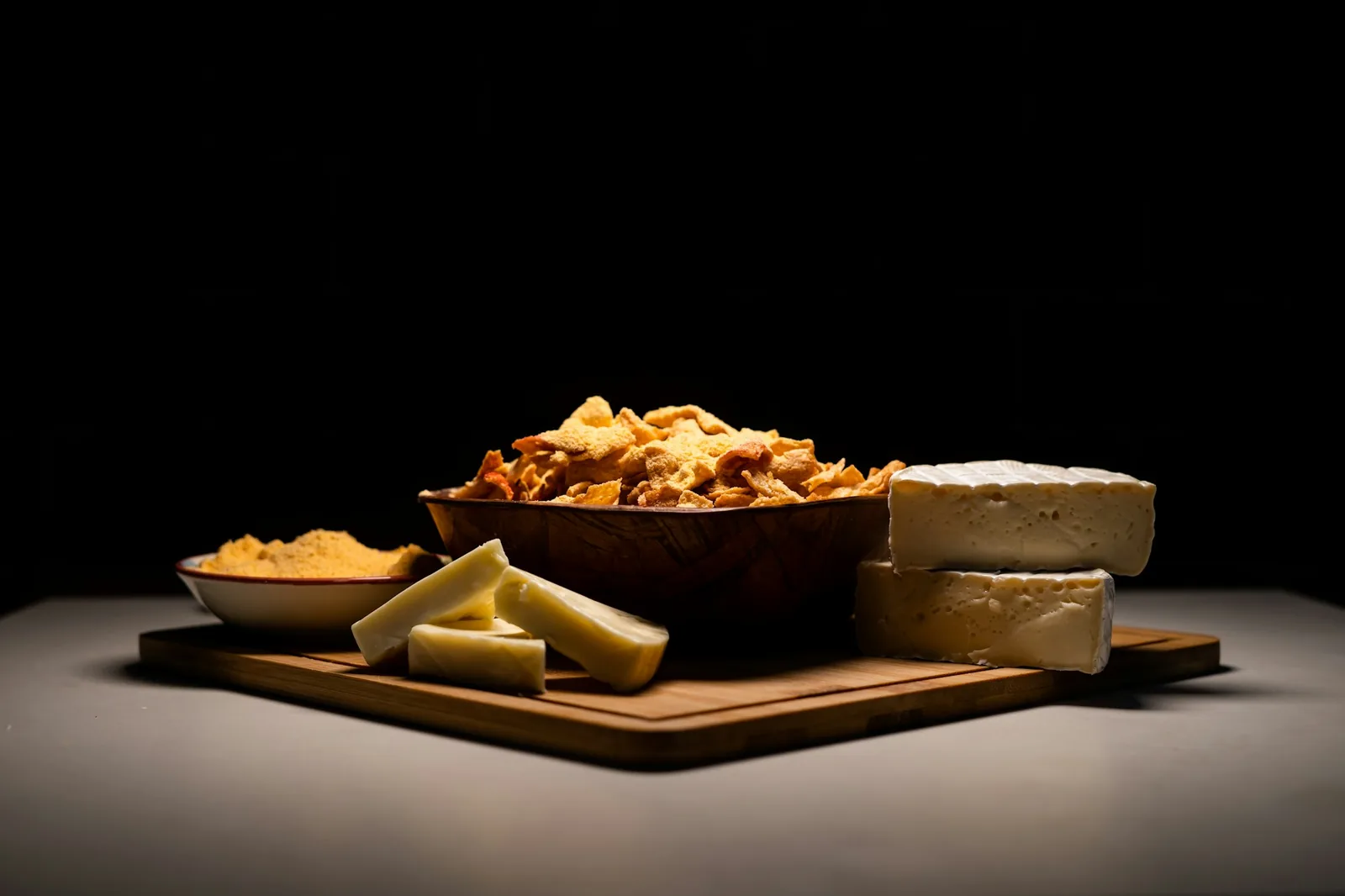
Seen that way, a board using Parmesan is not a board that failed to buy cotija. It is a board using the ingredient that does the same job in that supply chain. We go through the cheeses in our guide to Mexican cheeses, and the dairy in crema versus sour cream.
Doc’s Taco Shop was both at once
Doc’s, in Liberty City near Kilgore, is a clear worked example. Its street tacos were built the Mexican way: a small corn tortilla, one meat, onion and cilantro, no cheese and no cream. Its chalupa, its elote and its suegrita used Parmesan, sour cream and mozzarella — textbook Tex-Mex substitutions.
One board, both traditions, and no contradiction. That combination is the norm across East Texas rather than an exception, and it is visible dish by dish on the archived menu. Our guides to the chalupa, elote and the suegrita each show where the line falls.
Doc’s Taco Shop closed permanently on 19 July 2025 after five years in business. The menu details above are transcribed from the restaurant’s own published menu board and are recorded here as history. You can still read the full menu as Doc’s published it or read how the shop came about.
How to tell which one you are looking at
- Look at the cheese first. Yellow and melted means Tex-Mex; white and crumbled means Mexican.
- Check the default tortilla. If flour is assumed and corn is the upgrade, you are in Tex-Mex territory.
- Read the beef entries. Ground beef points Tex-Mex; bistek, barbacoa and lengua point Mexican.
- See whether combination plates exist. The numbered combo plate with rice and refried beans is a Tex-Mex institution.
Most American restaurants sit somewhere between the two, which is normal and not worth being precious about. Our guide to reading a menu goes through the vocabulary in more depth.
Frequently asked questions
Is Tex-Mex real Mexican food?
It is a real cuisine with a real history, but it is not the same as Mexican food. It is a Texan regional cuisine that grew out of Mexican cooking and adapted to Texan ingredients and supply.
What is the biggest difference between Tex-Mex and Mexican food?
Cheese. Tex-Mex uses yellow melting cheeses heavily; most of Mexico uses white cheeses sparingly, either crumbled or stretched. If you notice only one thing, notice that.
Are nachos Mexican?
They were invented in Piedras Negras, a Mexican border town, but for American customers, and they belong to the Tex-Mex tradition rather than to Mexican home or street cooking.
Is Tex-Mex spicier than Mexican food?
Usually less so. Tex-Mex leans on cumin and chilli powder for warmth and depth, while Mexican cooking uses a much wider range of fresh and dried chillies, some of them very hot.
Why do Tex-Mex restaurants use flour tortillas?
Wheat was widely grown and milled in Texas and the northern Mexican states, and flour tortillas hold more filling. Corn remains the default further south.
The short version
Tex-Mex is what happened when Mexican cooking met Texan supply: yellow cheese, cumin, flour and beef. Mexican cooking stayed with corn, chillies and a wider range of meats. Both are legitimate, most American menus mix them, and the differences are almost always substitutions that preserve what the original ingredient was doing.