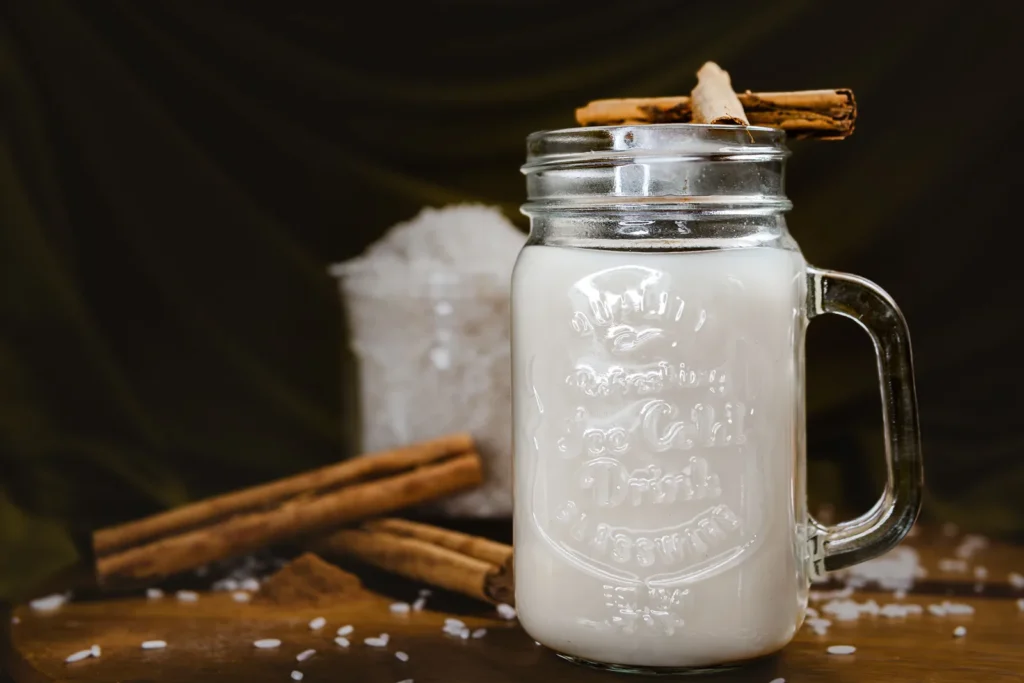
Mexican horchata is a chilled, milky-looking drink made from rice, cinnamon and sugar, blended and strained. It is sweet, faintly gritty, heavily cinnamon-scented, and it is the standard thing to order when a meal is too spicy.
It is also two different drinks that share a name, which is why the answers online contradict each other. The Mexican version is rice. The Spanish original is not.
What Mexican horchata is made of
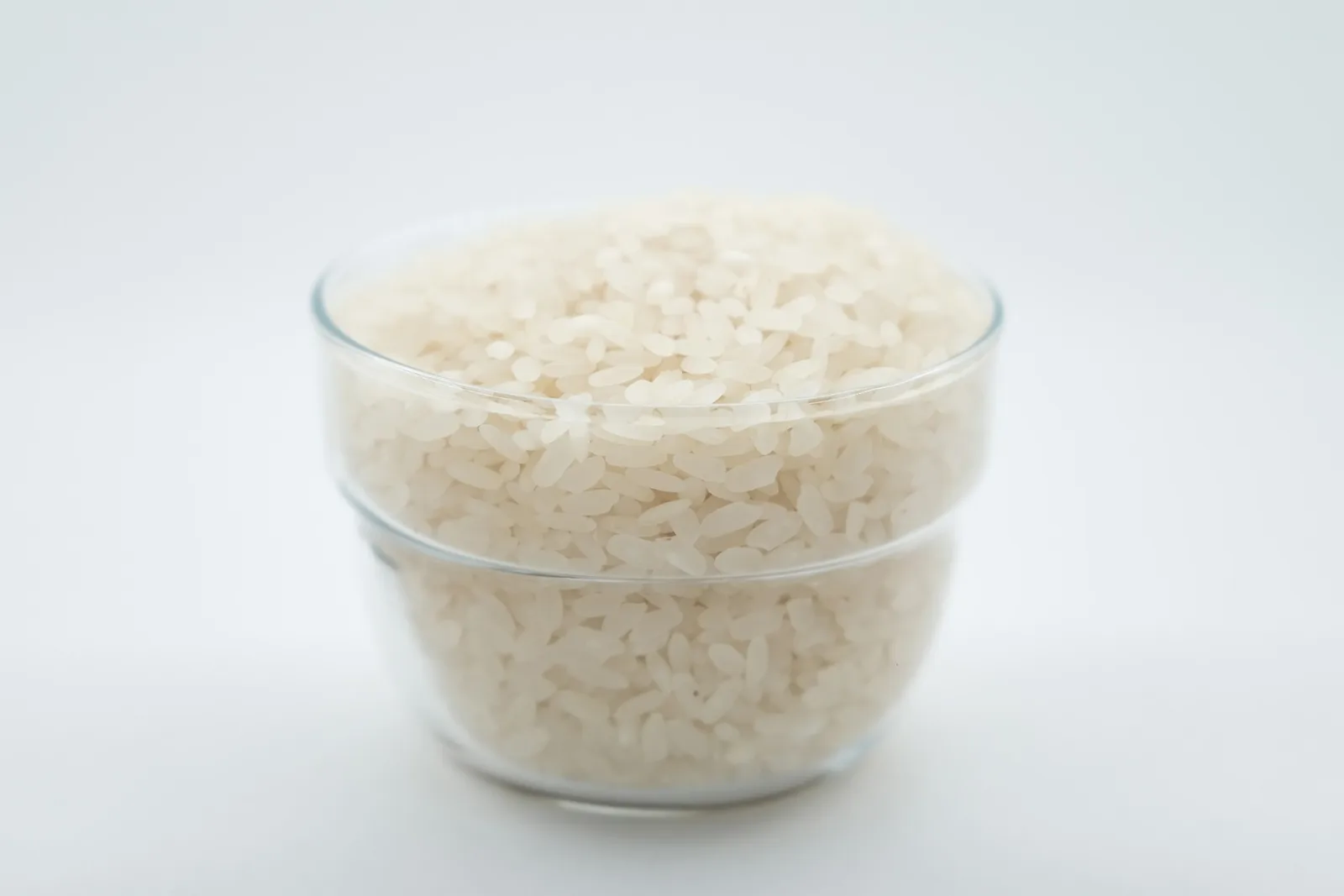
The base recipe is short: white rice, water, cinnamon, sugar. The rice is soaked — often overnight, sometimes with the cinnamon sticks in with it — then blended and strained. Many versions add milk, condensed milk or vanilla, which is what pushes it from refreshing towards creamy.
That is the source of the most practical question about it: whether it contains dairy. The base recipe does not. Plenty of individual recipes do. Since there is no standard, the only reliable answer at any given counter is to ask — and it is a fair question, not a fussy one.

The Spanish original is a completely different drink
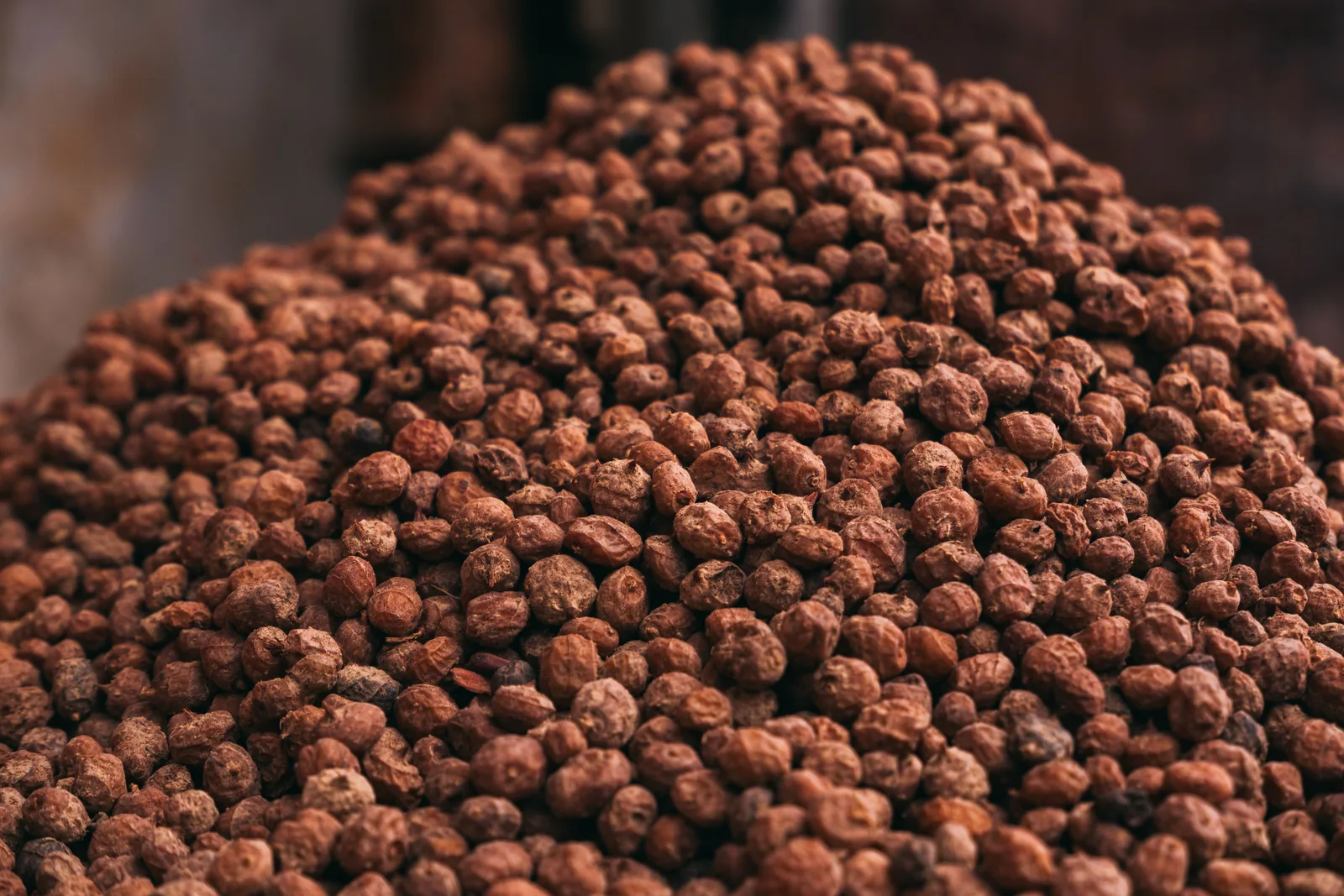
Horchata began in Valencia, and Valencian horchata de chufa is made from tiger nuts — small tubers from a sedge, not nuts and not rice. It is protected: the Consejo Regulador de la Denominación de Origen Chufa de Valencia certifies that products carrying the name use tiger nuts grown in the designated area around Alboraya, near Valencia, under a Protected Designation of Origin.
So a Spanish horchata and a Mexican horchata share a name, a colour and a serving temperature, and essentially nothing else. Neither is a corruption of the other — the name travelled and was applied to the local ingredient that produced a similar drink.
| Mexican horchata | Valencian horchata de chufa | |
|---|---|---|
| Base | White rice | Tiger nuts (chufa) |
| Dominant flavour | Cinnamon | The tuber itself — nutty, faintly sweet |
| Usually contains dairy? | Sometimes | No |
| Protected name? | No | Yes, under a PDO |
Why it looks like milk when it often isn’t
The colour throws people. Blending soaked rice releases starch into the water, and suspended starch scatters light the same way milk fat does — which is why a jug of water-based horchata still looks opaque and creamy. The same effect is why the drink separates if it stands: the starch and fine rice solids settle out, leaving clearer liquid on top.
That is also why horchata is almost always stirred, shaken or poured from a jug that has just been agitated. A glass drawn off the top of a settled batch tastes thin and under-spiced; one drawn from the bottom is gritty. A vendor stirring the barrel before serving is doing it for a reason.
It belongs to a whole family of drinks
Horchata is an agua fresca — literally a fresh water, the family of light, non-carbonated drinks sold from clear barrels at markets and taquerias. It is usually the only one in the row that is not translucent, which makes it easy to spot.
| Agua fresca | Made from | Tastes |
|---|---|---|
| Horchata | Rice and cinnamon | Sweet, spiced, creamy-textured |
| Jamaica | Dried hibiscus flowers | Deep red, tart, cranberry-like |
| Tamarindo | Tamarind pulp | Brown, sour-sweet, slightly savoury |
| Piña / melón / sandía | Blended fresh fruit | Light and straightforwardly fruity |
If you find horchata too sweet, jamaica is the usual alternative — it is sharp rather than sugary, and it cuts through rich food from the opposite direction.
Why it works with spicy food
Capsaicin, the compound that makes chillies hot, does not dissolve in water. Drinking water moves it around the mouth rather than removing it, which is why water can seem to make heat worse. Fat and sugar are more effective, and a sweet, sometimes dairy-containing rice drink supplies both.
This is also why horchata sits on the same counter as the other aguas frescas — jamaica, tamarindo, melon — but gets ordered disproportionately with the spicier dishes.
How it is served
Almost always over ice, in a large cup, and already sweetened. Unlike coffee or tea, horchata is not usually adjusted at the table — the sugar and cinnamon go in when the batch is made, so what arrives is what you get.
That is worth knowing if you find it too sweet, because the fix is not to ask for less sugar. Asking for extra ice, or for it topped up with a little water, is the practical way to dilute a batch that has been made sweeter than you would like. Some places will also cut it with milk, which reduces the sweetness without thinning the texture.
- It should be cold, not iced to slush. Horchata served too cold loses the cinnamon aroma almost entirely.
- Stir before drinking if it has been sitting.
- It does not keep well. A fresh batch is noticeably better, which is why it is usually made daily rather than bought in.
Horchata at Doc’s Taco Shop
Doc’s Taco Shop listed Agua de Horchata on its 2023 board and described it as a combination of milk, rice and cinnamon. That is the creamier end of the Mexican style — a version made with dairy rather than the water-only base, which makes it richer and more filling but means it was not a dairy-free option.
It sat alongside the shop’s other drinks: glass-bottle sodas, Jarritos, Topo Chico and the beers. Anyone ordering the birria tacos or a plate of al pastor would have had it as the obvious cooling option.
Doc’s Taco Shop closed permanently on 19 July 2025 after five years in business. The menu details above are transcribed from the restaurant’s own published menu board and are recorded here as history. You can still read the full menu as Doc’s published it or read how the shop came about.
Frequently asked questions
Does horchata contain dairy?
It depends entirely on the recipe. Traditional Mexican horchata is rice, water, cinnamon and sugar, with no dairy at all. Many versions add milk or condensed milk. Always ask if it matters to you — our guide to eating dairy-free covers the rest of the menu.
Does horchata contain caffeine?
No. Rice, cinnamon and sugar contain none, and neither does the Valencian tiger-nut version.
Why is horchata gritty?
Because it is blended rice that has been strained rather than filtered completely clear. A little fine sediment is normal and settles if it stands, which is why it is usually stirred or shaken before serving.
Is horchata alcoholic?
No. It is a soft drink. Some bars make horchata-based cocktails, but horchata itself contains no alcohol.
What does horchata taste like?
Sweet, cinnamon-forward and mild, with a soft, slightly thick texture. If you like rice pudding, the flavour will be familiar.
The short version
Mexican horchata is chilled rice and cinnamon, sweet and sometimes milky, and it is the drink to reach for when the salsa has got away from you. Its Valencian namesake is made from tiger nuts and is a different drink entirely, protected by name in its home region.
The full list of what Doc’s poured is on the archived menu page.