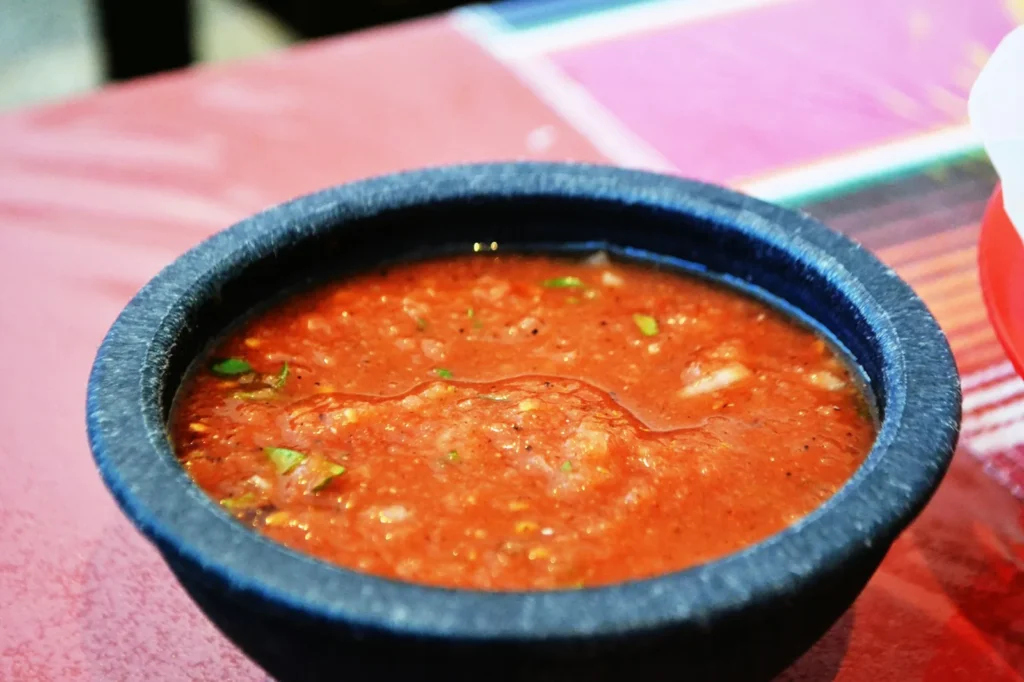
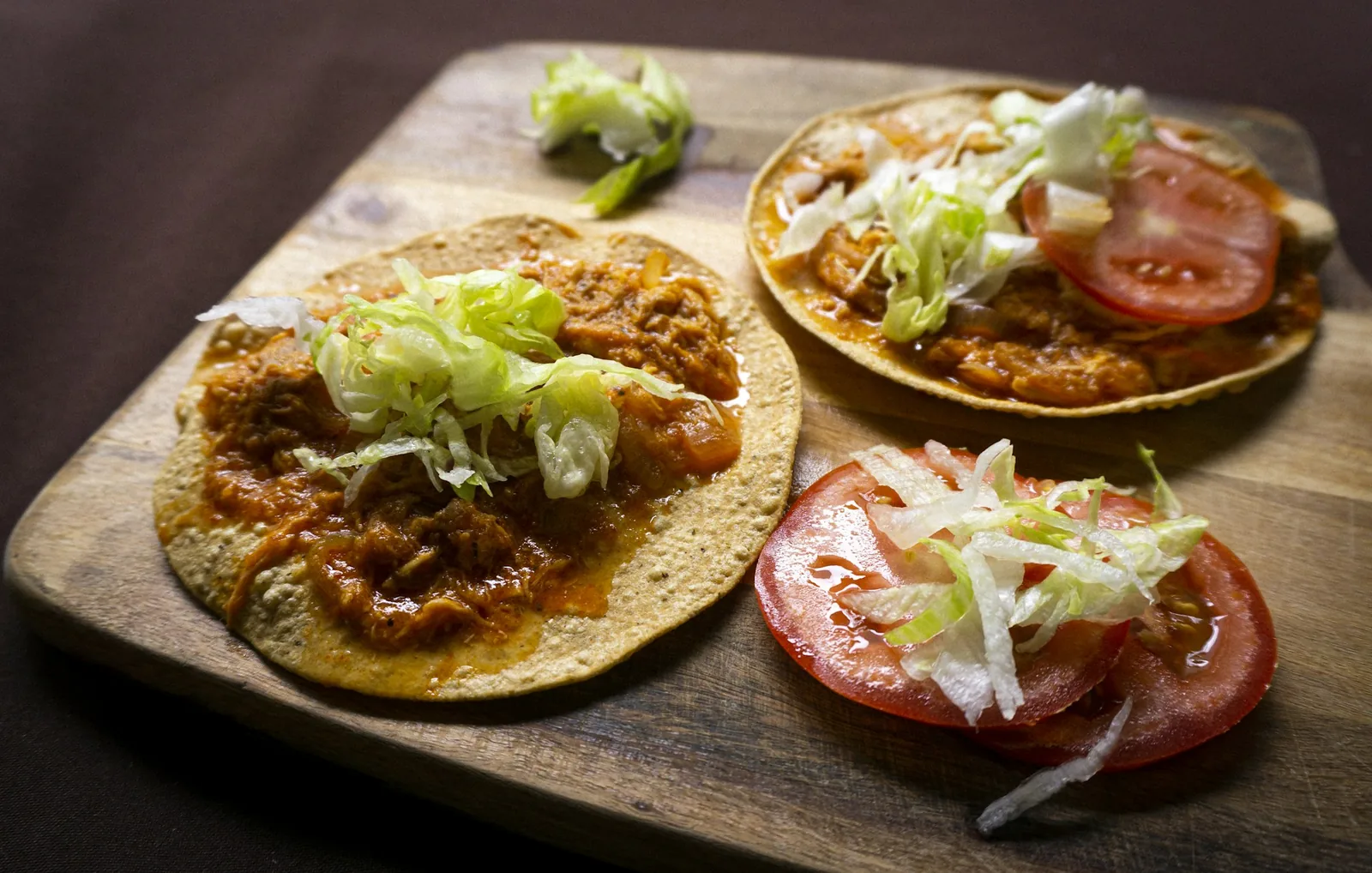
A chalupa is a small, boat-shaped piece of fried corn masa, topped with salsa, shredded meat, cheese and onion. It is a street snack from central Mexico — and it is not the same thing as the fast-food item that made the word famous in the United States.
Both exist. Both are legitimately called chalupas. They are simply different dishes that ended up sharing a name, and knowing which one a menu means will save you a surprise.
Where the name comes from
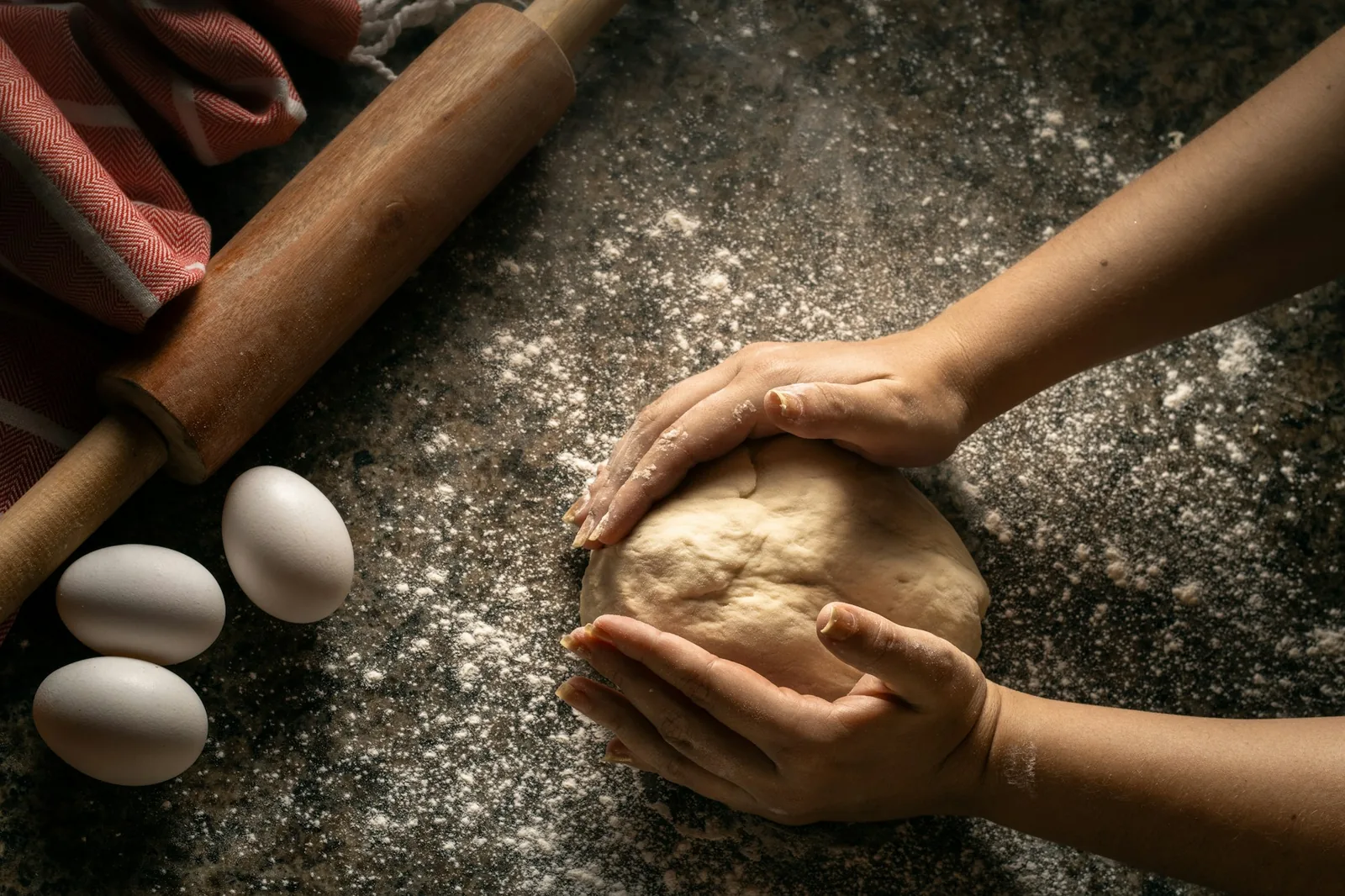
Chalupa is Spanish for a small boat or canoe. The dish is named for its shape: masa pressed into a shallow, concave shell with a raised rim, so it holds a spoonful of topping the way a hull holds water.
The Chaîne des Rôtisseurs’ account of the dish describes traditional shells as thin masa pressed around a mould and deep-fried until crisp, then topped with shredded chicken or pork, onion, chipotle and salsa — and notes that the American fast-food version instead uses a thicker, bread-like shell with seasoned meat, lettuce, cheese and sour cream.
The traditional dish
Chalupas are strongly associated with Puebla, where chalupas poblanas are a standard street antojito, and they are also common in Hidalgo, Guerrero and Oaxaca. The classic Puebla build is deliberately restrained: salsa first — often green tomatillo salsa — then shredded meat, then crumbled cheese and raw onion.
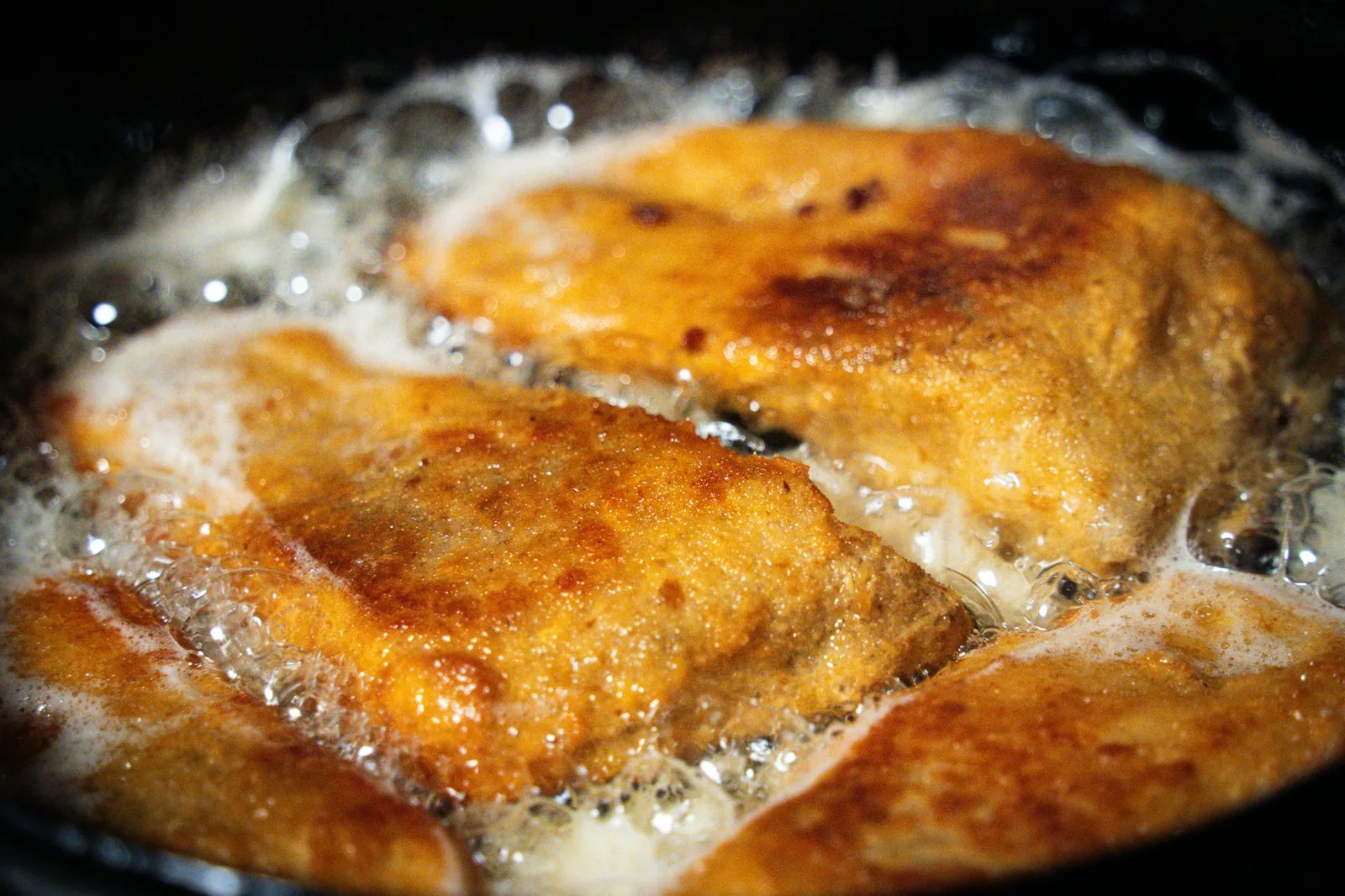
They are small. Three or four is a normal serving, and they are usually made to order because a fried masa shell that sits around goes from crisp to tough quickly.
It is worth saying that the origin story is genuinely contested. Several accounts circulate — Franciscan friars in Puebla, the siege of Puebla, indigenous cooks working with cheap masa long before either — and there is no settled answer. Anyone presenting one version as established fact is overstating the evidence.
Chalupa, tostada, sope: telling them apart
These three get confused constantly, and the difference is entirely in the shape of the masa base.
| Dish | Base | Shape | How it holds toppings |
|---|---|---|---|
| Chalupa | Fried masa | Concave boat with a raised rim | Toppings sit inside the hollow |
| Tostada | Fried tortilla | Completely flat | Toppings sit on top and slide off if overloaded |
| Sope | Thick masa cake | Flat with a pinched rim, thicker | Rim holds toppings; much denser to eat |
All three start from nixtamalised corn masa rather than wheat flour, which is why they taste of toasted corn in a way a wheat base does not. Our guide to corn versus flour tortillas covers why that is.
What an antojito actually is
Chalupas belong to a category Mexican menus take for granted and English menus have no word for: the antojito. It translates roughly as “little craving”, and it covers the masa-based snacks sold from street stalls and markets — tacos, sopes, gorditas, tlacoyos, quesadillas, chalupas.
The category matters for ordering. Antojitos are not starters, and they are not sides. They are small complete things, meant to be ordered in twos and threes, often from a vendor who makes one type and nothing else. Treating a plate of chalupas as an appetiser before a main course is a reasonable mistake to make and not how they are normally eaten.
The fast-food chalupa
The version most Americans picture is a thick, deep-fried flatbread shell folded into a taco shape, filled with seasoned ground beef, lettuce, cheese and sour cream. It is chewy rather than crisp, and it is a great deal larger than a traditional chalupa.
That is a different dish wearing the same name, and there is nothing dishonest about it — regional and commercial versions of dishes diverge all the time. But it does mean that ordering a chalupa at a Mexican restaurant and expecting the fast-food item will not go the way you expect, and neither will the reverse.
Ordering them, and what to expect
Traditional chalupas arrive quickly and go stale quickly, which shapes how they are best ordered.
- Order them last, not first. A fried masa shell is at its best within a minute or two of leaving the oil. Ordering a plate to arrive with everything else guarantees they will have softened.
- Expect a small plate. Three or four little boats, not one large item. This surprises people expecting the fast-food portion.
- Eat them with your hands. They are built to be picked up. A knife and fork will shatter the shell.
- Do not add more salsa at the table. They are dressed already, and extra liquid is what turns a crisp shell soggy.
For how this fits into a larger order, our guide to how much to order per person covers the arithmetic once sides and antojitos are involved.
The chalupa at Doc’s Taco Shop
Doc’s Taco Shop listed a chalupa on its 2023 board built with beef, chicken or pork plus beans, topped with lettuce, tomatoes, sour cream, avocado and Parmesan cheese.
That is a third thing again: a Tex-Mex chalupa, closer in spirit to a loaded tostada than to a Puebla street snack, and made with what an East Texas kitchen actually stocked. Lettuce and tomato in place of raw onion, sour cream in place of crema, Parmesan in place of a Mexican crumbling cheese. Recording it accurately seems more useful than pretending the board said something else.
Doc’s Taco Shop closed permanently on 19 July 2025 after five years in business. The menu details above are transcribed from the restaurant’s own published menu board and are recorded here as history. You can still read the full menu as Doc’s published it or look through the photo gallery.
Frequently asked questions
Did Taco Bell invent the chalupa?
No. The dish and the name both long predate any fast-food version; chalupas are a traditional antojito from central Mexico, particularly Puebla. What the fast-food chain popularised in the United States was its own distinct version of it.
What is the difference between a chalupa and a tostada?
Shape. A chalupa’s masa is fried into a concave boat with a raised rim that holds toppings inside it. A tostada is a completely flat fried tortilla, so the toppings sit on the surface.
Are chalupas fried?
Yes. The masa shell is fried, which is what makes it crisp and what lets it hold its boat shape. That is true of both the traditional and the fast-food versions.
What does chalupa mean?
Small boat, in Spanish. The dish is named for the shape of its shell.
How many chalupas are a serving?
Traditional ones are small — three or four is normal. Tex-Mex versions are much larger and loaded, so one or two is usually enough.
The short version
A chalupa is a fried masa boat with salsa, meat and cheese in the hollow. The traditional Puebla version is small, crisp and restrained; the American fast-food version is large, chewy and loaded; and Tex-Mex kitchens built a third version somewhere between the two. All three are real, and the name means the same thing in every case: a little boat.
Doc’s take on it is preserved on the archived menu page.