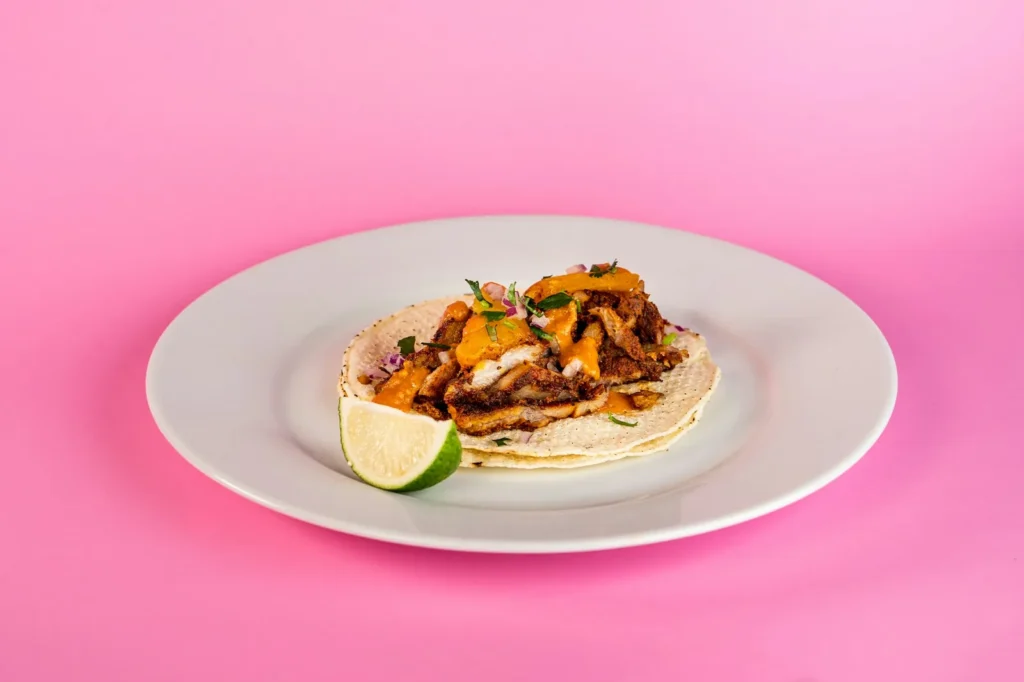
Carnitas are pork simmered slowly in its own fat until it falls apart, then crisped. The name means “little meats”. The technique is confit — the same principle the French use for duck — and it is what produces the combination of soft interior and crisp brown edges that defines the dish.
This is the detail most descriptions get wrong. Carnitas are routinely called “Mexican pulled pork”, and that is misleading: pulled pork is smoked or braised in liquid. Carnitas cook in fat. The difference is exactly the crisp edges.
How they are made
- Pork — usually shoulder, often with some belly or rib for fat — is cut into large pieces.
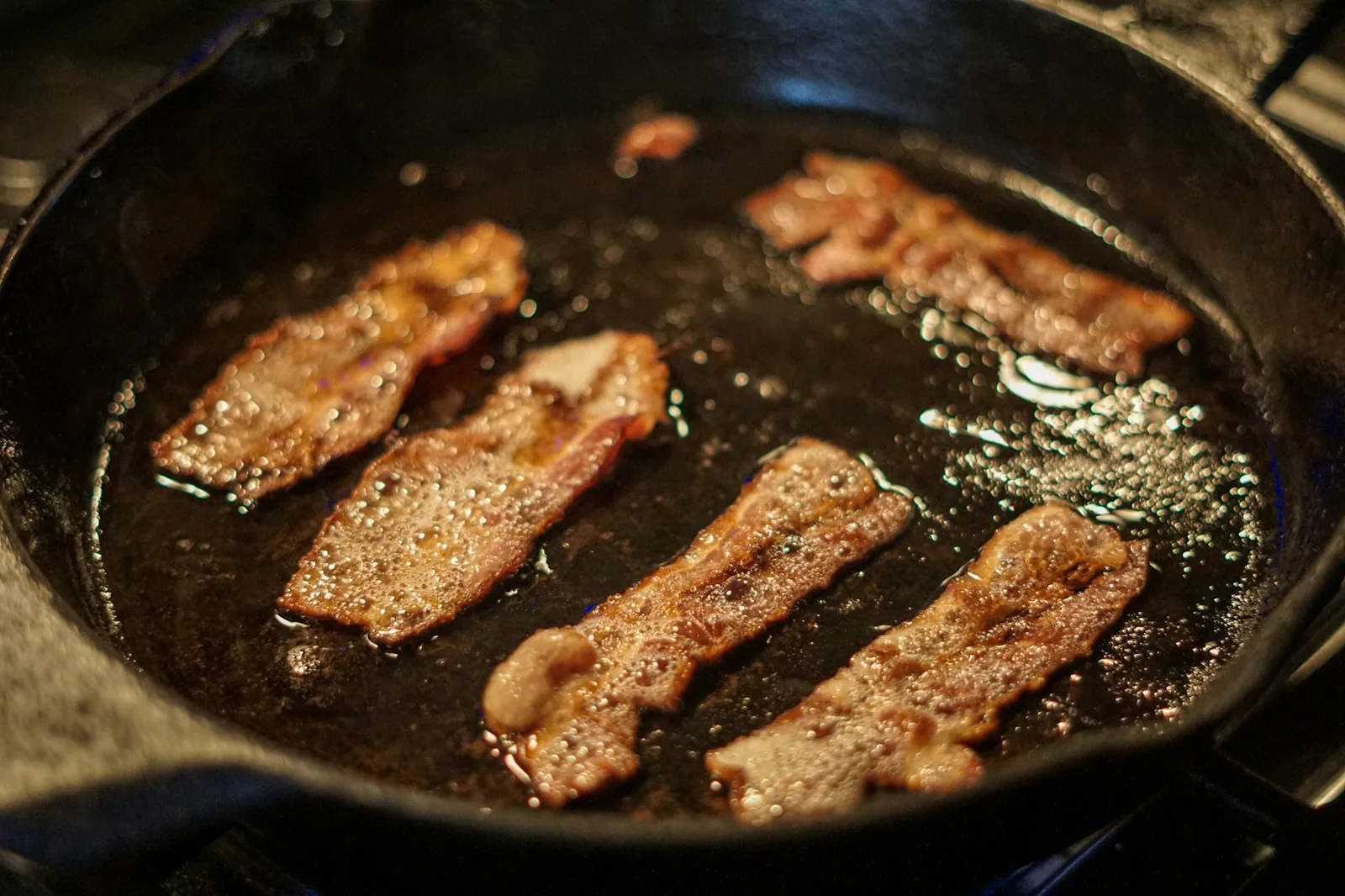
- It goes into a wide, heavy pot with enough lard to cover it. Traditionally a copper cazo, which spreads heat evenly.
- It cooks gently for hours. Not frying: the fat stays well below frying temperature and the meat poaches in it.
- Near the end the heat is raised, or the meat is lifted out and returned briefly, so the outside browns and crisps.
- It is chopped or pulled to order, mixing crisp edges through soft interior.
Some cooks add orange, milk, cola or condensed milk near the end. These are sugar sources, and their job is browning — sugar caramelises where plain meat would simply dry. It is a technique, not a sweetener.
Where they come from
Carnitas are strongly associated with Michoacán, and specifically with the town of Quiroga. Mexico News Daily’s account of the dish records Quiroga’s claim as the birthplace and its self-description as the world capital of carnitas, with the tradition tied to Vasco de Quiroga, the first bishop of Michoacán, and developed over centuries alongside Purépecha cooking.
As with most origin stories in Mexican food, more than one town claims it — Santa Clara del Cobre is the other candidate, which is unsurprising given it is a copper-working town and the cazo is copper. We are not going to adjudicate that.
How to order them
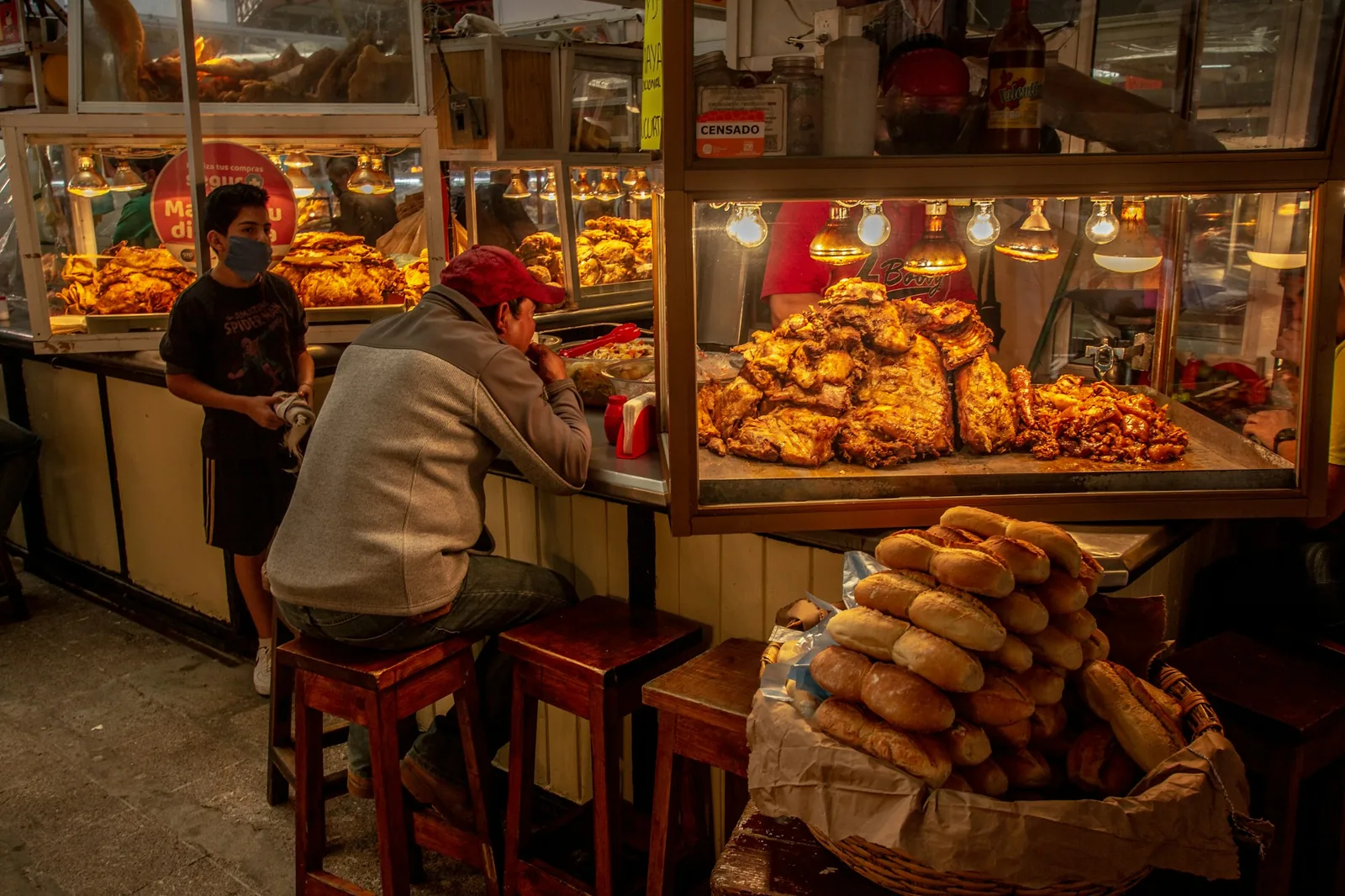
The thing worth knowing is that carnitas are not uniform. Different parts of the pig go into the pot and they come out differently, and a good carniceria will ask which you want.
| If you ask for | You get | Texture |
|---|---|---|
| Maciza | Lean shoulder meat | The default; soft, meaty |
| Surtida | A mix of everything | Varied — the usual choice |
| Cuerito | Cooked skin | Soft and gelatinous |
| Buche / nana | Stomach | Chewy; for the initiated |
| Costilla | Rib meat | Richer, some bone |
If you are new to it, ask for surtida and see what you like. Carnitas are also normally sold by weight rather than by the taco, which catches people out — a kilo feeds several.
How to tell good carnitas from bad
Because the technique is slow and the shortcuts are obvious, carnitas are unusually easy to judge.
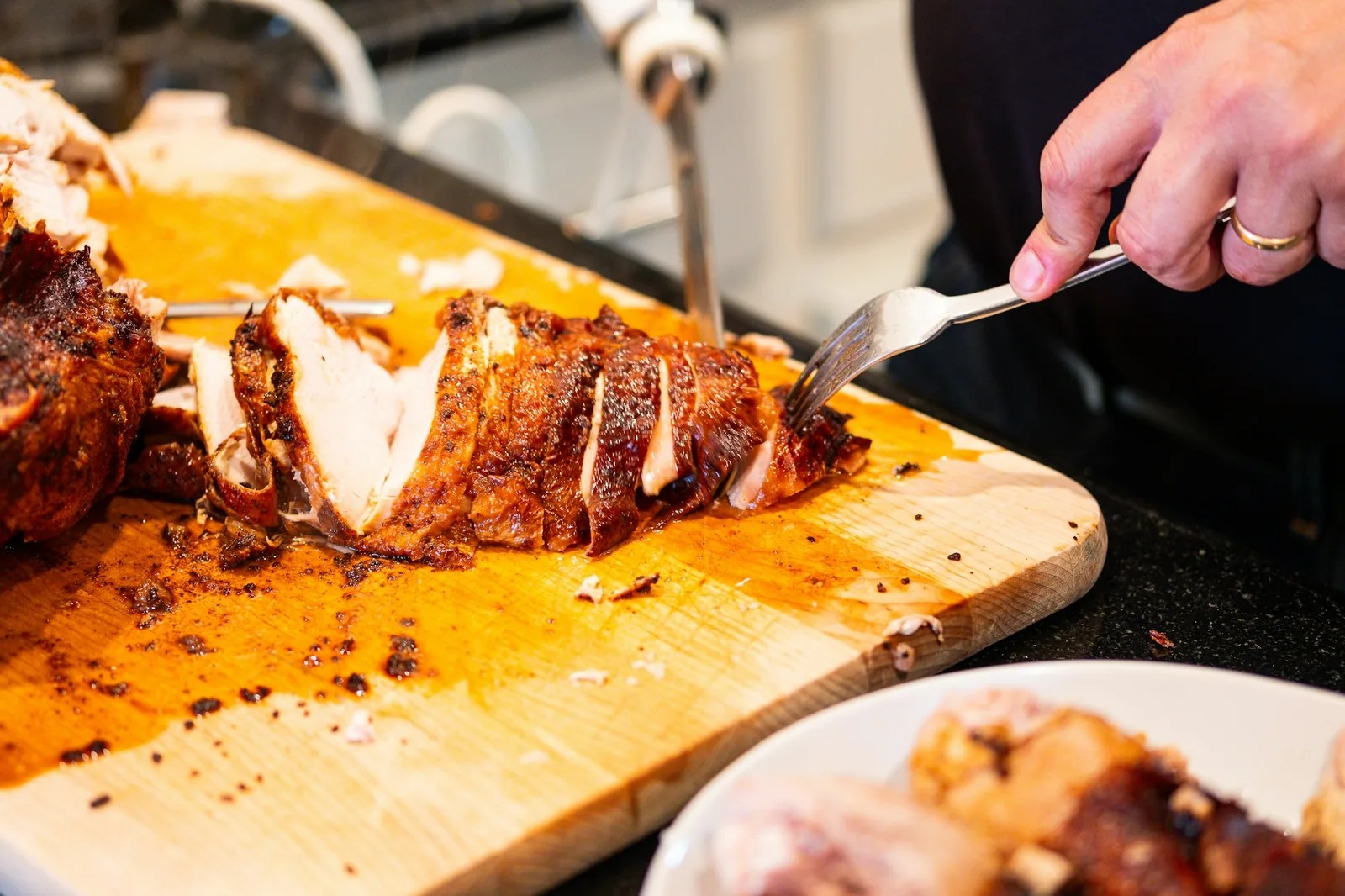
- There should be crisp edges and soft interior in the same mouthful. If everything is uniformly soft, it was braised in liquid rather than confited. If everything is crisp, it was fried hard at the end to disguise dryness.
- It should not be swimming. Carnitas are lifted out of the fat, not served in it.
- It should taste of pork. Heavy seasoning usually means the pork itself is not carrying the dish.
- Turnover matters. Carnitas reheat badly — the crisp edges soften and do not come back. A busy counter is a better bet than a quiet one.
A shop that sells out by early afternoon and closes is usually a good sign rather than an inconvenience.
Carnitas against the other pork
Mexican menus often carry two or three pork preparations at once, and they are genuinely different foods.
- Carnitas — confit in lard. Soft with crisp edges, mildly seasoned, pork-forward.
- Al pastor — marinated in chillies and achiote, cooked on a vertical spit. Sweet-spiced and quite different; see our al pastor guide.
- Chicharrón — fried skin, either as a crisp snack or stewed soft in salsa.
If you are ordering a spread, carnitas and al pastor make a better pair than either does with itself — one plain and rich, one marinated and sweet.
A note on Doc’s
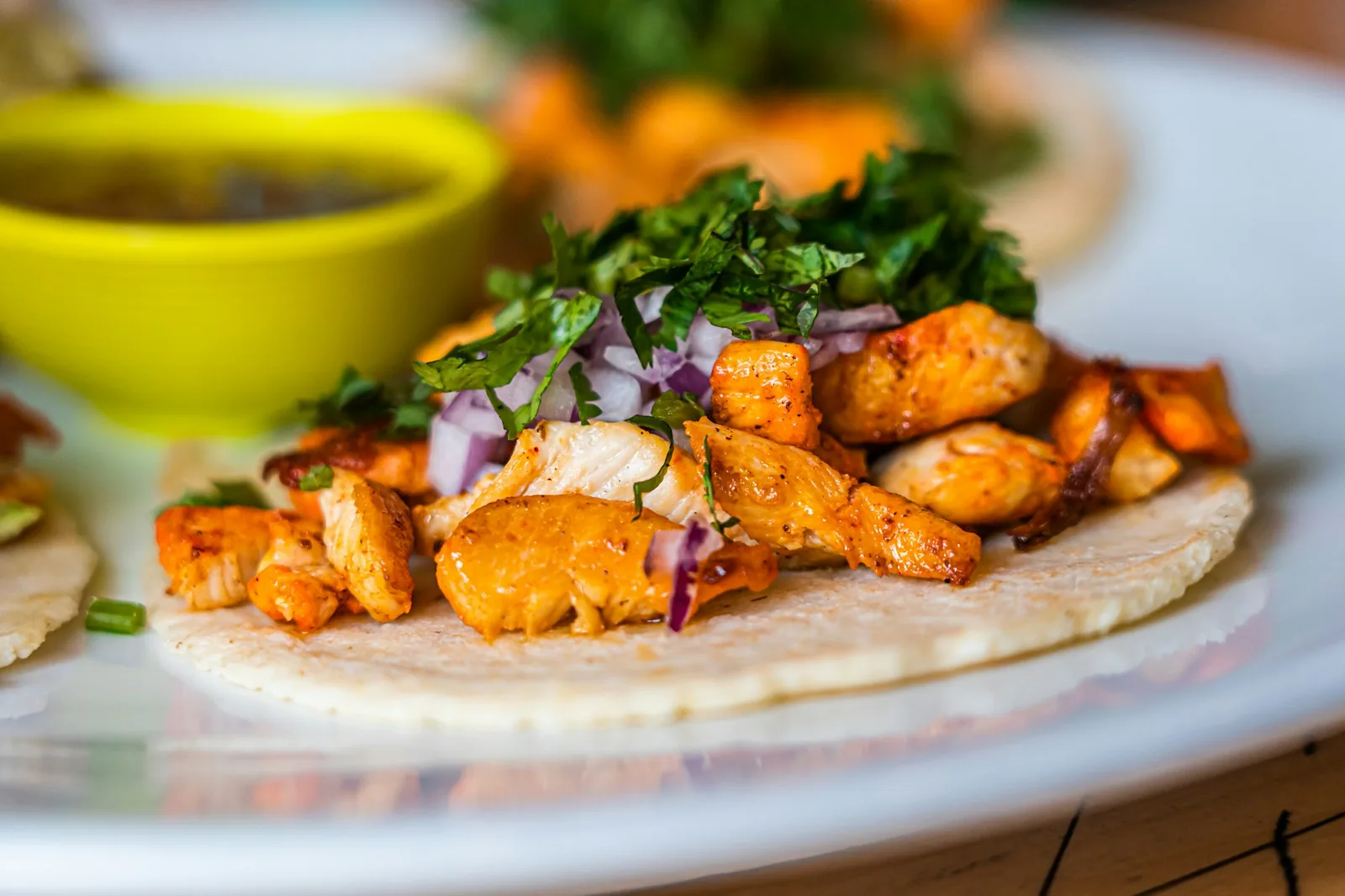
Carnitas were not on Doc’s board. The shop’s pork was al pastor, and our guide to what al pastor is covers what that meant there. Carnitas appear here because our own street taco guide lists them in its table of common fillings, and it seemed poor form to name a filling repeatedly and never explain it.
Doc’s Taco Shop did not serve this. The shop ran three meats across its whole board — pollo, al pastor and bistek — and closed permanently on 19 July 2025. This article is here because our own guides kept mentioning the dish without ever explaining it. You can read the full menu as Doc’s published it or look through the photo gallery.
Frequently asked questions
What does carnitas mean?
Little meats. It refers to the small pieces the cooked pork is chopped into before serving.
Are carnitas the same as pulled pork?
No, and the difference matters. Pulled pork is smoked or braised in liquid; carnitas are cooked slowly in fat, which is what gives them crisp edges alongside the soft interior.
What cut of pork is used for carnitas?
Usually shoulder, often with belly or rib added for fat. A good counter will also offer skin, stomach and rib as separate options.
Why do some recipes add cola or condensed milk?
For sugar, which helps the surface brown and crisp at the end of cooking. It is a browning technique rather than an attempt to sweeten the meat.
Are carnitas spicy?
No. They are seasoned very simply — often just salt — and the heat comes entirely from the salsa you add.
The short version
Pork, lard, hours, then heat. Carnitas are confit, not pulled pork, and that is the whole reason they have crisp edges. Ask for surtida, expect to buy by weight, and add your own heat.