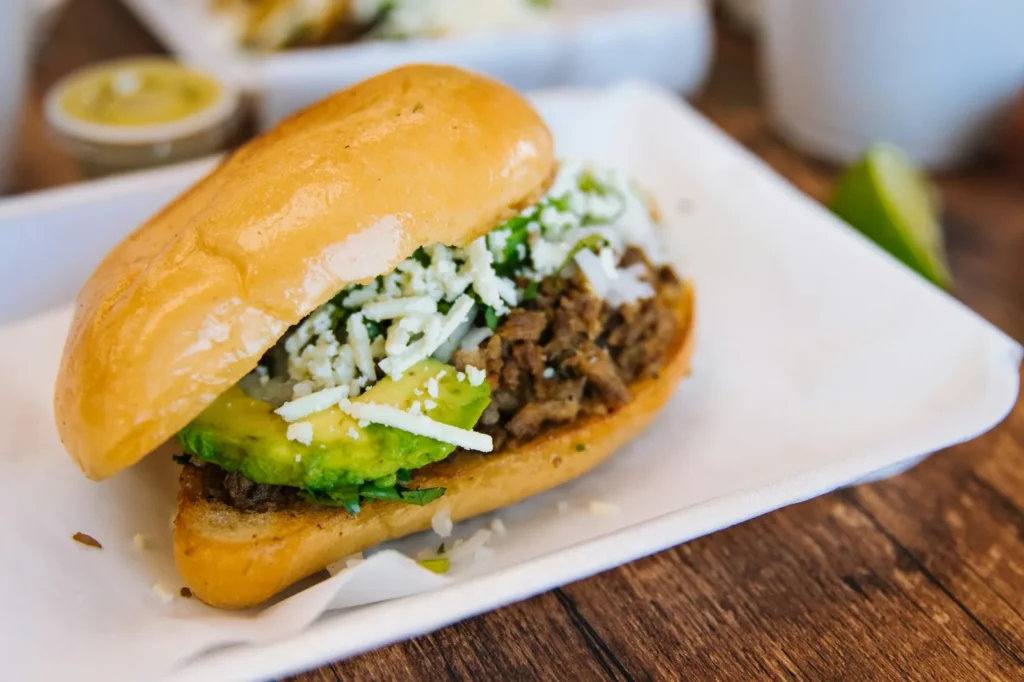
A torta is a Mexican sandwich, built on a crusty white roll and filled with meat, avocado, a fresh vegetable or two, and usually something pickled. It is a full meal in one hand, and it is far more common in Mexico than the taco-shop menus abroad would suggest.
The part most descriptions skip is the bread. A torta is not a sub with different fillings — the roll behaves differently, and that is the whole reason the sandwich works.
The bread is the point
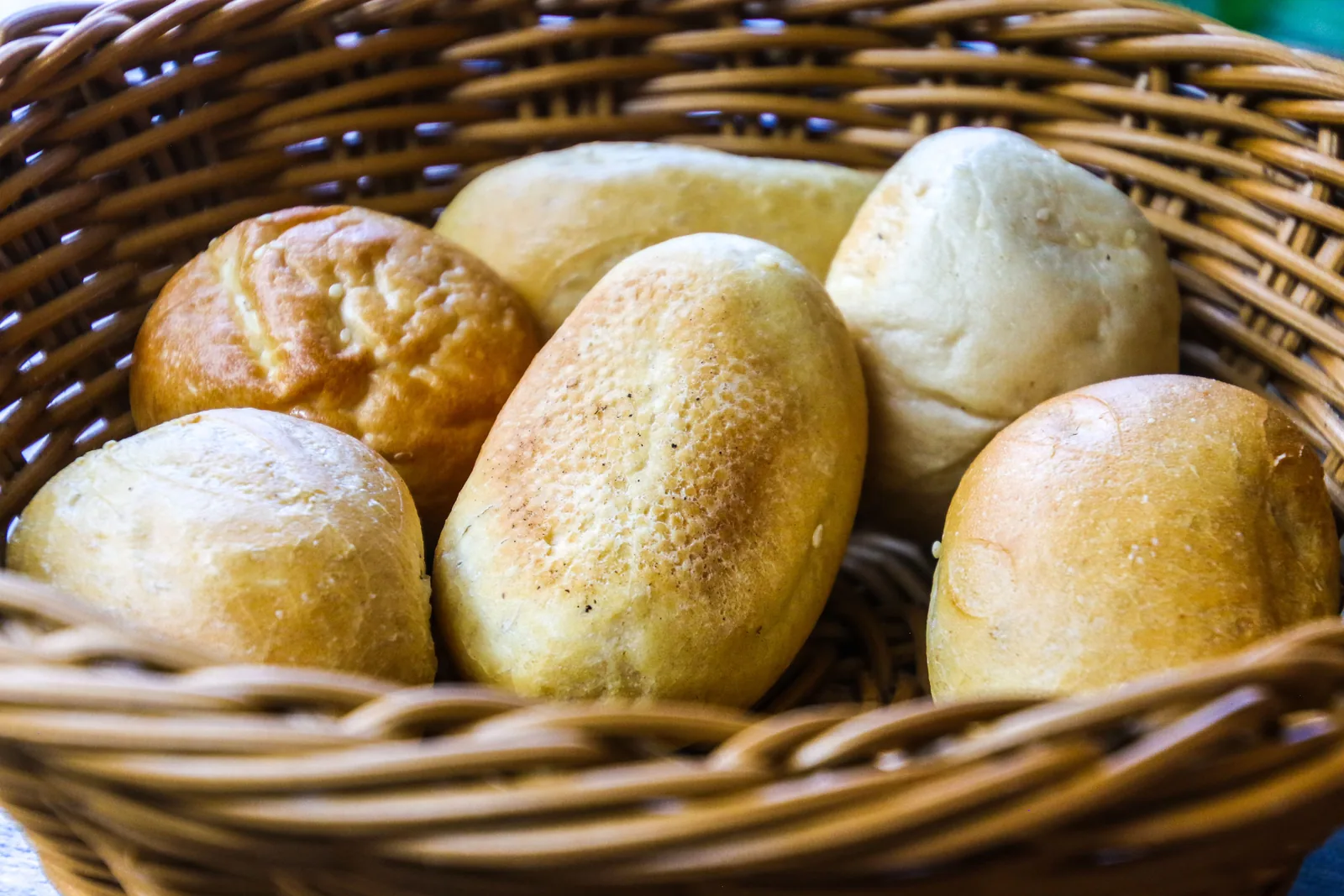
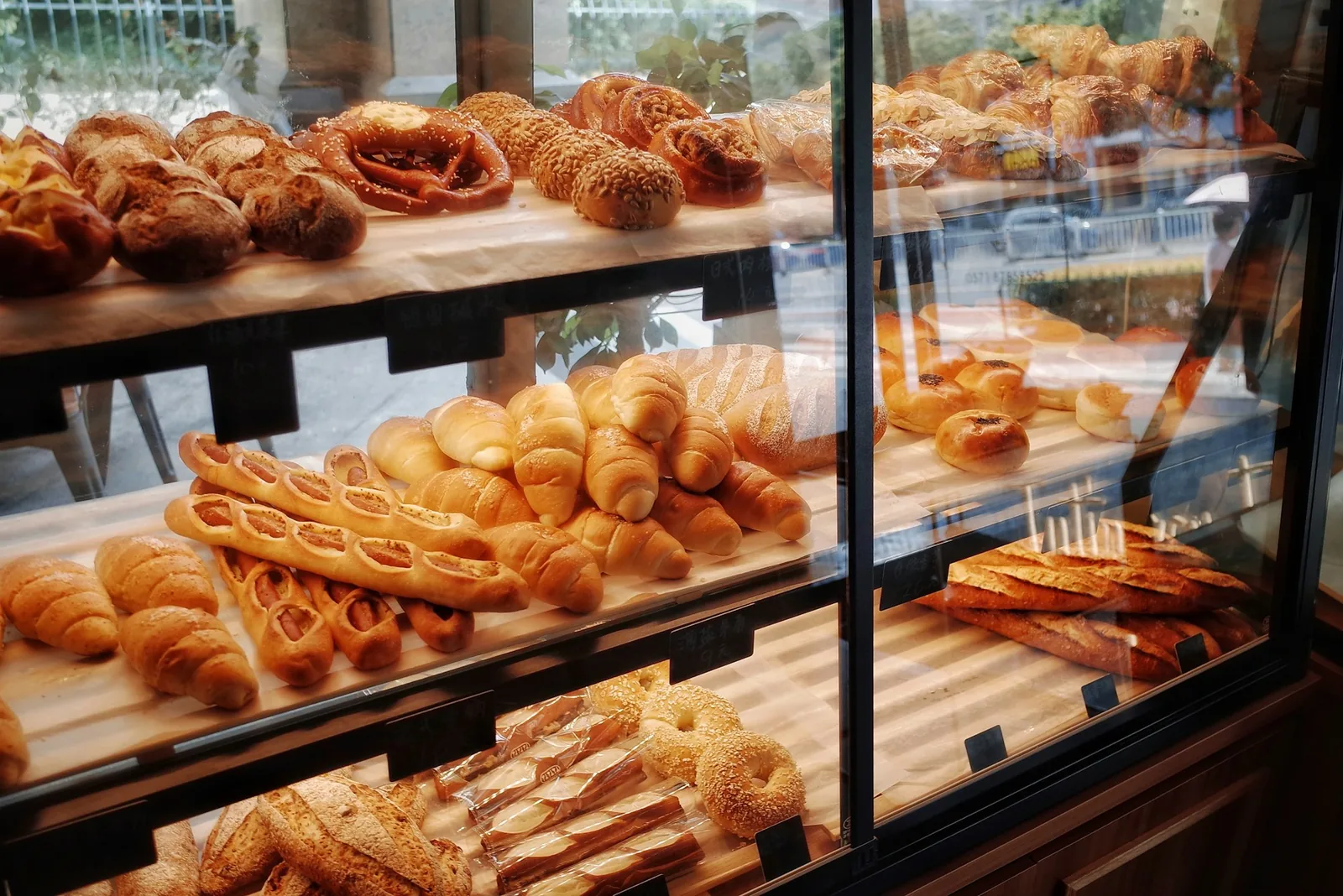
Tortas are built on a bolillo or a telera. Both are white wheat rolls with a thin, crisp crust and a light, dry, open crumb. Neither is sweet, and neither is soft the way a burger bun is.
| Roll | Shape | Crust | Typical use |
|---|---|---|---|
| Bolillo | Oval, tapered at both ends | Thin and crisp | Tortas, eaten with soup, torta ahogada |
| Telera | Rounder and flatter, with two creases across the top | Softer than a bolillo | Tortas, especially larger ones |
| Sub roll | Long, even | Soft, chewy | Not used for tortas |
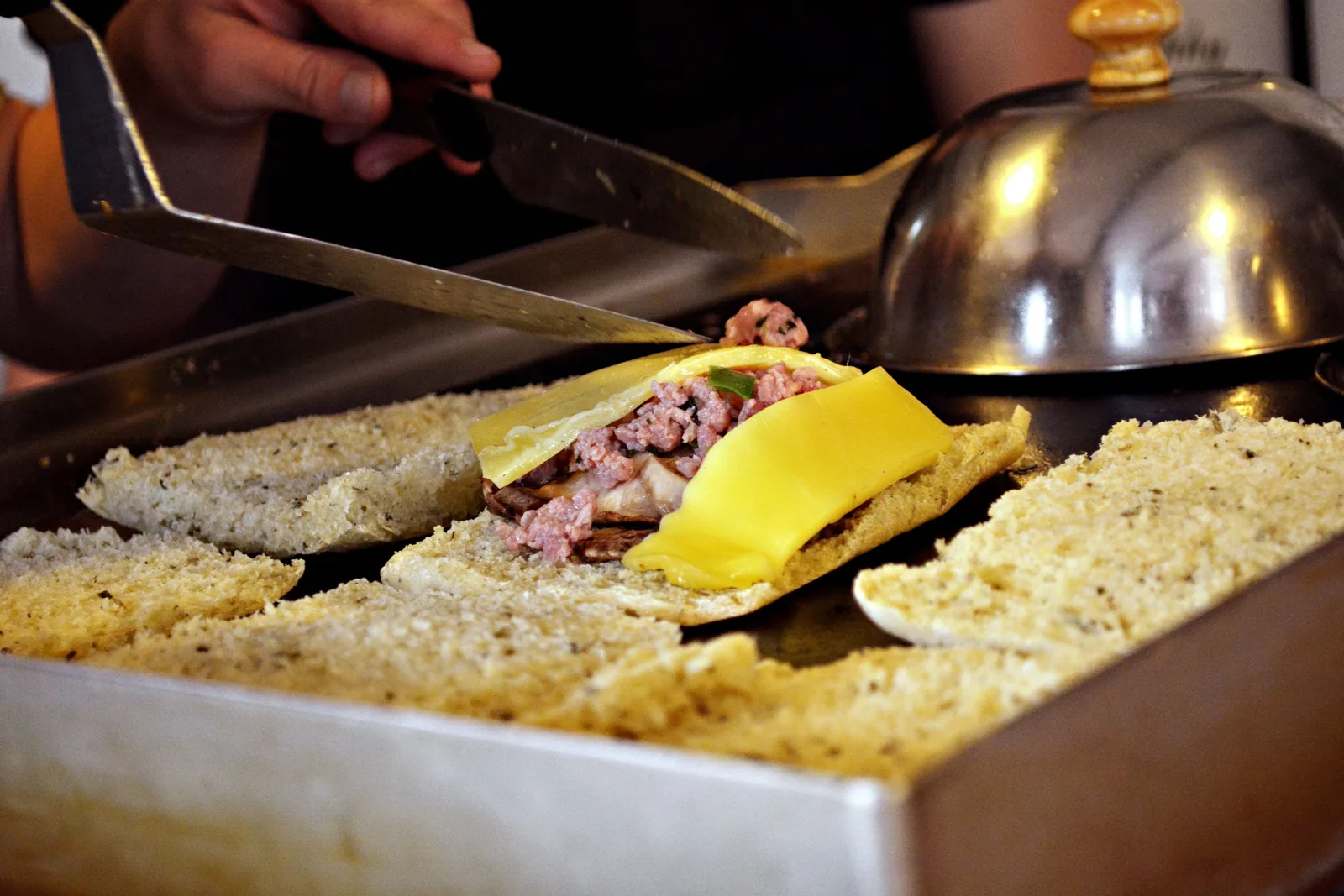
The dry crumb is doing structural work. A torta usually carries avocado, crema or mayonnaise, tomato and something wet and pickled. A soft, moist roll would collapse into that within minutes. A bolillo’s open crumb absorbs a certain amount and its crust holds the shape. Most taquerias also split the roll and toast it face-down on the griddle first, which firms up the cut surface even further.
Why Mexican bread looks French
The resemblance between a bolillo and a small baguette is not a coincidence. Wheat and European milling arrived in Mexico with the Spanish in the sixteenth century, but the specific crusty, baguette-style roll is generally traced to the French presence in Mexico in the 1860s.
The US State Department’s Office of the Historian records that Napoleon III installed Maximilian of Habsburg as Emperor of Mexico in 1863, with French forces present from 1862 until their staged withdrawal ending in 1867. French military bakers came with them, and the baguette technique they brought was adapted locally into the smaller, sturdier rolls that Mexican bakeries have made ever since.
What goes inside
Fillings vary enormously by region and by shop, but the assembly is usually the same order.
- A spread — mayonnaise, crema, refried beans, or some combination, on one or both cut faces.
- The meat — whatever the shop is already cooking. Milanesa (breaded cutlet), carne asada, al pastor, ham, or shredded chicken.
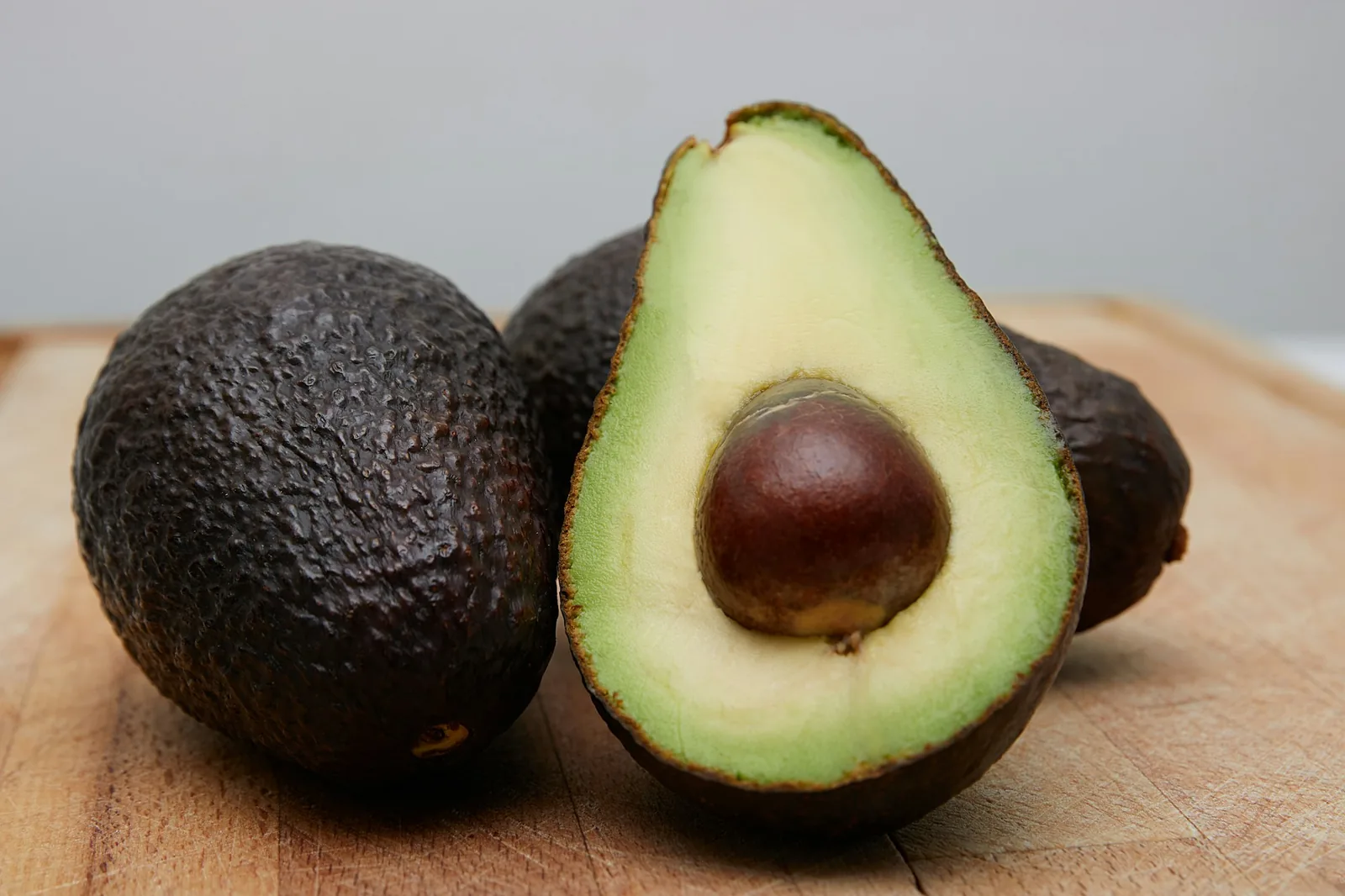
- Avocado — sliced or mashed. Close to universal.
- Fresh vegetables — tomato, lettuce or cabbage, raw onion.
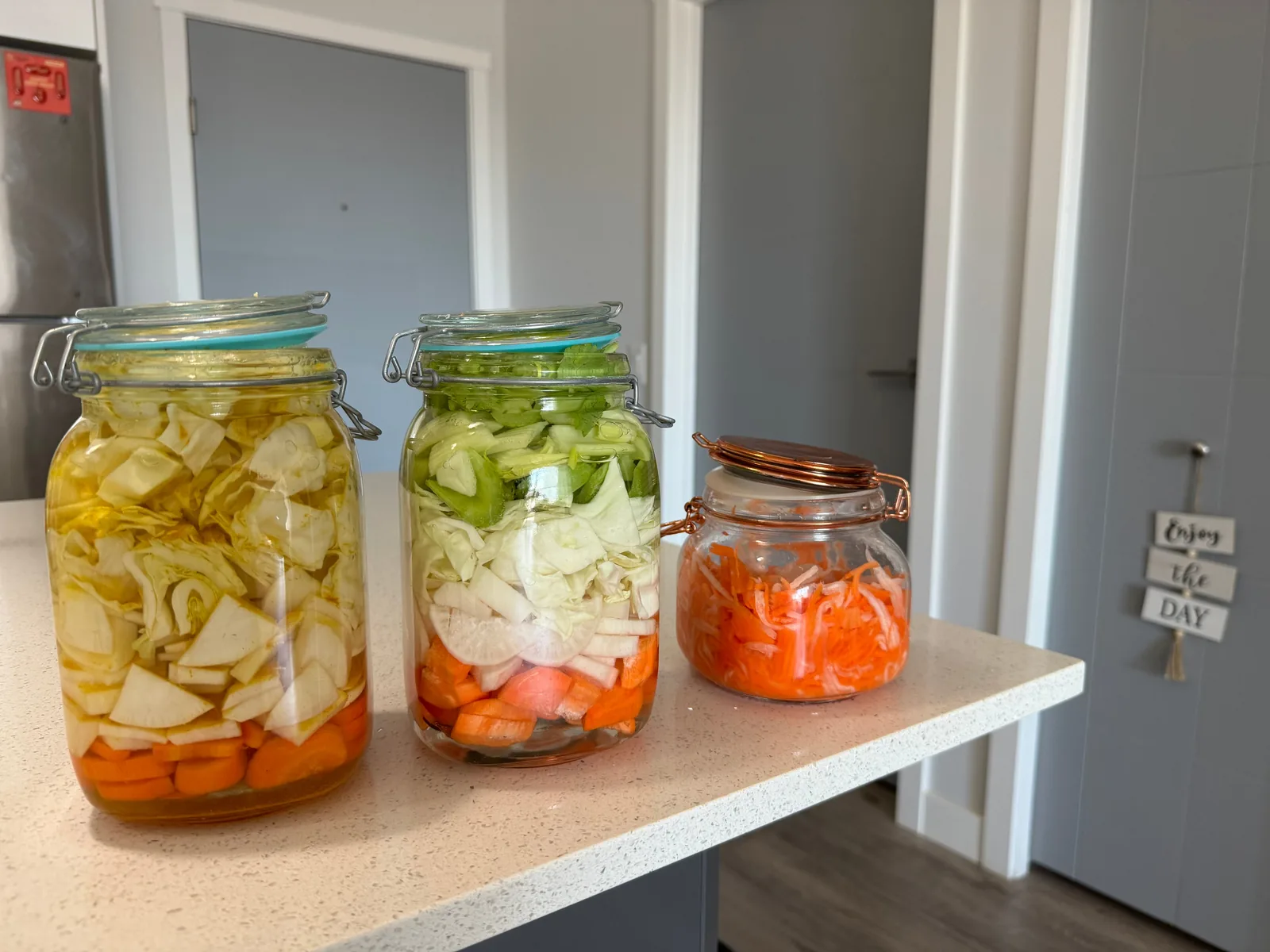
- Something pickled — almost always jalapeños en escabeche, often with the carrots they were pickled alongside.
That last item is the one people underestimate. The pickled chilli is not a garnish; it is the acid that stops a rich sandwich becoming monotonous halfway through.
The tortas worth knowing by name
Because the filling is open-ended, most named tortas are named for what goes in them or what is done to them afterwards.
| Name | What it is |
|---|---|
| Torta de milanesa | Breaded, fried thin cutlet — beef or chicken. Probably the most ordered torta in Mexico |
| Torta ahogada | A Guadalajara speciality: drowned in thin chilli sauce and eaten with a fork |
| Torta cubana | Nothing to do with Cuba — a Mexico City everything-in-it torta with several meats at once |
| Guajolota | A torta with a tamal inside it. A Mexico City breakfast, and exactly as substantial as it sounds |
| Torta de jamón | Ham. The plain, reliable option on most boards |
None of these are obscure — a torteria of any size will make most of them, and the names are used consistently enough that ordering by name works.
Torta, taco, burrito: which is which
| Dish | Built on | Eaten | Rough size |
|---|---|---|---|
| Street taco | Small corn tortilla | Two hands free, 3-4 bites | Order several |
| Torta | Crusty wheat roll | One hand, over several minutes | One is a meal |
| Burrito | Large flour tortilla, wrapped | One hand, wrapped end first | One is a meal |
If you are choosing between them, the practical difference is bread versus tortilla. We compare the tortilla options in corn versus flour tortillas, and if you are new to the small-taco format, our street taco guide covers it.
Ordering one
Tortas are large and dense, and they are assembled to order, so a few things are worth knowing before you ask.
- One is a meal. Do not order a torta as a side alongside tacos unless you are sharing it.
- Ask for it toasted if it is not automatic. A griddled bolillo holds together far better under avocado and tomato.
- Say if you want the chillies out. Pickled jalapeños usually go in by default, and they carry most of the heat.
- Eat it soon. The bread’s advantage over a soft roll is real but it is not indefinite — a torta that sits for an hour is a different sandwich.
If you are ordering for a group and mixing formats, our guide to how much food to allow per person is built for exactly that arithmetic.
The torta at Doc’s Taco Shop
Doc’s listed its torta on the 2023 board as a Mexican Sandwich: a choice of meat on a toasted bolillo with cilantro, tomatoes, avocado, mayo, pickled jalapeños and cabbage. The three meats the shop offered were pollo, al pastor and bistek, so the torta could be built with any of them.
That build is a textbook torta — toasted bolillo, a spread, meat, avocado, fresh vegetables and a pickled chilli. The cabbage in place of lettuce is the same regional habit that showed up on the shop’s street tacos. If you want the background on those meats, we have separate guides to al pastor and bistek.
Doc’s Taco Shop closed permanently on 19 July 2025 after five years in business. The menu details above are transcribed from the restaurant’s own published menu board and are recorded here as history. You can still read the full menu as Doc’s published it or read how the shop came about.
Frequently asked questions
What is the difference between a torta and a sandwich?
A torta is a sandwich — the word is just the Mexican term for one. What distinguishes it is the bread: a crusty, dry-crumbed bolillo or telera roll rather than sliced bread or a soft bun.
What does torta mean in Spanish?
It varies by country, which causes real confusion. In Mexico it means this sandwich. In Spain and much of South America the same word means a cake or a round flatbread.
Is a torta the same as a Cuban sandwich?
No, though they are relatives. A Cubano is pressed, uses a specific Cuban bread, and has a fixed filling of roast pork, ham, cheese, pickle and mustard. A torta has no fixed filling and is not usually pressed flat.
What is a torta ahogada?
A Guadalajara speciality: a torta, usually filled with pork, then drowned in a thin chilli-tomato sauce and eaten with a fork. The bolillo’s firm crust is what makes it survive the soaking.
Are tortas spicy?
Not inherently. The heat comes from the pickled jalapeños, which you can ask to leave out.
The short version
A torta is a Mexican sandwich on a crusty bolillo roll: a spread, a meat, avocado, something fresh and something pickled. The bread is what separates it from every other sandwich, and the bread came from a French occupation in the 1860s that Mexican bakeries quietly outlasted.
Doc’s version is recorded on the archived menu page.