
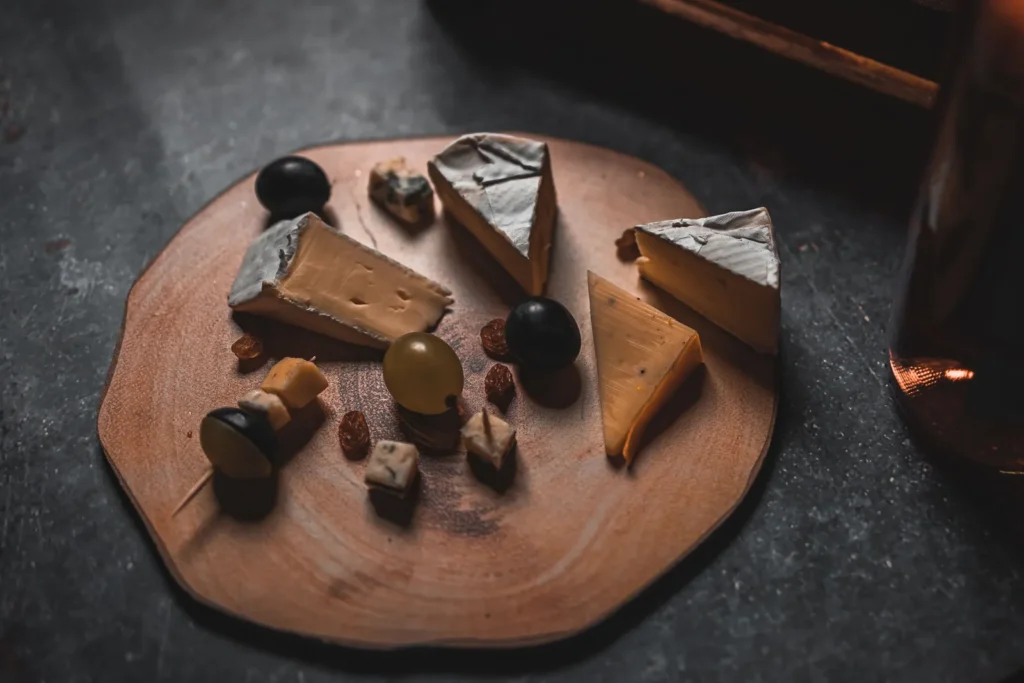
Mexican cheeses divide into two useful groups: the ones that melt and the ones that deliberately do not. Nearly every question about which cheese to use is answered by that single property.
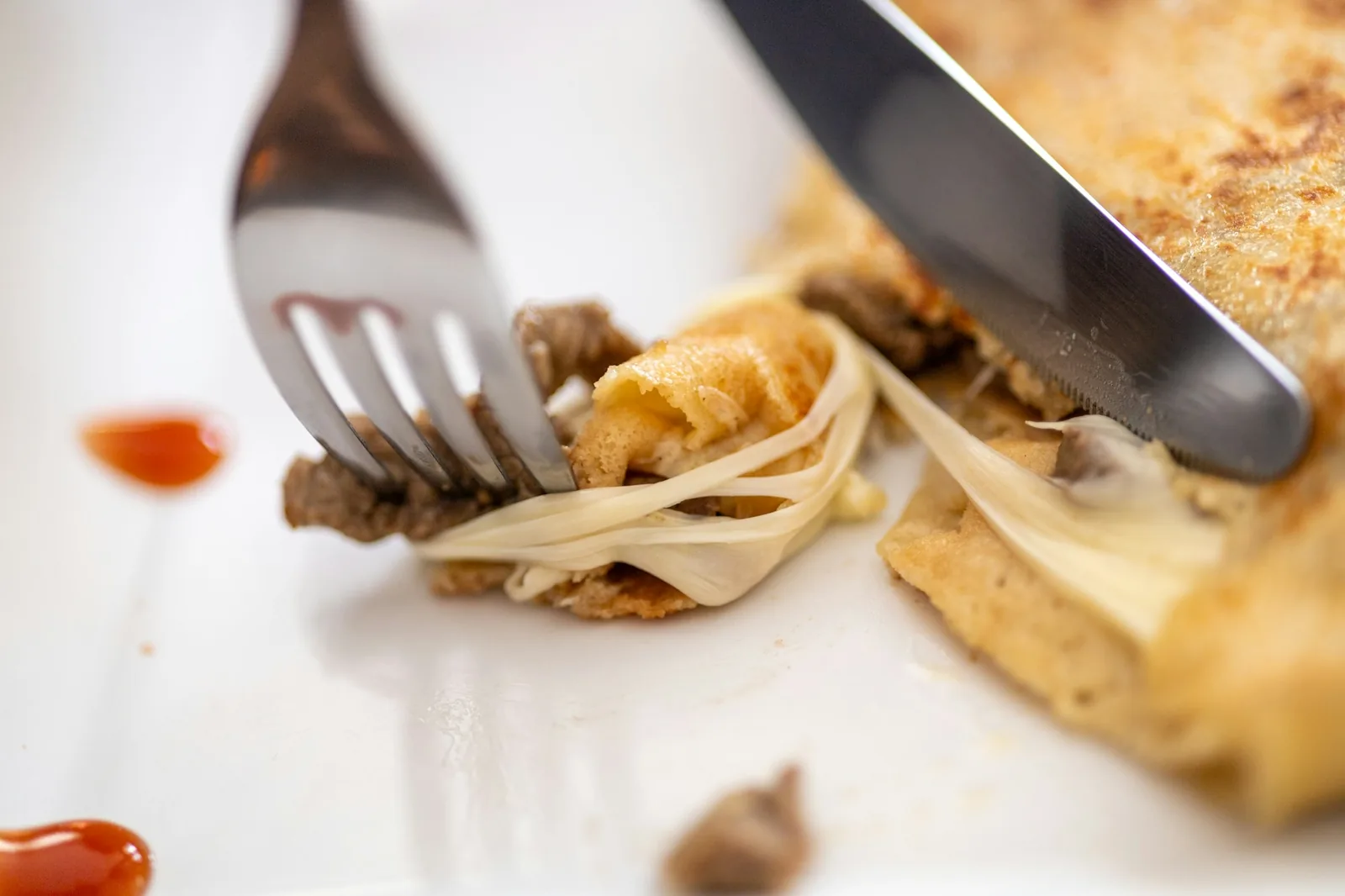
Queso Oaxaca melts and stretches. Cotija and queso fresco hold their shape under heat, which is exactly why they are crumbled over hot food instead of into it.
The five you will actually meet
| Cheese | Texture | Melts? | Used for |
|---|---|---|---|
| Queso fresco | Soft, moist, mildly salty | No — softens only | Crumbled over tacos, beans, salads |
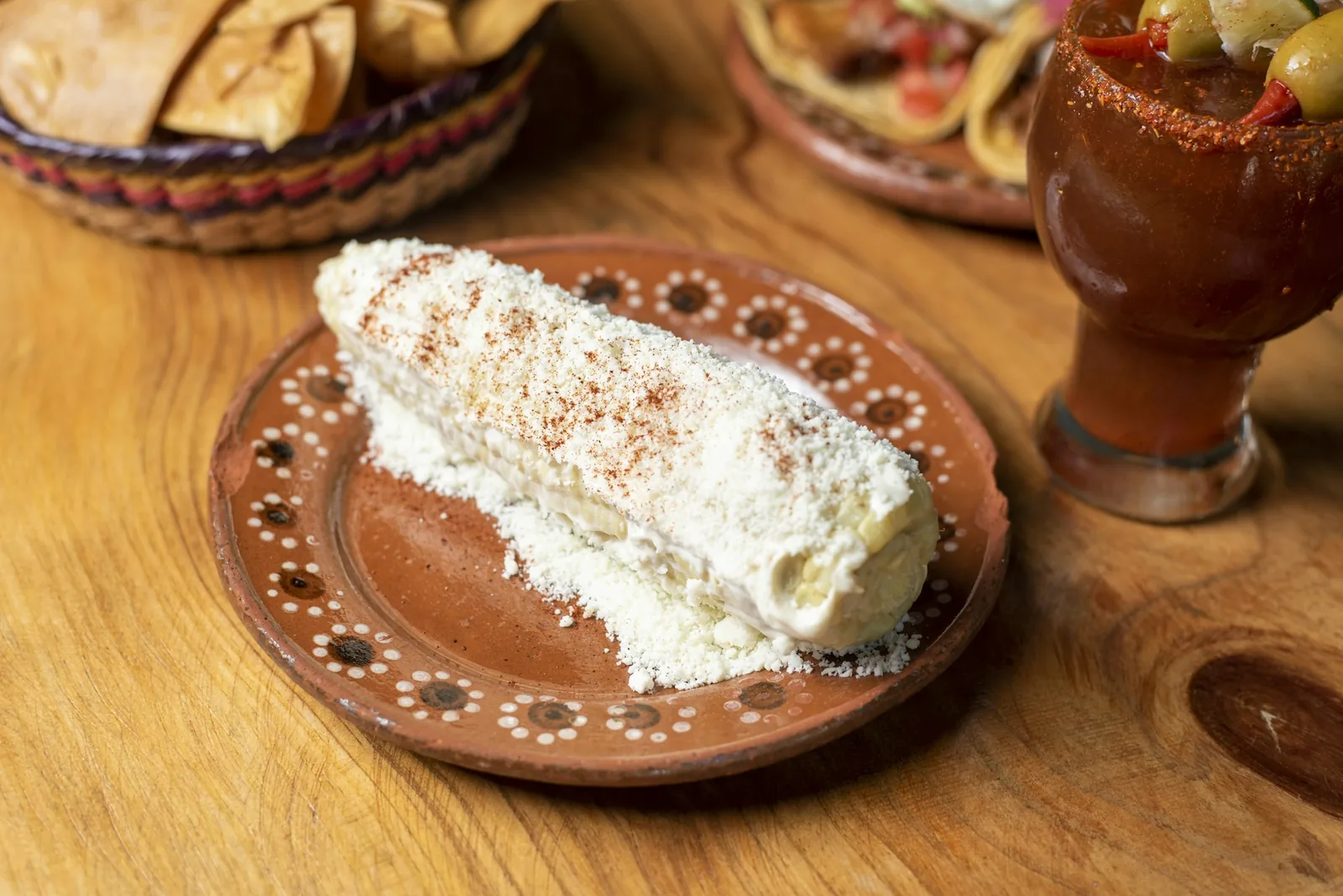
| Cotija | Dry, hard, very salty | No | Grated or crumbled over elote, soups, beans |
| Queso Oaxaca | Stretchy, pulled into a ball of ribbons | Yes | Quesadillas, anything melted |
| Panela | Firm, springy, very mild | No — grills instead | Sliced and griddled, salads |
| Asadero / Chihuahua | Semi-soft, buttery | Yes | Melted dips, queso fundido |
Why some of them refuse to melt
It comes down to how the curd was set and how much acid is in it. Fresh, acid-set cheeses have a protein structure that tightens rather than flows when heated, so they soften, weep a little moisture and keep their shape. Stretched-curd cheeses like Oaxaca were kneaded warm, aligning the proteins into fibres that slide past each other when hot — which is the pull you see in a quesadilla.
This is specified rather than merely observed. The USDA Agricultural Marketing Service’s Commercial Item Description for queso blanco sets out the requirement directly: when heated, the body shall become soft and lose its shape, but shall not melt, stretch or run. Not melting is the specified behaviour, not a shortcoming.
Cotija is called the Parmesan of Mexico for a reason
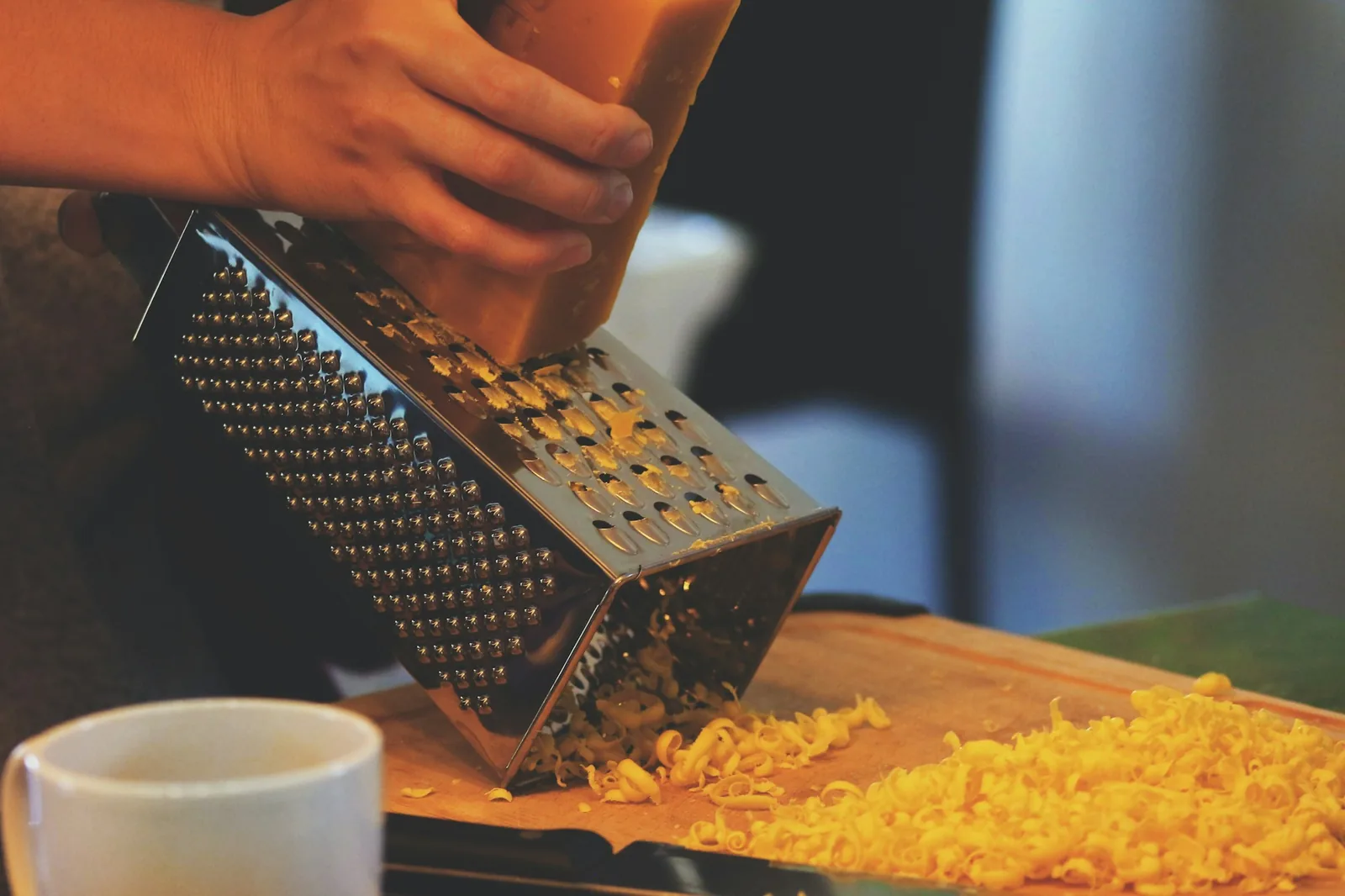
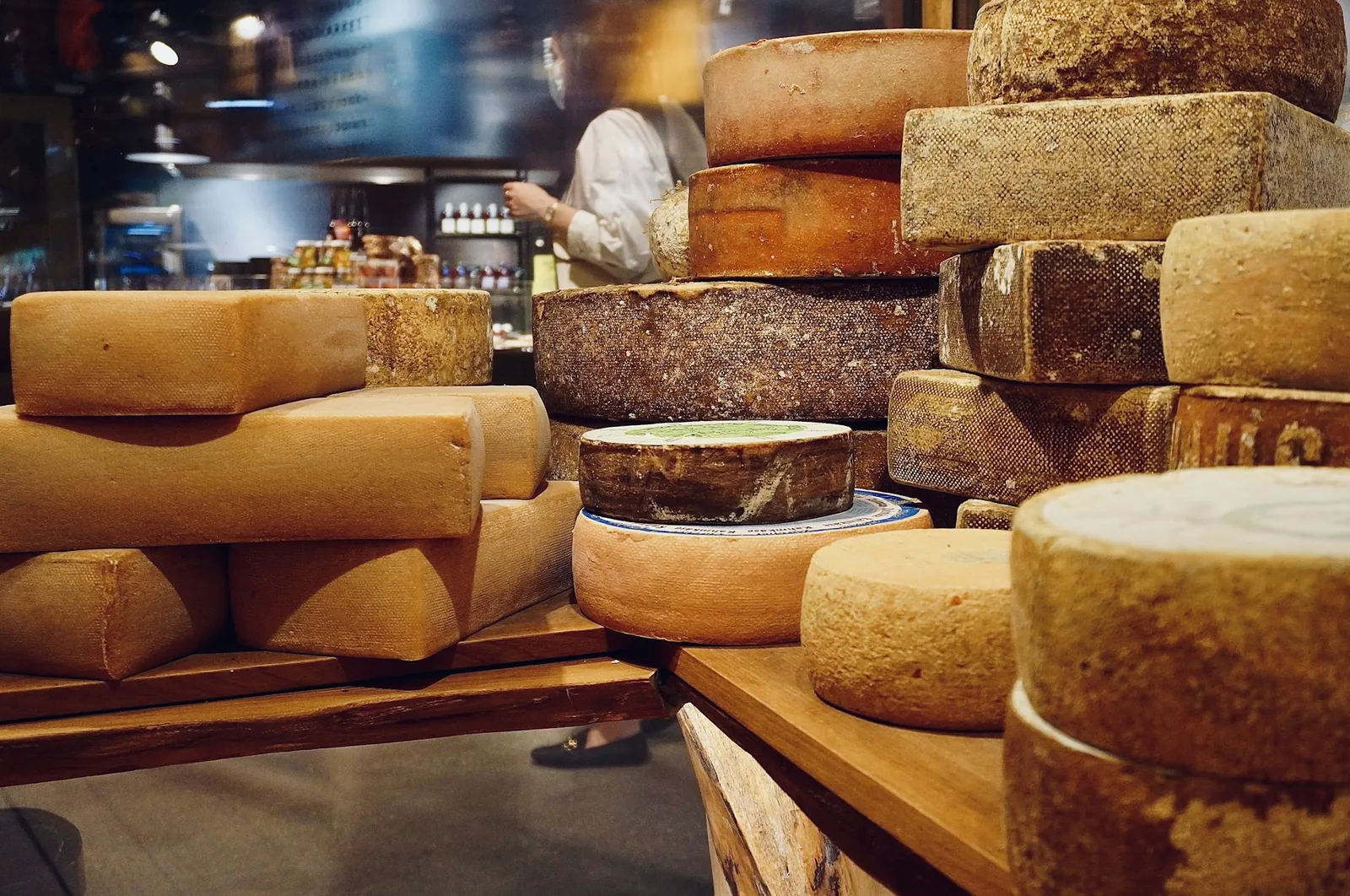
Cotija takes its name from the town of Cotija in Michoacán. It is aged — anywhere from about three months to a year — and the longer it ages the harder, drier and saltier it becomes. That profile is close enough to Parmesan that the comparison is the standard shorthand for it.
Which explains something that looks like an error on a lot of American menus and is not. A kitchen that grates Parmesan over elote instead of cotija has substituted a hard, salty, non-melting aged cheese for another hard, salty, non-melting aged cheese. The function is preserved. It is the same logic behind mozzarella standing in for Oaxaca — both are stretched-curd cheeses that melt into strands. We put that pattern in context in our Tex-Mex versus Mexican comparison.
Fresh versus aged, and why it matters for safety
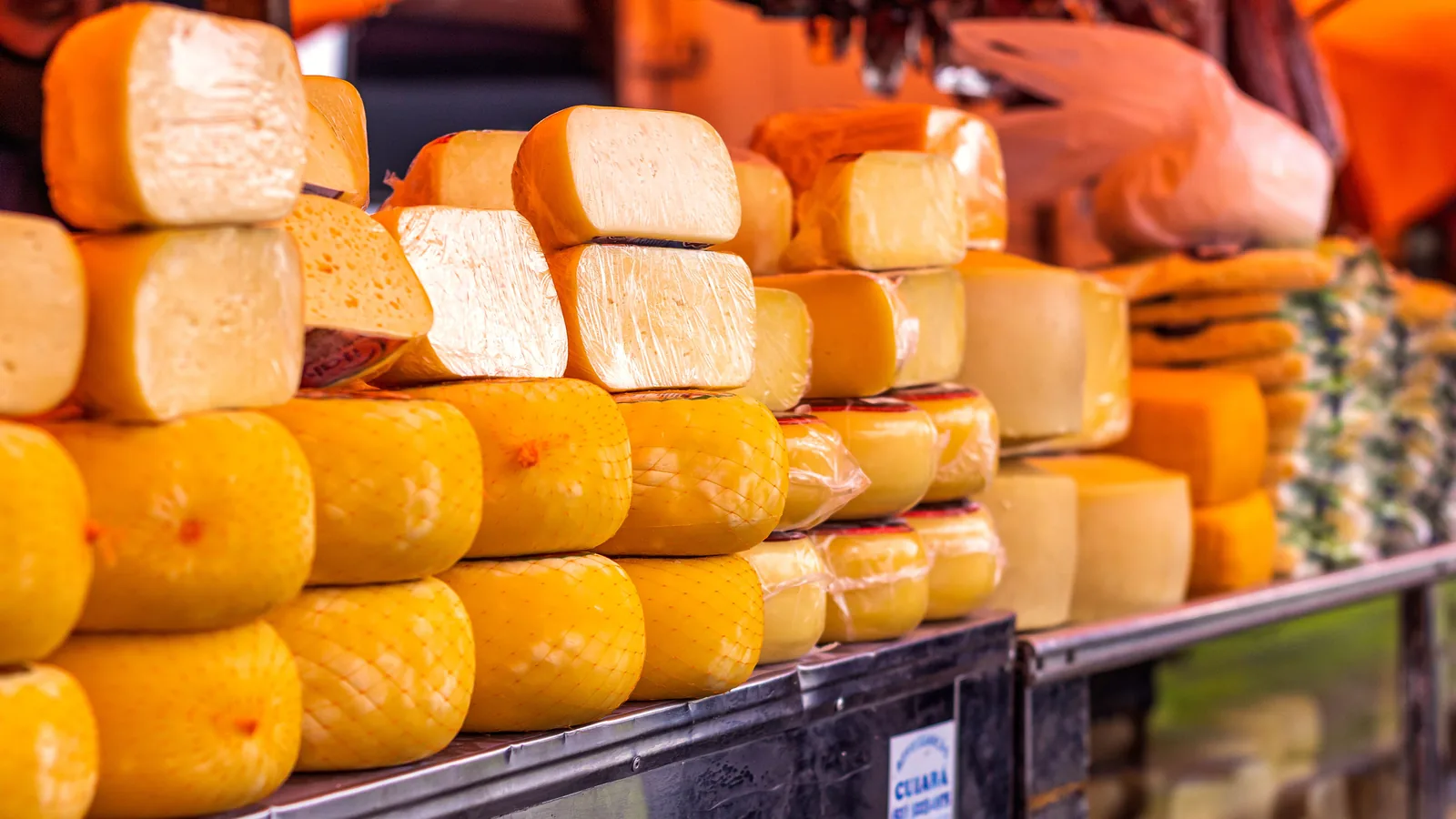
The fresh cheeses on that list — queso fresco, panela, Oaxaca — are exactly that: fresh, high in moisture, and not aged long enough to develop much protection of their own. They are best eaten within days, and they should be kept properly cold.
This is also where the one genuine safety caveat sits. Fresh cheeses made from unpasteurised milk have been repeatedly linked to listeria outbreaks, which is why unaged raw-milk cheese is restricted in the United States. Commercially produced Mexican-style cheese sold in US shops is made from pasteurised milk and is not the concern; cheese brought back informally, or bought from an unlicensed seller, is a different question. The label will say.
Aged cotija is a lower-risk product for the same reason it is saltier and harder: time and salt make it inhospitable.
Substituting, if you cannot find them
- For cotija — Parmesan or a dry feta. Feta is tangier, so use a little less.
- For queso fresco — a mild feta rinsed to cut the salt, or fresh farmer’s cheese.
- For queso Oaxaca — low-moisture mozzarella. It is essentially the same style of cheese.
- For panela — halloumi, which behaves the same way on a griddle, though it is considerably saltier.
- For asadero — Monterey Jack, or a mild young cheddar if melting is all you need.
The rule to carry: match the behaviour, not the name. A recipe asking for a crumbling cheese will fail with mozzarella no matter how Mexican the mozzarella is not.
What is not on this list, and why
Yellow cheddar and Monterey Jack are not Mexican cheeses. They are the cheeses of Tex-Mex, and their heavy use is one of the clearest markers separating the two cuisines. Nothing is wrong with them — a melted-cheese dip is a genuinely good thing — but they are not what a taqueria in Mexico would reach for.
It is also worth knowing that a street taco traditionally carries no cheese at all. If you are surprised by that, our guide to what actually goes on a street taco covers the short list.

The cheeses Doc’s Taco Shop used
Doc’s 2023 board named two cheeses: mozzarella and Parmesan. Mozzarella filled the suegrita and the quesadillas — the melting applications. Parmesan went on the chalupa, the elote and Keith’s Salad — the crumbling ones.
Read against the table above, that is a coherent kitchen: a stretched-curd cheese wherever a pull was wanted and an aged grating cheese wherever salt and texture were wanted, using the two most available cheeses in East Texas. The street tacos, correctly, carried neither.
Doc’s Taco Shop closed permanently on 19 July 2025 after five years in business. The menu details above are transcribed from the restaurant’s own published menu board and are recorded here as history. You can still read the full menu as Doc’s published it or look through the photo gallery.
Frequently asked questions
What is the most common Mexican cheese?
Queso fresco is the most widely used at home — a soft, mild, crumbling cheese scattered over almost anything. Queso Oaxaca is the most common melting cheese.
What Mexican cheese melts best?
Queso Oaxaca. It is a stretched-curd cheese, made much like mozzarella, and it melts into strands without turning oily. Asadero and Chihuahua also melt well.
What is the difference between cotija and queso fresco?
Age. Queso fresco is fresh, soft, moist and mild; cotija is aged, hard, dry and much saltier. Both crumble and neither melts, but cotija is far more assertive.
Can I use Parmesan instead of cotija?
Yes, and it is a good substitute. Both are hard, salty, aged and non-melting, which is why cotija is often described as the Parmesan of Mexico.
Is queso fresco safe to eat?
Commercially produced queso fresco made from pasteurised milk is. Cheeses made from unpasteurised milk carry a listeria risk, which is why they are restricted in the United States — check the label says pasteurised. Our dairy guide covers which cheeses are fresh and which are aged.
The short version
Learn which cheeses melt and you have learned Mexican cheese. Oaxaca and asadero melt; cotija, queso fresco and panela do not, by design. Substitutions work when they preserve that behaviour, which is why Parmesan for cotija and mozzarella for Oaxaca are sound swaps rather than compromises.