Refried beans are pinto beans simmered until soft, then mashed and fried once in fat. They are not fried twice, and never were — the English name is a mistranslation that has stuck for a century.
The Spanish is frijoles refritos. The prefix re- in Spanish is usually an intensifier meaning thoroughly or very well, not a repetition. Refritos means well fried.
The mistranslation, specifically
English re- almost always means again: rewrite, reheat, revisit. Spanish re- can do that too, but far more often it intensifies — rebueno is very good, not good again. Refrito follows the second pattern.
Dictionaries carry the dish under its Spanish name for this reason; Merriam-Webster’s entry for frijoles refritos records it as the borrowed term rather than treating the English gloss as accurate. In practice the beans are boiled, then mashed, then fried — a single frying, at the end.
It is a small thing, but it is the whole reason the dish confuses people who have made it and noticed they only fried it once.
How they are actually made
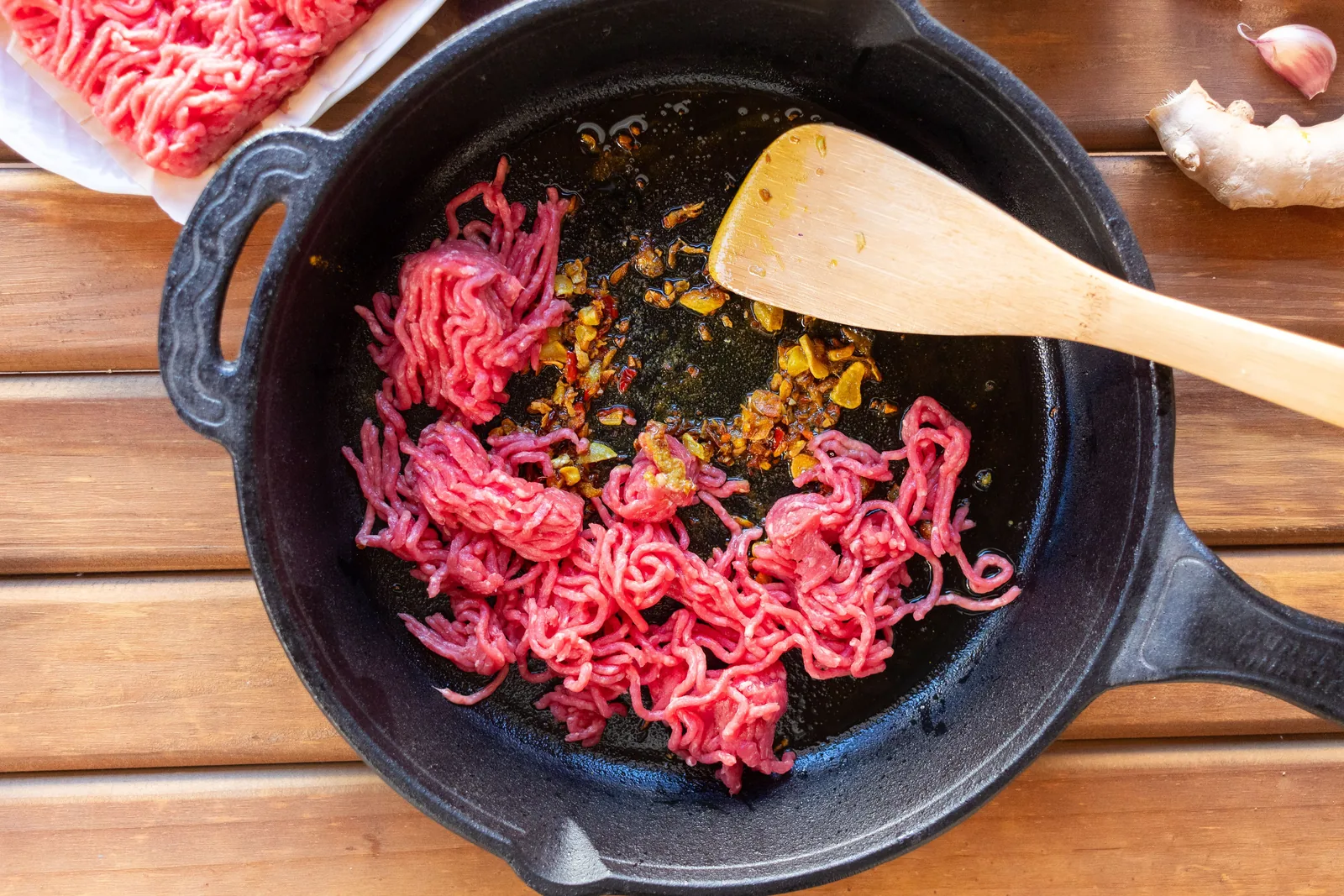
- Dried pinto beans are simmered slowly with onion, garlic and often a little fat, until completely soft. This takes hours and is where the flavour is built.
- A quantity of the beans is lifted out with some of their cooking liquid — that liquid is not discarded; it is the seasoning.
- Fat is heated in a wide pan. Traditionally lard; oil is common now.
- The beans go in and are mashed in the hot fat, with cooking liquid added gradually until the texture is right.
- They are cooked down until they hold their shape on a spoon.
The mashing-in-hot-fat step is the one that makes them refried beans rather than mashed beans. It is also why a good version tastes considerably richer than the ingredient list suggests.
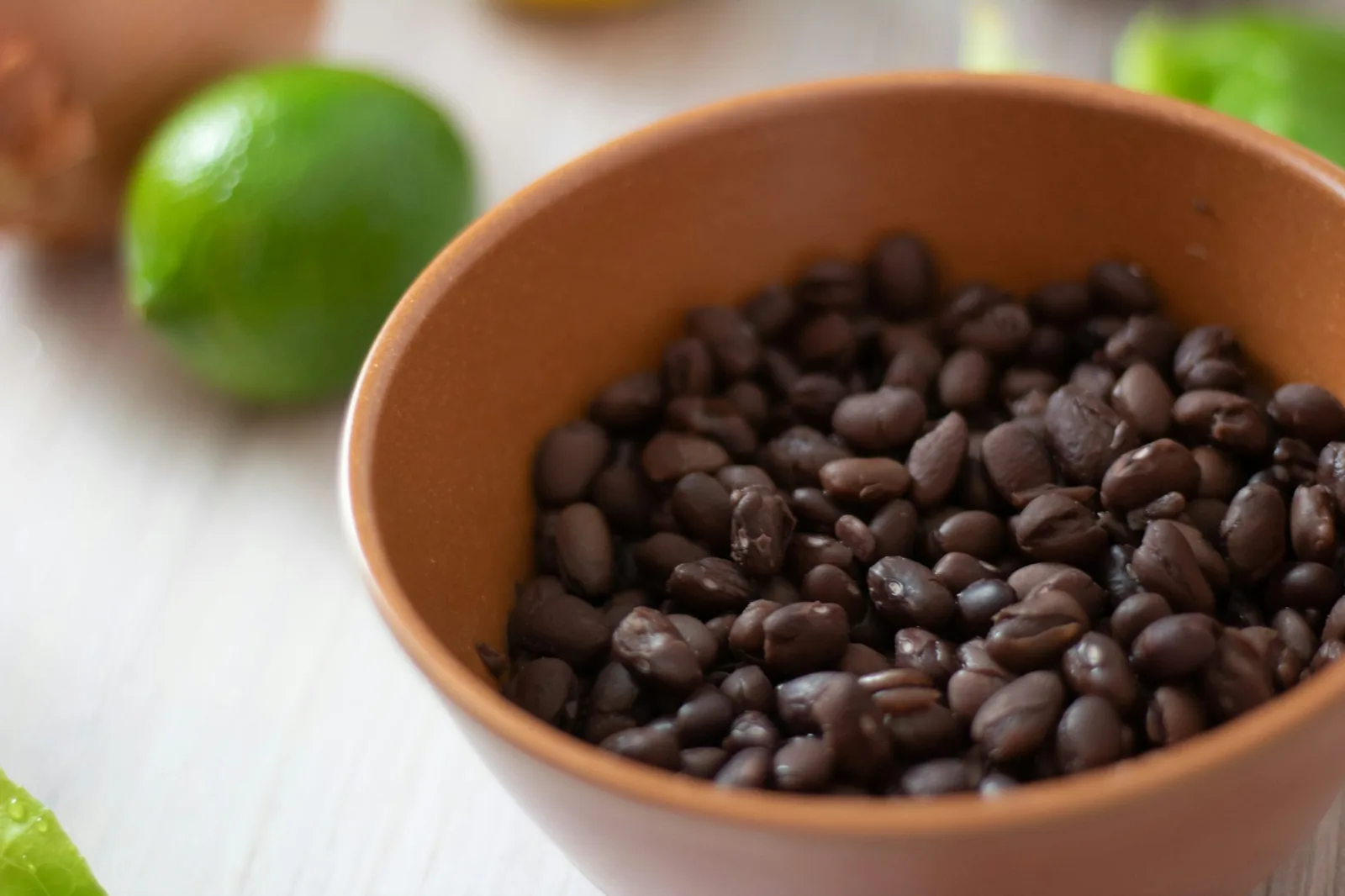
Which beans
| Bean | Where | Result |
|---|---|---|
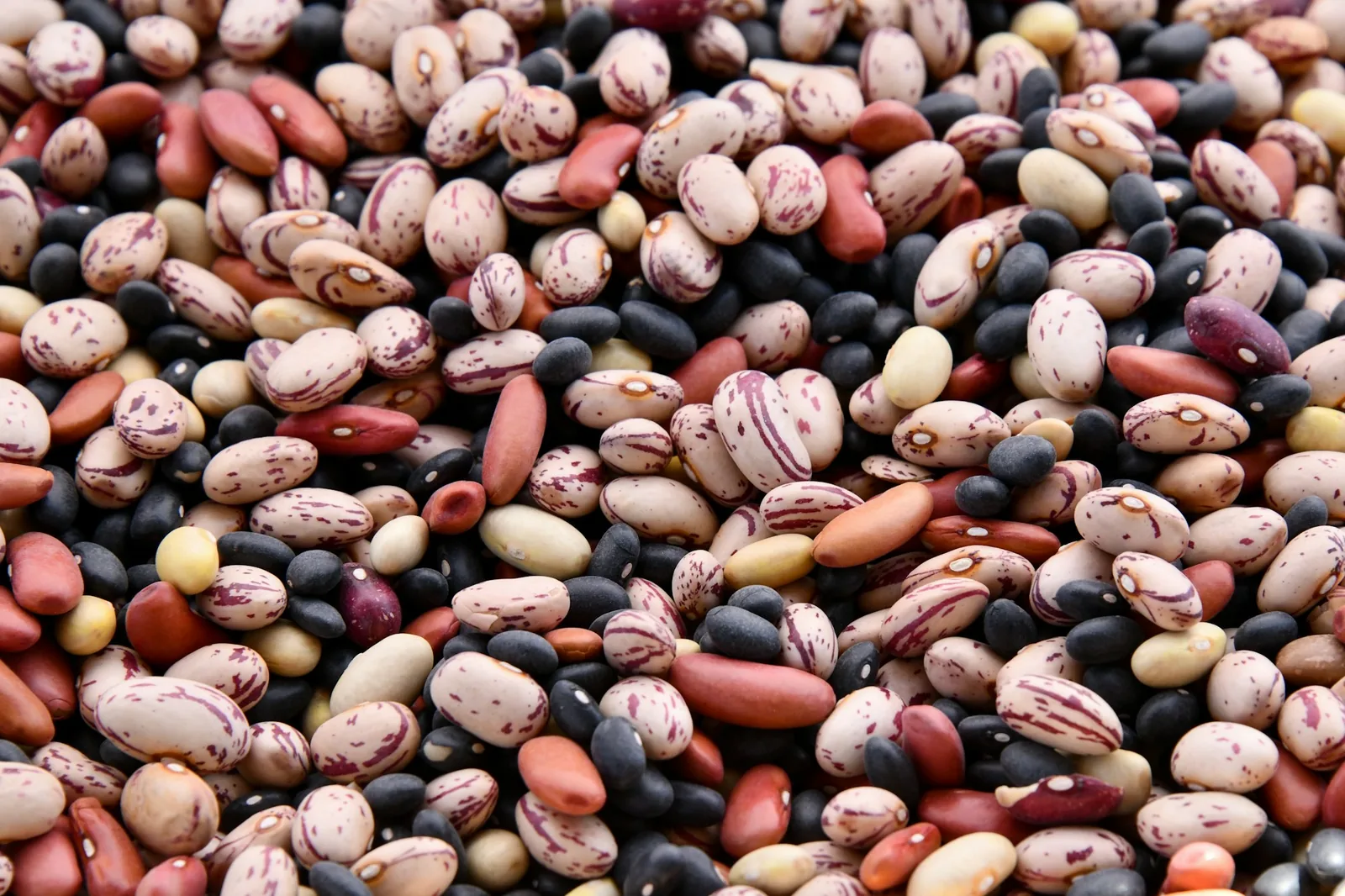
| Pinto | Northern Mexico, Tex-Mex, most US restaurants | Pale brown, creamy, mild |
| Black | Southern Mexico, Yucatán, Guatemala | Darker, earthier, slightly sweeter |
| Peruano / mayocoba | Central Mexico | Very smooth and buttery, pale yellow |
Pinto is the default in Texas and most of the United States, which is why it is what most people picture. Black beans are equally traditional, just from a different part of Mexico.
Refried, charro, borracho: the other bean dishes
Beans appear on Mexican menus in several forms, and they are not interchangeable. The difference is how much liquid stays with them.
| Dish | Form | Served |
|---|---|---|
| Frijoles refritos | Mashed and fried into a thick paste | As a side or a spread |
| Frijoles de la olla | Whole, in their own cooking broth | In a bowl, like a light soup |
| Frijoles charros | Whole in broth with bacon, chorizo, chilli | As a substantial side or a meal |
| Frijoles borrachos | Charros, cooked with beer | As a side; slightly bitter and deeper |
All four usually start from the same pot. Frijoles de la olla is simply the base stage — beans cooked in a pot — and the others are what happens next. A kitchen that makes good refried beans is really a kitchen that cooked the beans well in the first place.
What they are for
Refried beans do three jobs on a plate, and it is worth knowing which one is being asked of them.
- As a side — the standard partner to rice alongside almost anything.
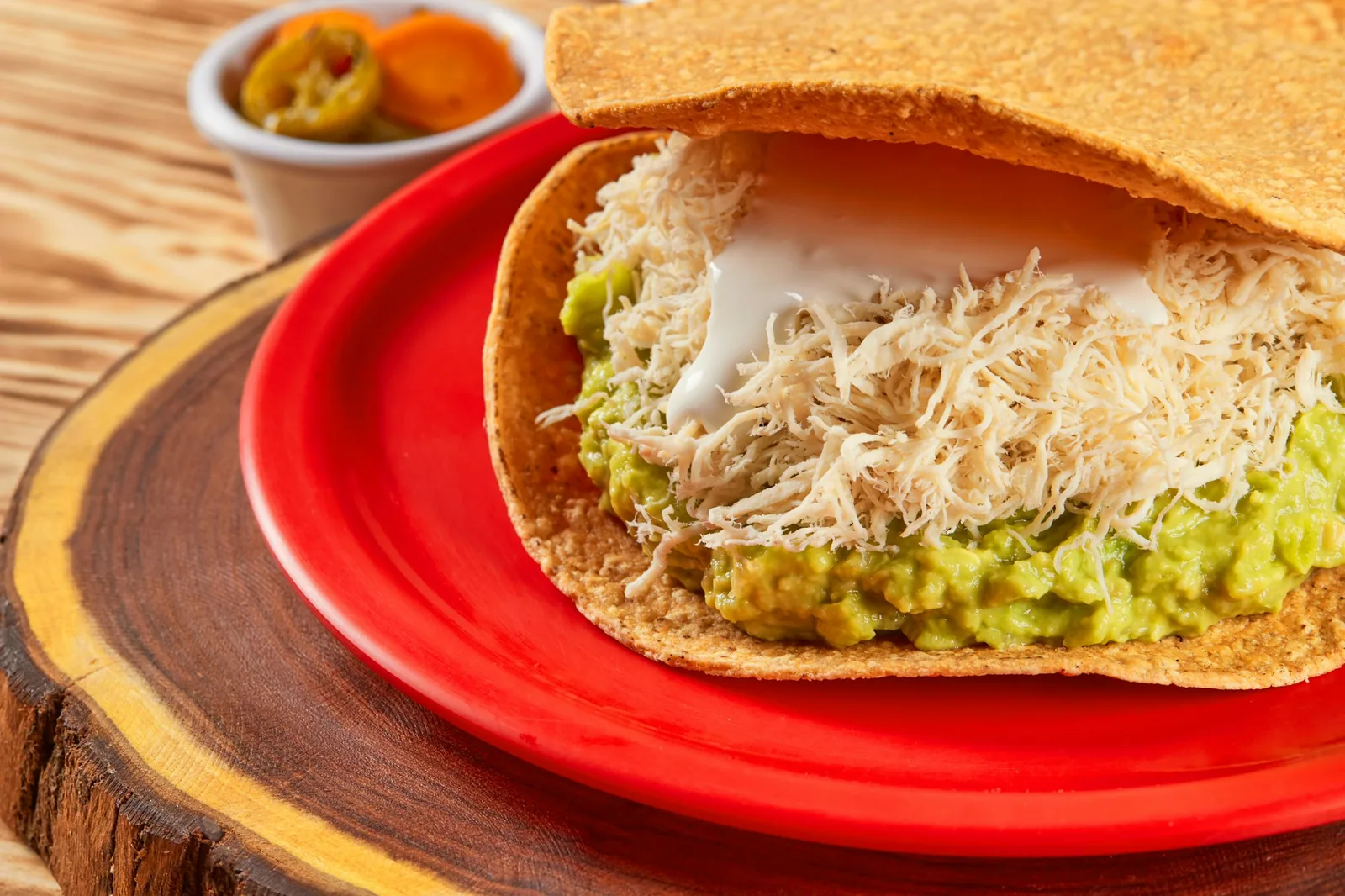
- As a binder — spread on a tostada, a chalupa or inside a burrito, they glue the toppings down and stop the base going soggy.
- As a filling — in their own right, in tacos, gorditas and tortas, often with nothing but cheese.
The binder role is the underrated one. A layer of beans between a fried base and a wet topping is doing the same structural job that a second tortilla does in a street taco — a theme we go into in why tacos fall apart.
Beans at Doc’s Taco Shop
Doc’s 2023 board used beans in two places. The chalupa was built with beef, chicken or pork with beans, and the burrito was offered either as meat with avocado, lettuce, sour cream and cheese, or as meat, cheese and beans.
In both cases the beans are doing the binder job: holding a loaded fried base together in the chalupa, and adding body to a wrapped burrito. The board did not specify pinto or black, and we are not going to guess — though pinto would be the overwhelming expectation in East Texas.
Doc’s Taco Shop closed permanently on 19 July 2025 after five years in business. The menu details above are transcribed from the restaurant’s own published menu board and are recorded here as history. You can still read the full menu as Doc’s published it or look through the photo gallery.
Frequently asked questions
Why are they called refried beans if they are only fried once?
Because the English name is a mistranslation. The Spanish frijoles refritos means ‘well-fried’ beans — the Spanish prefix re- is an intensifier, not a repetition. They are fried once.
Are refried beans vegetarian?
Often, but not always. Traditional versions are made with lard, and many restaurant versions still are. Plenty of commercial and home-made versions use vegetable oil instead, so it is worth asking — see our vegetarian and vegan guides.
What beans are refried beans made from?
Usually pinto beans, especially in Texas and the United States. Black beans are standard in southern Mexico, and creamy peruano beans are common in central Mexico.
Are refried beans healthy?
Beans themselves are high in fibre and protein. How much fat is added in the frying varies enormously between a home kitchen and a restaurant, which is what mostly determines the answer. We go into this in is Mexican food healthy?.
What is the difference between refried beans and charro beans?
Texture and preparation. Refried beans are mashed and fried into a thick paste; charro beans are served whole in their broth, more like a soupy bean stew.
The short version
Simmered, mashed, fried once. Refritos means well fried, not fried again, and the English name has been quietly wrong for as long as anyone has used it. On a plate they are a side, a binder and a filling, depending on what is asked of them.