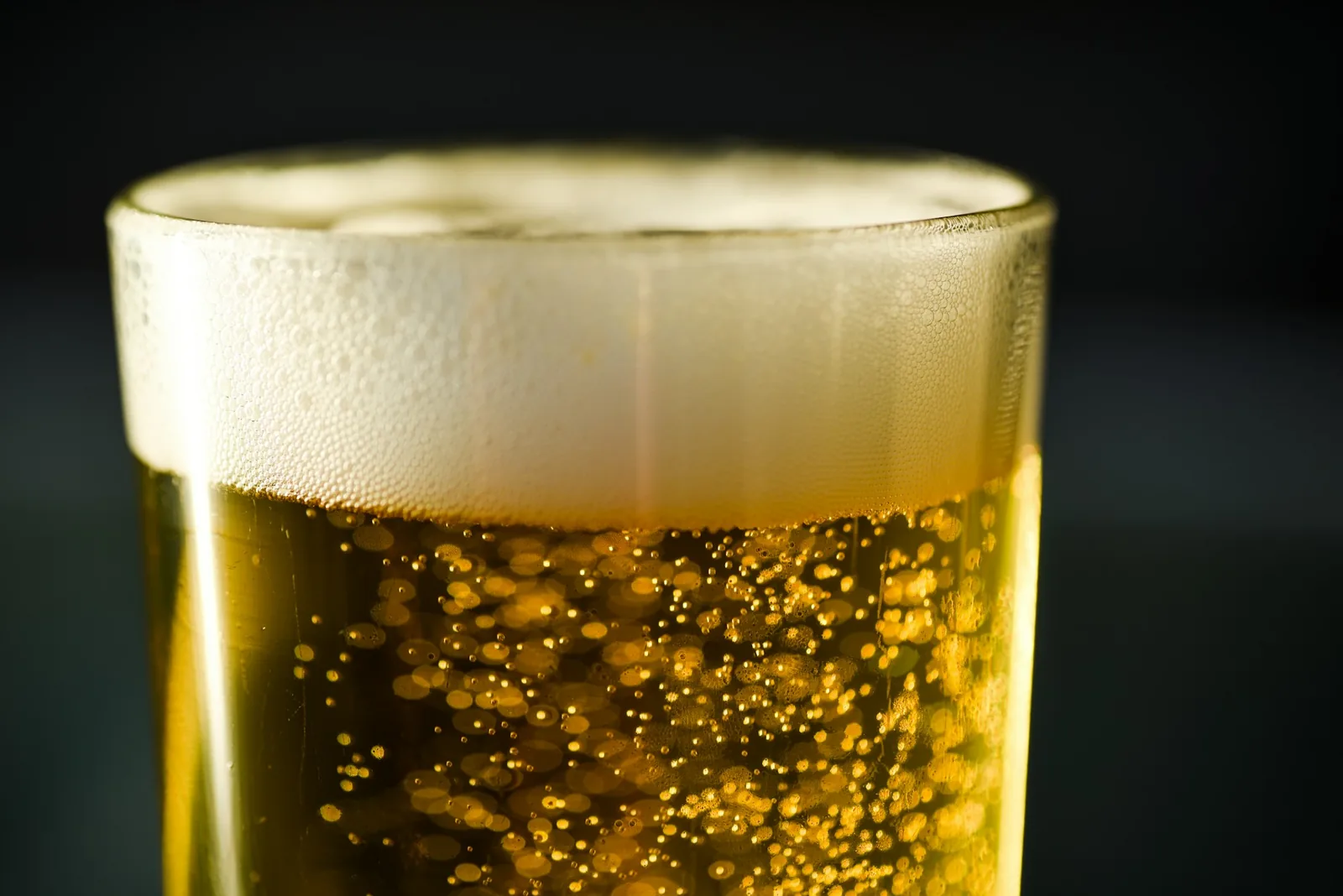
Almost every Mexican beer you will meet is one of two styles: a pale lager or a Vienna lager. Pale lagers are light, crisp and built to be drunk cold; Vienna lagers are amber, maltier and a little sweeter. Knowing which is which predicts the taste better than the brand does.
Both styles arrived with nineteenth-century German and Austrian brewers and stayed. Mexico kept brewing the Vienna lager long after Vienna largely stopped, which is why the style is now more strongly associated with Mexico than with Austria.
The two styles
| Pale lager | Vienna lager | |
|---|---|---|
| Colour | Straw to pale gold | Amber to light copper |
| Malt character | Very light, clean | Toasted, gently caramelly |
| Bitterness | Low | Low to moderate |
| Body | Light | Medium |
| Drinks like | Refreshment first | A little more to chew on |
| Common examples | Corona, Modelo Especial, Sol, Pacífico | Negra Modelo, Dos Equis Ambar, Victoria |
Strength is not the variable. Mexican lagers cluster tightly around 4 to 4.5 per cent alcohol by volume regardless of style, so a darker beer here is not a stronger one — a common assumption, and wrong. Colour comes from how far the malt was kilned, not from alcohol.
How a Vienna lager ended up Mexican
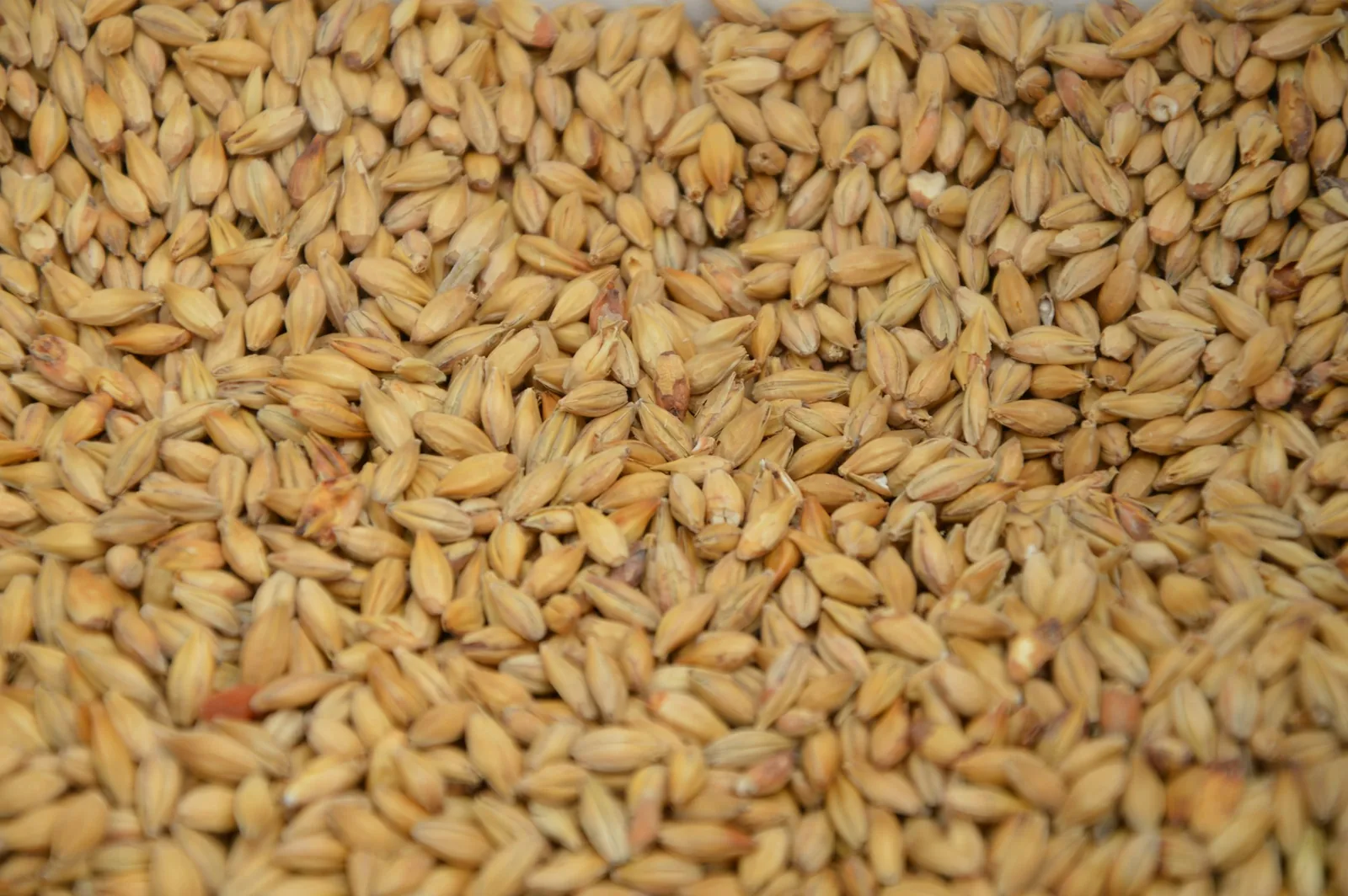
The style was created in Vienna in the 1840s, using malt kilned to a light amber rather than pale. It travelled to Mexico with Austrian and German brewers in the second half of the nineteenth century — the same decades that brought French baking to Mexico City — and it took root.
In Europe the style faded, squeezed out by paler lagers. In Mexico it did not. The result is that a beer style named after an Austrian city is now most reliably found in Mexican breweries, and Negra Modelo and Dos Equis Ambar are among its best-known surviving examples anywhere.
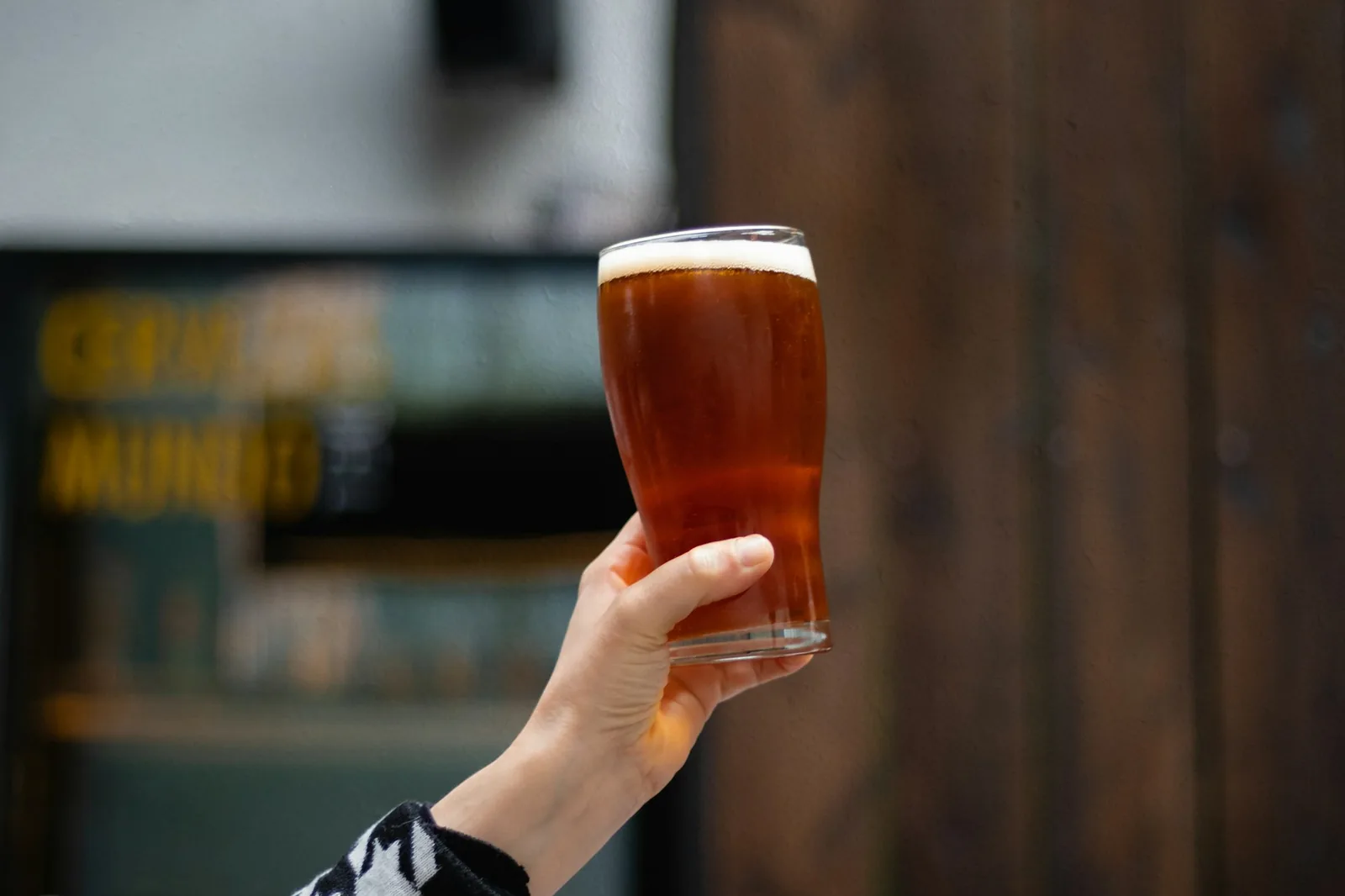
What the label is allowed to say
“Lager” on a label is a regulated term rather than a loose description. The Alcohol and Tobacco Tax and Trade Bureau’s rules on malt beverage class and type treat “beer”, “lager”, “ale”, “porter” and “stout” as class designations that may be used for malt beverages of 0.5 per cent alcohol by volume or more, provided the product is known to the trade under that designation. Anything below 0.5 per cent cannot be called beer or lager at all — it must be labelled a malt beverage, cereal beverage or near beer.
The class designation is mandatory; the type designation is optional. That is why some labels say simply “beer” and leave you to work out the style from the colour in the glass.
Why the lime?
Mostly habit, and it is genuinely optional. The common explanations — that lime was used to keep flies off the bottle, or to disinfect the rim — are folklore repeated confidently and without evidence.
What is defensible is that lime suits a light pale lager: the acid sharpens a beer with very little bitterness of its own. On an amber Vienna lager it tends to fight the malt, which is why lime is much less common with those. If you would rather not have it, saying so is unremarkable.
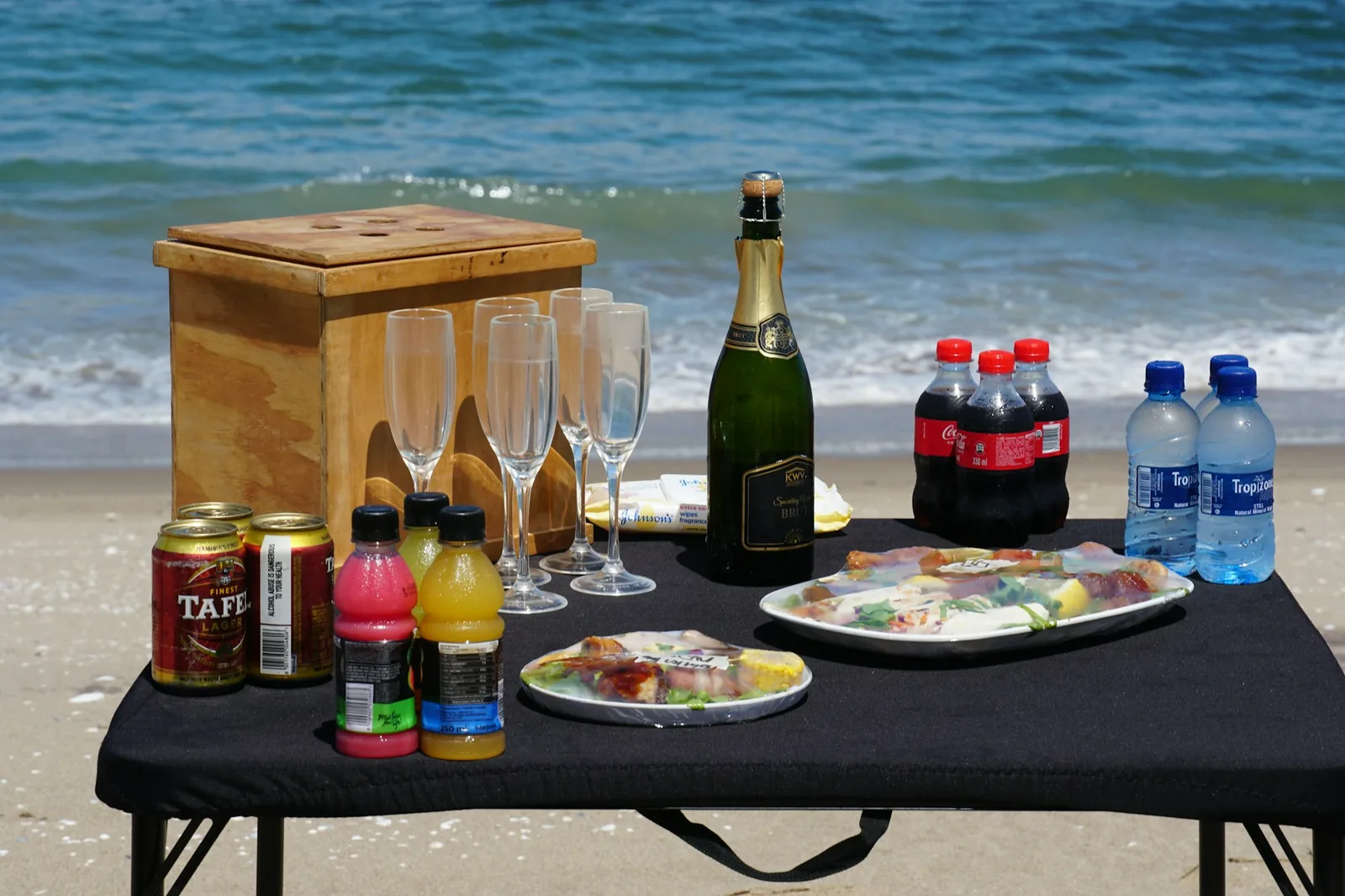
What to drink with what
- With grilled or griddled meat — a Vienna lager. The toasted malt matches the char on bistek or pollo asado.
- With anything fried — a pale lager. Cold and crisp cuts fat better than a maltier beer does.
- With rich, stewed dishes — a Vienna lager again. It stands up to birria where a pale lager disappears.
- With genuinely spicy food — neither, really. Beer does little for chilli heat; horchata does more.
If you are building a michelada, use a pale lager. The drink is heavily seasoned, and a beer with a strong malt character of its own competes with it.
The beer list at Doc’s Taco Shop
Doc’s 2023 board split its beer into domestic and imported. The domestic side ran Michelob Ultra, Coors Light, Shiner Bock, Miller Lite and Yuengling; the imported side ran Victoria, Corona, Dos Equis and Modelo. Both were available by the bucket of six.
That import list is a tidy illustration of the two styles: Corona and Modelo on the pale side, Victoria and Dos Equis reaching into the amber. Shiner Bock on the domestic list is worth a note too — it is a Texas beer from a brewery founded by German and Czech immigrants, which is the same central European brewing tradition arriving in Texas instead of in Mexico.
Doc’s Taco Shop closed permanently on 19 July 2025 after five years in business. The menu details above are transcribed from the restaurant’s own published menu board and are recorded here as history. You can still read the full menu as Doc’s published it or read how the shop came about.
Frequently asked questions
What is the most popular Mexican beer?
Corona is the best-selling Mexican beer both domestically and as an export. Corona, Modelo and Dos Equis together account for the large majority of Mexican beer sold in the United States.
What is a Vienna lager?
An amber lager style developed in Austria in the nineteenth century, using lightly toasted malt. It largely died out in Europe but was kept alive in Mexico, where brewers had carried it.
Is darker Mexican beer stronger?
No. Colour comes from how the malt was kilned, not from alcohol. Mexican lagers of both styles sit at roughly 4 to 4.5 per cent.
Why do people put lime in Mexican beer?
Habit more than anything. The acid suits a very light pale lager. The stories about flies or disinfecting the bottle are folklore with no good evidence behind them.
What is the difference between Modelo and Corona?
Both are pale lagers, but Modelo Especial has a rounder, breadier malt character while Corona is lighter and more neutral — which is part of why Corona takes lime so readily.
The short version
Pale lager or Vienna lager: that is nearly the whole map. Pale for refreshment and for anything fried, amber for grilled and stewed food. Strength barely varies between them, and the lime is a convention you are free to decline.