
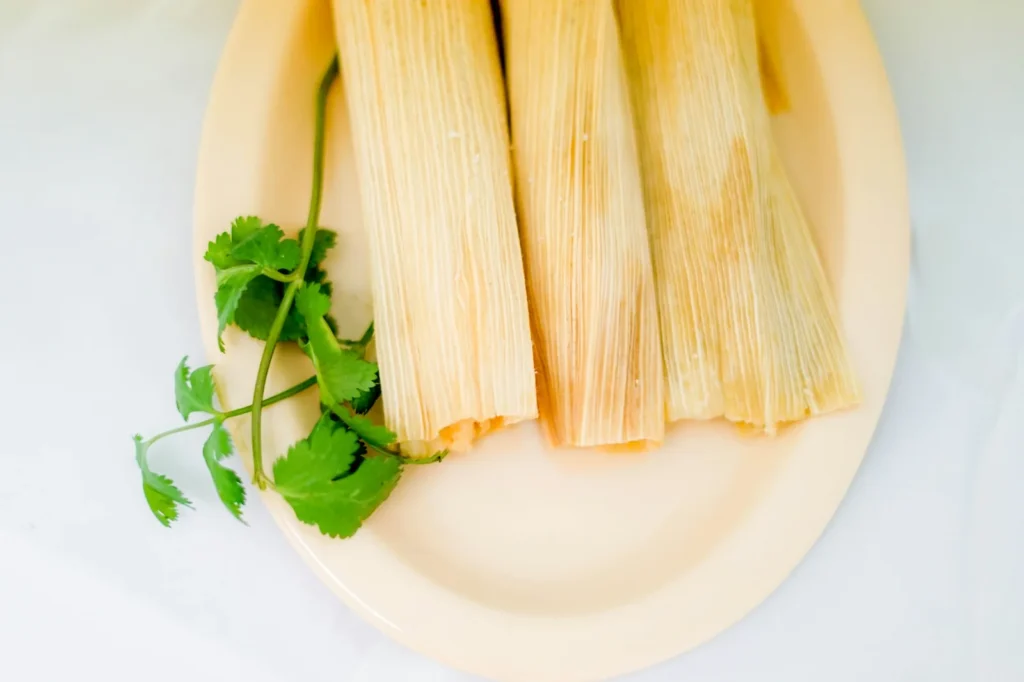
A tamal is masa — nixtamalised corn dough, whipped with fat — wrapped around a filling, folded into a corn husk or banana leaf, and steamed. You unwrap it and eat what is inside. The wrapper is not food.
That last sentence is the single most searched thing about tamales, so it goes first. The husk is a cooking vessel and a plate. It is discarded.
What makes tamal masa different
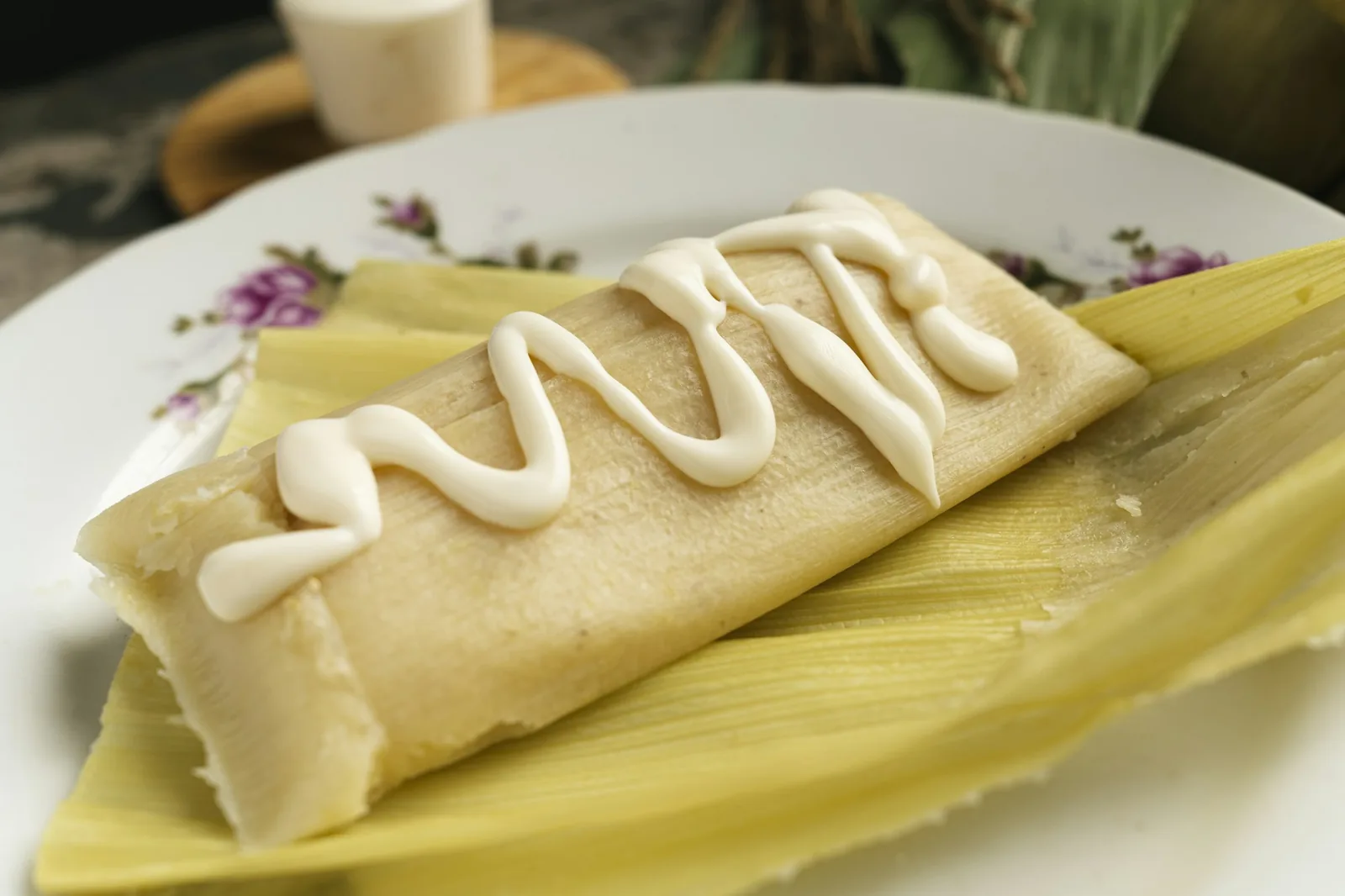
Tamal masa and tortilla masa start from the same place — corn simmered in an alkaline solution, then ground — but they are not interchangeable. Tamal masa is ground a little coarser and, crucially, whipped with fat: lard traditionally, sometimes butter or shortening.
The fat is what makes a steamed tamal light rather than dense. Whipping aerates the dough, and a well-beaten masa is buoyant enough that cooks test it by dropping a small ball into cold water — if it floats, it is ready. Tortilla masa, which has no added fat, would steam into a solid brick.
If the nixtamalisation step is new to you, we cover it in corn versus flour tortillas and in the masa family guide.
How they are made
- Dried corn husks are soaked in hot water until soft and pliable.
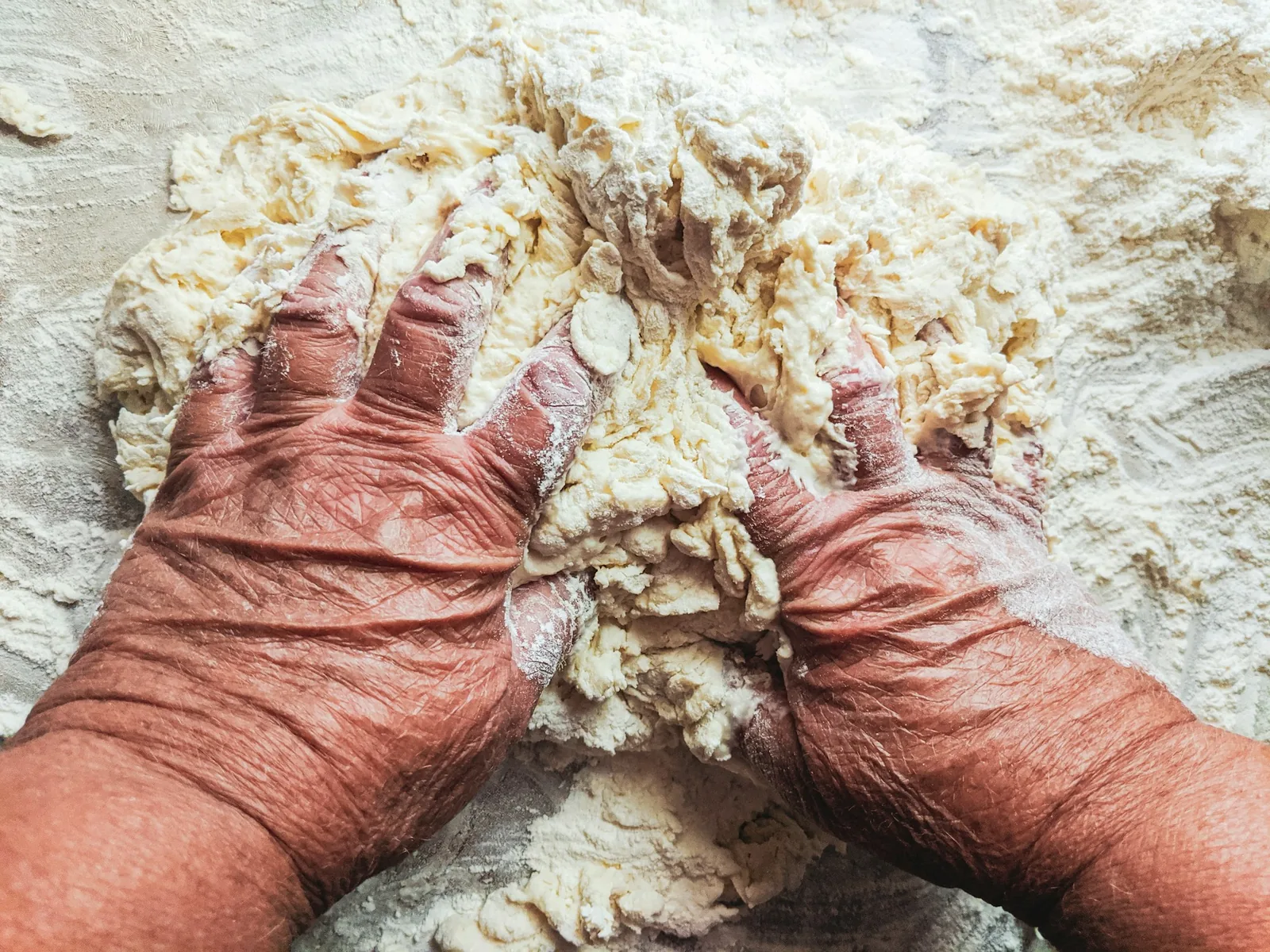
- Masa is whipped with fat and salt until light.
- A layer of masa is spread onto the smooth side of a husk, leaving borders clear.
- Filling goes down the centre — shredded pork or chicken in a chilli sauce, cheese with strips of chilli, beans, or something sweet.
- The husk is folded around it and the ends turned up.
- They stand upright in a tall steamer and cook for an hour or more.
Done properly, the masa pulls cleanly away from the husk when it is cooked. A tamal that sticks needs longer.
Why tamales are a group activity
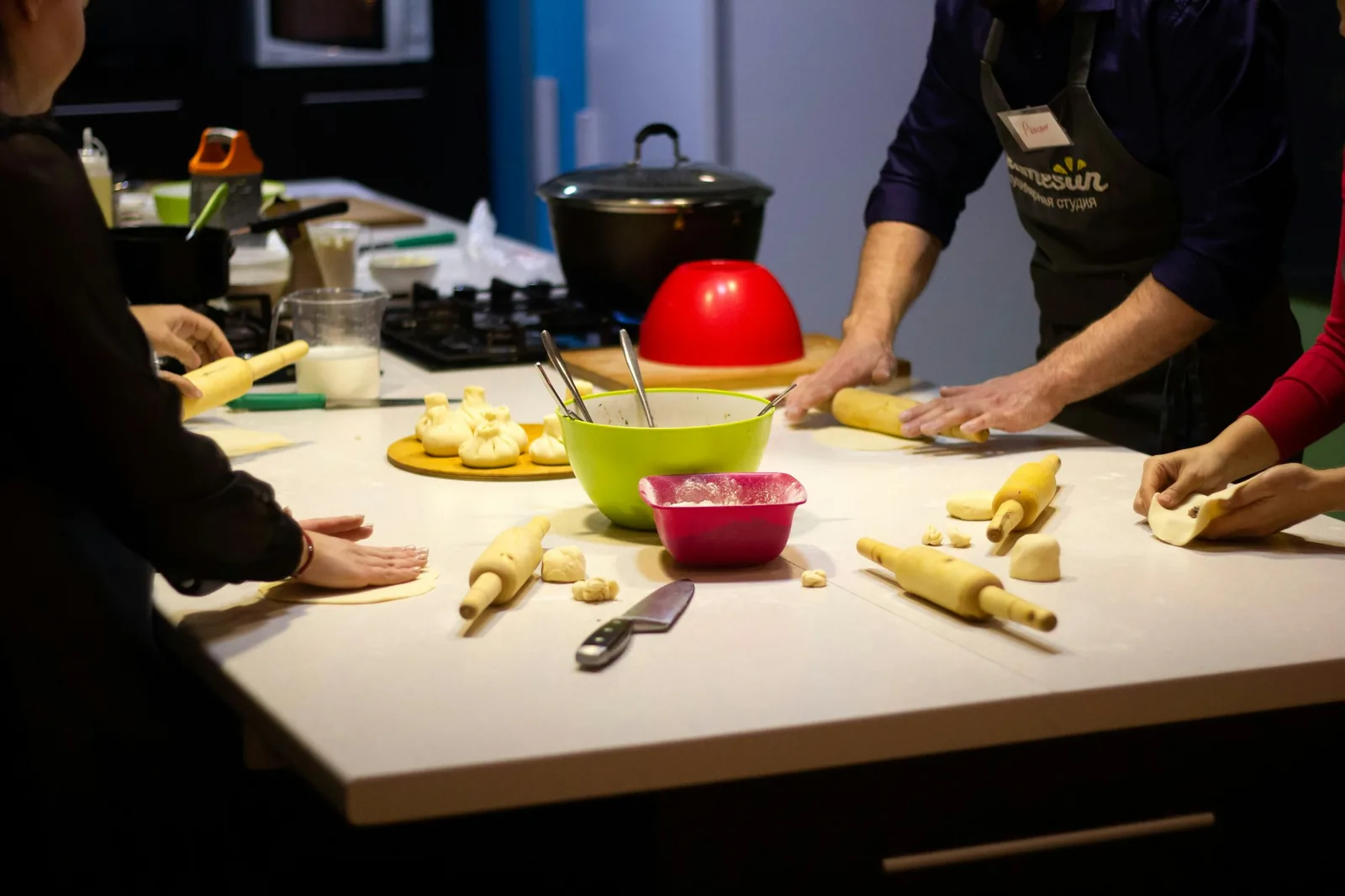
Because the process does not scale down. Soaking husks, whipping masa, making filling and assembling by hand takes hours regardless of whether you make twelve or a hundred and twenty — so people make a hundred and twenty.
That produces the tamalada, the tamale-making gathering, which is as much the point as the food. The Library of Congress research guide on ancestral foodways situates tamales among Mesoamerican dishes of deep pre-Hispanic standing, noting Fray Bernardino de Sahagún’s sixteenth-century record of their daily and ceremonial uses in the General History of the Things of New Spain — as offerings, at feasts and royal banquets, and on sale in Aztec markets.
The seasonal pattern follows from the labour. Many families make them once or twice a year, around Christmas and Día de la Candelaria in February, and freeze the rest.
The ones worth knowing by name
Tamales vary more by region than almost any other Mexican dish, because the format tolerates nearly any filling.
| Name | Where | What it is |
|---|---|---|
| Tamal rojo / verde | Everywhere | Pork in red chilli sauce, or chicken in green |
| Rajas con queso | Everywhere | Strips of roasted chilli with melting cheese |
| Tamal oaxaqueño | Oaxaca | Wide, flat, banana leaf, often with mole |
| Tamal de dulce | Everywhere | Sweet — pink-dyed masa with raisins or pineapple |
| Corundas | Michoacán | Triangular, wrapped in fresh corn leaf |
| Guajolota | Mexico City | Not a tamal but a delivery method: a tamal inside a bolillo roll |
The guajolota is worth a moment. It is a tamal in a bread roll — carbohydrate inside carbohydrate — and it is a serious, widely eaten Mexico City breakfast rather than a joke. Our torta guide covers the roll it is built on.
The wrappers, and the regional split
| Wrapper | Where | Effect |
|---|---|---|
| Dried corn husk | Central and northern Mexico, the US | Slim, cylindrical tamales; faint corn aroma |
| Banana leaf | Oaxaca, Chiapas, the Yucatán, Central America | Wide, flat tamales; a distinct green, tea-like scent |
| Fresh corn leaf | For tamales made from fresh rather than dried corn | Sweeter, softer, more delicate |
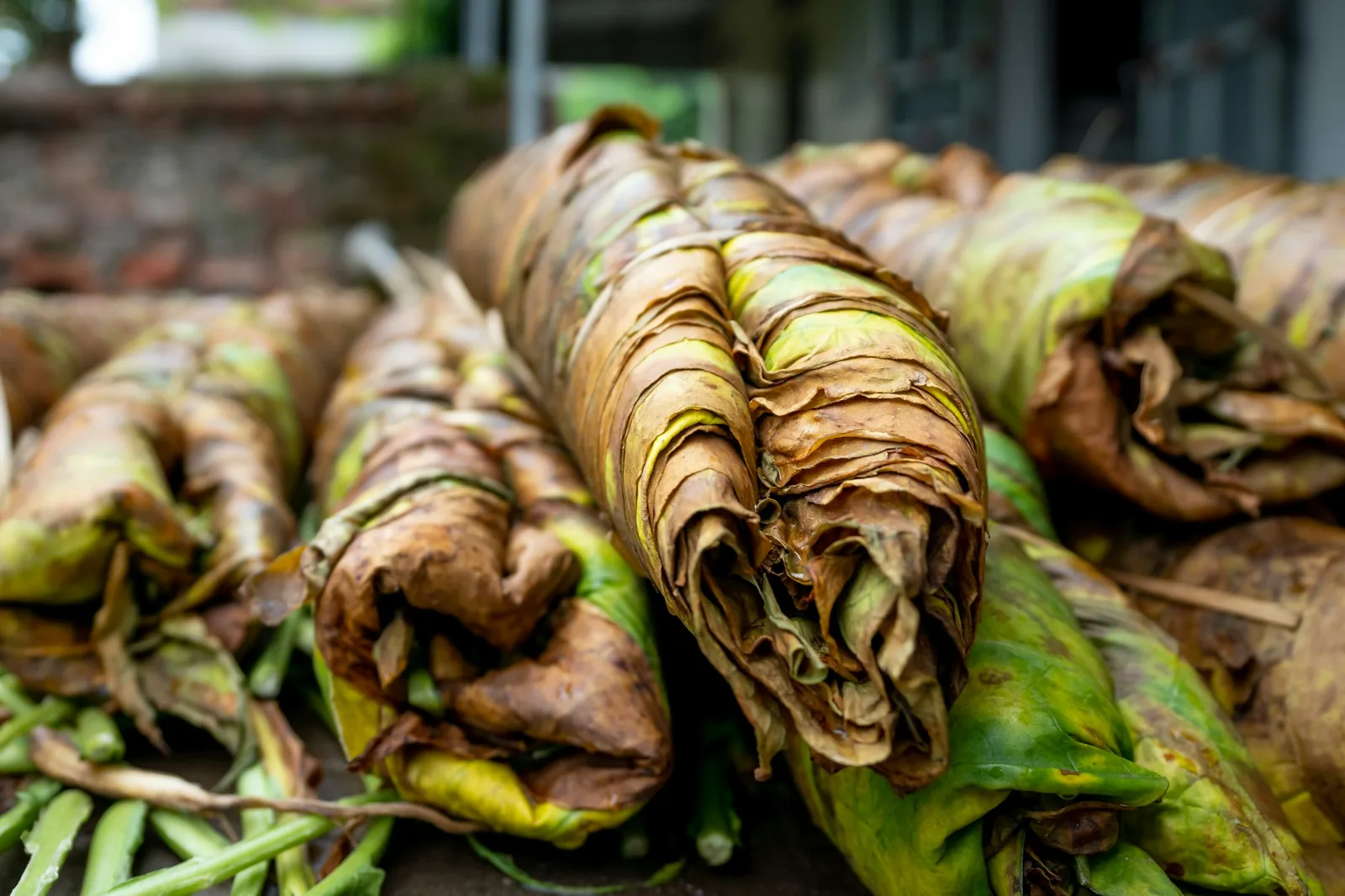
Neither wrapper is eaten. Banana-leaf tamales are usually served still wrapped and opened at the table, which is worth knowing before you cut into one with a knife.
A note on Doc’s
Tamales were not on Doc’s board. They turn up here because the corpus kept brushing against them — our torta guide mentions the guajolota, which is a tamal inside a bread roll, and our suegrita article has to distinguish a Mexican menu item from the Chicago “mother-in-law”, which is a tamale in a hot-dog bun. Both assumed a reader who knew what a tamal was.
Doc’s Taco Shop did not serve this. The shop ran three meats across its whole board — pollo, al pastor and bistek — and closed permanently on 19 July 2025. This article is here because our own guides kept mentioning the dish without ever explaining it. You can read the full menu as Doc’s published it or read how the shop came about.
Frequently asked questions
Do you eat the corn husk on a tamale?
No. The husk is a wrapper and a cooking vessel. Unwrap it, eat what is inside, and discard the husk.
What is inside a tamale?
Masa around a filling — commonly shredded pork or chicken in chilli sauce, cheese with strips of chilli, or beans. Sweet versions with fruit, raisins or pineapple are also traditional.
What is the difference between a tamal and a tamale?
Tamal is the Spanish singular and tamales the plural; ‘tamale’ is an English back-formation from the plural. Both are widely used in the United States.
Why are tamales made at Christmas?
Because they take hours and do not scale down, so they are made in large batches at gatherings called tamaladas. Christmas and Día de la Candelaria in February are the usual occasions.
How do you reheat tamales?
Steam them, still wrapped, for ten to fifteen minutes. Microwaving works but dries the masa; wrapping in a damp towel helps.
The short version
Fat-whipped masa around a filling, wrapped in a husk and steamed. Do not eat the wrapper. They are made in large batches because the work is the same either way, which is why they are festival food rather than weeknight food.