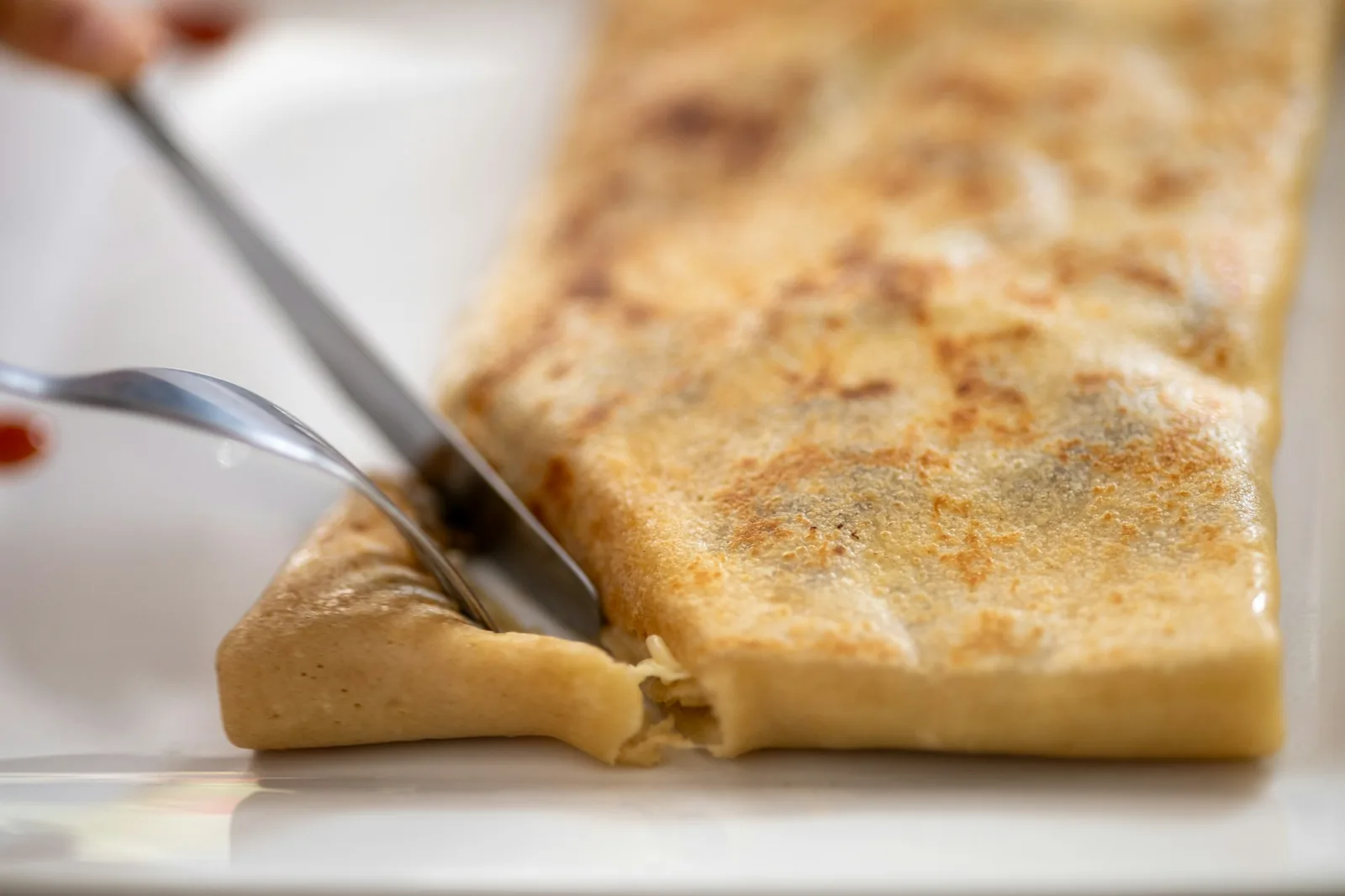
Suegrita means “little mother-in-law” in Spanish. On a taqueria menu it is a house name rather than a standard dish — at Doc’s Taco Shop it meant two corn tortillas griddled crisp around a choice of meat, cabbage and melted cheese.
If you have searched this word and found only Spanish-English dictionaries, that is not your mistake. There is very little written about it as a food term, and what does exist mostly describes an unrelated dish. This page is an attempt to set out what can actually be established.
What the word means
Suegra is Spanish for mother-in-law. The Real Academia Española’s dictionary of the Spanish language is the standard authority for it. Suegrita is its diminutive — the “-ita” ending that Spanish adds to make a word smaller, softer or more affectionate. It is a warm form rather than a diminishing one.
Food names built from family terms are common in Mexican cooking, and they are rarely literal. They tend to be jokes, affectionate nicknames or references to who a dish was made for. Without a statement from whoever named this one, any explanation of why is speculation.
It is not the Chicago mother-in-law
Search results for “mother-in-law” as a food term are dominated by a completely different item: a Chicago fast-food dish consisting of a corn-meal tamale served in a hot-dog bun and topped with chilli. It is a genuine regional speciality, and it has nothing to do with a Mexican taqueria menu.
They share a translated name and no ingredients, no technique and no region. If you arrived here looking for the Chicago dish, this is not it.
How Doc’s Taco Shop built its suegrita
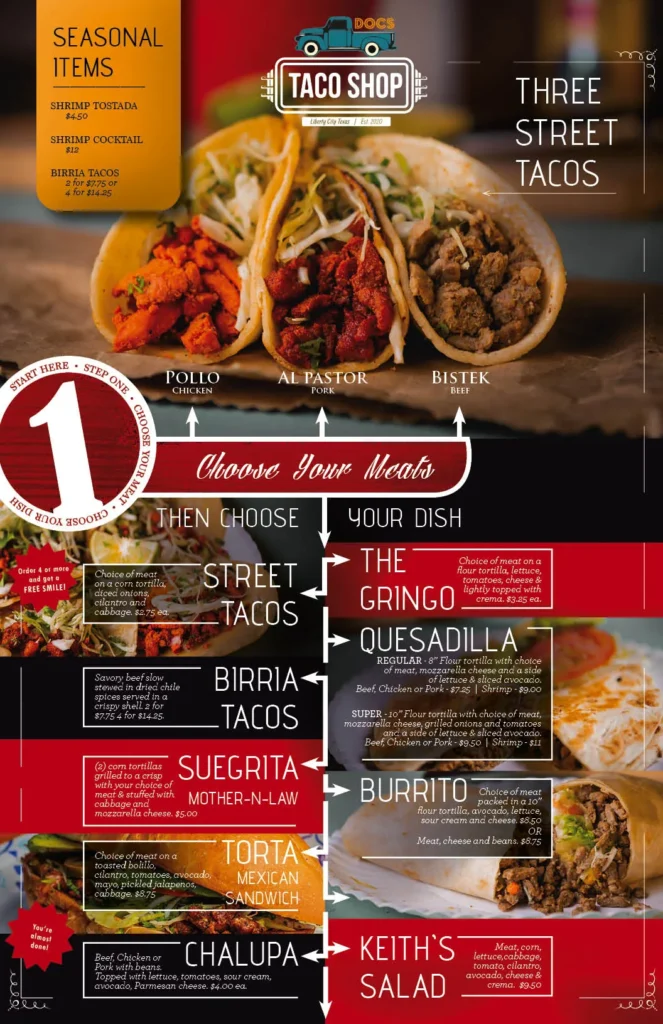
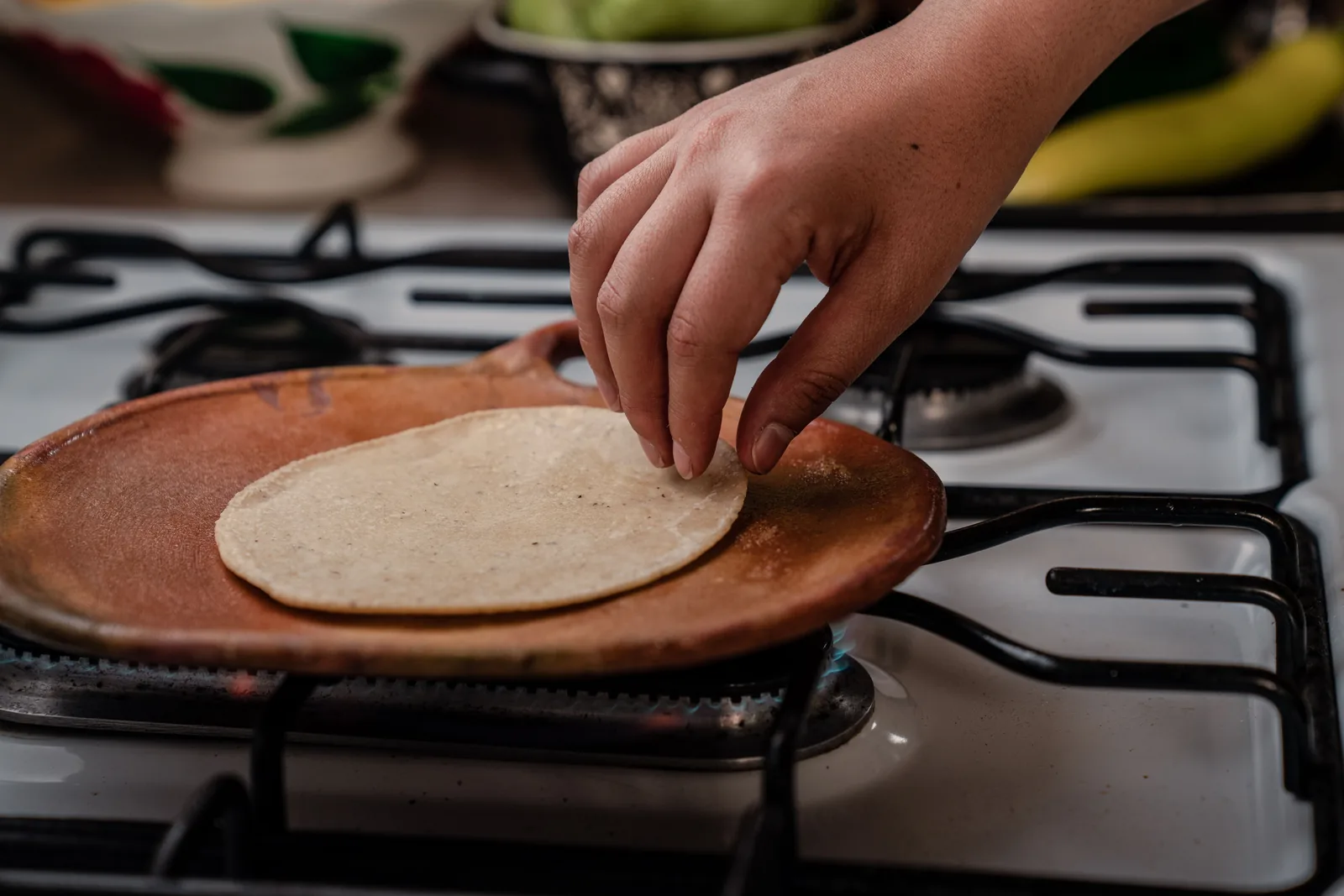
Doc’s Taco Shop in Liberty City, Texas listed the item on its 2023 board as “Suegrita (Mother-n-Law)” and described it precisely: two corn tortillas grilled to a crisp with a choice of meat, stuffed with cabbage and mozzarella cheese.
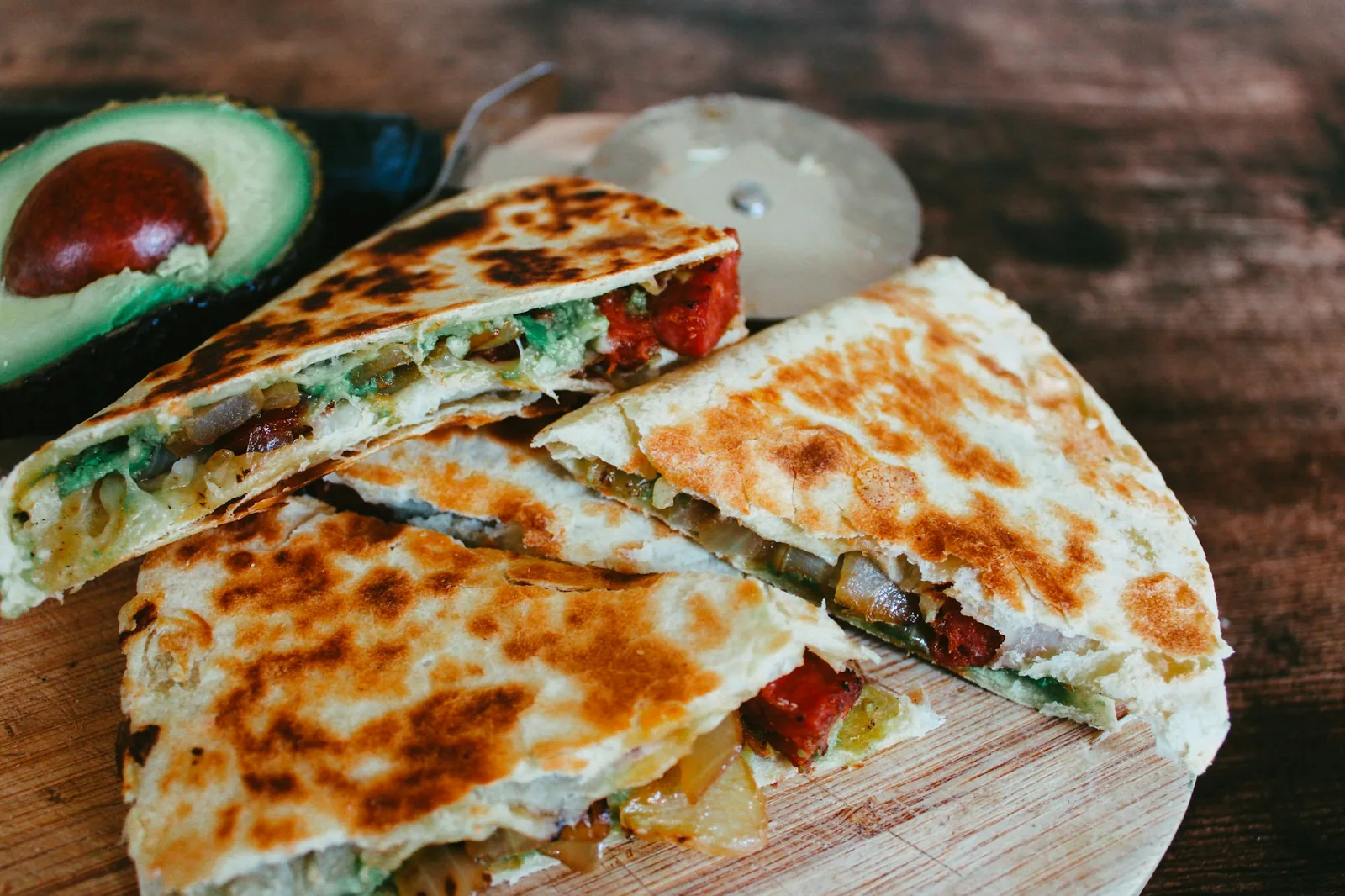
That description is doing more work than it looks. Read carefully, it is not a taco at all — it is closer to a griddled, filled quesadilla built on corn rather than flour.
| Element | Doc’s suegrita | Doc’s street taco |
|---|---|---|
| Tortillas | Two, griddled until crisp | One corn tortilla, soft |
| Cheese | Mozzarella, melted inside | None |
| Vegetable | Cabbage, inside | Onion, cilantro and cabbage, on top |
| Texture | Crisp and sealed | Soft and open |
| Eaten | Like a folded, crisp parcel | In three or four bites |
The meat was the same choice offered across the board: pollo, al pastor or bistek.
Why cabbage, and why it matters here
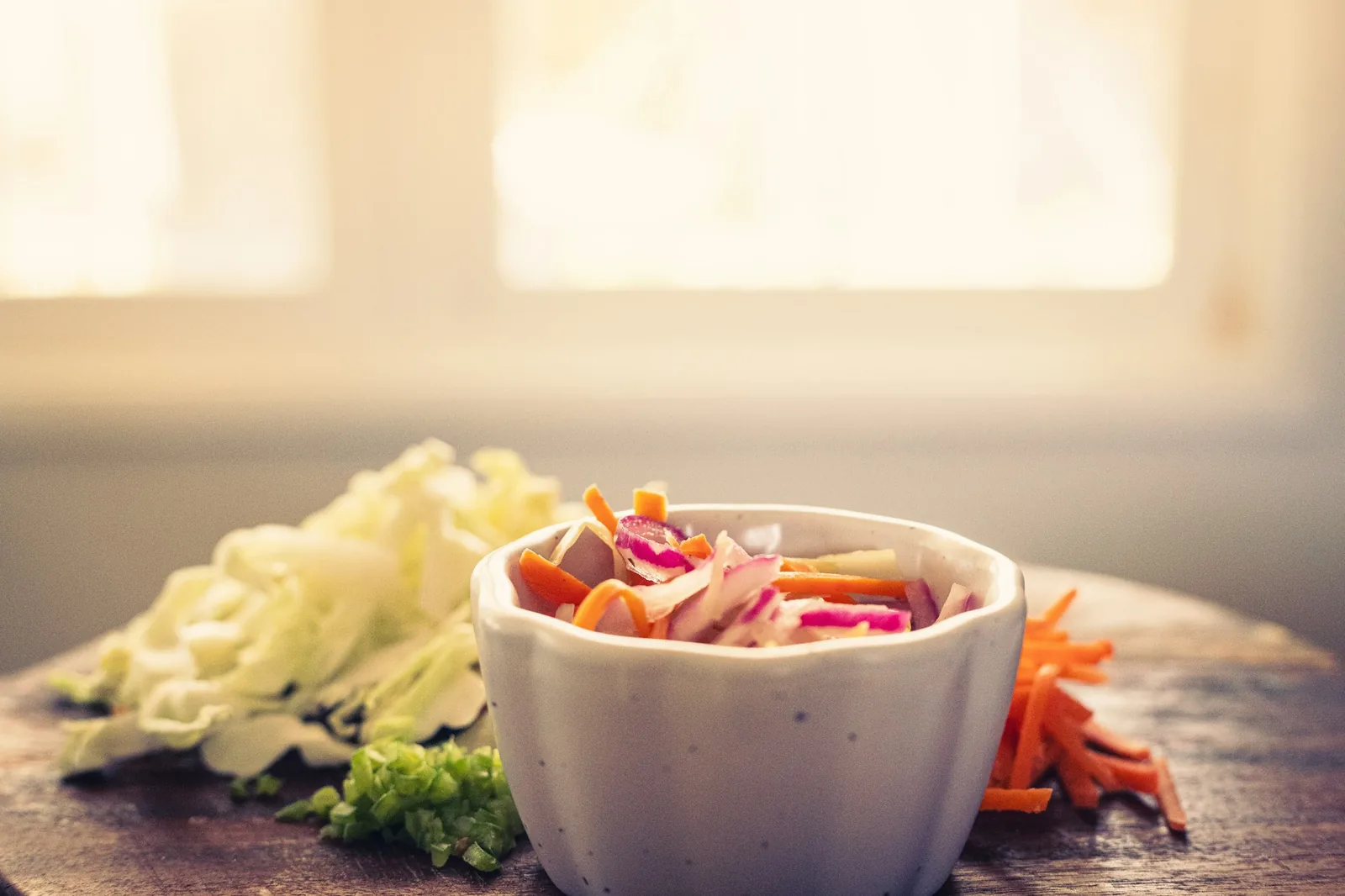
Cabbage inside a griddled, cheese-filled tortilla is the detail that makes this specifically a Doc’s dish rather than a generic one. Melted cheese and crisped corn are both soft-to-chewy and both rich; without something raw in there, the whole thing reads as heavy from the first bite to the last.
Shredded cabbage solves that better than lettuce would. It holds its crunch against heat instead of wilting into the cheese, and it is faintly sweet rather than watery. The same ingredient turned up on Doc’s street tacos and in its torta, which makes it something close to a house signature — we cover the reasoning in our guide to what each street-taco topping actually does, where cabbage is the regional variation rather than the error people sometimes take it for.
Where it sits among things you may know
The technique — corn tortillas crisped on a griddle around a cheese-and-meat filling — is widespread even where this particular name is not. It is the same family as a corn quesadilla, a mulita (two tortillas with filling between them), and a gringa (the flour-tortilla version, usually with al pastor).
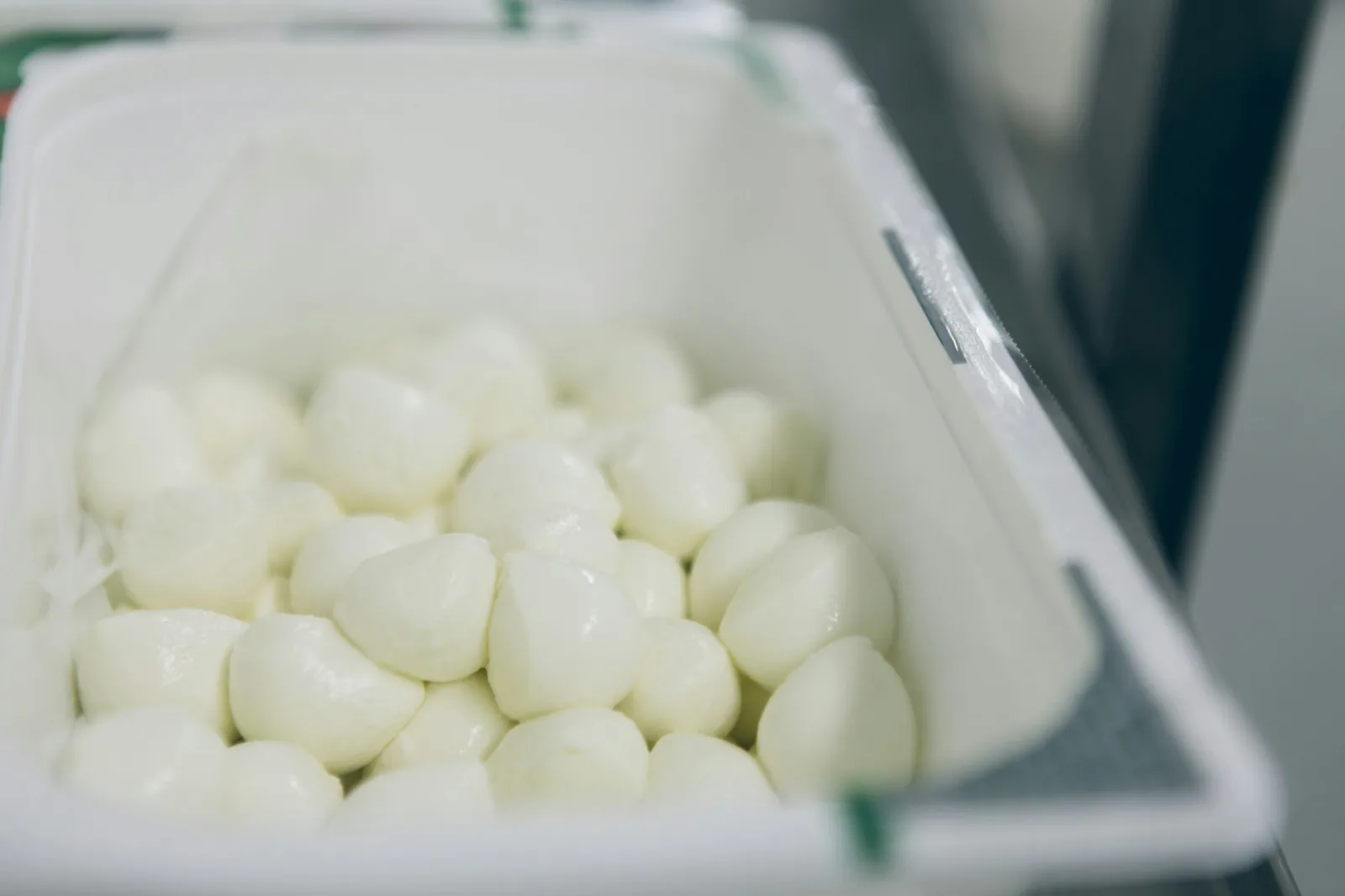
The mozzarella is the Tex-Mex marker. Mexican griddled-cheese dishes more often use Oaxaca cheese, which pulls in strands in much the same way. Mozzarella behaves similarly and is far easier to buy in East Texas, so the substitution is a practical one rather than a mistake — both are stretched-curd cheeses, as our guide to Mexican cheeses explains, and it is the same reasoning behind the sour cream and Parmesan that appeared elsewhere on the board.
What we can and cannot say about the name
Being straight about the limits of the evidence seems more useful than filling them in.
- Established: suegrita is the diminutive of the Spanish word for mother-in-law.
- Established: Doc’s Taco Shop sold an item under that name, and its own published board records exactly what was in it.
- Not established: that “suegrita” is a standard term for this preparation across Mexican or Tex-Mex menus generally. We found no reliable source supporting that, so we are not claiming it.
- Not established: why the dish was given the name. Any story about that would be invention.
Doc’s Taco Shop closed permanently on 19 July 2025 after five years in business. The menu details above are transcribed from the restaurant’s own published menu board and are recorded here as history. You can still read the full menu as Doc’s published it or read how the shop came about. The menu board shown with this article is the archived original.

Frequently asked questions
What does suegrita mean?
It is the Spanish diminutive of suegra, mother-in-law — so roughly ‘little mother-in-law’. The diminutive is affectionate rather than dismissive.
Is a suegrita the same as a quesadilla?
It is closely related. Doc’s version — two corn tortillas griddled crisp around meat, cabbage and melted cheese — is essentially a corn-tortilla quesadilla with cabbage in it. A standard quesadilla is usually made on a single folded flour tortilla.
Is suegrita a common menu item?
The name is not. The preparation is: griddled corn tortillas around melted cheese and meat appear on menus widely, more often as mulitas, corn quesadillas or gringas.
Is it the same as the Chicago mother-in-law sandwich?
No. That is a corn-meal tamale in a hot-dog bun topped with chilli, and it is unrelated in ingredients, technique and region.
What was in the suegrita at Doc’s Taco Shop?
Two corn tortillas grilled to a crisp with a choice of meat — pollo, al pastor or bistek — stuffed with cabbage and mozzarella cheese, as printed on the shop’s 2023 menu board.
The short version
Suegrita means little mother-in-law. As a menu item it is a house name, and at Doc’s Taco Shop it meant a crisp, cheese-filled parcel of two corn tortillas — nearer a quesadilla than a taco. The name is affectionate, the dish is a familiar technique, and the connection between the two is not something any surviving source explains.
The board it was printed on is preserved on the archived menu page, and our guide to street tacos covers the format it sat alongside.