
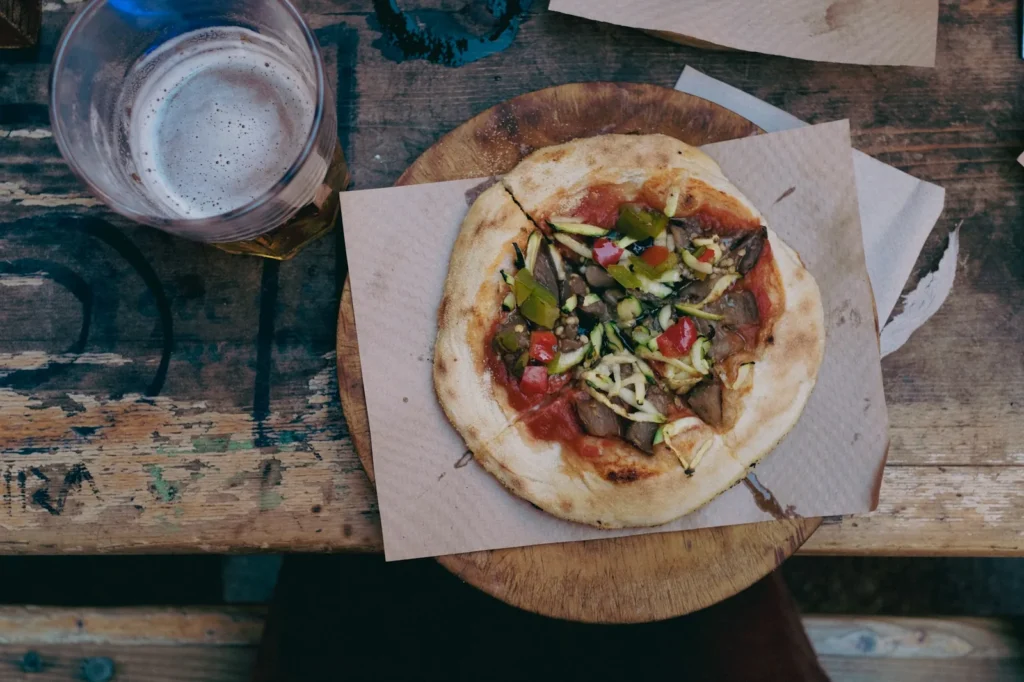
Bistek is beef, cut thin and cooked quickly on a hot flat griddle, usually with a little onion. On a taco menu it is the plain-spoken beef option: savoury and straightforwardly beefy, without the char of grilled carne asada or the spicing of al pastor.
The word is a Spanish rendering of the English “beefsteak”, which tells you most of what you need to know about how it is prepared.
The short answer
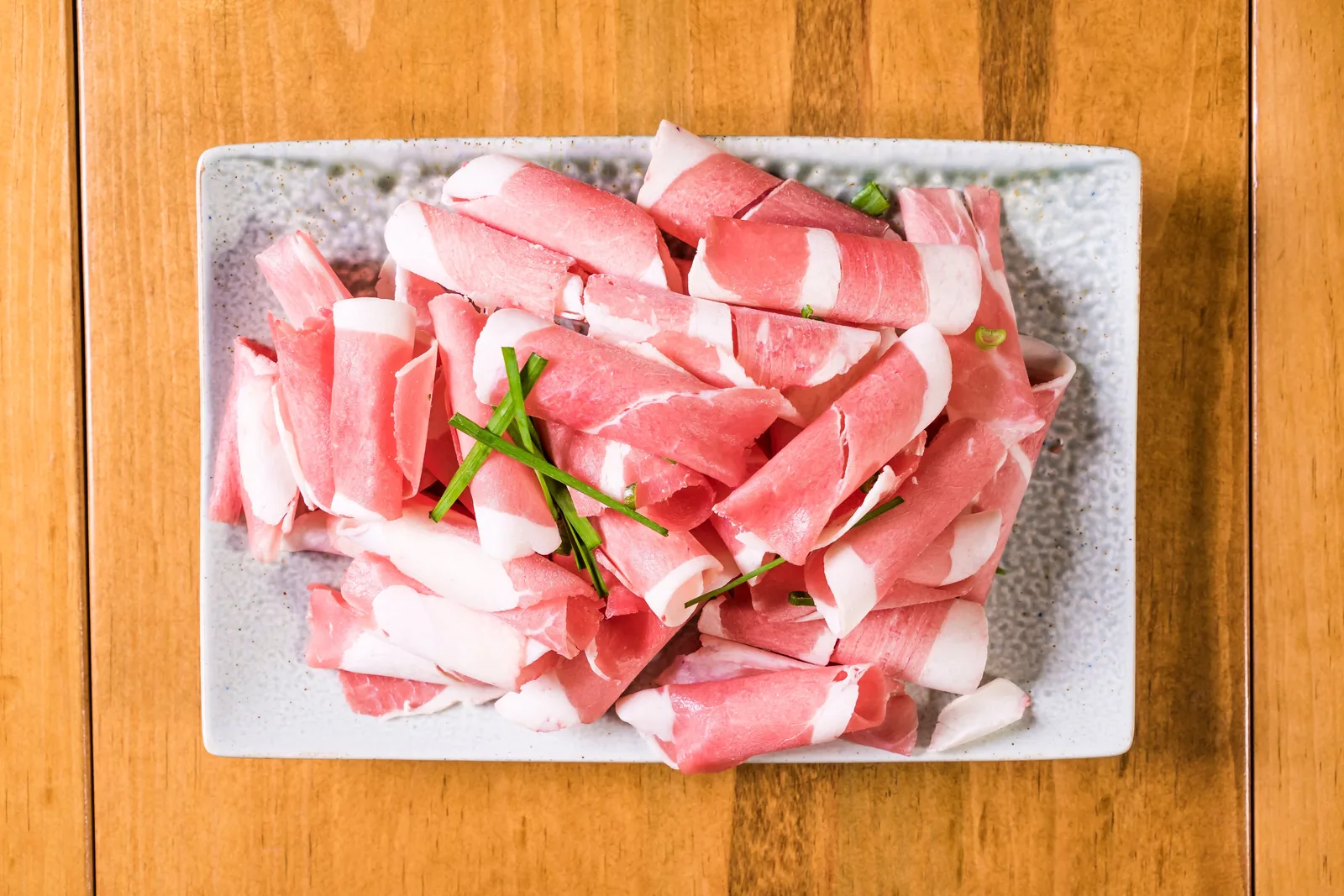
Bistek is thinly cut beef — often sirloin, flank or round — seasoned simply and cooked fast on a flat top or in a pan. For tacos it is chopped small after cooking. It is mild, not spicy, and it is the most neutral of the common beef fillings.
Bistek, carne asada and barbacoa
These three get confused constantly, and the difference is mostly method rather than the animal. We now cover carne asada and barbacoa in full separately; the short comparison is below.
| Filling | Cut | How it is cooked | Flavour |
|---|---|---|---|
| Bistek | Thin sirloin, flank or round | Fast, on a flat griddle or pan | Clean and beefy; lightly seasoned |
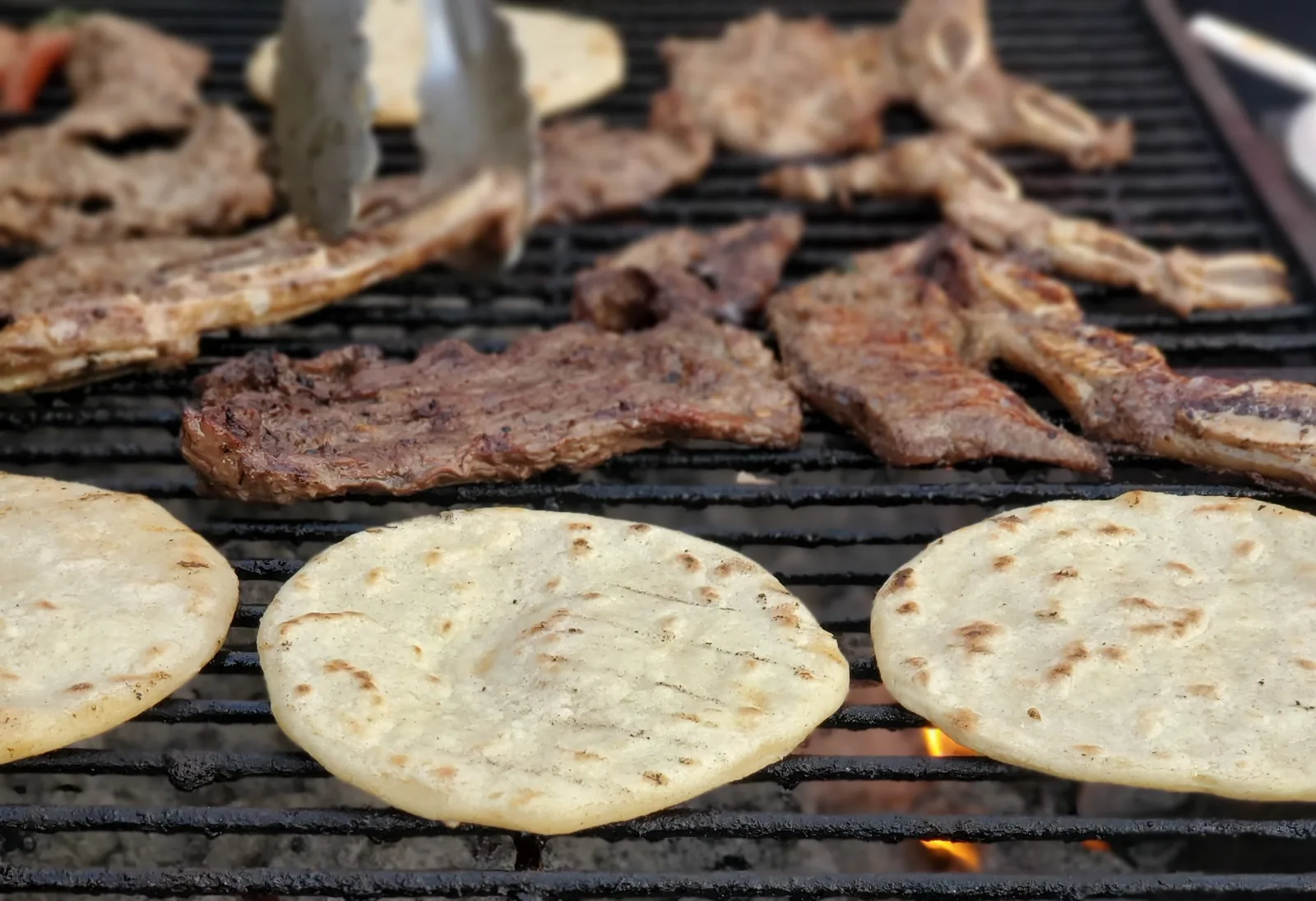
| Carne asada | Skirt, flank or similar | Grilled over open flame or charcoal | Charred and smoky, often citrus-marinated |
| Barbacoa | Cheek, shoulder or whole head | Steamed or slow-cooked for hours | Very soft, rich, deeply savoury |
| Birria | Chuck, shank or goat | Stewed in dried-chile broth | Spiced, aromatic, served with consomé |
If the stewed option is the one you are curious about, we cover birria and its consomé separately.
A note on the other bistek
Searching for bistek will also turn up bistek tagalog, a Filipino dish of beef marinated in soy sauce and calamansi. It shares the same borrowed word and nothing else. If you are reading a Mexican taco menu, the griddled version is the one being offered.
How it is cooked
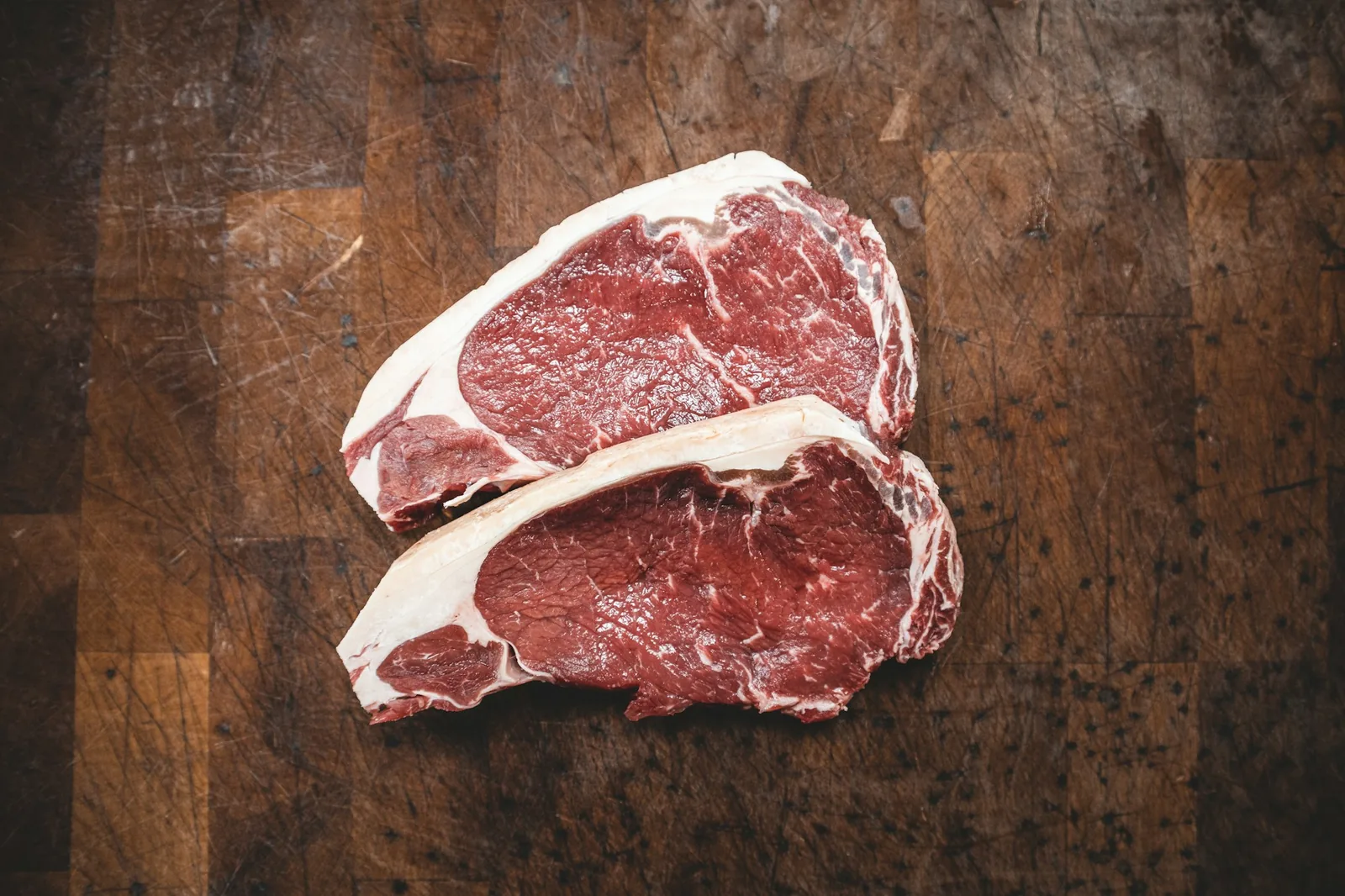
- The beef is cut thin, either sliced before cooking or pressed flat.
- It is seasoned simply — salt, pepper, sometimes garlic or a squeeze of citrus.
- It goes onto a very hot flat top so the surface browns before the inside overcooks.
- Onion, and often jalapeño, cooks alongside it on the same surface.
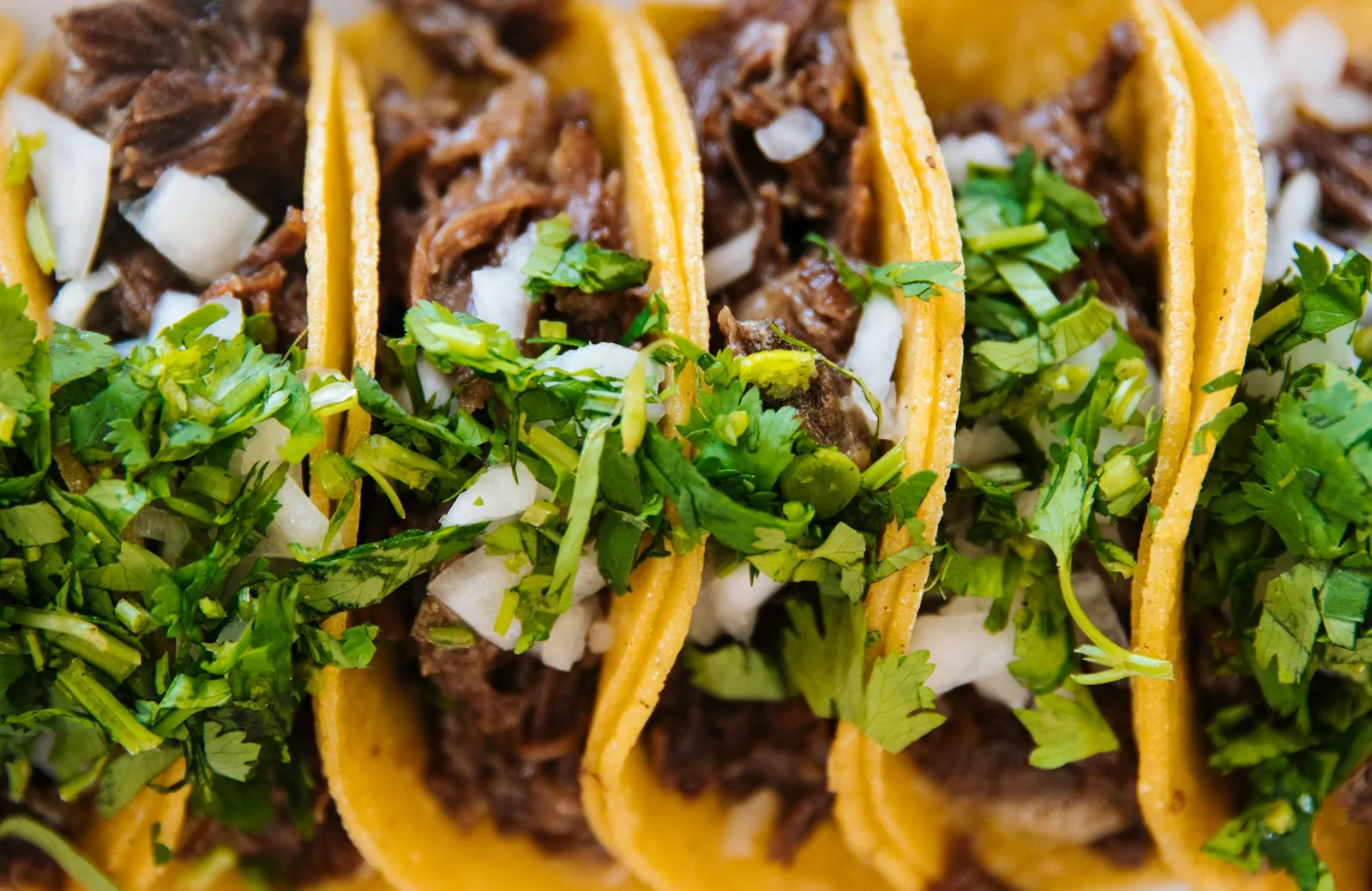
- Once cooked it is chopped small so it sits evenly in a tortilla.
Speed is the whole technique. Thin beef on a hot surface develops a browned, savoury crust in a minute or two; leave it longer and it turns dry and tough. This is why bistek is a griddle dish rather than a slow-cooked one.
Which cuts are used
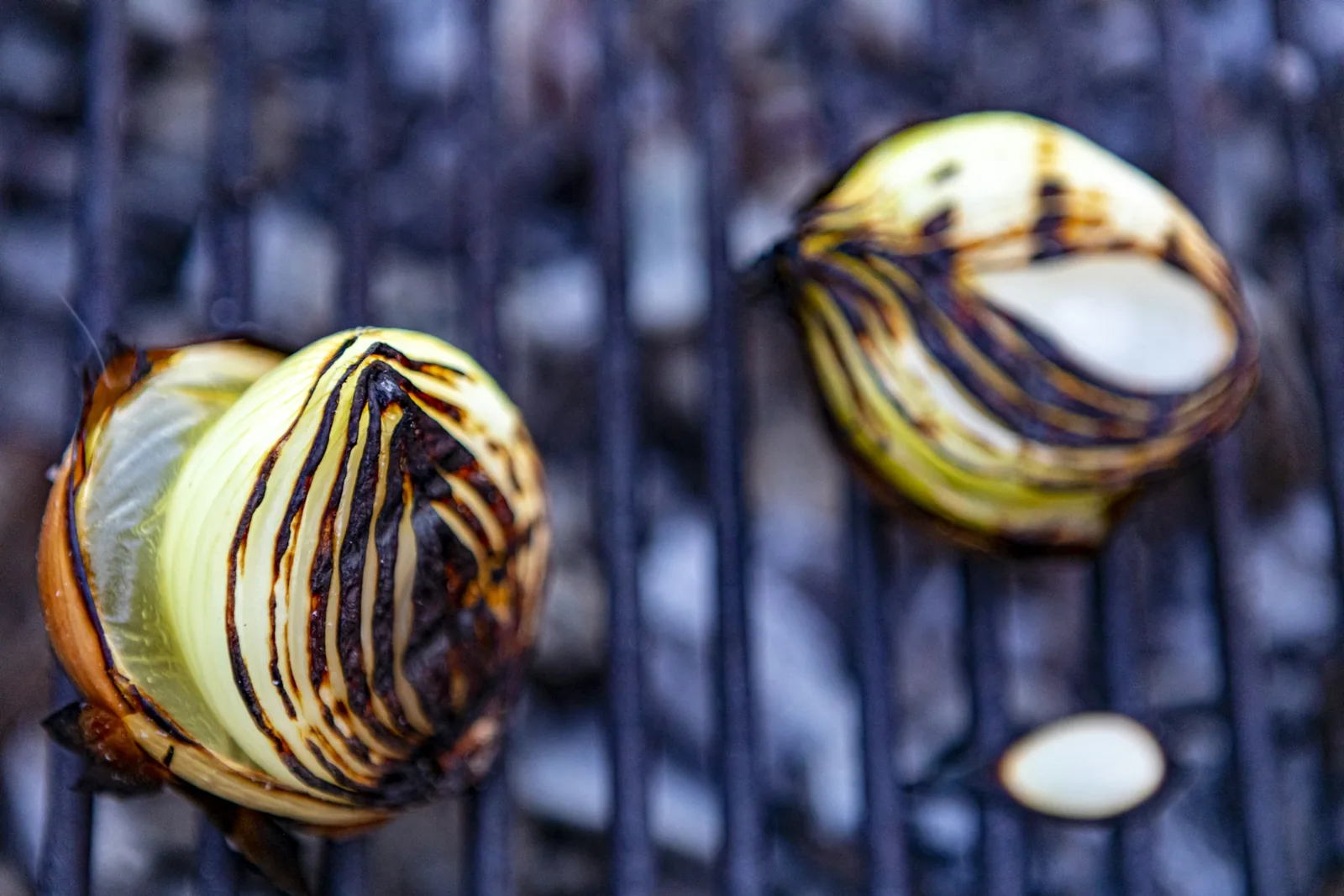
Bistek is not a premium-cut dish, and that is deliberate. The point is thin beef that browns fast, so the cuts chosen are lean, reasonably flavourful and cheap enough to serve at taco prices.
| Cut | What it brings | Watch out for |
|---|---|---|
| Sirloin | Good balance of flavour and tenderness | The most expensive of the usual options |
| Flank | Strong beef flavour, clear grain | Must be cut across the grain or it is tough |
| Round | Very lean, holds its shape when chopped | Dries out quickly if overcooked |
| Chuck | Rich and well marbled | Needs careful trimming; can be chewy |
Whichever cut is used, slicing across the grain matters more than the cut itself. Cutting with the grain leaves long muscle fibres intact and the result is stringy no matter how briefly it is cooked.
What to expect when you order it
- Mild. Bistek carries no built-in heat at all.
- Savoury rather than aromatic. There is no marinade doing the talking, so what you taste is beef and browning.
- A little chewy. These are working cuts, not tender ones. That is normal.
- Good with everything. Because it is neutral, it takes salsa, lime and onion better than more strongly flavoured fillings do.
It is a sensible order if you find spiced or marinated meats overwhelming, or if you want to taste a taqueria’s salsa properly without the filling competing with it.
Making it at home
Bistek is one of the few taqueria fillings that genuinely works in a home kitchen, because it needs no special equipment — just a heavy pan and high heat.
- Slice the beef as thinly as you can across the grain. Firming it in the freezer for twenty minutes first makes this much easier.
- Season simply and let it sit for fifteen minutes. Heavy marinating moves it toward carne asada rather than bistek.
- Get the pan properly hot before anything goes in. A crowded, cool pan steams the beef grey instead of browning it.
- Cook in batches, in a single layer, for a minute or two a side.
- Rest briefly, then chop small and season again to taste.
The most common mistake is cooking too much at once. Beef releases moisture as it heats, and a crowded pan traps that moisture, which prevents browning entirely. Two smaller batches beat one large one every time.
Bistek on an East Texas menu
Doc’s Taco Shop, which operated in Liberty City near Kilgore, Texas from 2020 until 2025, offered three meats across its whole board — pollo, al pastor and bistek — described simply as chicken, pork and beef. Bistek was the beef option in the street tacos, the torta, the quesadillas, the suegrita and the burrito alike.
Running one beef, one pork and one chicken across an entire menu is a common small-kitchen approach, and it means the same well-handled griddle beef turns up in several formats. You can read how each dish was described on the published menu.
Doc’s Taco Shop closed permanently on 19 July 2025. Menu details here are historical, transcribed from the restaurant’s own board.
Cooking beef safely
Thin cuts cook fast, which makes them easy to get right and easy to misjudge. If you are making bistek at home, whole cuts of beef should reach an internal temperature of 145°F with a three-minute rest, and anything ground should reach 160°F. The USDA’s safe minimum internal temperature chart has the full list.
Frequently asked questions
What kind of meat is bistek?
Beef, cut thin. Sirloin, flank and round are all common. The name comes from the English word beefsteak.
Is bistek the same as carne asada?
No. Both are beef, but carne asada is grilled over flame and usually marinated, which makes it smoky and charred. Bistek is cooked fast on a flat griddle and seasoned simply.
Is bistek spicy?
No. It carries no built-in heat. Any spice comes from the salsa you add, or from jalapeños cooked alongside it.
Is bistek the same as Filipino bistek tagalog?
No — they only share the borrowed word. Bistek tagalog is beef marinated in soy sauce and calamansi, and belongs to a completely different cuisine.
In short
Bistek is the quiet option on a taco menu: thin beef, hot griddle, minimal seasoning, chopped and served. If you want to taste the beef and the salsa rather than a marinade, it is the one to order.
For the other end of the flavour spectrum, al pastor is the marinated pork option.