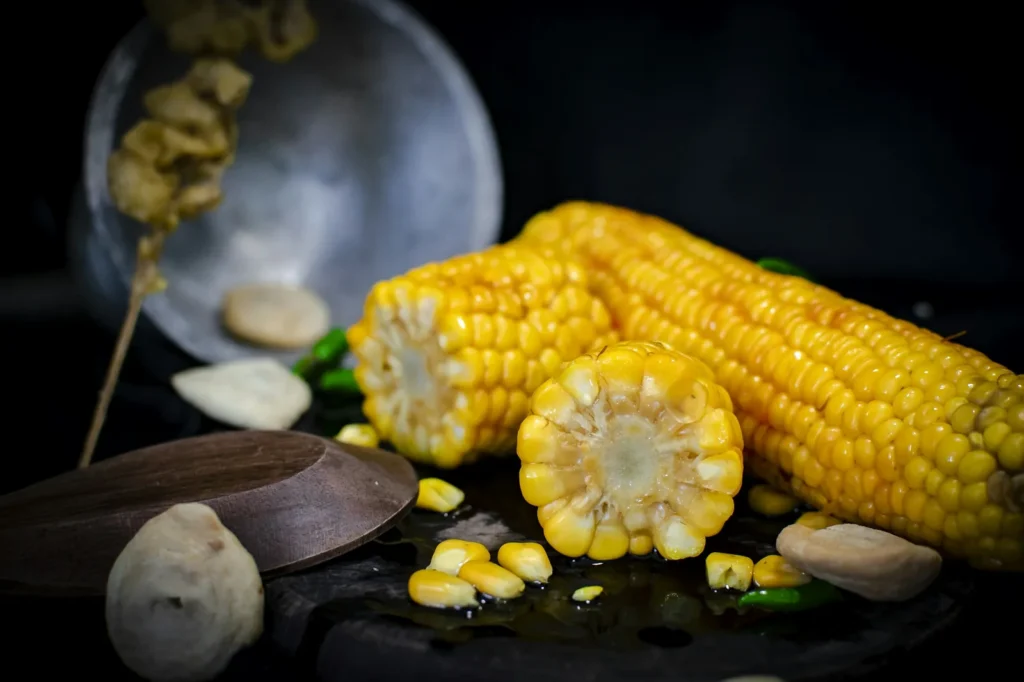
Traditional Mexican eating is close to what dietary guidelines actually recommend: corn, beans, vegetables, chillies, modest portions of meat. The fried, cheese-blanketed, oversized version is a different thing — and most of what makes it different happened north of the border.
So the honest answer is not a verdict. It is a distinction, and it runs along the same line as our Tex-Mex versus Mexican comparison.
This article is general information, not medical or dietetic advice. If you have a diagnosed condition, your clinician’s guidance decides what you eat — not a web page.
What the guidelines actually say
The Dietary Guidelines for Americans are published jointly by the Departments of Health and Human Services and Agriculture and updated every five years, and they describe an eating pattern built on whole, nutrient-dense foods — vegetables, fruit, protein foods, whole grains and healthy fats.
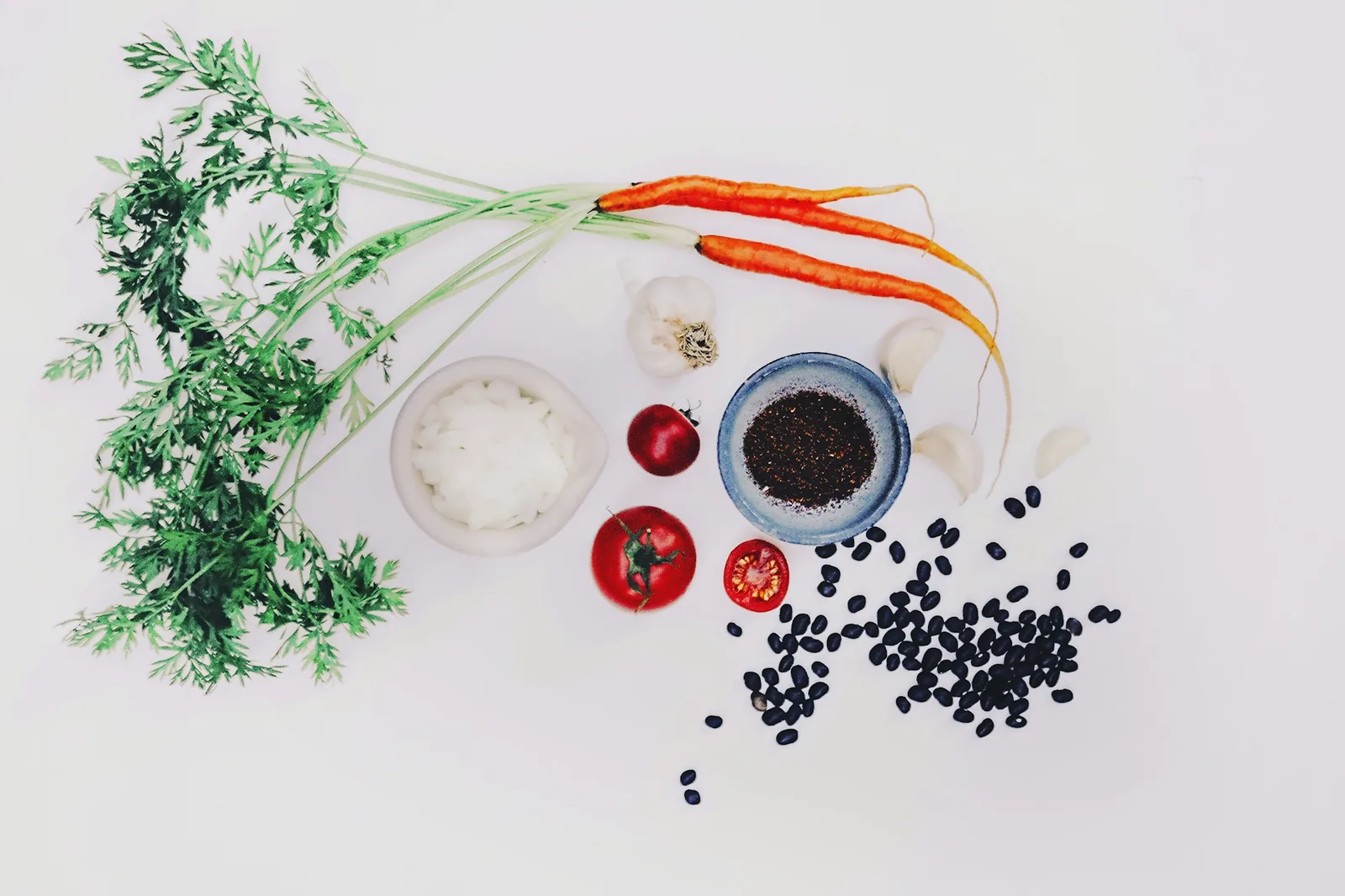
The 2020–2025 edition puts numbers on the limits: under 10 per cent of daily calories from saturated fat and under 10 per cent from added sugars, with sodium also capped. It counts beans, peas and lentils among vegetables, and it states that the core elements of the pattern can be adapted to budget, cultural traditions and personal preference — which is the opposite of treating a cuisine as something to be corrected.
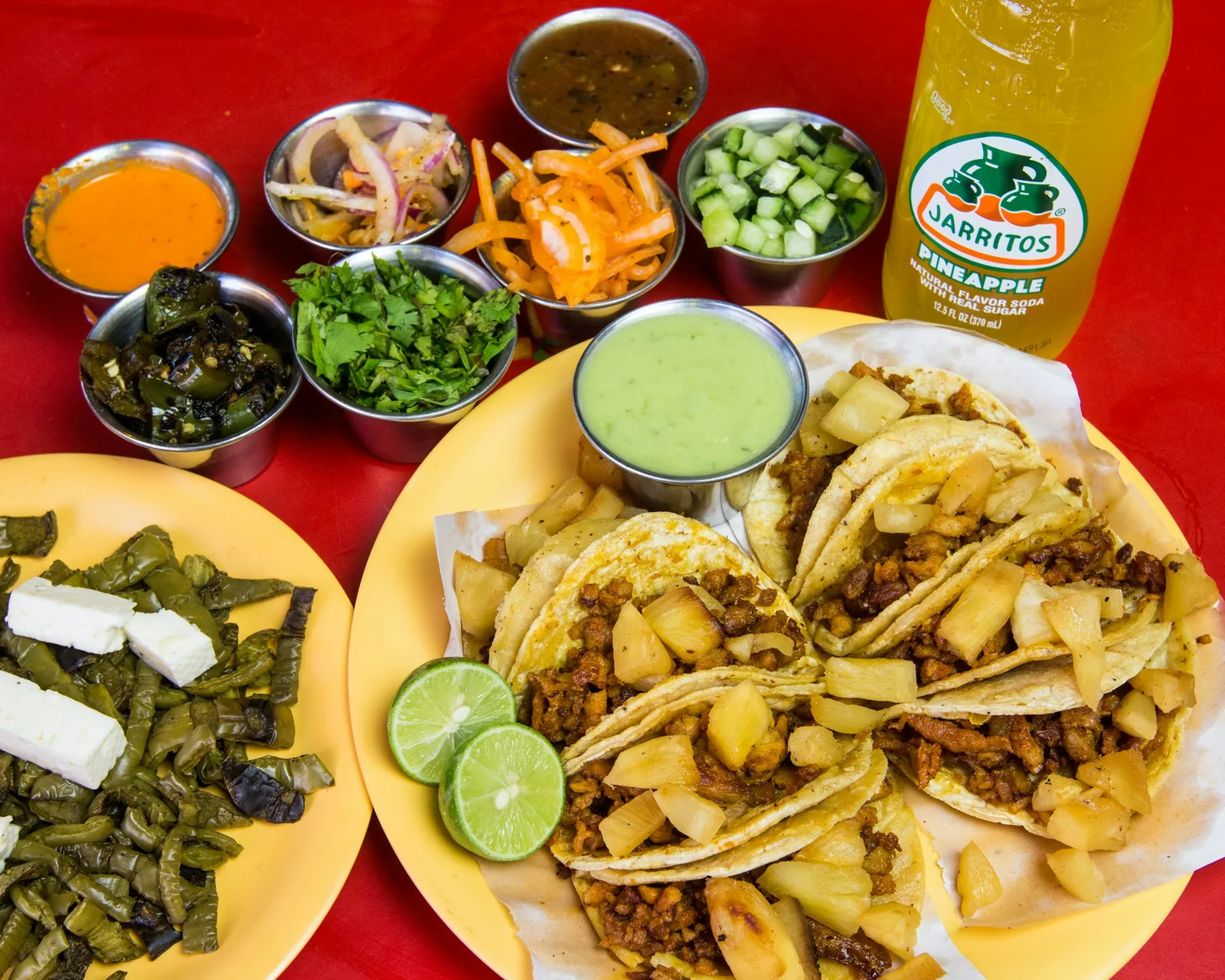
Two things follow. First, a plate of street tacos — whole-grain corn tortillas, a modest portion of grilled meat, raw onion, cilantro, lime and a chilli salsa — sits close to that description without trying. Second, the guidelines explicitly note that the core elements can be adapted to cultural traditions, which is the opposite of treating a cuisine as a problem to be fixed.
The genuinely good parts
| Element | Why it holds up |
|---|---|
| Nixtamalised corn | Whole grain, and the lime treatment adds calcium and improves nutrient availability. See our masa guide |
| Beans | Fibre and plant protein; counted as a vegetable in the guidelines |
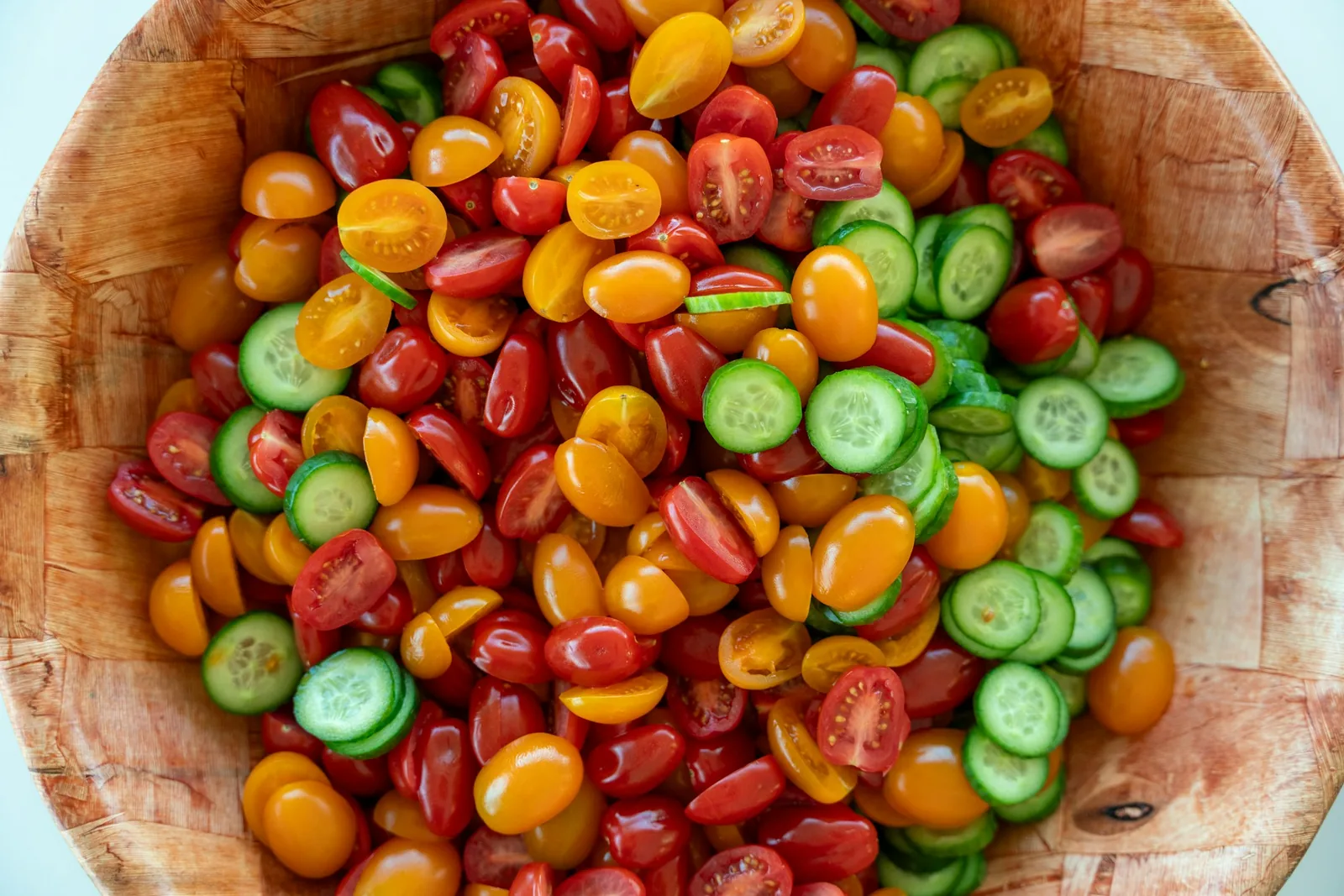
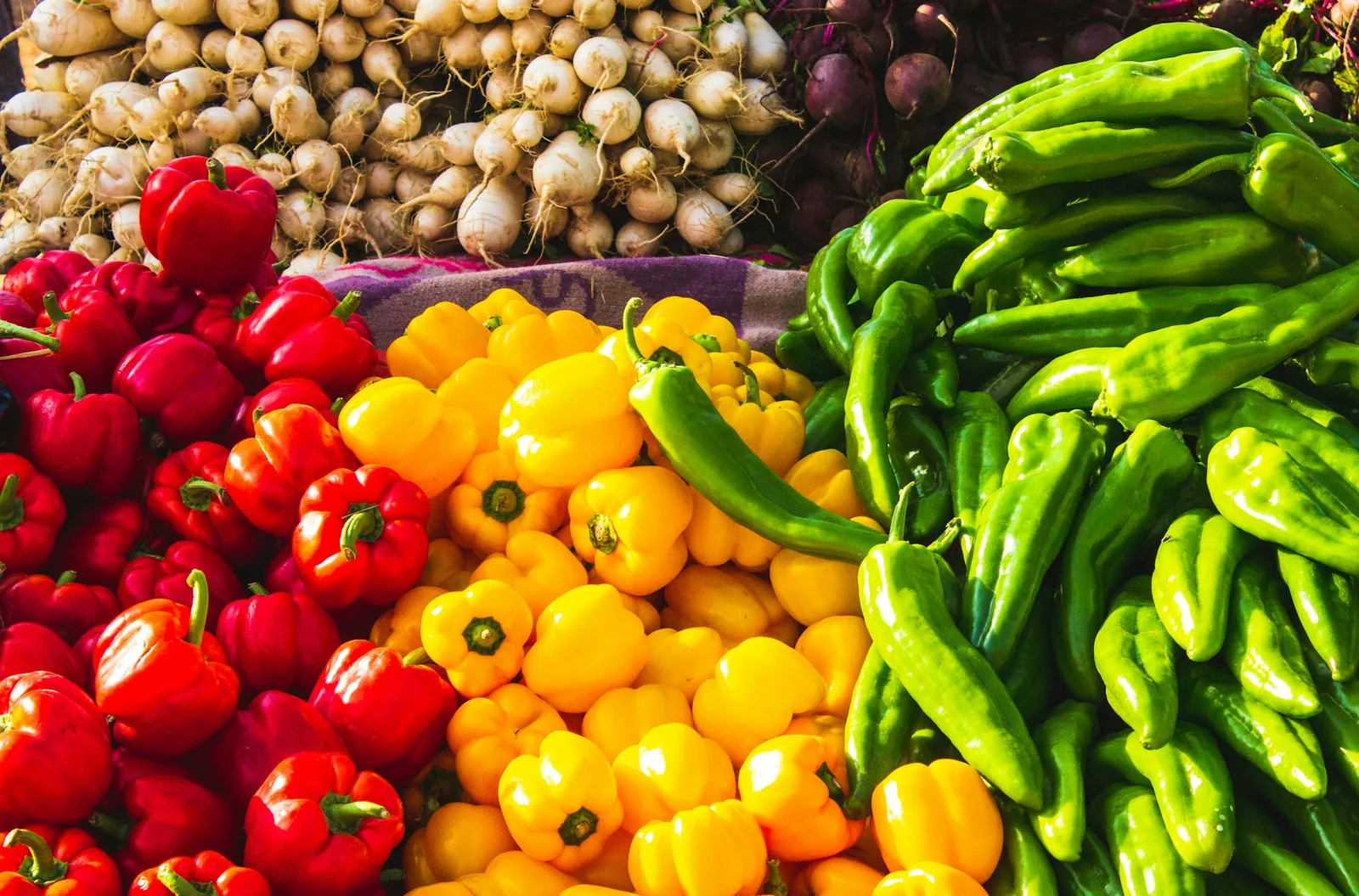
| Chillies, onion, tomato, tomatillo, cabbage | Vegetables, mostly raw, in quantity |
| Lime | Acid instead of added salt or fat for brightness |
| Avocado | Unsaturated fat |
| Portion structure | Tacos are small units, which makes stopping easier than a single large plate does |
The corn point is underrated. Nixtamalisation is not just tradition — it is a processing step that measurably improves the grain, which is why maize could sustain large populations as a staple.
What changes the answer
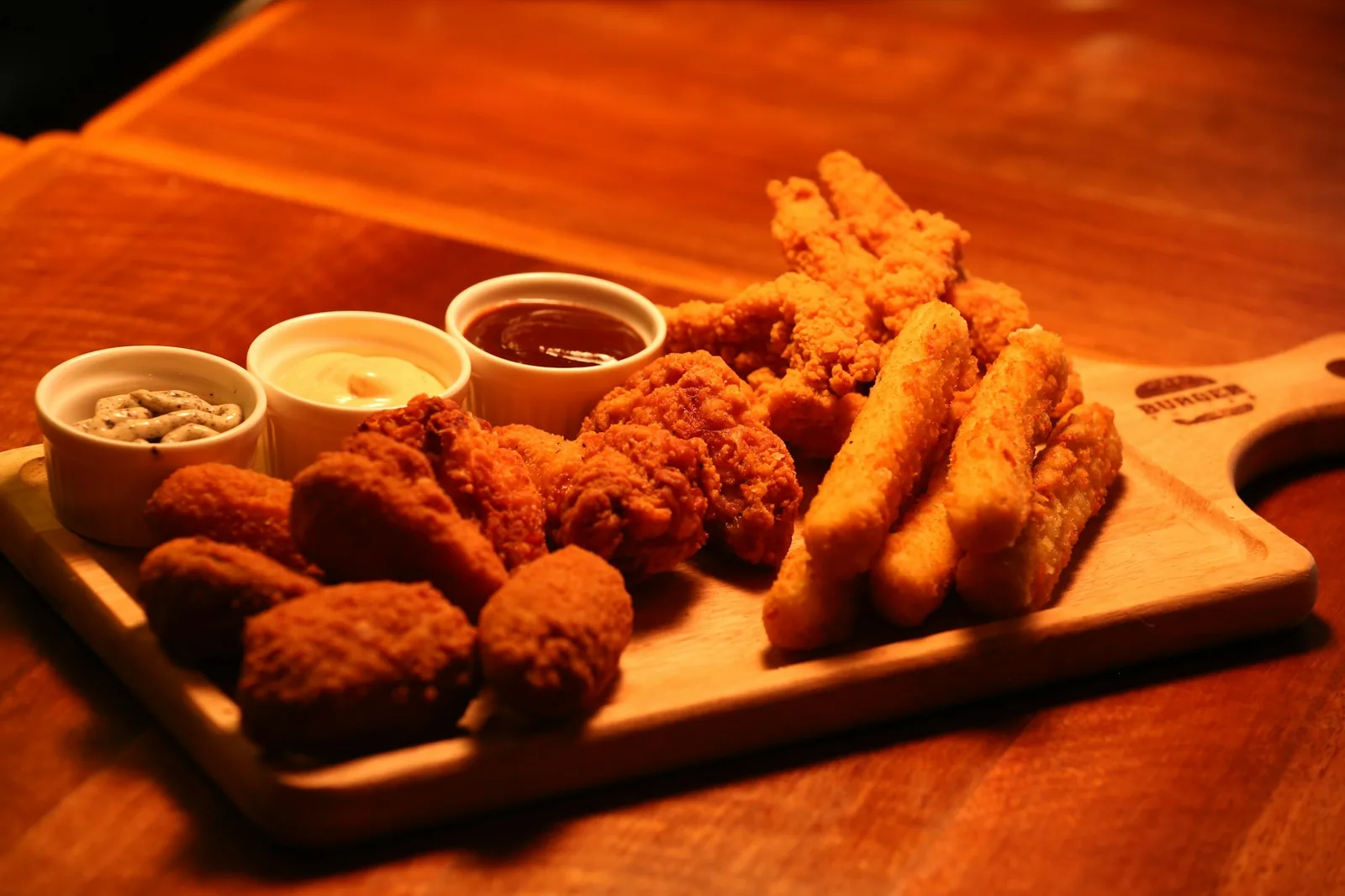
- Frying. A chimichanga is a burrito plus a deep fryer. Flautas, chalupas and chips are all fried.
- Melted cheese in quantity. The clearest Tex-Mex marker, and the main source of saturated fat. See the cheese guide — traditional use is a sparse crumble, not a blanket.
- Sour cream by the spoonful rather than a drizzle of crema.
- Portion size. A combination plate is a large amount of food. Three tacos is not.
- Sweet drinks. Horchata and agua de jamaica are both heavily sweetened as served.
Notice the pattern: almost every item on that list is an addition or an amplification rather than something intrinsic to the cuisine. That is the actual finding.
Ordering the better version
- Order tacos rather than a combination plate. Small units, less cheese, and you can stop.
- Choose corn over flour. Whole grain, smaller, and it is the traditional default anyway.
- Take grilled over fried: carne asada, pollo asado, bistek rather than anything battered.
- Say yes to the garnishes. Onion, cilantro, cabbage, radish and lime are free vegetables and they are the point of the dish, not decoration.
- Ask for cheese and crema on the side, or skip them.
- Drink water, or ask for the agua fresca unsweetened if that is possible.
What Doc’s board looked like on this
Mixed, and legibly so. Its street tacos were the lean end — corn tortilla, one meat, onion, cilantro, cabbage, no cheese and no cream. Its chalupa, both elote builds, The Gringo, Keith’s Salad and both quesadillas carried cheese, sour cream, crema or mayo, and several carried more than one.
That is a board with a genuinely light option and a lot of rich ones, which describes most Mexican-American restaurants. The lean thing was there; you had to order it.
Doc’s Taco Shop closed permanently on 19 July 2025. Its 2023 menu board is preserved here as a historical record, and the notes above are read from it rather than from any current information. You can read the full menu as Doc’s published it or read how the shop came about.
Frequently asked questions
Is Mexican food healthy?
Traditional Mexican eating — corn, beans, vegetables, chillies and modest meat portions — is close to what dietary guidelines describe. Frying, heavy melted cheese and large portions are what change the answer, and most of those are American additions.
Are tacos healthy?
Street tacos are among the better options at any Mexican restaurant: a small whole-grain corn tortilla, a modest portion of grilled meat and raw vegetables. Hard-shell tacos loaded with cheese and sour cream are a different dish.
Are refried beans healthy?
The beans are — fibre and plant protein, counted as a vegetable in the Dietary Guidelines. How much fat was added in the frying is what varies, and it varies a lot between a home kitchen and a restaurant.
What is the healthiest thing to order at a Mexican restaurant?
Grilled-meat tacos on corn tortillas with plenty of the standard garnishes and salsa, cheese and crema on the side. Or a caldo, if there is one.
Is Mexican food high in calories?
It depends entirely on which version. Corn, beans and grilled meat are not. Fried shells, melted cheese, sour cream and combination-plate portions are.
The short version
The cuisine is not the problem and it is not health food either. Corn, beans, vegetables and grilled meat align well with dietary guidance; the fryer, the cheese blanket and the portion size are what move the needle. Order tacos, take the garnishes, put the cheese on the side.