
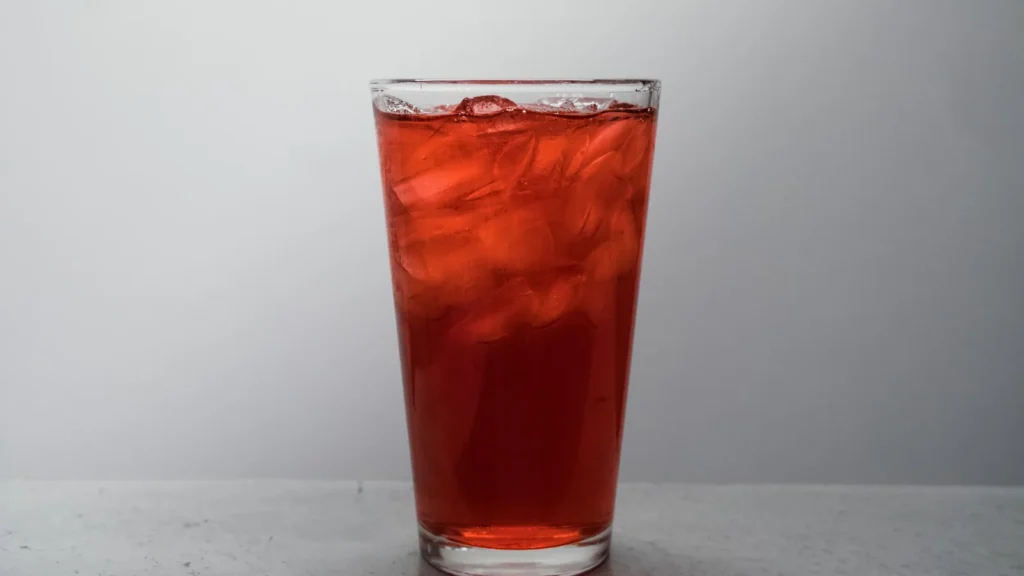
Agua de jamaica is dried hibiscus steeped in water, sweetened and served cold. It is deep red, sharply tart, caffeine-free, and it is the agua fresca to order if you find horchata too sweet.
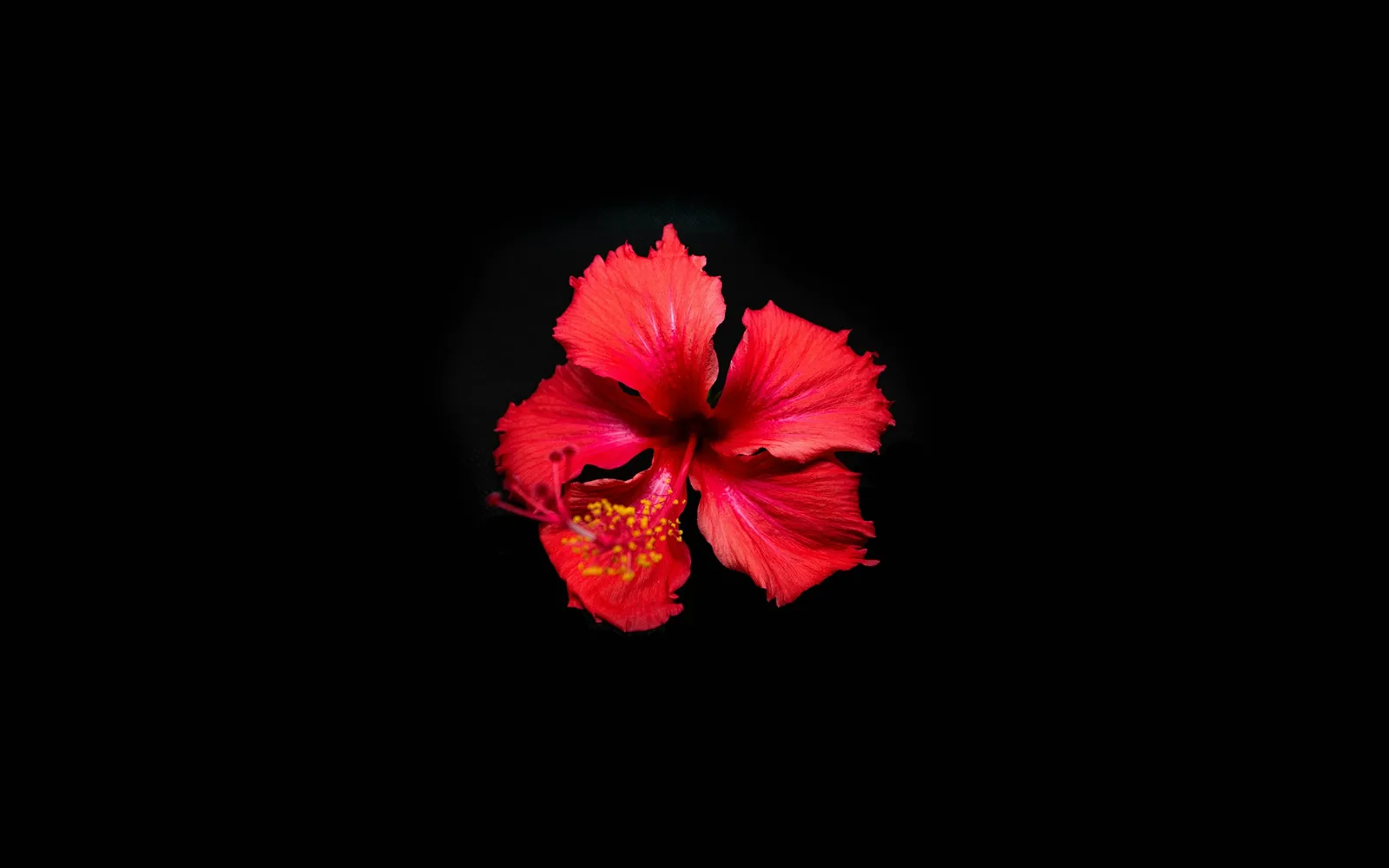
The word is pronounced ha-MY-ka, and it refers to the flower, not to the island. Confusingly, it is not really the flower either — it is the calyx, the fleshy part left behind after the bloom drops.
What it is made from
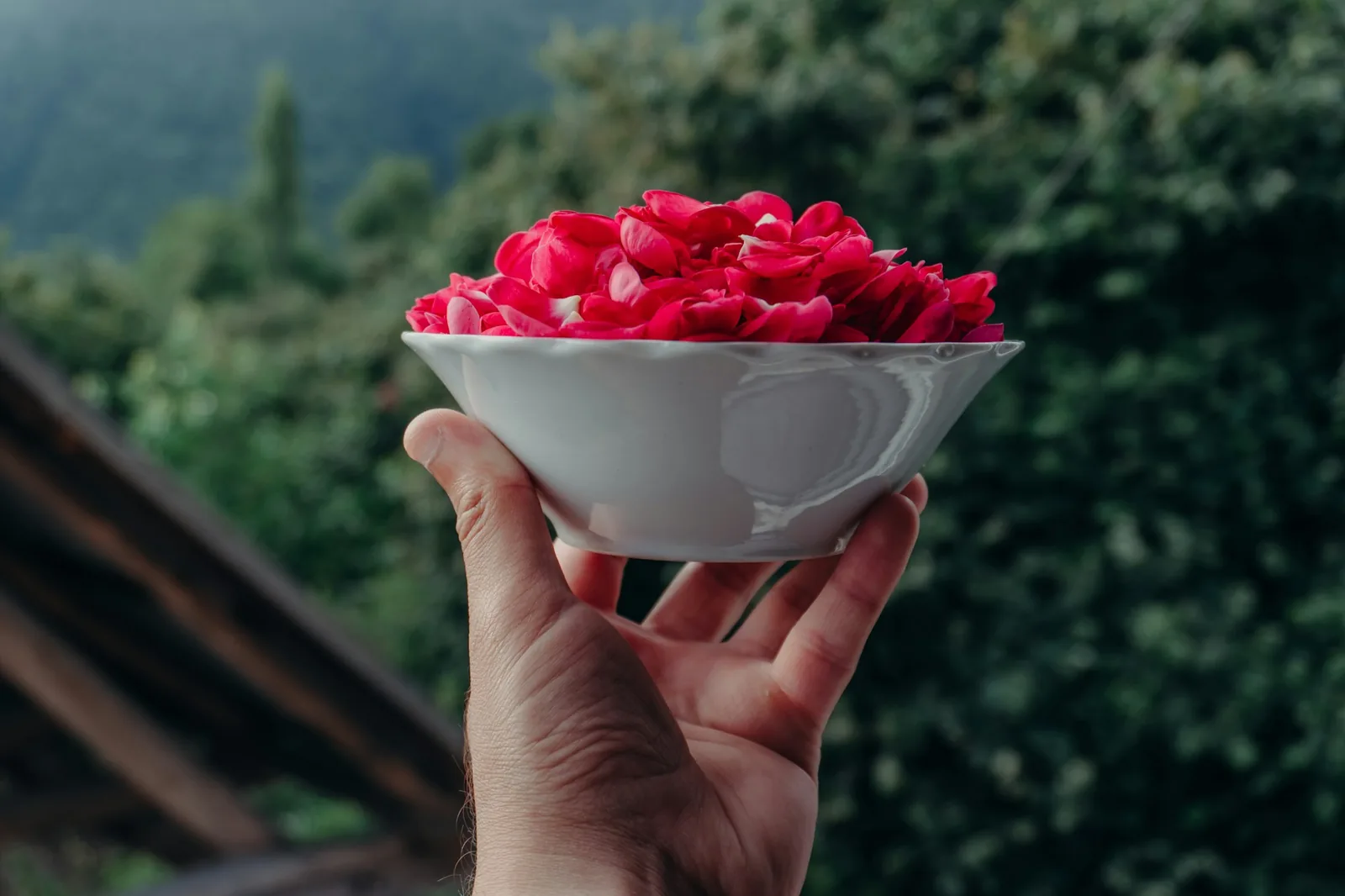
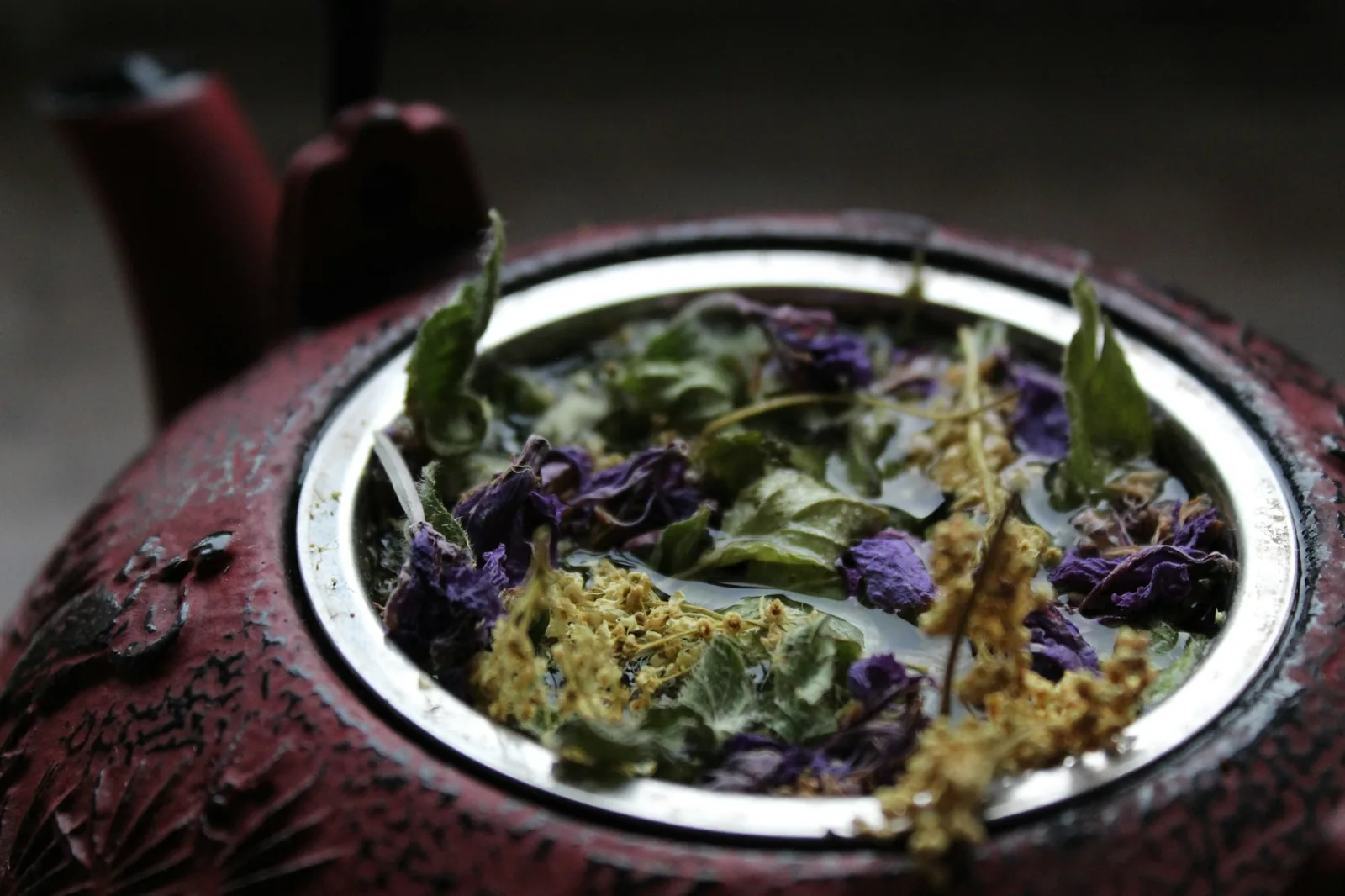
Dried calyces of Hibiscus sabdariffa, sometimes called roselle. They are steeped in hot water like a tea, strained out, sweetened with sugar and chilled. Three ingredients, one of which is water.
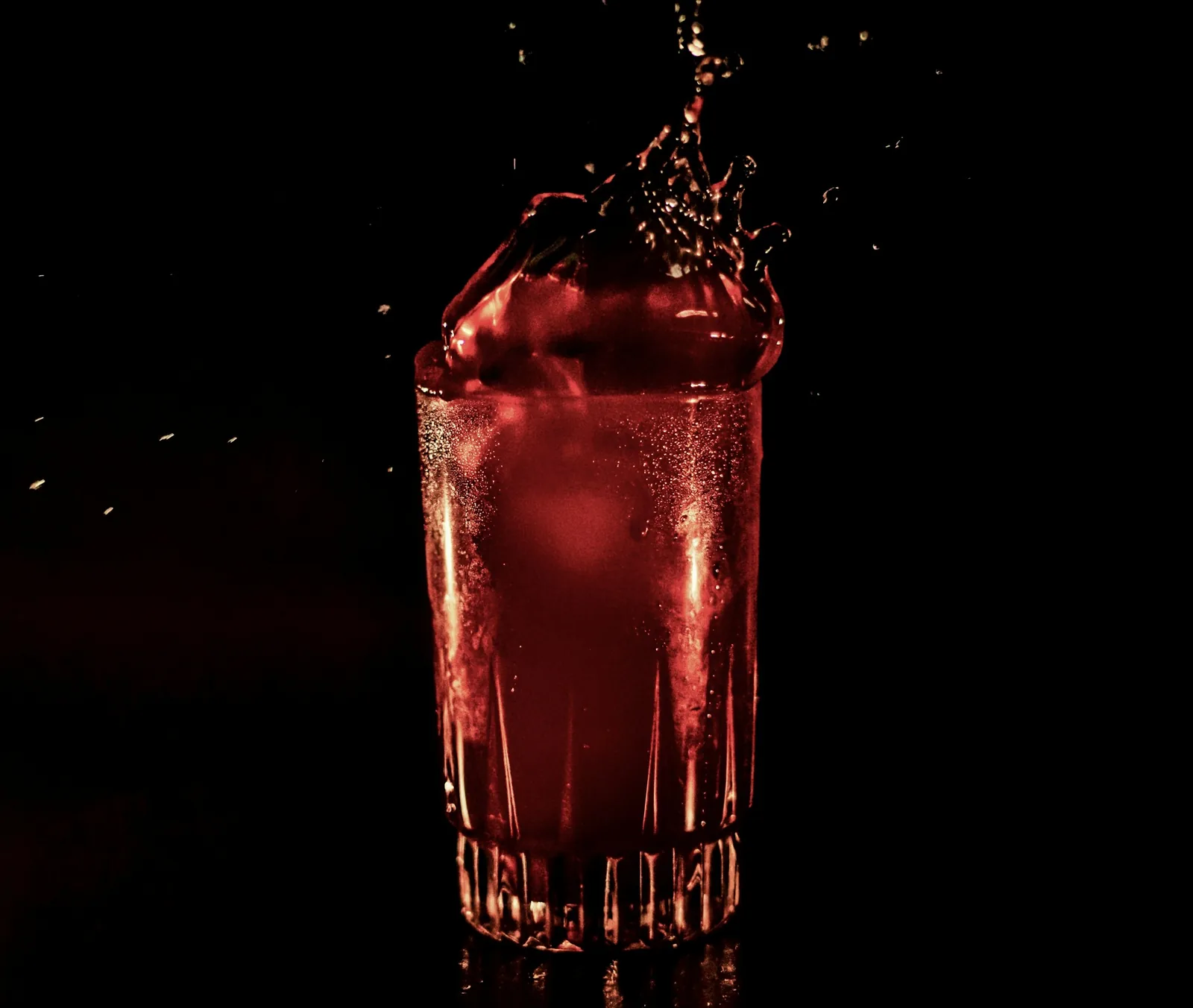
The colour is startling and entirely natural: a deep magenta-red that stains. The flavour is the reason people order it — sharply tart, faintly floral, closest to unsweetened cranberry, and more refreshing than sweet when it is made well.
How to tell a good one
Agua de jamaica is easy to make and easy to make badly, and the failure modes are visible in the glass.
- It should be translucent, not opaque. Hold it up. A good one is jewel-clear deep red; a murky one has usually been made from powder or concentrate.
- Tart should arrive before sweet. If the first impression is sugar, the infusion was too weak and sweetener is doing the work.
- It should not taste stewed. Boiling the calyces hard or steeping them too long pulls out a bitter, tannic edge.
- Cold, not lukewarm. The tartness reads as harsh rather than refreshing if it is not properly chilled.
Where it sits among the aguas frescas
| Agua fresca | Made from | Sweetness | Colour |
|---|---|---|---|
| Jamaica | Dried hibiscus calyces | Tart, lightly sweetened | Deep red |
| Horchata | Rice and cinnamon | Sweet, creamy | Opaque white |
| Tamarindo | Tamarind pulp | Sour-sweet | Cloudy brown |
| Piña / sandía / melón | Blended fresh fruit | Straightforwardly sweet | As the fruit |
Jamaica and horchata are the two that turn up most reliably, and they are opposites: one tart and translucent, one sweet and opaque. Between them they cover most preferences, which is presumably why they endure.
What it goes with
- Rich, fatty food. The acidity cuts through carnitas or birria the way a squeeze of lime does.
- Anything fried. Same reason.
- Salty food. Tart against salty is a reliable pairing.
- Less good with heat. For genuine chilli burn, sweetness and fat help more than acid does — which is horchata’s territory, not jamaica’s.
It is also the drink most likely to be offered unsweetened or lightly sweetened if you ask, since the base infusion is not sweet at all.
The leftover flowers get eaten too
Once the calyces have been strained out of the infusion they are not spent. They are chewy, still tart, and meaty enough in texture that they are chopped and used as a filling — tacos de jamaica are a genuine dish, usually sautéed with onion and chilli, and they turn up on vegetarian menus across Mexico.
This is the same instinct behind chilaquiles and refried beans: the second use of an ingredient is treated as an opportunity rather than as leftovers. If you see jamaica listed as a taco filling, that is what it is, and it is worth ordering.
About the health claims
Hibiscus is widely marketed as lowering blood pressure and cholesterol, and those claims are repeated confidently across most pages about this drink. The evidence is weaker than the confidence suggests.
The National Center for Complementary and Integrative Health, part of the US National Institutes of Health, notes in its overview of cholesterol management that hibiscus has been studied for cholesterol and has not been found effective. Research on blood pressure exists and some of it is encouraging, but it is not settled, and study doses are not the same thing as a sweetened drink at a taqueria.
Two practical points that are better established than the benefits. Hibiscus may interact with blood-pressure medication, so if you take any it is worth a word with your clinician before drinking it in quantity. And as served, agua de jamaica usually contains a great deal of added sugar — whatever the flower does, the sugar is also in the glass.
This is general information, not medical advice. Nothing here is a recommendation to use hibiscus to treat any condition.
A note on Doc’s
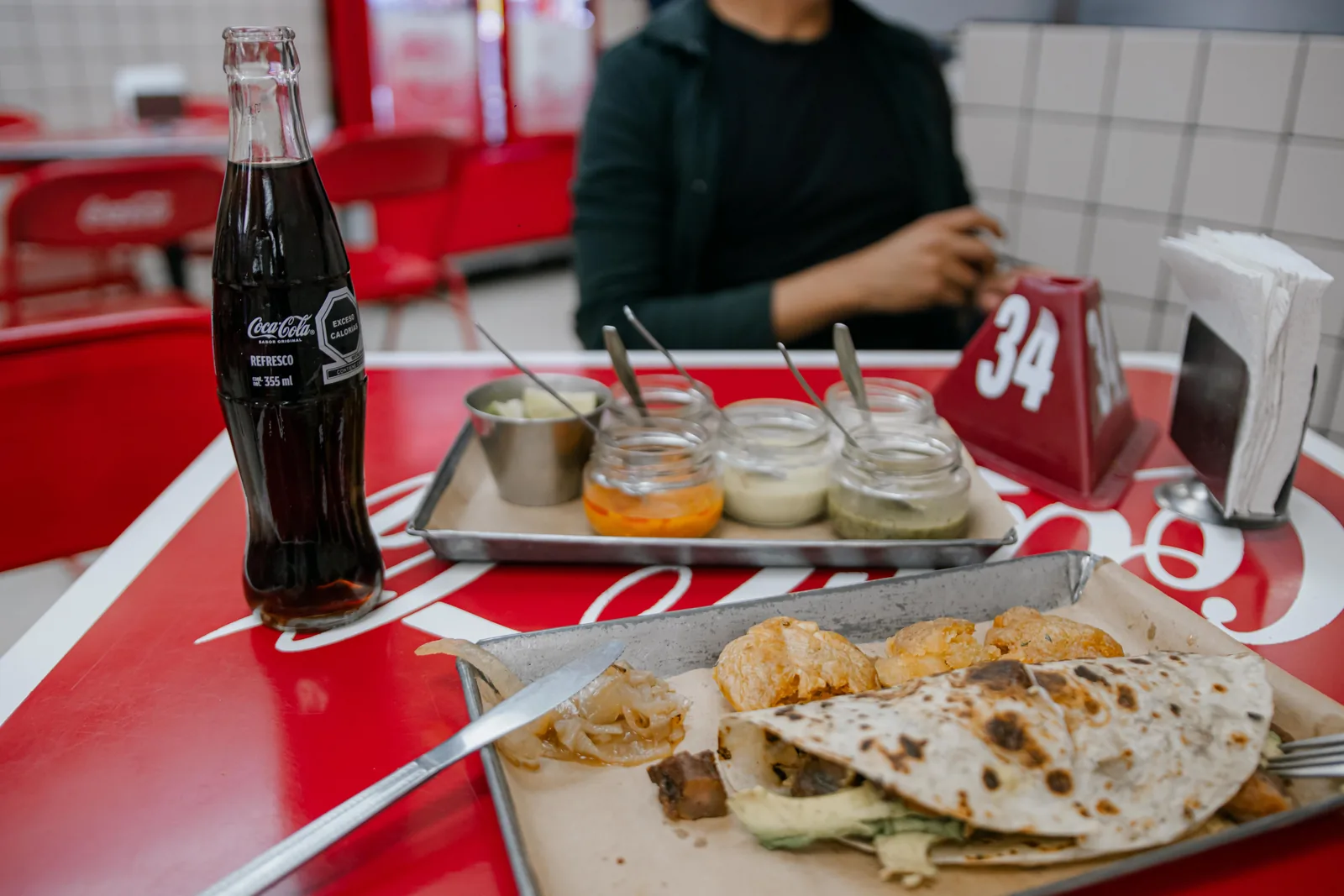
Doc’s board carried agua de horchata but no jamaica — the drinks list otherwise ran to glass-bottle sodas, Jarritos, Topo Chico and beer. Carrying one agua fresca rather than a full row of barrels is normal for a small shop; the barrels are a volume proposition.
Jamaica appears here because our horchata guide names it twice as the obvious alternative and never says what it is.
Doc’s Taco Shop did not serve this. The shop ran three meats across its whole board — pollo, al pastor and bistek — and closed permanently on 19 July 2025. This article is here because our own guides kept mentioning the dish without ever explaining it. You can read the full menu as Doc’s published it or look through the photo gallery.
Frequently asked questions
What does agua de jamaica taste like?
Tart and floral, closest to unsweetened cranberry juice, with a clean finish. How sweet it is depends entirely on the kitchen.
Is agua de jamaica caffeine-free?
Yes. It is a flower infusion rather than a tea leaf, so it contains no caffeine.
Is jamaica the same as hibiscus tea?
Essentially, yes — both are infusions of dried Hibiscus sabdariffa calyces. Agua de jamaica is the Mexican version, sweetened and served cold.
Does agua de jamaica lower blood pressure?
The evidence is not settled. NCCIH reports hibiscus has been studied for cholesterol and not found effective; blood-pressure research is ongoing and mixed. It may also interact with blood-pressure medication, so ask a clinician.
Why is it called jamaica?
It is the Spanish name for the hibiscus plant used to make it. It has nothing to do with the island, and is pronounced ha-MY-ka.
The short version
Steeped dried hibiscus, sweetened, served cold. Deep red, sharply tart, caffeine-free, and the best thing on the barrel row for cutting through rich food. Treat the health claims with more caution than the internet does.