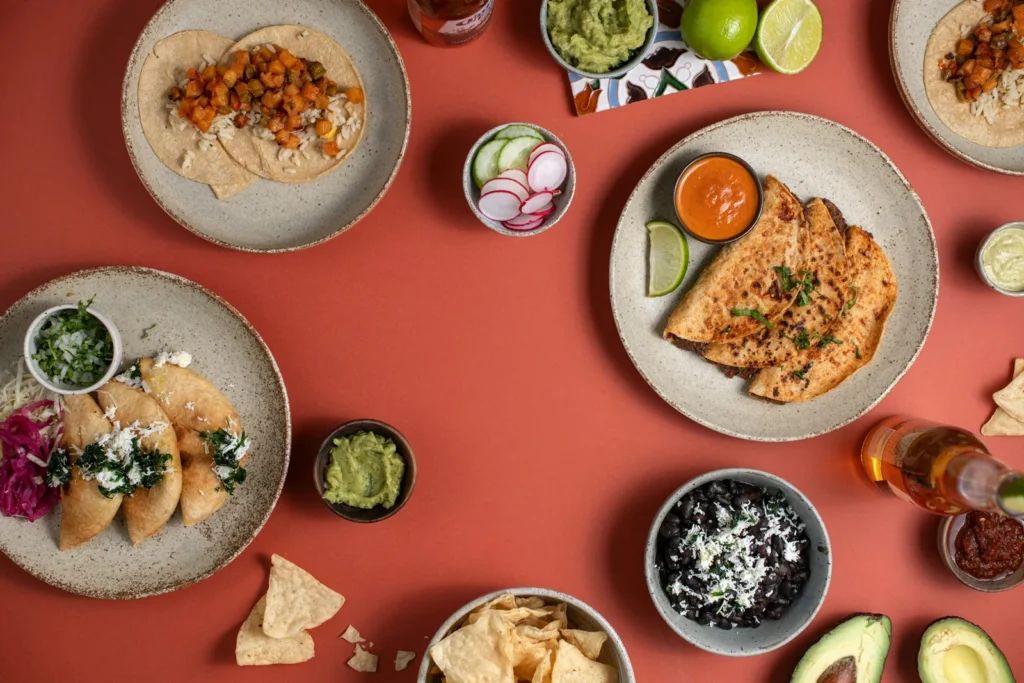
The plant-based core of Mexican food is enormous: corn tortillas, beans, salsa, avocado, grilled vegetables, rice. Almost none of it needs animal products. The difficulty is that several of those things are traditionally made with animal fat, and you cannot see it.
Lard is the main one. It is in beans, in tamal masa, often in flour tortillas, and sometimes in the oil a kitchen fries in.
This article is general information, not medical or dietetic advice. If you have a diagnosed condition or a food allergy, your clinician’s guidance and the restaurant’s own answers decide what you eat — not a web page.

The lard problem, itemised
| Looks plant-based | Often is not | Why |
|---|---|---|
| Refried beans | Lard | The traditional frying fat |
| Mexican rice | Chicken broth | Cooked in it rather than in water |
| Tamales | Lard in the masa | Whipped in; it is what makes them light |
| Flour tortillas | Lard | Corn tortillas do not have this problem |
| Sopes and huaraches | Lard in the masa or on the griddle | Both, sometimes |
| Chilaquiles | Broth in the salsa, cream and cheese on top | Ask for it without the dairy |
The Vegetarian Resource Group’s guidance on hidden ingredients makes a point worth carrying into any restaurant: it is impossible to be completely certain about ingredients, because sources and recipes change, so the honest approach is to ask, use judgement and accept some uncertainty. That applies more at a small kitchen cooking from scratch than at a chain working from spec sheets — which cuts both ways.
What is reliably vegan
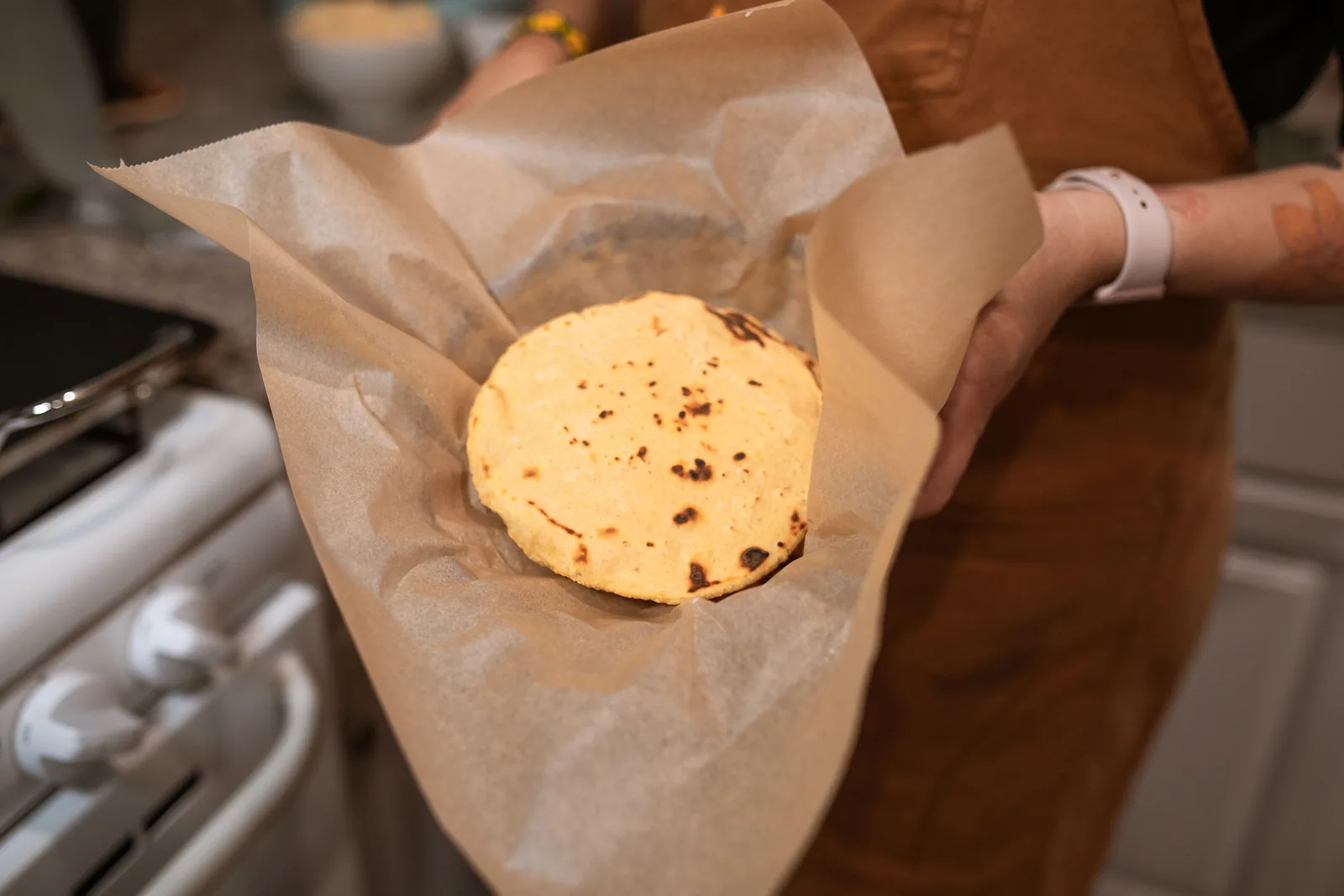
- Corn tortillas — corn, water, lime.
- Salsas — almost always. A few are made with broth or lard; most are not.
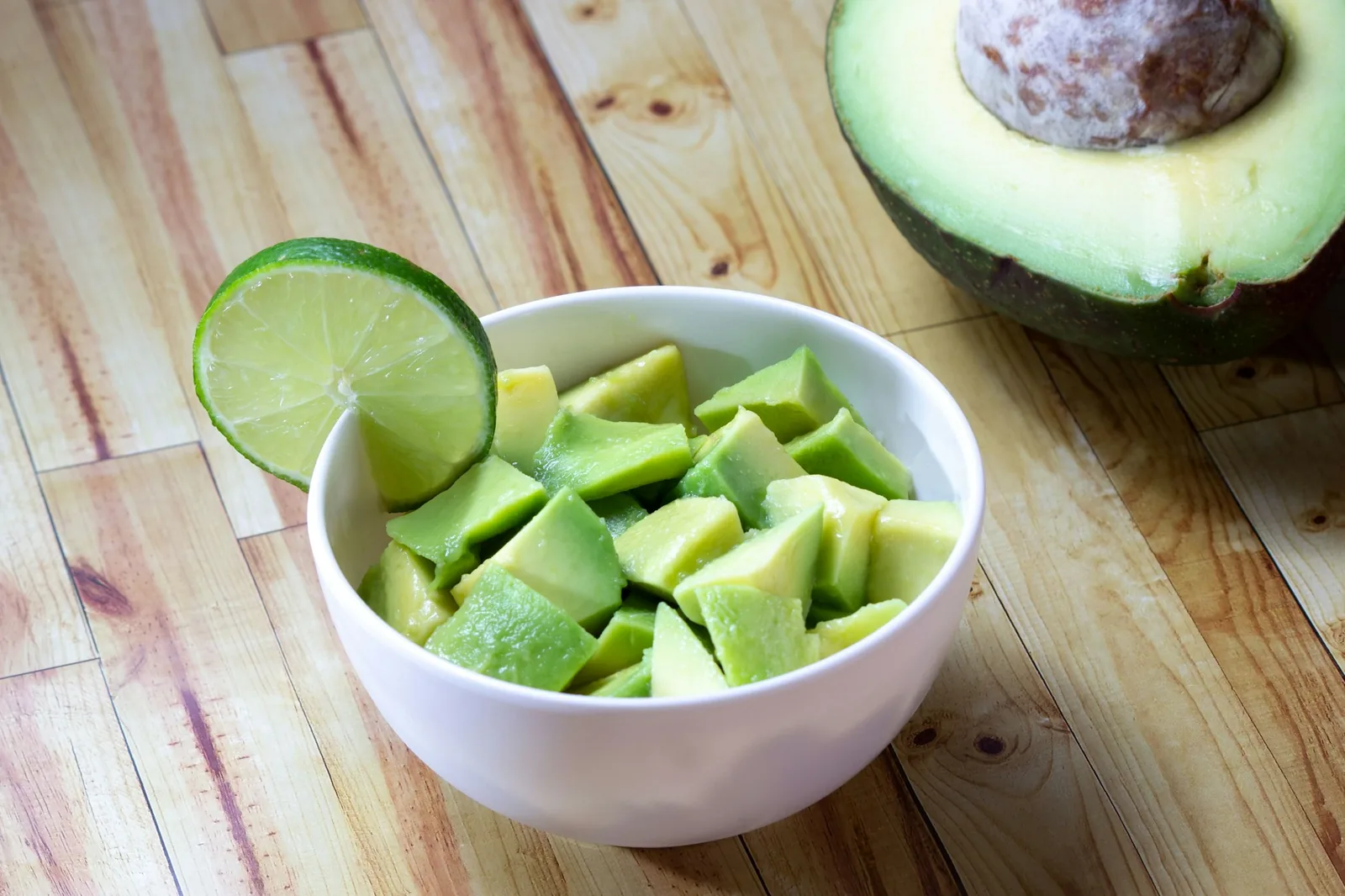
- Guacamole — avocado, lime, onion, chilli, cilantro. Occasionally cream is added, so glance at it.
- Grilled vegetables and nopales.
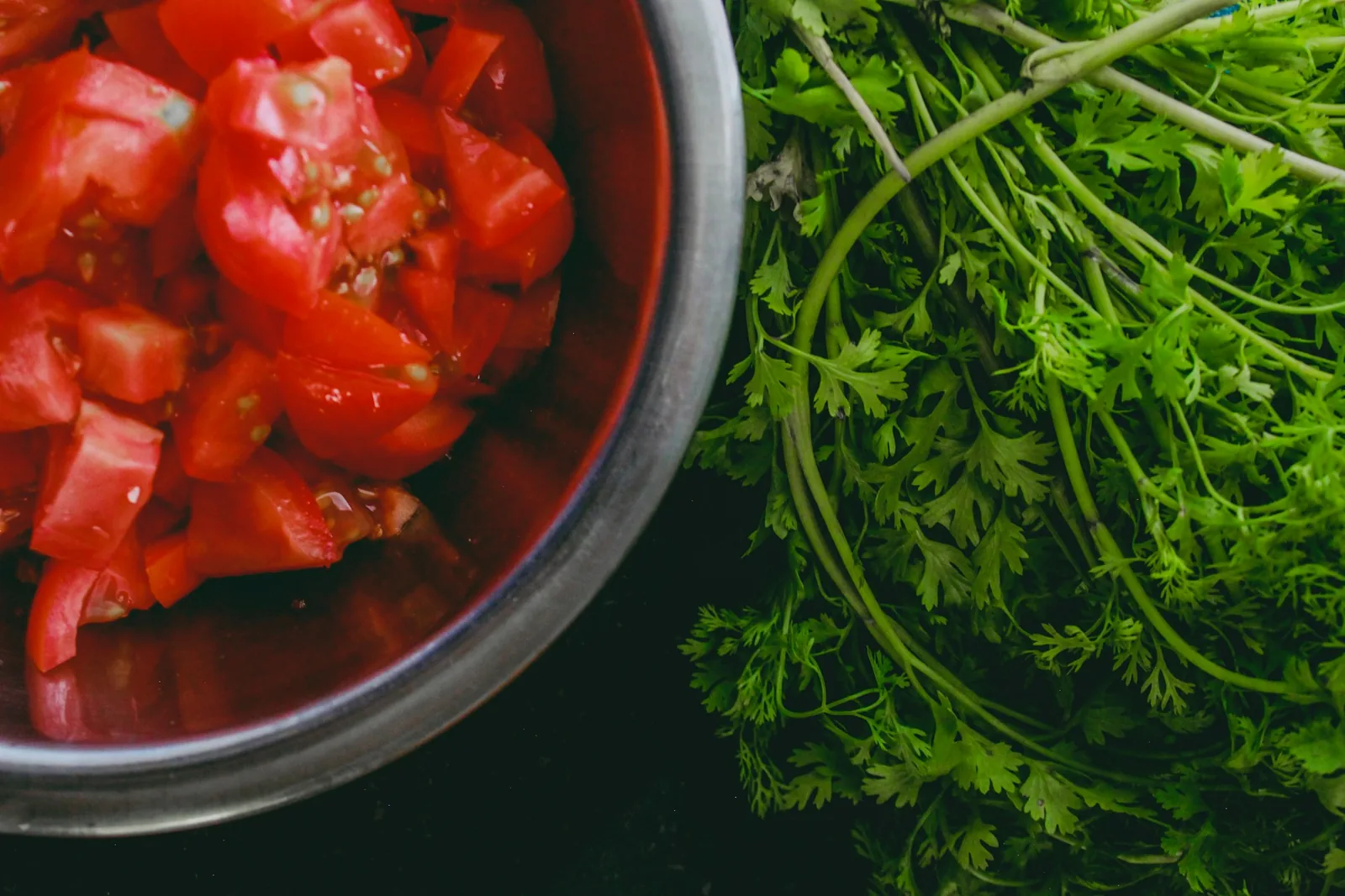
- Pico de gallo — raw chopped vegetables.
- Agua de jamaica and fruit aguas frescas — water, fruit or flowers, sugar. Horchata is the exception; it often contains milk.
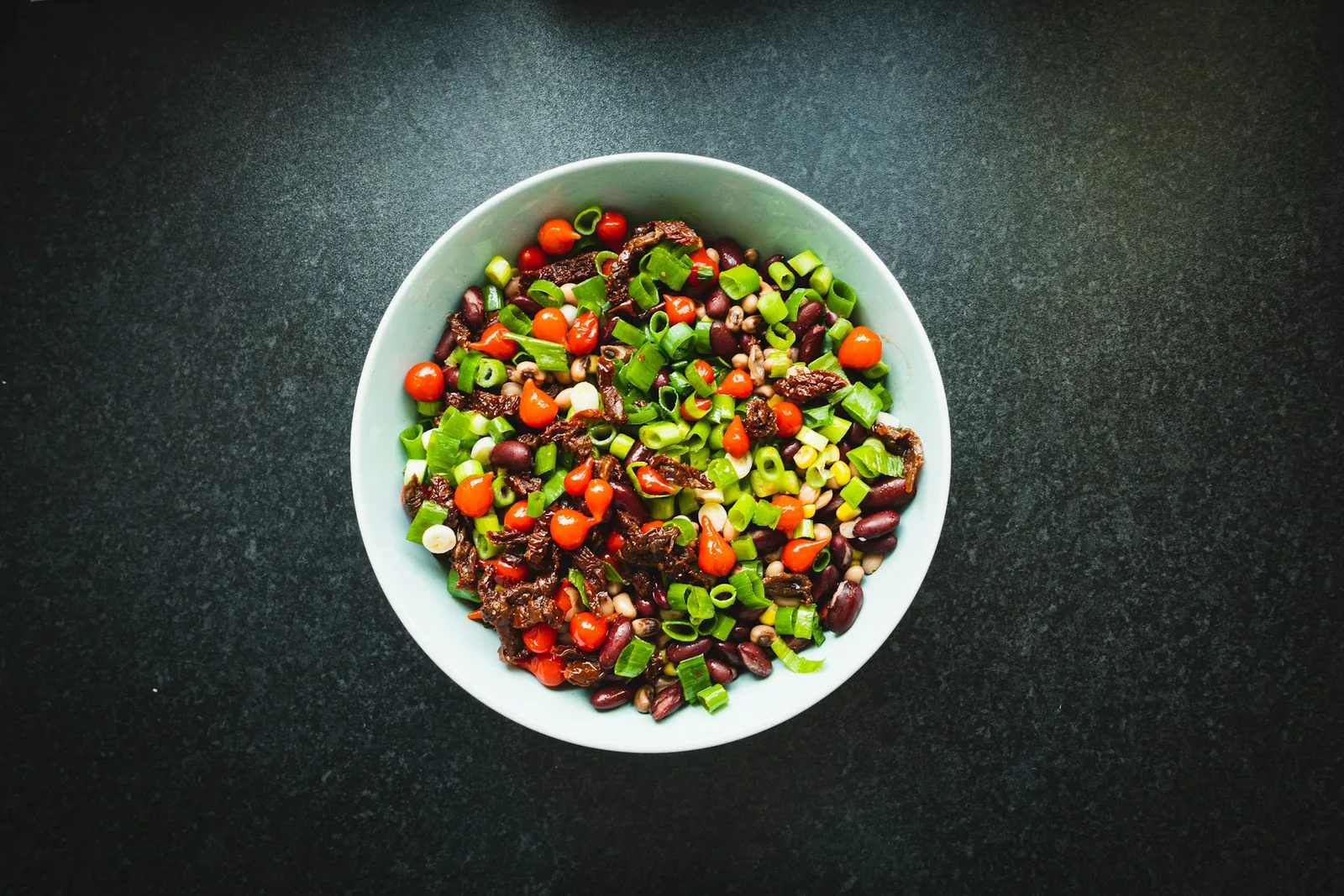
- Whole beans cooked in water — if the kitchen does them that way.
Building a genuinely good vegan order
The mistake is treating this as subtraction — a taco with the meat left out. The better approach is to order things that were never built around meat.
- Tacos de nopales, hongos or flor de calabaza on corn tortillas. Ask for no cheese and no crema.
- A side of guacamole and a side of whole beans, if the beans are made with water.
- Grilled vegetables, which most taquerias will do on request because the griddle is already running.
- Plenty of salsa, onion, cilantro and lime — the standard garnishes are all plant-based and they do most of the flavour work anyway.
In central Mexico this is easier than it sounds. A great deal of Mexico City street food is masa, beans, salsa and vegetables, and vegetarian guisados are standard rather than special.
How to ask
Spanish, since these are the questions that matter:
- ¿Tiene manteca? — does it have lard?
- ¿Tiene caldo de pollo? — does it have chicken broth?
- Sin queso y sin crema, por favor — no cheese and no cream, please.
- Soy vegano / vegana — I am vegan. Increasingly understood, though not universally.
One practical note: asking about lard is a completely ordinary question and not a fussy one. Plenty of Mexican cooks make beans both ways for exactly this reason.
What Doc’s board offered
Almost nothing. Doc’s 2023 board listed a side of avocado and a side of grilled onion and jalapeño, and everything else contained meat, cheese, crema, mayo or Parmesan. Its elote was built with mayo, butter, sour cream and Parmesan, so not even the corn was an option.
Doc’s Taco Shop closed permanently on 19 July 2025. Its 2023 menu board is preserved here as a historical record, and the notes above are read from it rather than from any current information. You can read the full menu as Doc’s published it or look through the photo gallery.
Frequently asked questions
Is Mexican food vegan-friendly?
The core ingredients are — corn, beans, chillies, vegetables, avocado. The difficulty is lard in beans, tortillas and tamal masa, and chicken broth in rice, none of which is visible.
Do refried beans have lard?
Traditionally yes. Many restaurants and most commercial tins now use vegetable oil instead, but it varies and it is worth asking.
Are corn tortillas vegan?
Yes. Nixtamalised corn, water and lime. Flour tortillas are the ones that sometimes contain lard.
Is guacamole vegan?
Usually — avocado, lime, onion, chilli and cilantro. Some restaurants add cream or crema, so it is worth a glance or a question.
What should I order vegan at a taqueria?
Tacos with a real vegetable filling — nopales, mushrooms, squash blossom — on corn tortillas, no cheese, no crema, plus guacamole and plenty of salsa.
The short version
Corn tortillas, beans, salsa, avocado and vegetables are the vegan core, and it is a large one. Ask about lard and chicken broth, skip the dairy, and order dishes built around vegetables rather than versions of dishes built around meat.