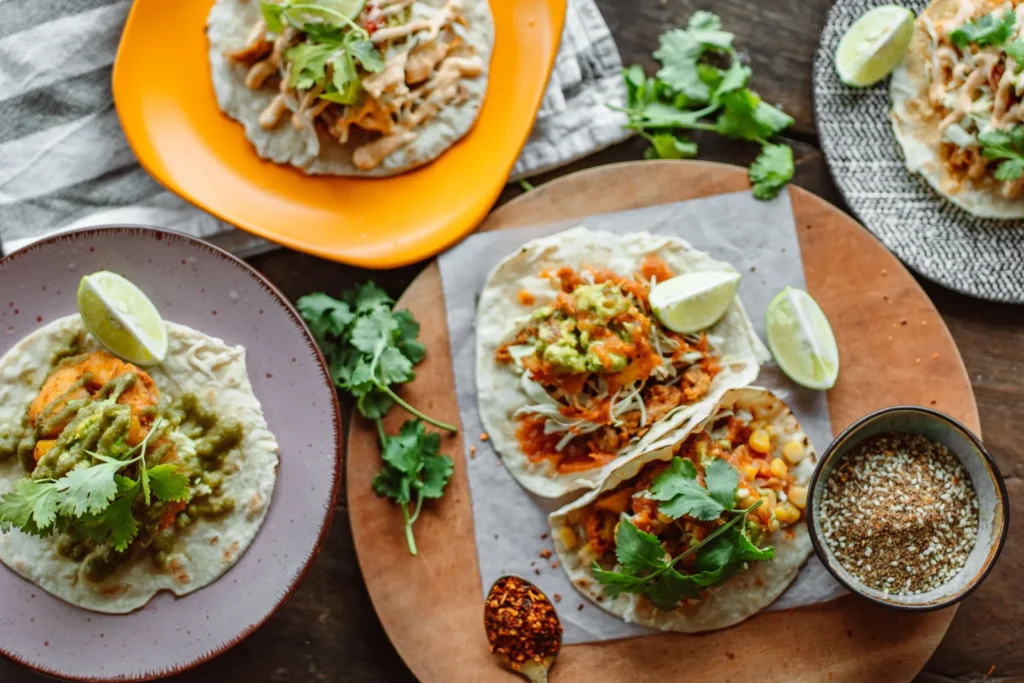
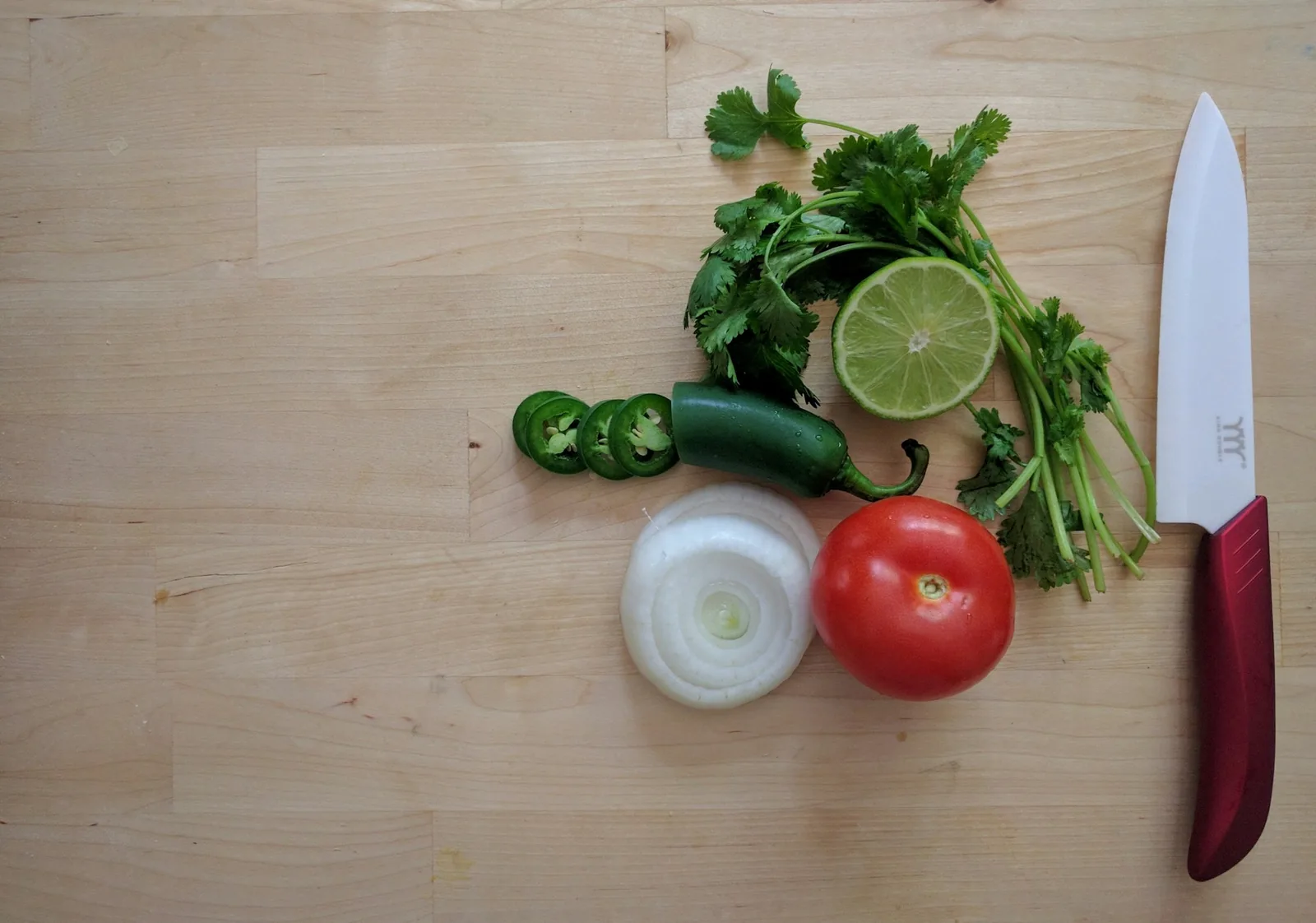
Onion, cilantro and lime are not decoration. Each one is solving a specific problem created by the filling: onion cuts richness with a sharp bite, cilantro adds a bright top note against browned meat, and lime supplies the acid that lifts everything and stops it tasting heavy.
The short answer
A traditional street taco carries finely diced white onion, chopped cilantro and a wedge of lime. Radish and salsa are common additions. Together they add acid, sharpness, freshness and crunch — the four things a rich griddled filling on a soft tortilla lacks.
What each topping is actually doing
Onion — sharpness and crunch
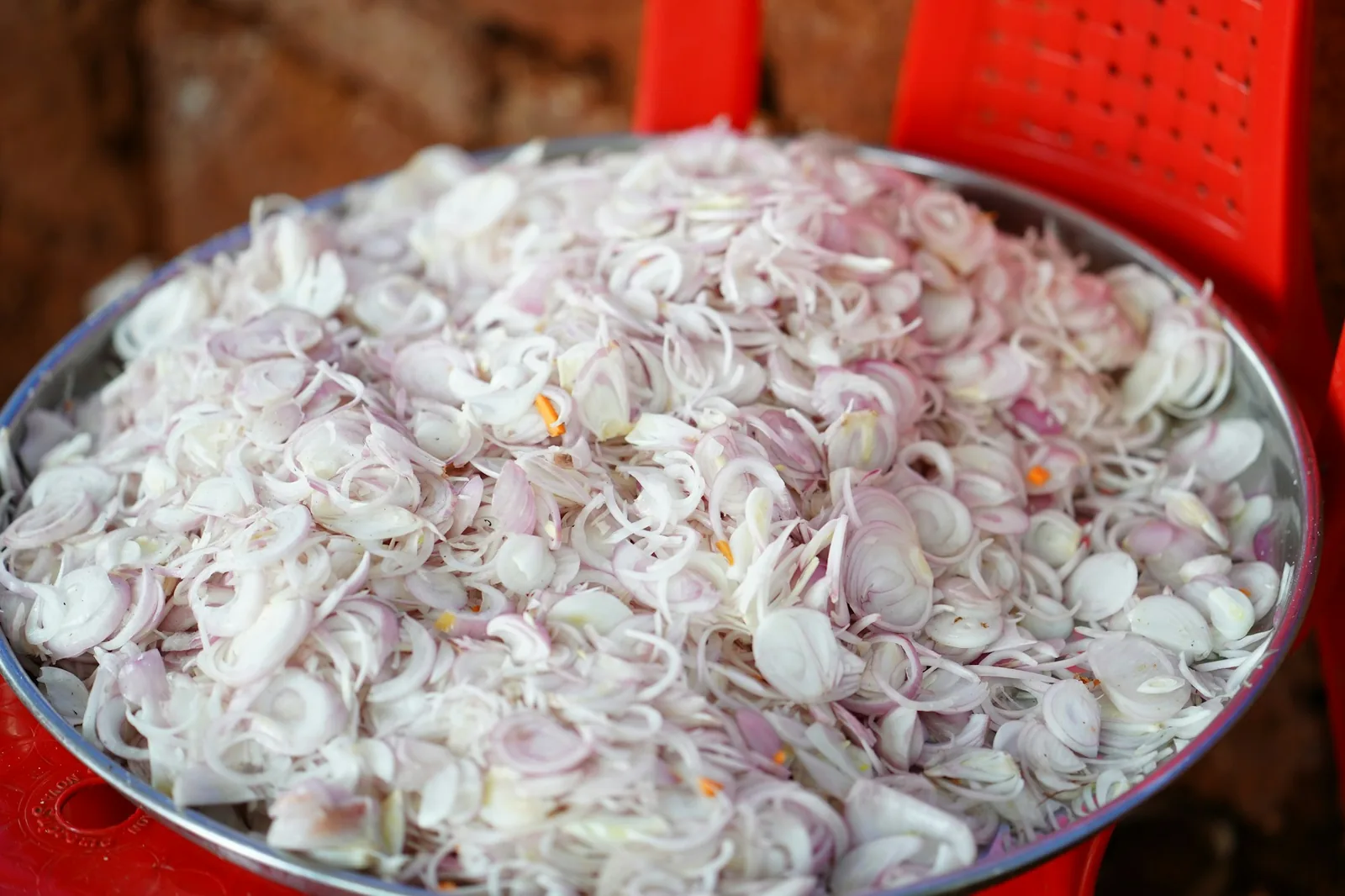
Raw white onion, diced small. It is there for bite. Griddled meat is fatty and savoury, and fat coats the tongue; a sharp allium cuts straight through that and resets your palate between mouthfuls.
White onion rather than red or yellow is the usual choice because it is cleaner and less sweet. Dicing it small matters more than people realise — large pieces slide out of the taco and give you a mouthful of raw onion on its own.
Cilantro — the green top note
Cilantro brings a bright, citrusy, faintly peppery aroma that sits on top of the meat rather than blending into it. Without it a taco can taste flat and one-dimensional, however good the filling is.
It is worth saying that if cilantro tastes like soap to you, that is not fussiness. A genome-wide study of more than fourteen thousand people found a genetic variant near a cluster of olfactory receptor genes that is associated with perceiving cilantro as soapy. The herb contains aldehydes that also occur in some soaps, and some people are simply built to notice them more.
Estimates put the figure somewhere in the region of one person in ten, varying by ancestry. Asking for a taco sin cilantro is completely normal and no taqueria will blink at it.
Lime — acid, and a bit of glue
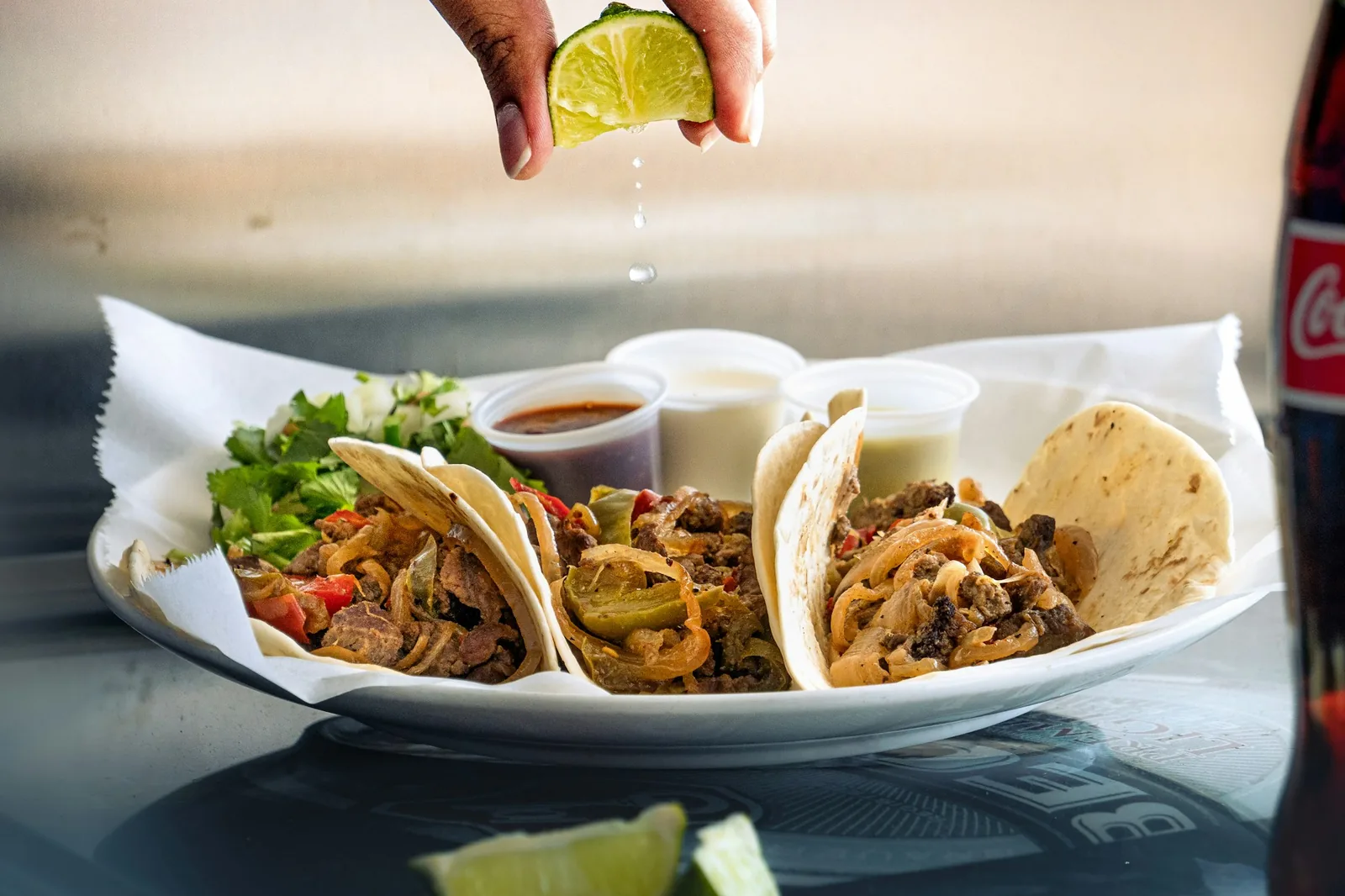
Acid is the single biggest improvement you can make to a rich taco. Lime brightens the meat, sharpens the onion and makes the whole thing taste less heavy.
It does something structural too. Squeezing lime over the onion and cilantro dampens them slightly, so they cling together and to the meat instead of tumbling out of the tortilla with the first bite.
Radish — water and pepper
Thin radish slices often arrive alongside rather than on the taco. They are cold, watery and slightly peppery, which makes them a palate cleanser between tacos rather than a topping in the usual sense.
Cabbage — a regional variation
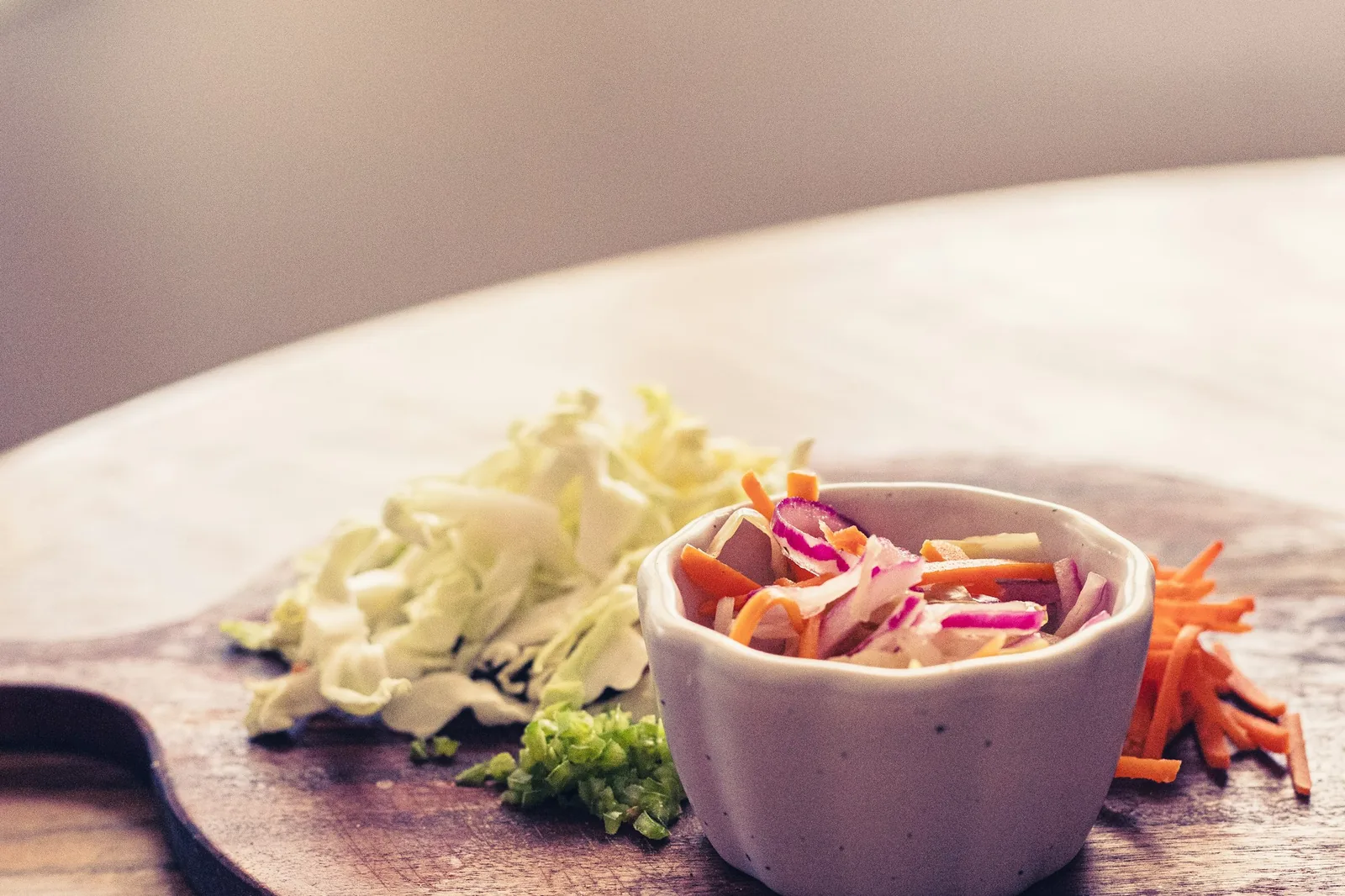
Shredded cabbage on tacos is not the Mexico City default, and people sometimes assume it is a mistake. It is not. Cabbage is common across northern Mexico, on Baja-style fish tacos, and throughout the Texas border region. It holds its crunch far longer than lettuce, which is exactly why it is used.
The garnishes at a glance
| Topping | What it adds | Why it is there |
|---|---|---|
| White onion, diced | Sharpness, crunch | Cuts through fat and resets the palate |
| Cilantro, chopped | Bright, citrusy aroma | Adds a fresh top note above the browned meat |
| Lime wedge | Acid | Lifts the whole taco; helps the garnishes stick |
| Radish, sliced | Cool, watery, peppery | Cleanses the palate between tacos |
| Cabbage, shredded | Crunch and bulk | Northern Mexican and border-region habit; outlasts lettuce |
| Salsa | Heat and acidity | Added by the eater, so the heat is a personal choice |
What you will not usually find
Shredded lettuce, grated yellow cheese, sour cream and diced tomato belong to American-style tacos rather than street tacos. There is nothing wrong with any of them — they simply belong to a different build, which we compare in our street versus regular taco guide.
The street taco’s logic is subtractive. The filling is the point, and everything on top exists to make the filling taste more like itself.
Why the onion is diced so small
This looks like a detail and is actually the difference between a good taco and an awkward one. Onion cut into large pieces behaves like a separate ingredient: it slides out, it delivers a harsh raw hit on its own, and it unbalances the bite.
Diced to a few millimetres, it distributes through the filling and reads as sharpness rather than as onion. The same logic applies to cilantro, which is chopped rather than torn so it disperses instead of arriving in clumps. A taqueria that dices well is telling you something about the rest of its kitchen.
How to add them properly
- Take the onion and cilantro even if you are unsure — a small amount is part of the intended flavour.
- Squeeze the lime across the whole taco, not on one end.
- Add salsa last, and in stages. You can always add more.
- Eat it straight away. Garnished tacos do not improve while they sit.
How one taco shop garnished its street tacos
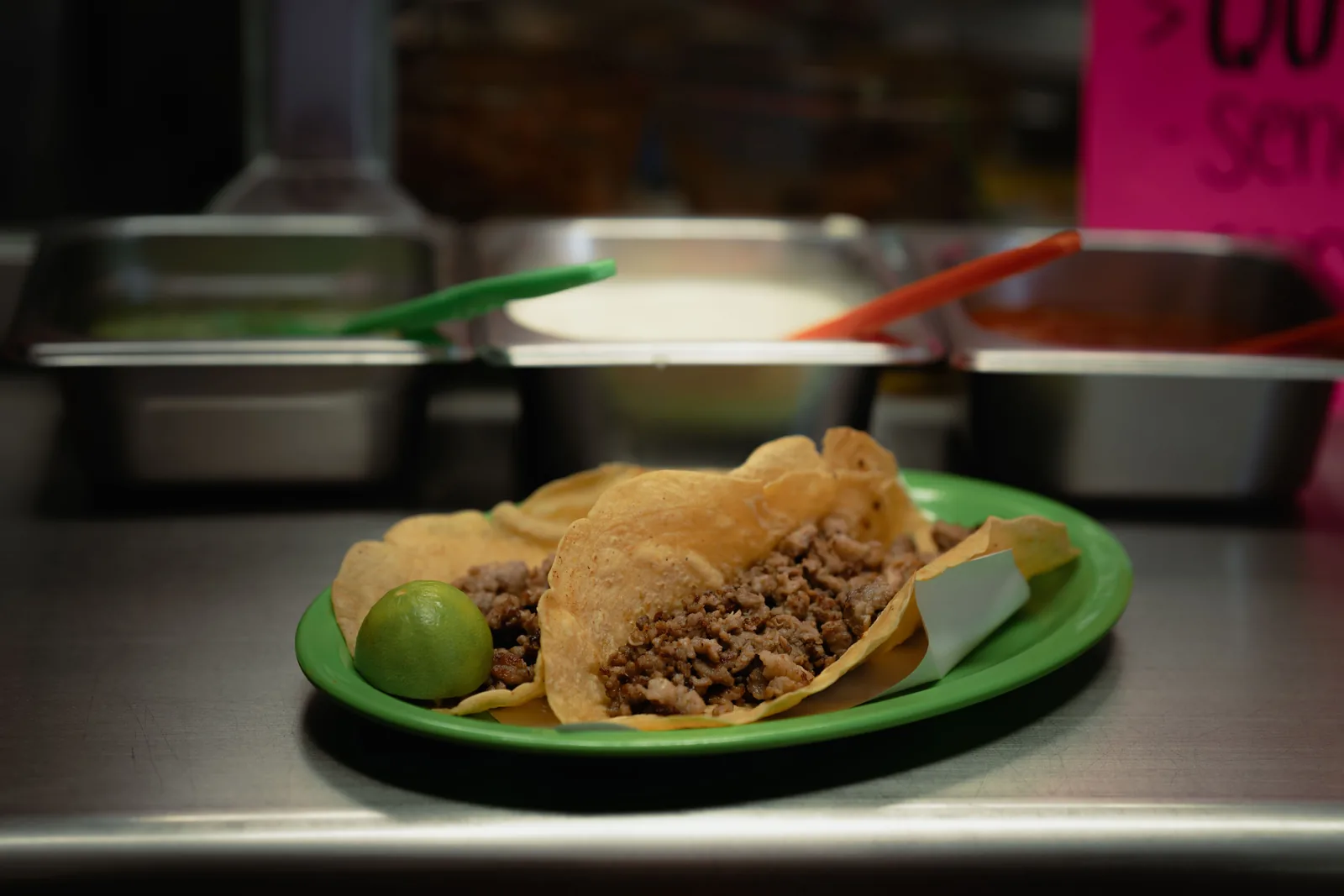
Doc’s Taco Shop in Liberty City, Texas built its street tacos on a corn tortilla with diced onions, cilantro and cabbage. That is the classic onion-and-cilantro base with the border-region cabbage addition — a good example of the regional variation described above rather than a departure from tradition.
Doc’s Taco Shop closed permanently on 19 July 2025. This detail is transcribed from the restaurant’s own published menu board and is recorded as history. The published menu and the photo gallery are both still online.
Frequently asked questions
Why do tacos come with onion and cilantro?
Because griddled meat is rich and fatty. Sharp raw onion cuts through that and cilantro adds a fresh aroma on top, so the taco tastes balanced rather than heavy.
Why is lime served with tacos?
For acid. It brightens the meat and the garnishes, and squeezing it over the top also helps the loose onion and cilantro cling together instead of falling out.
Is cabbage on tacos traditional?
Yes, regionally. It is standard across much of northern Mexico, on Baja fish tacos and in the Texas border region, where it is preferred over lettuce because it stays crunchy.
What can I ask for if I do not like cilantro?
Ask for it sin cilantro. A genuine genetic variation makes cilantro taste soapy to some people, and no taqueria will find the request strange.
Should I put salsa on before or after the other toppings?
After. Salsa heat varies enormously between kitchens, so adding it last and in small amounts lets you judge it before committing the whole taco.
The takeaway
Every garnish on a street taco is doing a job: onion for bite, cilantro for freshness, lime for acid, cabbage or radish for crunch. Skip them and you are eating meat in a tortilla; use them and you are eating a taco.
For how the rest of it fits together, start with our guide to what a street taco actually is.