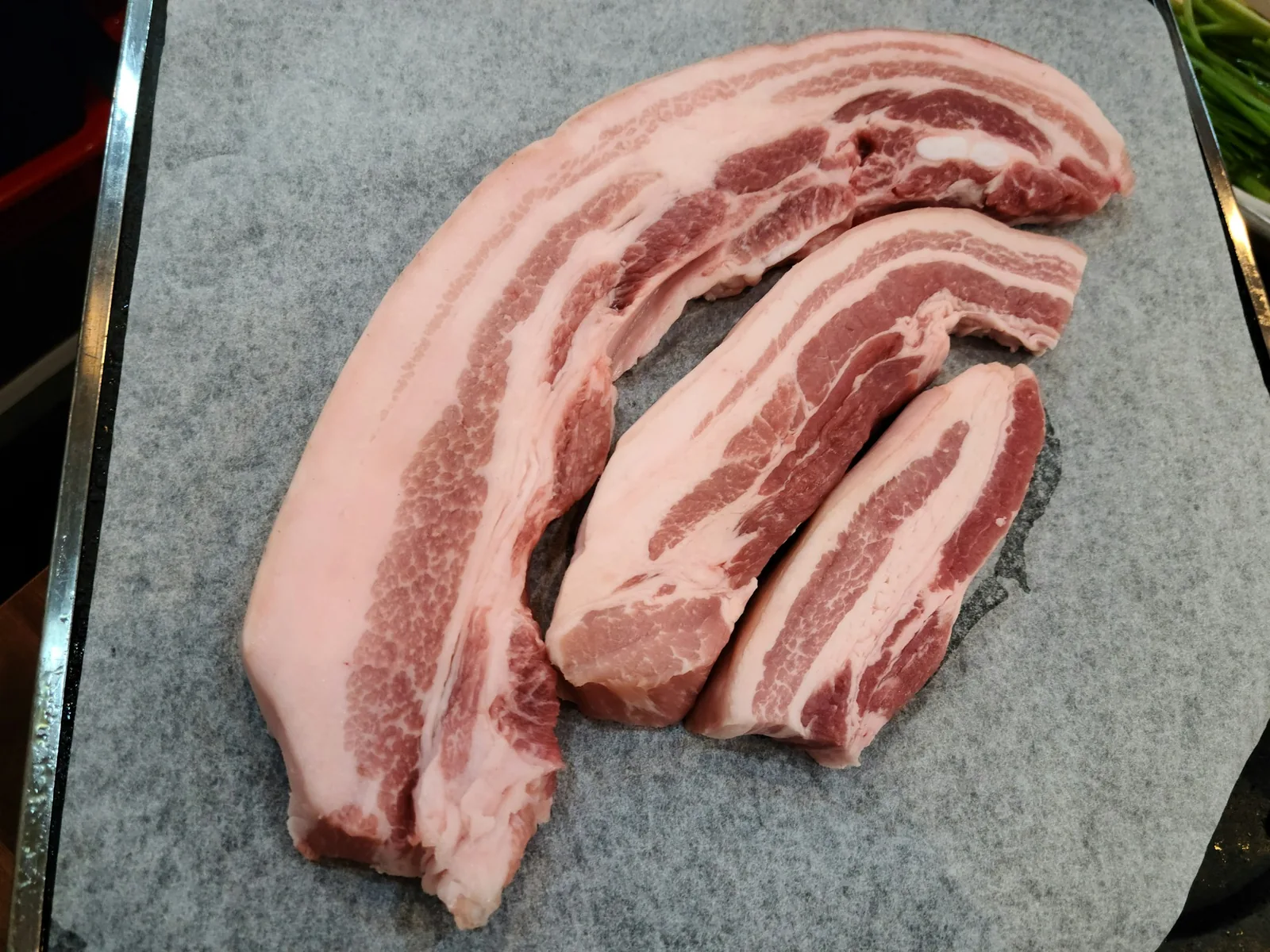
Lard — manteca — is rendered pork fat, and it is in more of this cuisine than a menu suggests: the beans, the tamal masa, often the flour tortillas, and the pot that carnitas cook in.
It is the pivot of three of our own articles and none of them explains what it actually does. The answer is technical rather than moral: it is a solid fat, and solid fats behave differently from oils.
What solid fat does that oil cannot
| Effect | Why lard does it | Oil instead |
|---|---|---|
| Flakiness | Stays solid in dough, so it makes layers as it melts | Coats evenly; no layers |
| Lightness in tamal masa | Can be whipped to hold air, like butter | Cannot be aerated; gives a denser tamal |
| Mouthfeel in beans | Coats the palate, reads as richer | Thinner, cleaner |
| Confit cooking | Melts to a stable liquid at low heat and resolidifies | Works, but the flavour is neutral |
| Flavour | Faintly savoury and porky | Neutral to grassy |
The whipping point is the one that matters most. Our tamales guide describes masa being beaten with fat until a ball of it floats in cold water — that buoyancy is trapped air, and oil will not hold it. A tamal made with oil is a denser object.
Where it is, in practice
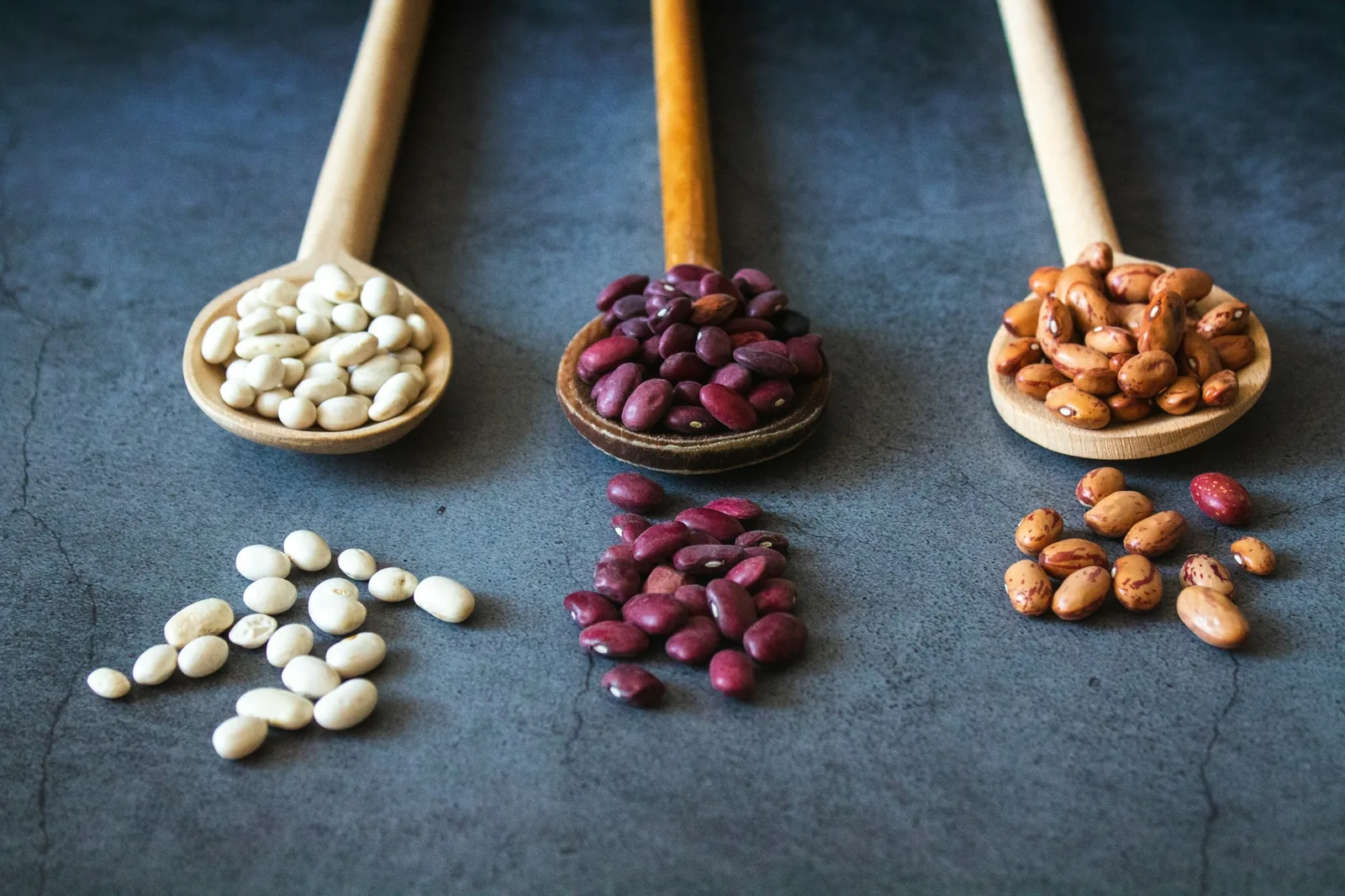
- Refried beans — traditionally the frying fat. The single most common place it hides.
- Tamal masa — whipped in.
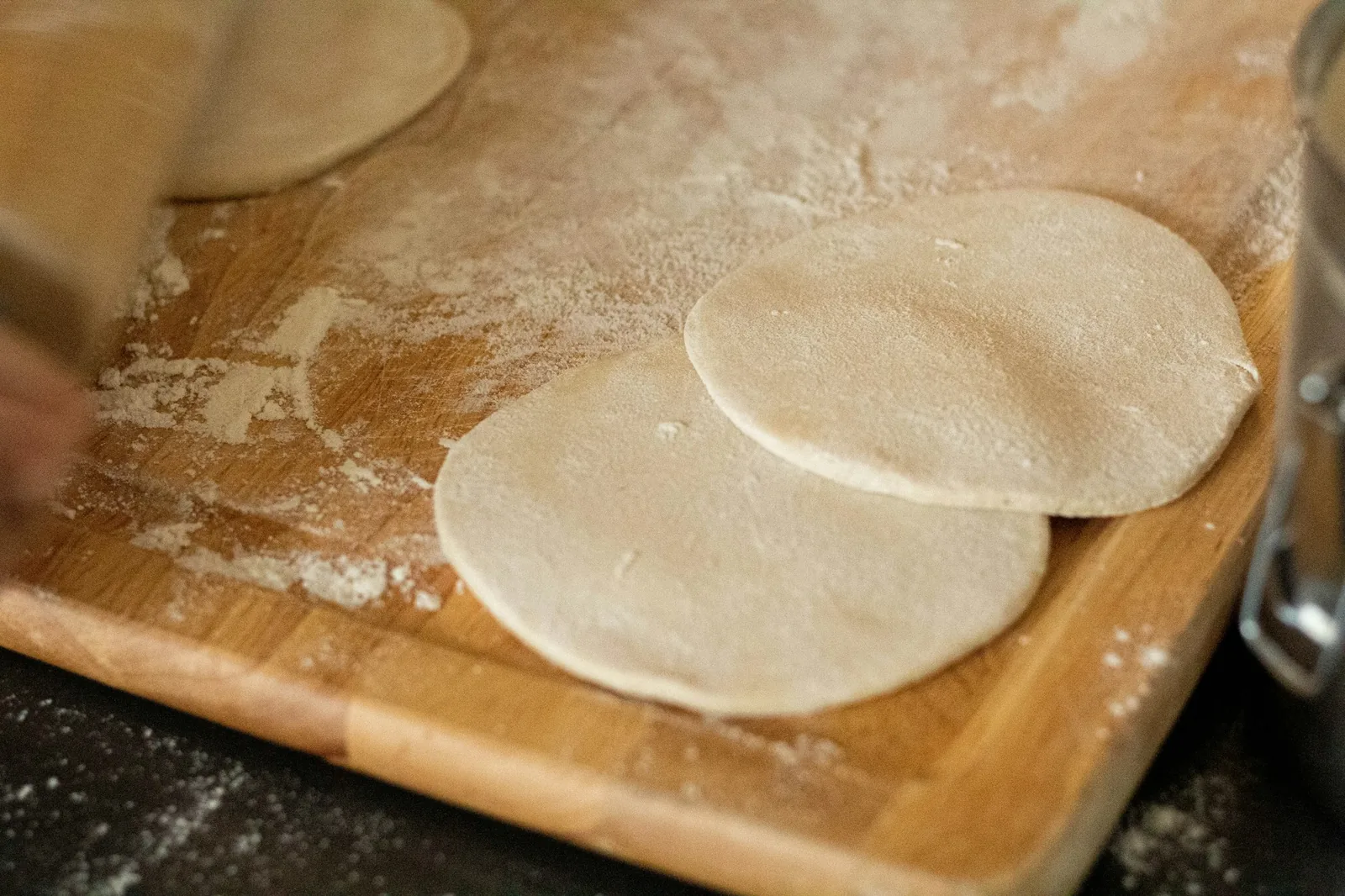
- Flour tortillas — frequently. Corn tortillas do not contain it.
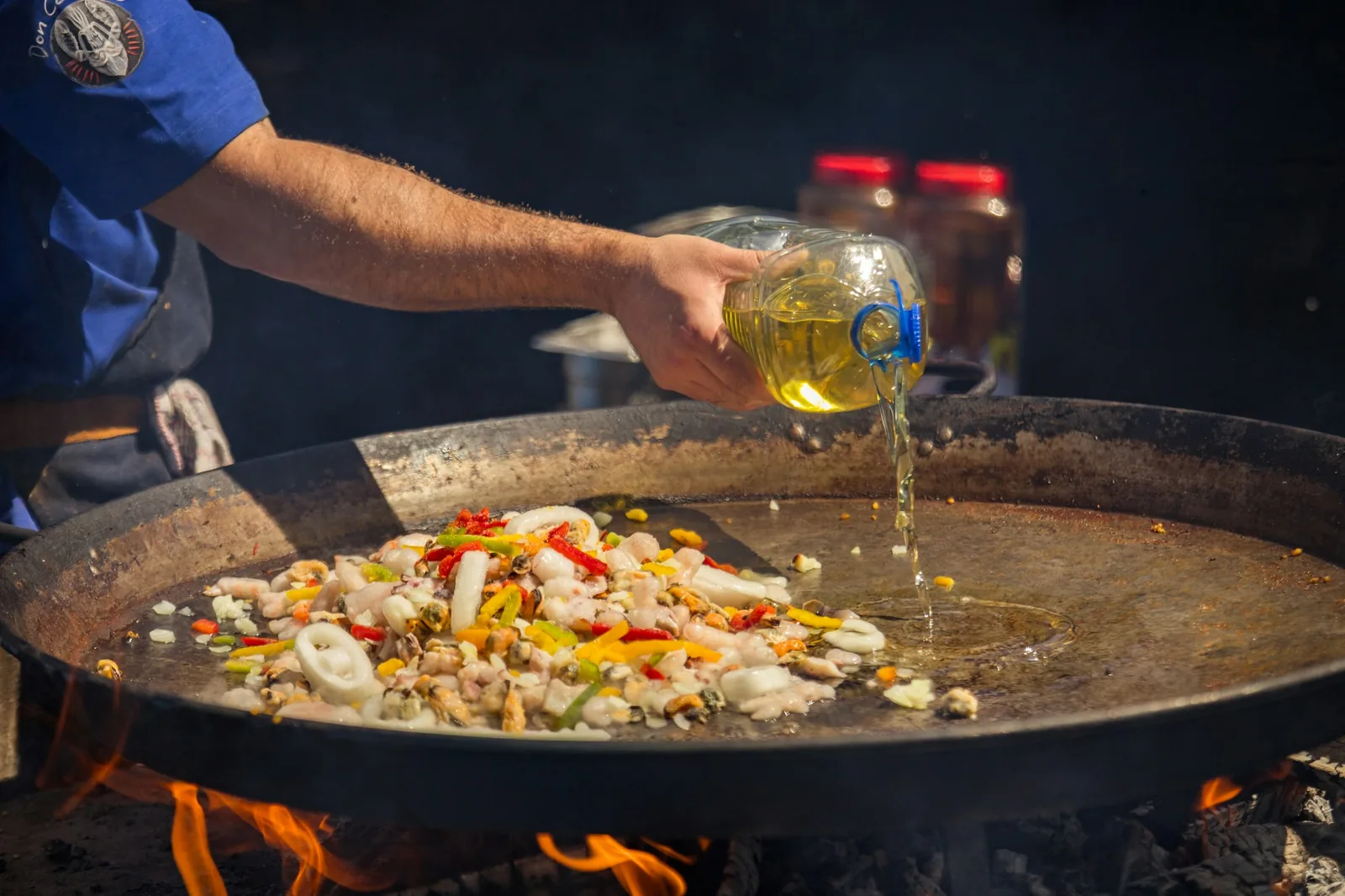
- Carnitas — the pork is confited in it, which is the whole technique.
- Sopes and tlayudas — in the masa, on the griddle, or spread on the base.
This is why our vegetarian and vegan guides both lead with the same two questions. Lard is not hidden deceptively; it is just traditional, and traditional ingredients do not get itemised on a board.
On its reputation
Lard spent decades as a dietary villain, was then rehabilitated in food writing as a wholesome traditional fat, and neither position is quite right.
What is reasonably settled: lard is roughly 40% saturated fat, which is less than butter and considerably more than olive or rapeseed oil. Harvard’s Nutrition Source, in its overview of fats and cholesterol, takes the position that the type of fat matters more than the total amount, and favours unsaturated fats over saturated ones.
What follows for cooking is modest and practical: lard is a saturated fat used in modest quantity in most of these dishes, and a pot of beans made with a spoonful of it is not the same proposition as a deep fryer. Our guide to whether Mexican food is healthy makes the same point about the cuisine generally: preparation and quantity move the needle more than any single ingredient.
General information rather than medical or dietetic advice. If you are managing cholesterol or heart health, your clinician decides — not a web page.
Substituting, if you need to
- For beans: vegetable oil works well. You lose some richness and nobody will notice much.
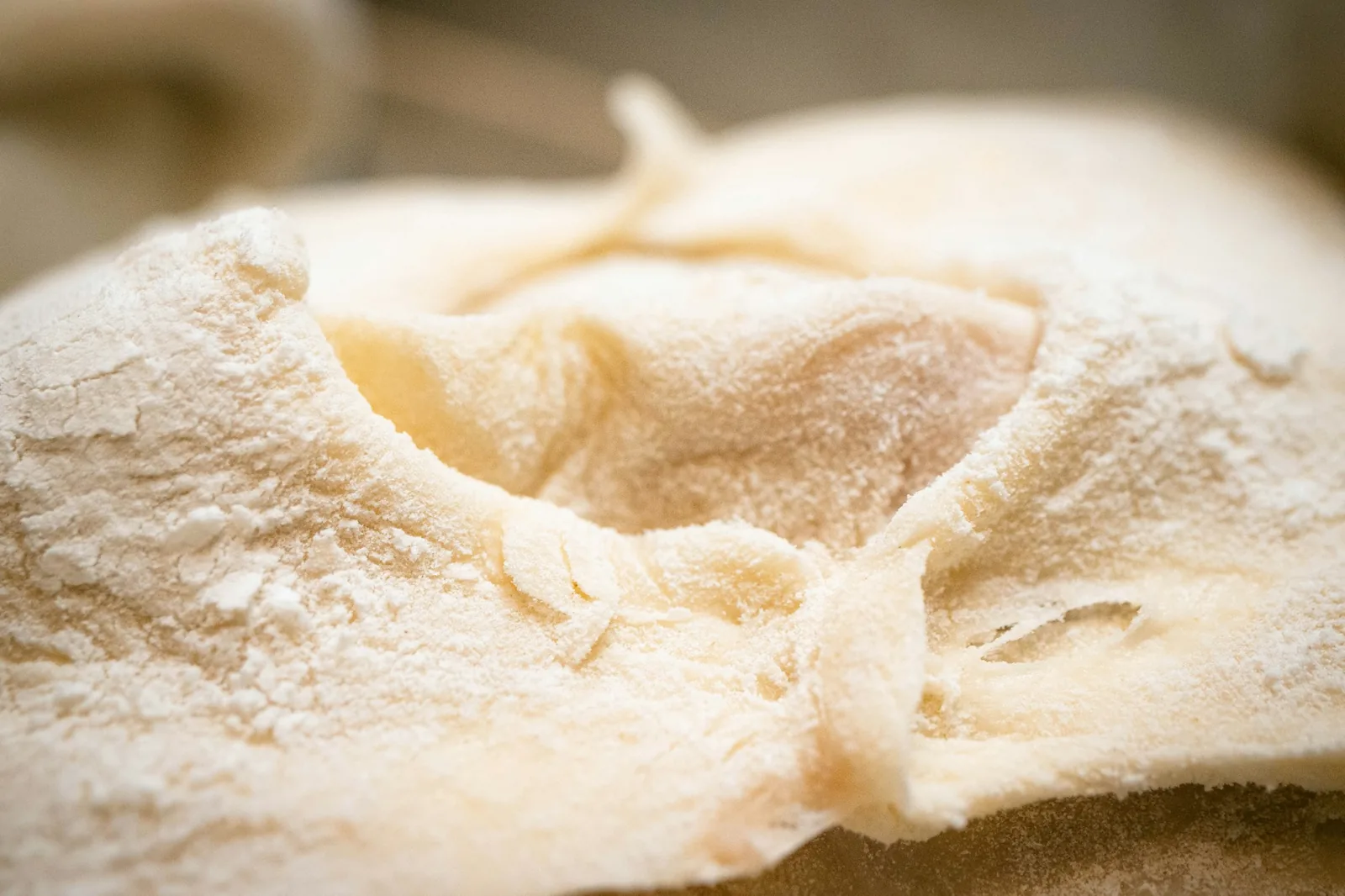
- For tamal masa: vegetable shortening is the closest swap, because it is also solid and can be whipped. Oil gives a dense result; butter works but tastes of butter.
- For flour tortillas: shortening or oil. Oil gives a slightly less tender tortilla.
- For carnitas: this one genuinely does not substitute. The technique is confit in pork fat and something else is a different dish.
Where you do use lard, rendered leaf lard is a better product than the shelf-stable hydrogenated kind, which often contains partially hydrogenated oils and has a flatter flavour.
A note on Doc’s
Doc’s board did not mention lard, which is expected — no board does. What we can say from it is that the shop served flour tortillas in three sizes and a bolillo-based torta, so the wheat-based items were the likeliest place for it, and that the board listed no beans dish at all except beans inside the chalupa and the burrito.
Anything more specific would be guessing about a kitchen we cannot observe.
Doc’s Taco Shop closed permanently on 19 July 2025. Its 2023 menu board is preserved here as a historical record, and anything said about it above is read from that board. You can read the full menu as Doc’s published it or look through the photo gallery.
Frequently asked questions
What is manteca?
The Spanish word for lard — rendered pork fat. It appears in beans, tamal masa, flour tortillas and as the cooking medium for carnitas.
Do refried beans have lard?
Traditionally yes. Many restaurants and most commercial tins now use vegetable oil, but it varies and it is worth asking if it matters to you.
Can I use oil instead of lard?
For beans and flour tortillas, yes, with a small loss of richness. For tamal masa, shortening is a better swap because it can be whipped to hold air. For carnitas, not really — the technique is confit in pork fat.
Is lard unhealthy?
It is roughly 40% saturated fat — less than butter, more than olive oil. Current guidance generally favours unsaturated fats over saturated ones. In most of these dishes it is used in modest quantity, and preparation and portion matter more.
Do corn tortillas contain lard?
No. Corn tortillas are nixtamalised corn, water and lime. Flour tortillas are the ones that often contain it.
The short version
Lard is solid fat, and that is the whole point: it makes layers in dough, holds air in tamal masa, and confits pork. It is in the beans, the tamales and often the flour tortillas, and it is worth asking about if you avoid it. Roughly 40% saturated, used in small quantities, and neither a villain nor a health food.