
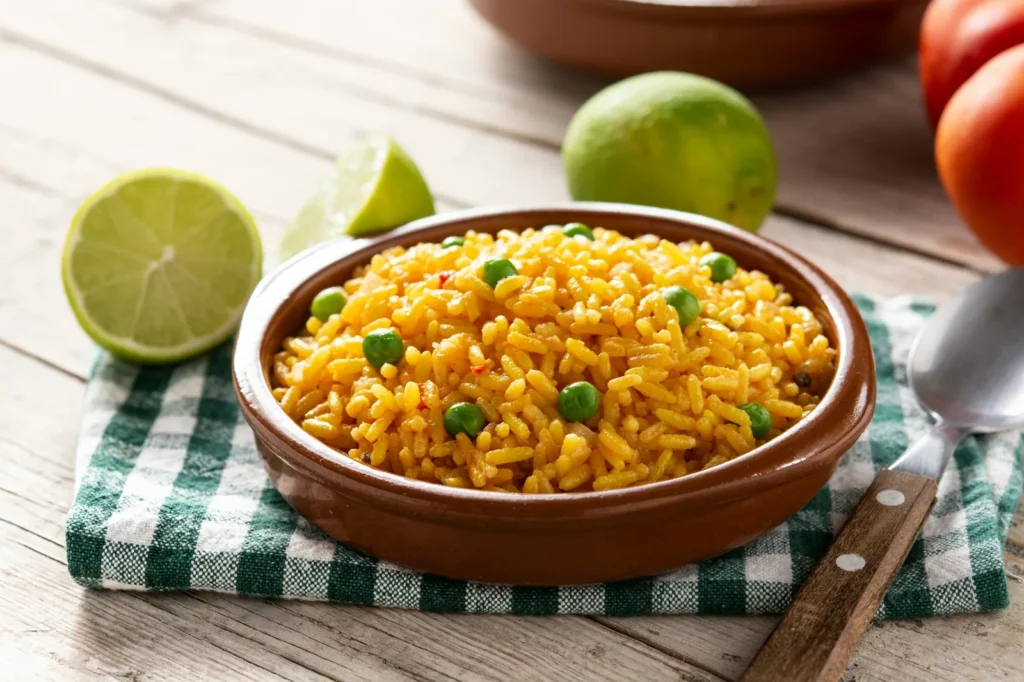
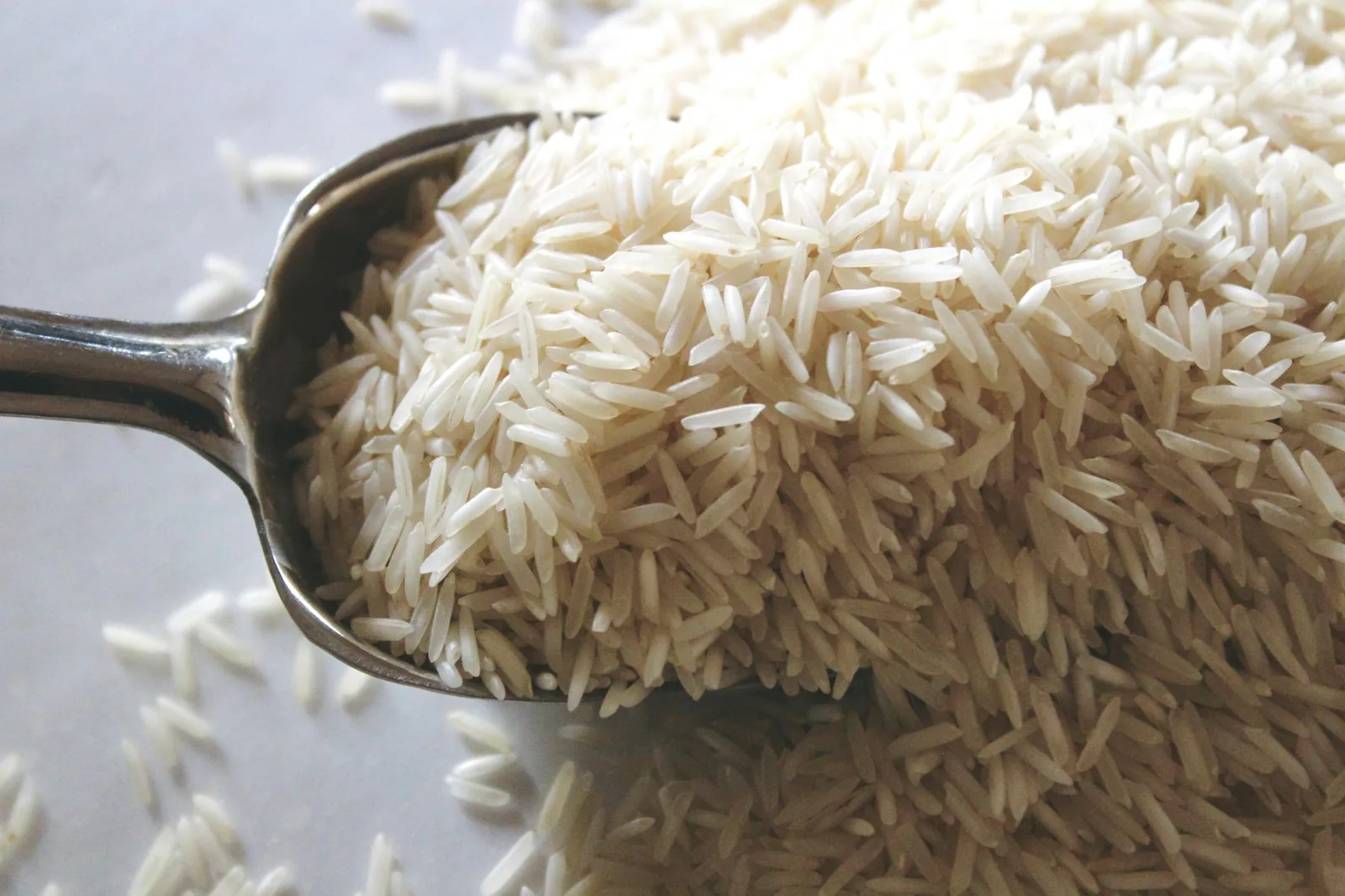
Mexican rice — arroz rojo — is long-grain rice toasted in oil until it turns golden, then simmered in tomato, onion and garlic with broth. The toasting is not a flavour flourish. It is the step that makes the grains stay separate.
That is the whole difference between good Mexican rice and the clumped, orange, slightly wet version most people have been served.
Why toasting works
Rice grains are mostly starch, and starch on the outside of a grain gelatinises the moment it meets hot liquid — that surface starch is the glue that makes grains stick together.
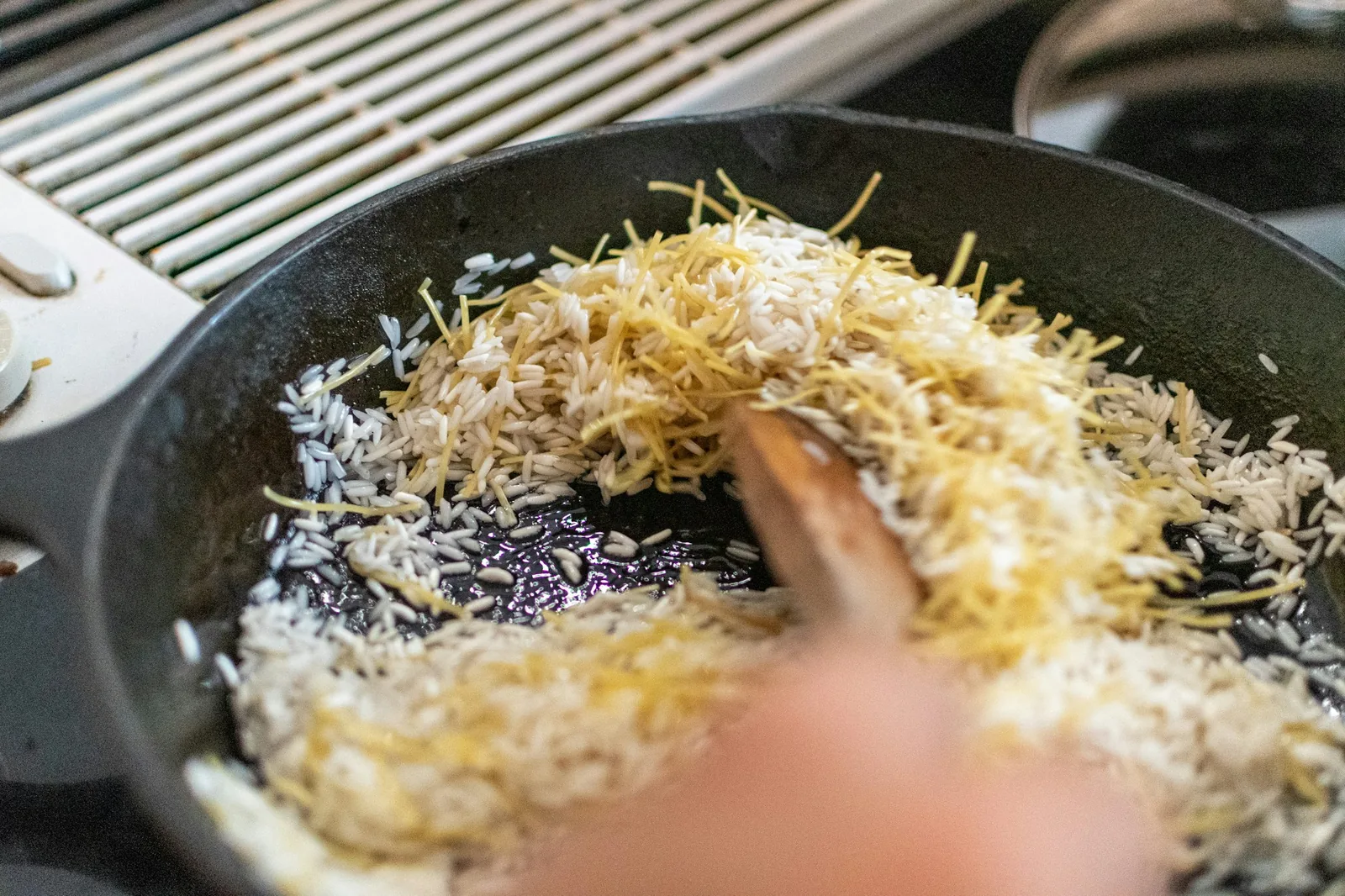
Frying the dry grains in oil first does two things. It coats each grain in fat, which slows water reaching the surface starch; and it browns the grain, developing nutty flavour. So the grains hydrate from the inside rather than gluing together on the outside, and they come out separate and distinct.
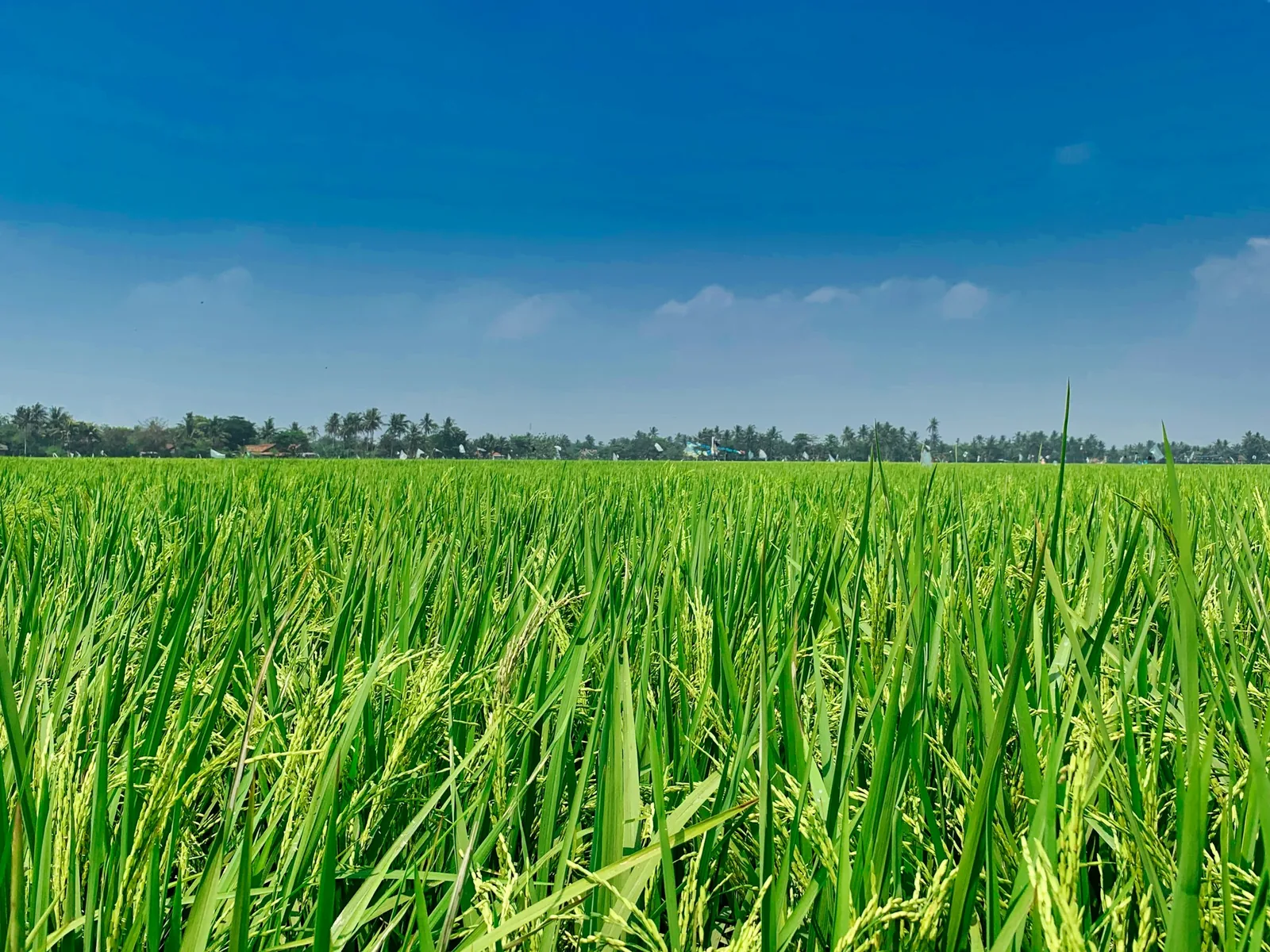
It is the same principle as a pilaf, which is not a coincidence — rice arrived in Mexico via Spain, and Spain got the technique from the Arab world. Rice is not native to the Americas at all: the International Rice Research Institute documents it as one of the world’s principal staple cereals, domesticated in Asia and carried outward from there.
How it is made
- Rinse the rice if you like, but dry it. Wet rice will not toast.
- Heat oil in a wide pan and add the rice. Stir constantly until the grains turn pale gold and smell nutty — a few minutes.
- Add finely chopped onion and garlic; cook briefly until fragrant.
- Pour in blended tomato and broth. Stir once, and once only.
- Bring to a boil, cover, drop the heat and leave it alone for about fifteen minutes.
- Take it off the heat, leave it covered another five, then fluff with a fork.
Step four is the discipline. Stirring rice after the liquid goes in breaks grains and releases starch, which undoes the toasting. One stir to distribute, then hands off.
Why it is orange, not red
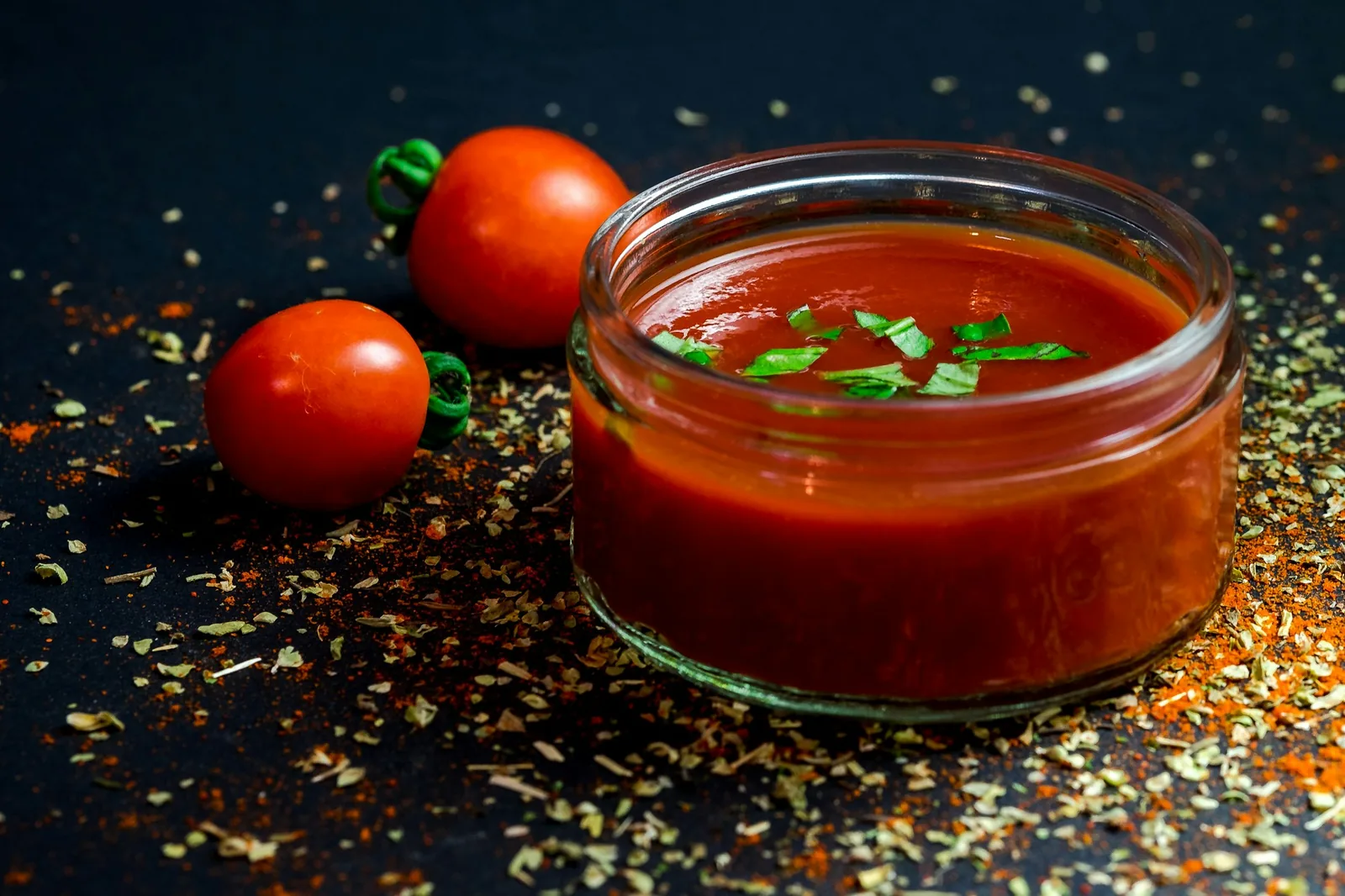
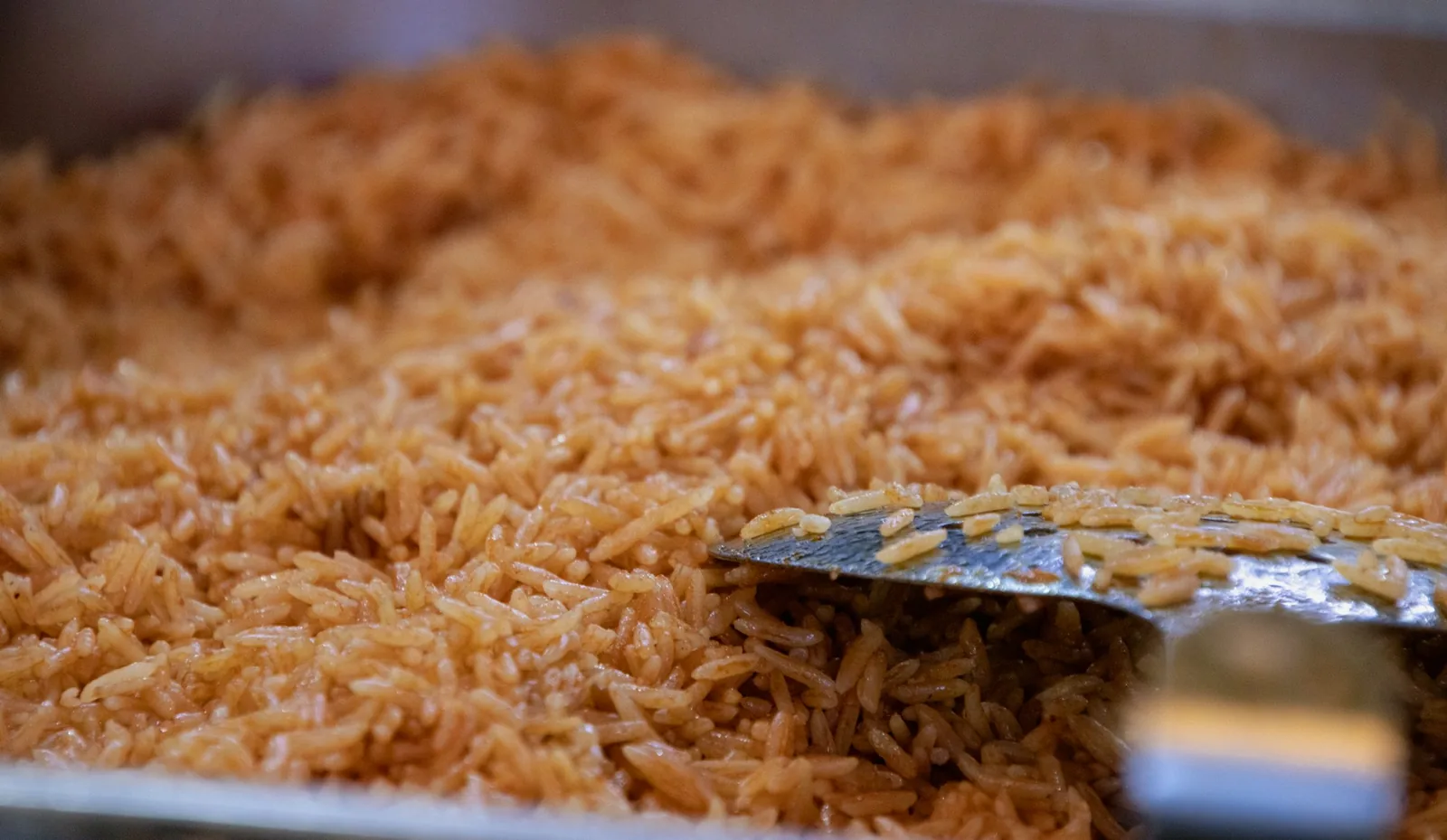
Arroz rojo means red rice, and it rarely looks red. The colour comes from tomato diluted through a large volume of rice and broth, which lands somewhere between pale orange and terracotta. A genuinely red result usually means tomato paste or colouring rather than blended fresh tomato.
The other common addition is a little achiote, the same colouring behind pollo asado, which pushes it further orange. Neither adds much flavour; both are about appearance.
Mexican rice, Spanish rice, arroz rojo
| Name | What it usually means |
|---|---|
| Arroz rojo | The Mexican dish. Toasted rice, tomato, broth |
| Mexican rice | The same thing, on English-language menus |
| Spanish rice | In the United States, usually the same dish again — the name is a misnomer |
| Arroz verde | Green: blended coriander, poblano and spinach instead of tomato |
| Arroz blanco | White: no tomato, often with lime and garlic |
“Spanish rice” on an American menu is almost never a dish from Spain. Paella and arroz a la Valenciana are Spanish rice dishes; what arrives beside your enchiladas is arroz rojo under a confused label.
What it is for
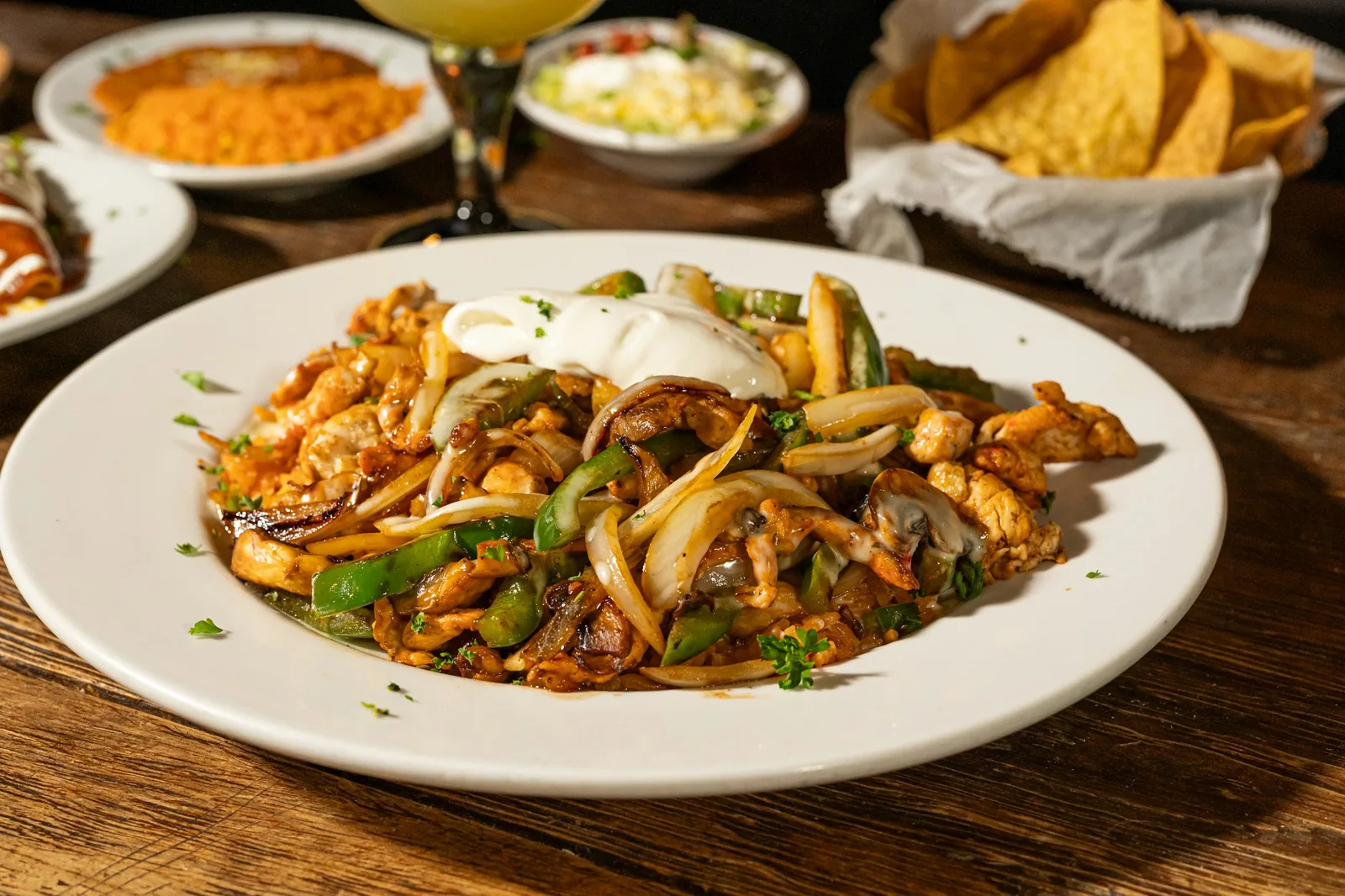
Rice and beans are the standard pair on almost every plated Mexican and Tex-Mex order, and they are doing a specific job: they are the mild, starchy counterweight to something rich and highly seasoned.
That is most obvious with mole, where plain rice is what makes a very intense sauce eatable in quantity, and with enchiladas and fajitas. Rice is not filler on those plates; it is a structural part of how they are meant to be eaten.
A note on Doc’s
Doc’s board did not list rice. That is a genuine signal about what kind of place it was: rice and beans belong to plated, sit-down orders, and Doc’s sold hand-held food — tacos, quesadillas, a torta, the suegrita. Its sides were elote, avocado and grilled vegetables, which is what a taco counter serves instead.
Doc’s Taco Shop did not serve this. The shop was a small weekend taqueria in Liberty City, Texas, and it closed permanently on 19 July 2025. You can read the full menu as Doc’s published it or read how the shop came about.
Frequently asked questions
Why is my Mexican rice mushy?
Almost always because it was not toasted, or because it was stirred after the liquid went in. Toasting the dry grains in oil first is what keeps them separate.
What is the difference between Mexican rice and Spanish rice?
On American menus, usually nothing — both names describe arroz rojo. ‘Spanish rice’ is a misnomer; actual Spanish rice dishes are things like paella.
Why is Mexican rice orange rather than red?
Because the tomato is diluted through a lot of rice and broth. A strongly red result usually indicates tomato paste or added colouring.
What kind of rice should I use?
Long-grain white rice. It has less surface starch than short-grain and holds separate grains better, which is what the dish wants.
Is Mexican rice vegetarian?
Often not, because it is commonly cooked in chicken broth. Water or vegetable broth works fine, so it is worth asking — see our vegetarian guide.
The short version
Toast the dry rice in oil until golden, then simmer it in tomato and broth and do not stir it again. That one step is the difference between separate grains and a clump, and it is why the dish exists in this form at all.