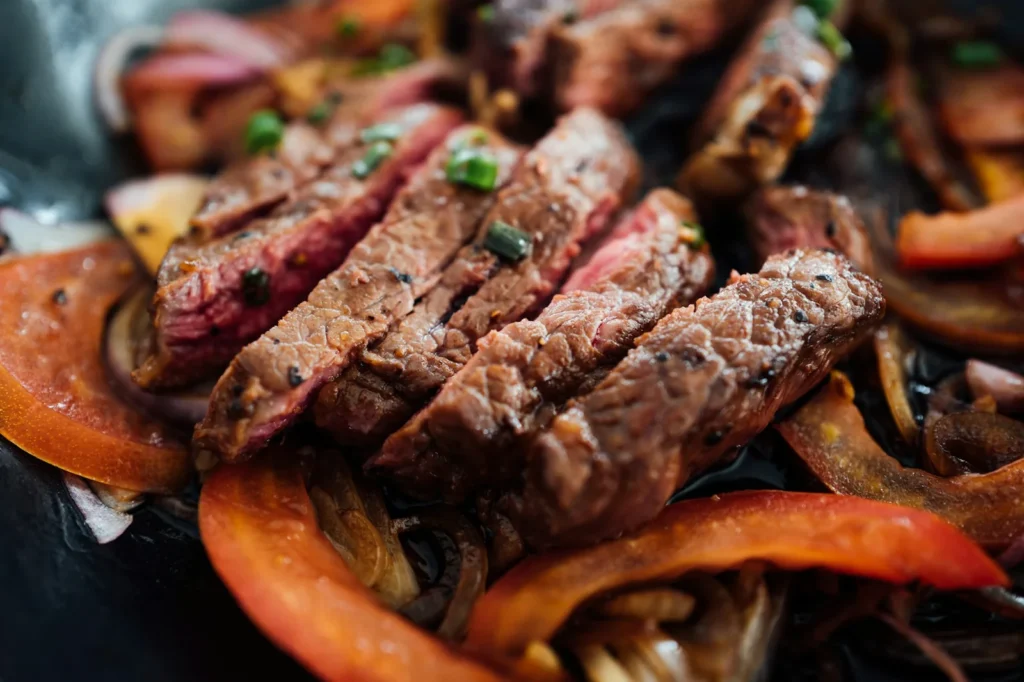
Fajitas are grilled skirt steak, sliced across the grain, served with peppers and onions and assembled into tortillas at the table. The sizzling platter is presentation; the dish is the meat and the cut.
The name tells you which cut. Faja is Spanish for belt or sash, and fajita is its diminutive — a little belt, which is exactly what a skirt steak looks like.
Where the dish came from
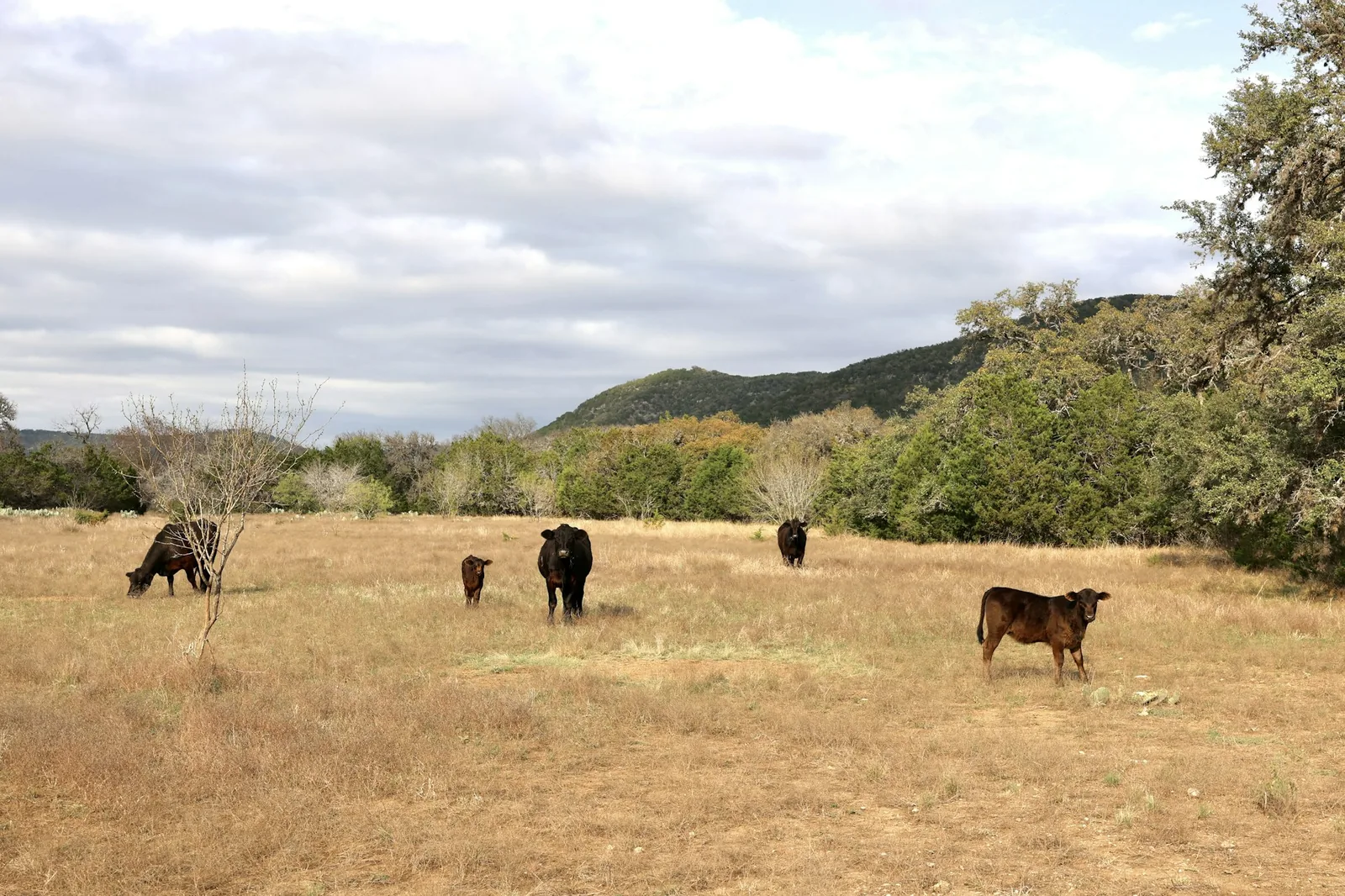
South Texas ranch country, in the 1930s. Mexican vaqueros working cattle in the Rio Grande Valley were often paid partly in meat, and the cuts they received were the ones nobody was selling — including the skirt, which is long, thin, tough and full of flavour.
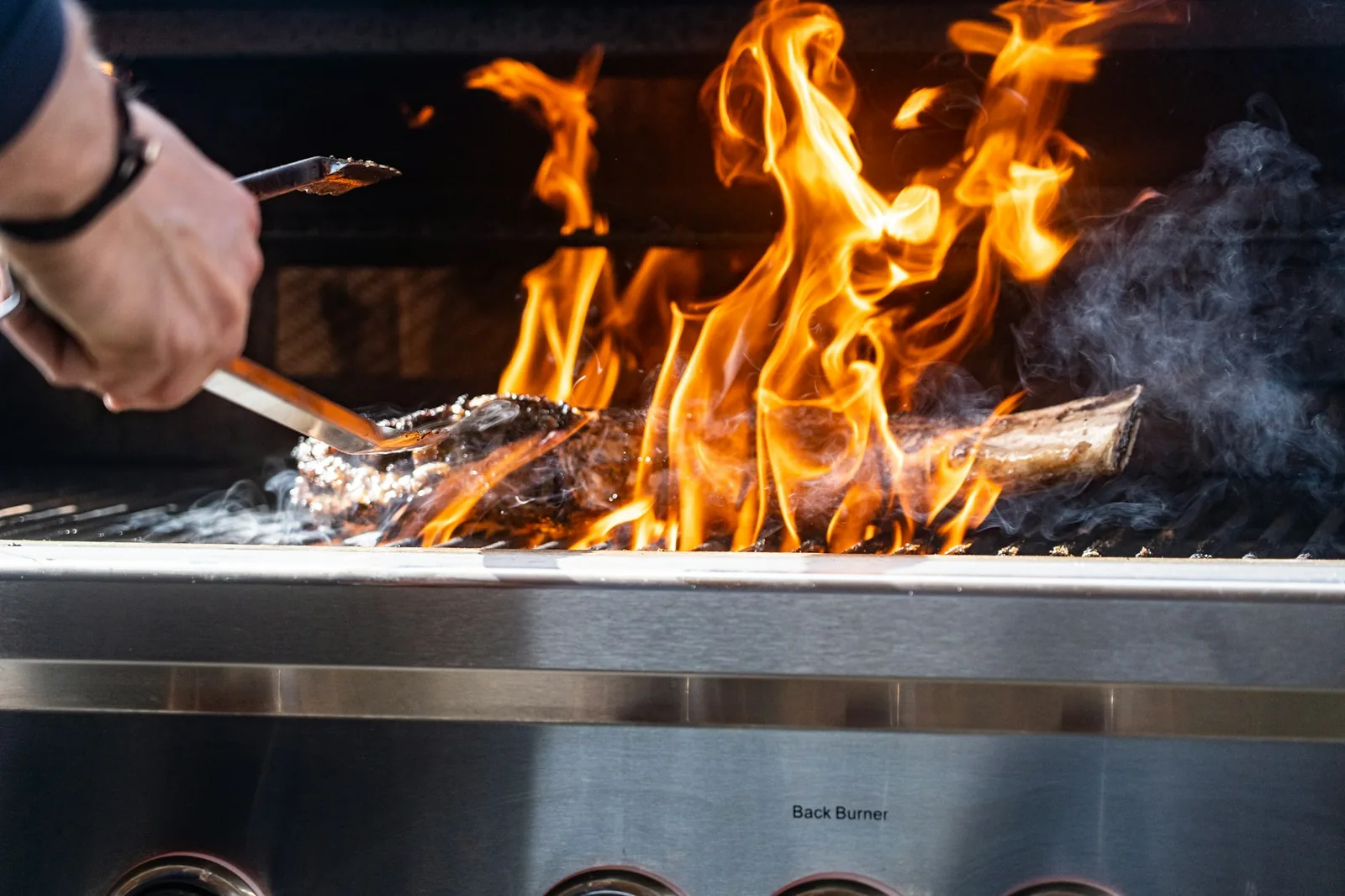
They marinated it in lime and grilled it hard over open fire, then sliced it thin and ate it in flour tortillas. That is the entire dish, and it was worker food for decades before it was a restaurant item.
The Austin Chronicle’s history of the fajita traces the route from there into commercial kitchens. The usual landmark is Ninfa Laurenzo, who began selling them in Houston in 1973 and is widely credited with putting the dish on the American map.
Fajitas and carne asada are close relatives
Both are marinated skirt steak, grilled hard and sliced across the grain. The difference is what happens next.
| Fajitas | Carne asada | |
|---|---|---|
| Cut | Skirt, traditionally | Skirt or flank |
| Cooked | Grilled, then sliced into strips | Grilled, then chopped small |
| Served with | Peppers and onions, on a hot platter | Onion, cilantro, lime |
| Assembled | By you, at the table | By the kitchen, into tacos |
| Belongs to | Tex-Mex | Mexican |
Our guide to carne asada goes into the cut and the slicing in more detail, and it applies here without modification: slice along the grain and you have made the only mistake that matters.
Beyond beef
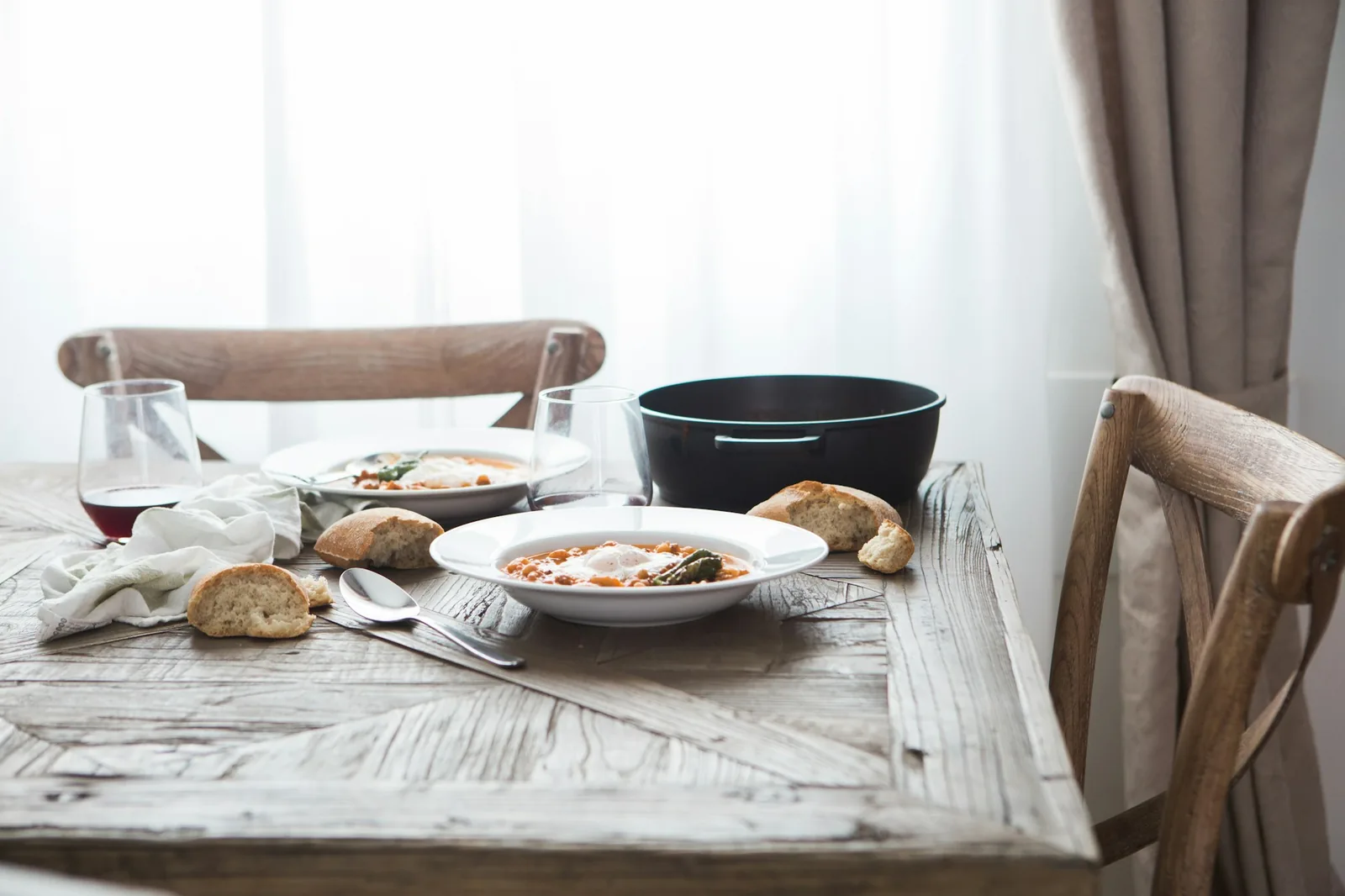
Chicken and shrimp fajitas are now standard, and vegetable versions are common. Strictly speaking they are misnomers — fajita names a beef cut — but the term has long since shifted to mean the format rather than the meat.
What survives across all of them is the assembly: something grilled and sliced, peppers and onions, warm tortillas, and you building it yourself. That participation is arguably the actual dish. It is also why fajitas work well for a table of people who want different things, in a way a plated order does not.
Why the platter sizzles
Because a cast-iron skillet is heated well past the temperature of the food and the food is put on it at the last moment. The noise and steam are water hitting hot metal.
It is theatre, and it works — but it has a cost. A platter that hot keeps cooking the meat all the way to the table, so meat that left the grill correctly can arrive overdone. If you like your beef pink, it is entirely reasonable to ask for it not to be sent out sizzling.
Getting them right at home
- Marinate the skirt steak in lime, garlic and salt — an hour or two is enough for a thin cut, and much longer makes the surface chalky.
- Get the pan or grill genuinely hot before the meat goes on. Skirt wants a hard, fast sear, not a gentle cook.
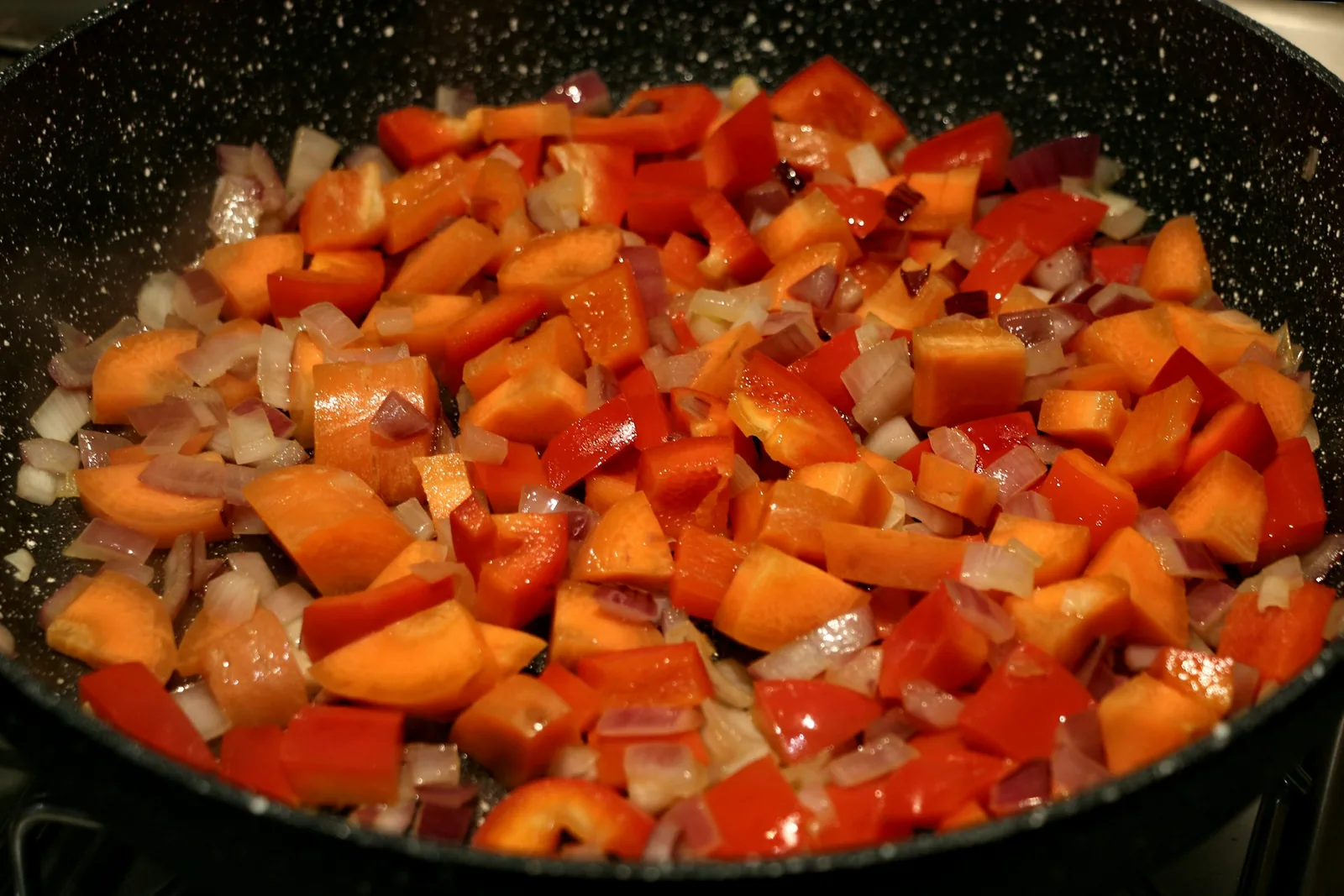
- Cook the peppers and onions separately. They need longer than the meat and release water that would steam it.
- Rest the meat a few minutes, then slice thinly across the grain.
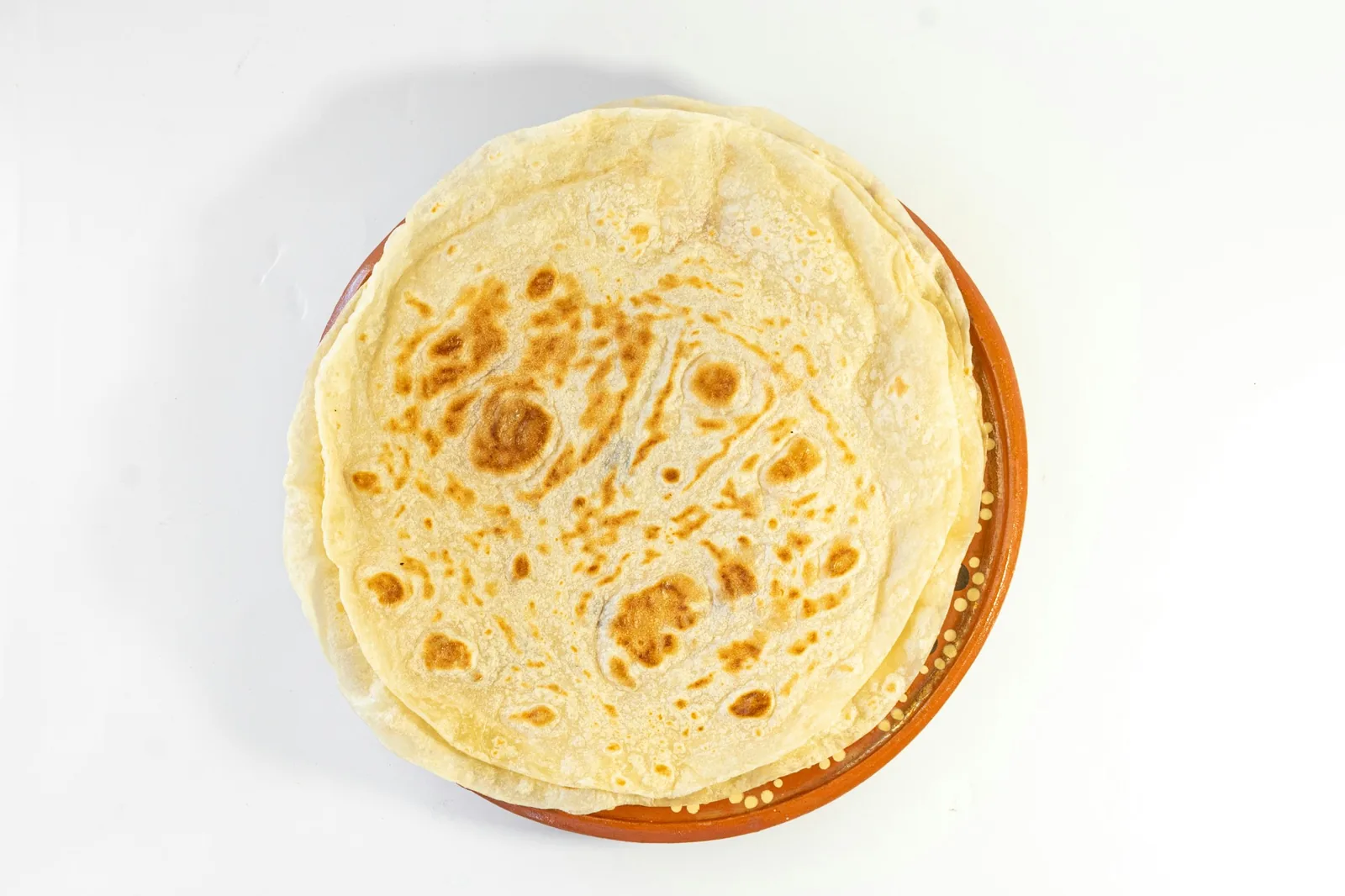
- Warm the tortillas properly and keep them wrapped in a cloth, for the reasons set out in why tacos fall apart.
The mistake almost everyone makes is cooking the meat and the vegetables together in one pan. It is faster and it produces steamed grey beef, because a pan crowded with wet peppers never gets hot enough to sear.
What comes with them
- Tortillas — flour usually, warm, wrapped in cloth. Corn on request. See corn versus flour tortillas.
- Peppers and onions — cooked with the meat or beside it.
- Sour cream and guacamole — cool against the char.
- Pico de gallo — raw chopped tomato, onion and chilli.
- Rice and beans — almost always, on the side.
Build them modestly. An overloaded tortilla splits, for exactly the reasons set out in why tacos fall apart.
A note on Doc’s
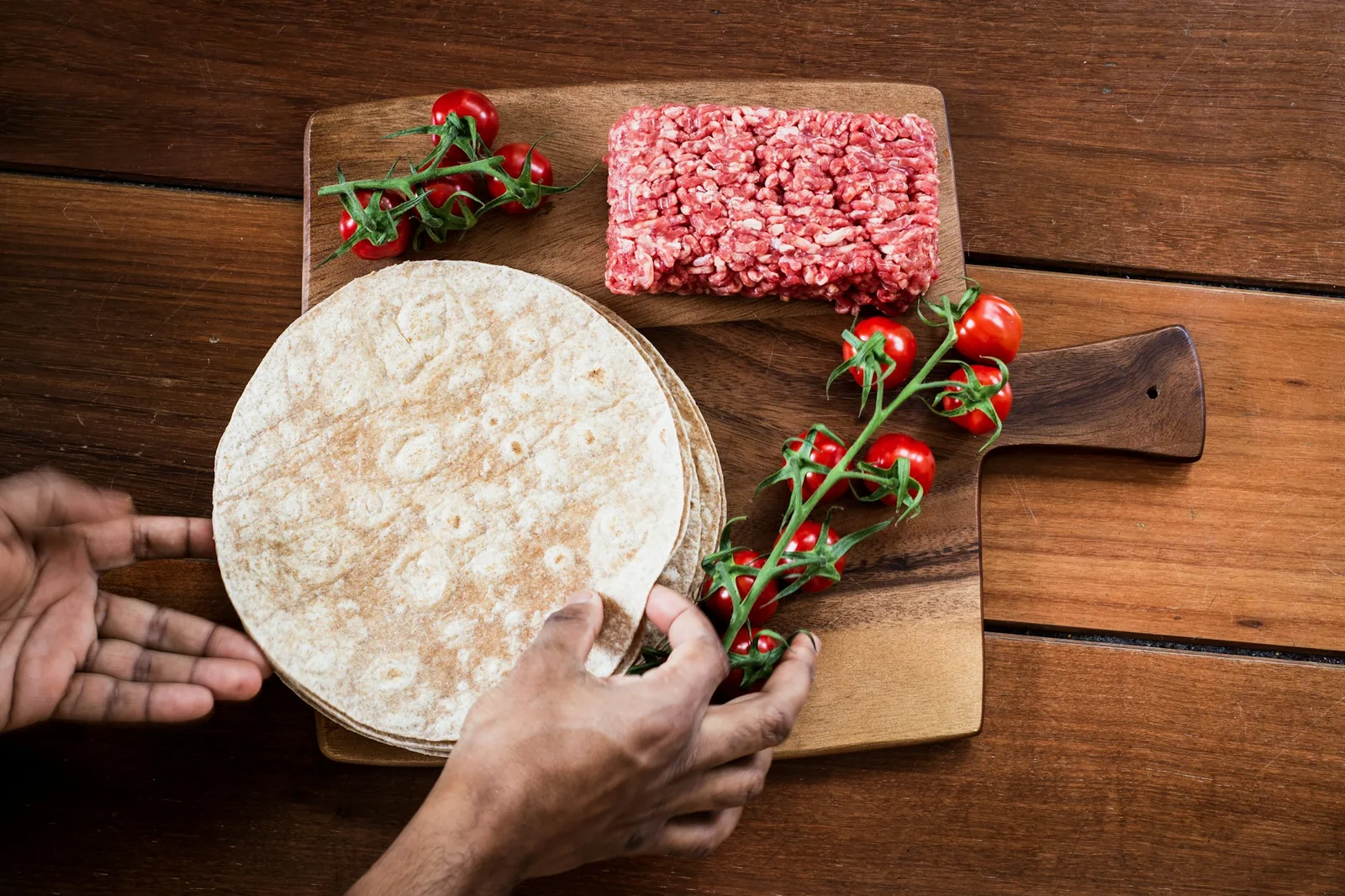
Fajitas were not on Doc’s board. The shop’s beef was bistek — thin beef on the flat top rather than grilled over flame — and it went into tacos, the torta and the quesadillas rather than onto a platter.
Doc’s Taco Shop did not serve this. The shop was a small weekend taqueria in Liberty City, Texas, and it closed permanently on 19 July 2025. This article is here because our own Tex-Mex guide names the dish as evidence and never explained it. You can read the full menu as Doc’s published it or look through the photo gallery.
Frequently asked questions
What does fajita mean?
Little belt or little sash, from the Spanish faja. It describes the skirt steak — a long, thin cut from the diaphragm — rather than the dish.
What cut of meat are fajitas?
Skirt steak traditionally. Flank and flap are common substitutes, and chicken and shrimp versions are now standard on most menus.
Are fajitas Mexican?
They are Tex-Mex. The dish developed among Mexican ranch hands working in South Texas in the 1930s, and reached restaurant menus in the 1970s.
Why are fajitas served on a sizzling platter?
The cast-iron platter is heated far hotter than the food. It is presentation, and it keeps cooking the meat on the way to the table — so you can ask for it not to sizzle if you want the beef pink.
Corn or flour tortillas with fajitas?
Flour by default, which suits the dish because the strips are long and a larger tortilla holds them. Corn is usually available on request.
The short version
Marinated skirt steak, grilled hard, sliced across the grain, with peppers and onions and warm tortillas. Ranch-hand food that became a restaurant institution. The sizzle is optional and the slicing is not.