
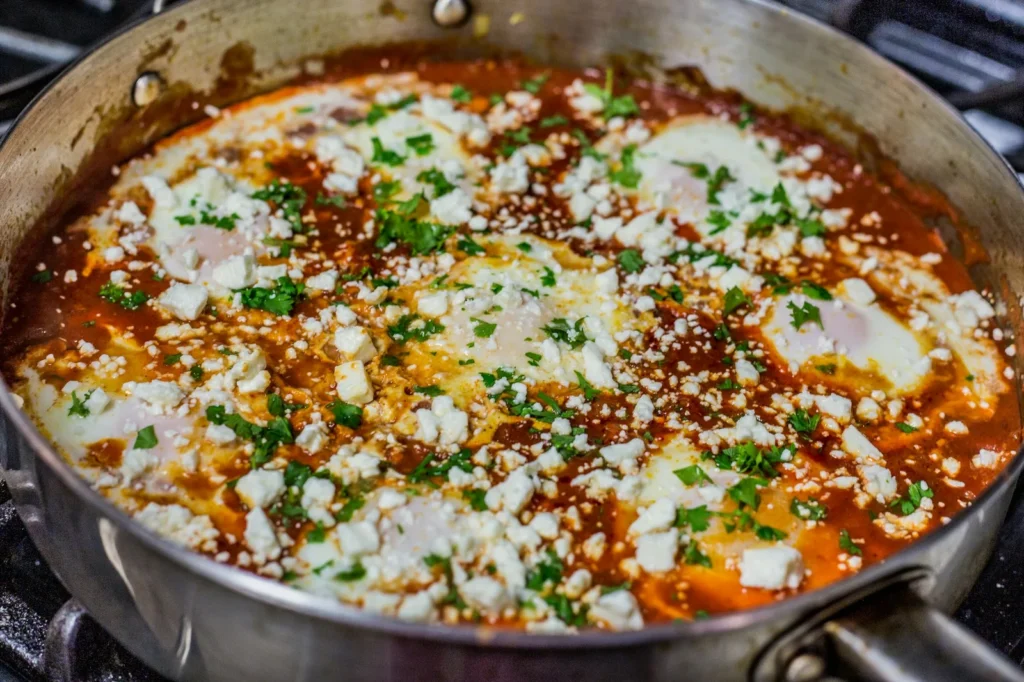
Queso fundido is real cheese melted in a hot dish, usually with chorizo or roasted chilli strips through it, and eaten by spooning it into warm tortillas. It is a dish you build tacos from — not a dip.
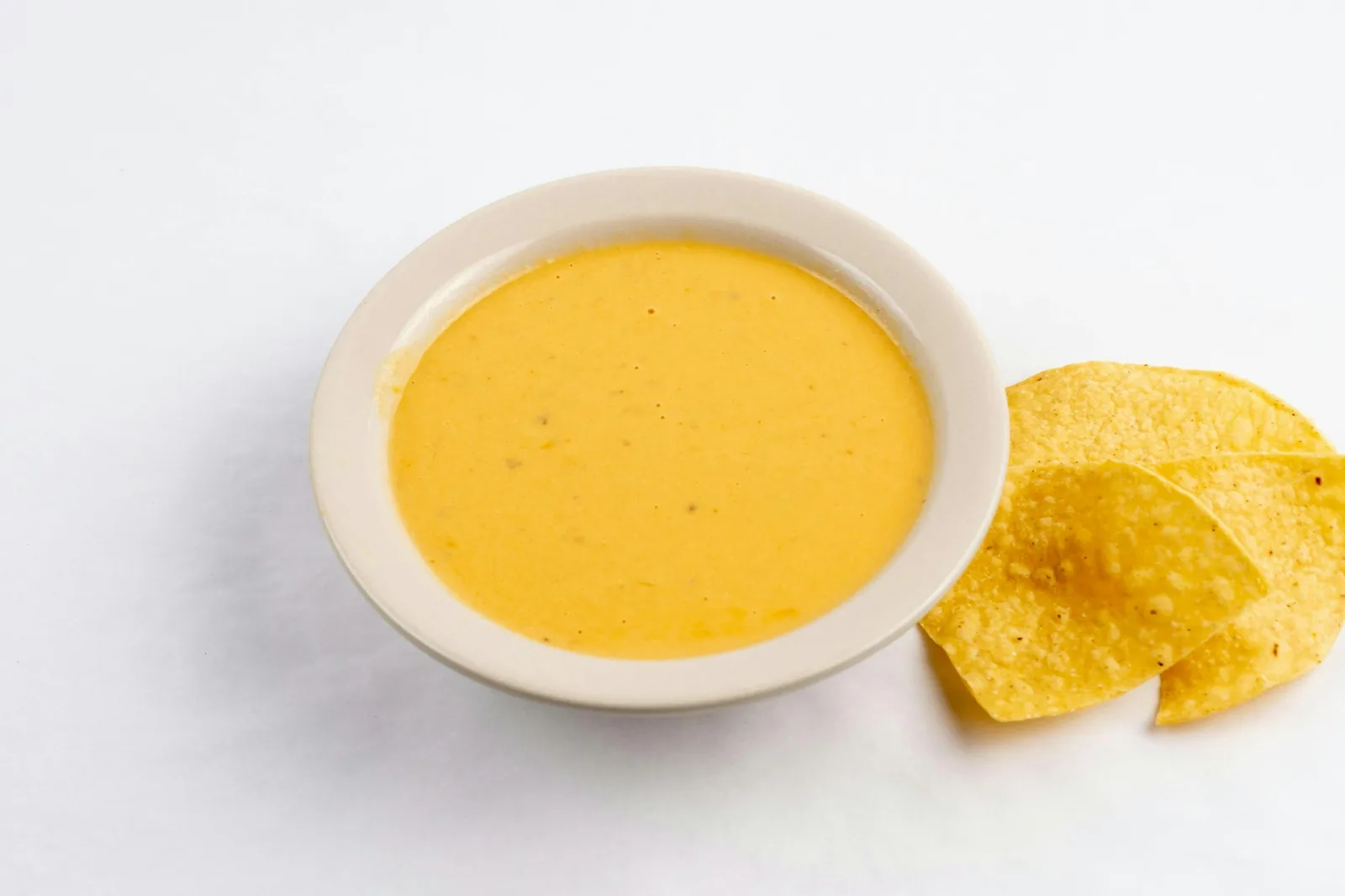
The thing it gets confused with, chile con queso, is a smooth processed-cheese dip eaten with tortilla chips. Different cheese, different texture, different country. They are not versions of each other.
The two dishes, separated
| Queso fundido | Chile con queso | |
|---|---|---|
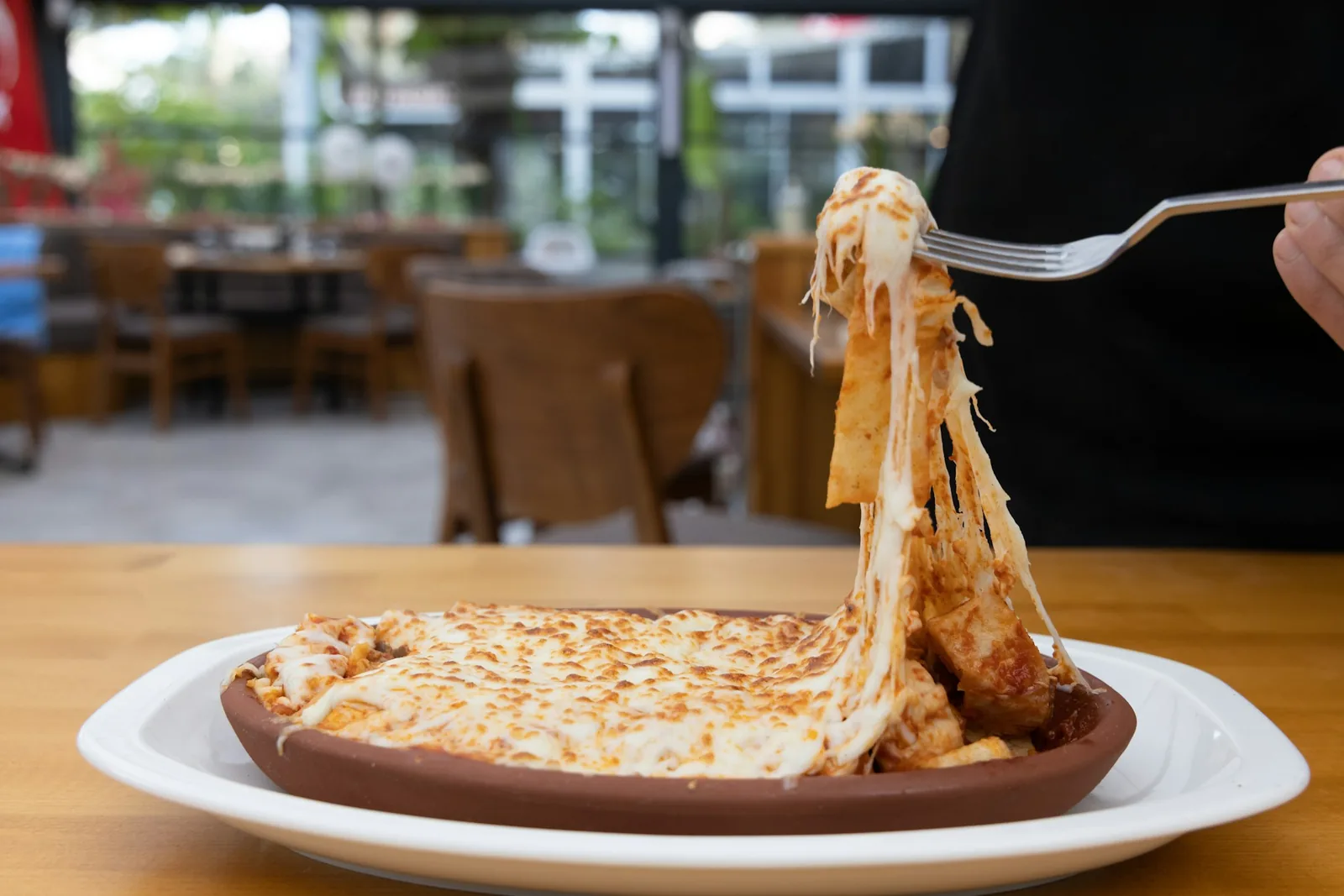
| The cheese | Real melting cheese — asadero, Chihuahua, Oaxaca | Processed cheese, or a roux with cheese melted in |
| Texture | Stringy, gooey, pulls into strands | Smooth, pourable, homogeneous |
| Served in | A hot skillet or earthenware dish | A bowl, kept warm |
| Eaten with | Warm tortillas — you build small tacos | Tortilla chips, as a dip |
| Usually contains | Chorizo, mushrooms, rajas, onion | Pico de gallo, sometimes taco meat |
| From | Northern Mexico’s ranch country | The United States |
TASTE’s field guide to chile con queso is good on the American side of that split. The short version is that chile con queso, despite the Spanish name, is an American appetiser rather than a Mexican dish — which places it firmly in the territory our Tex-Mex versus Mexican comparison maps out.
Why processed cheese exists in the other one
Not laziness — chemistry. Real cheese heated on its own tends to break: the proteins tighten and squeeze out fat and water, and you get strands in a greasy pool. That is fine when you are spooning stringy cheese into a tortilla, and useless when you want a smooth dip that stays smooth in a bowl for an hour.
Processed cheese contains emulsifying salts that keep fat, water and protein bound together at temperature. That is precisely why chile con queso uses it. The two dishes have different physical requirements and reach for different ingredients accordingly.
Which cheeses melt and which do not is the subject of our guide to Mexican cheeses — the stretched-curd ones like Oaxaca are the fundido cheeses, for the same reason mozzarella works on a pizza.
What goes in it
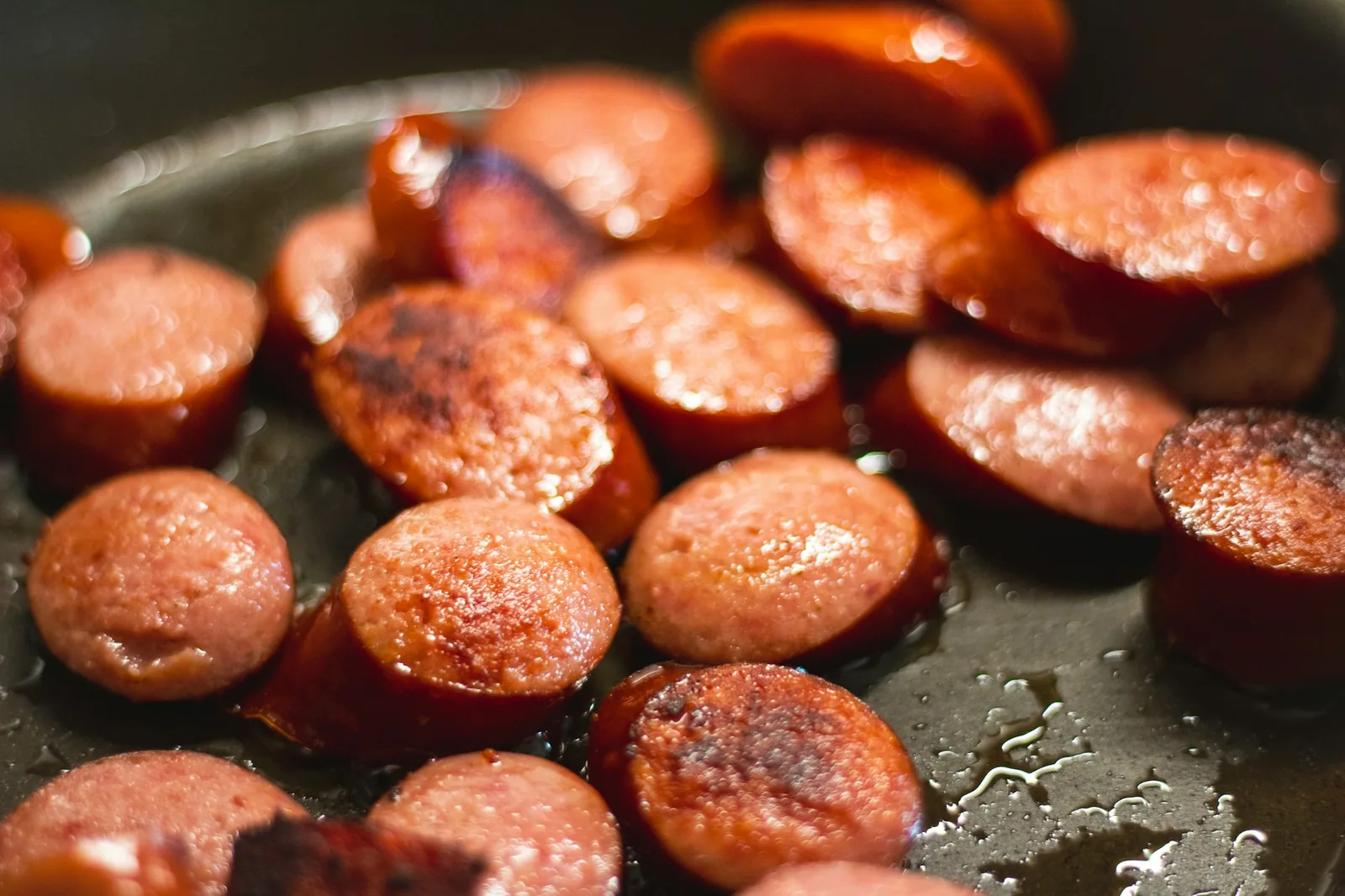
- Chorizo — the most common addition, crumbled and cooked first so its fat and colour run through the cheese.
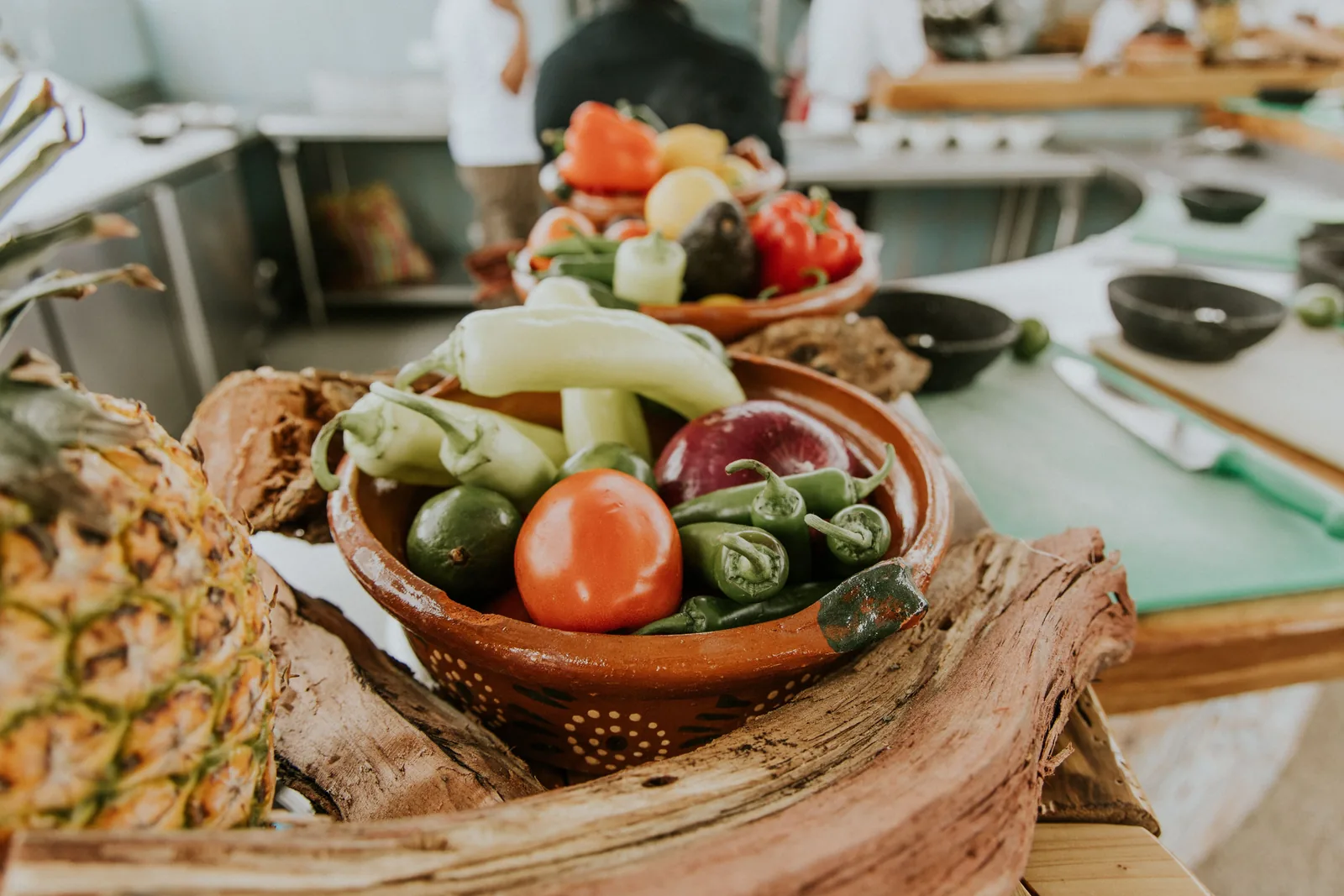
- Rajas — strips of roasted poblano, sweet and mildly earthy.
- Mushrooms — sautéed, a standard vegetarian version.
- Onion — softened, often with the rajas.
- Nothing at all — plain fundido is perfectly normal and lets the cheese carry it.
Queso flameado is the same dish with a splash of spirit lit at the table. It is showmanship rather than technique, and the dish is identical underneath.
Making it at home
It is one of the easiest Mexican dishes to make well, because there is almost nothing to it and the only real skill is not overheating the cheese.
- Cook the chorizo or the chilli strips first, in the dish you will serve in. Cast iron or earthenware, because it must stay hot.
- Grate or tear the cheese rather than cubing it — smaller pieces melt before the outside can tighten.
- Add the cheese off direct heat, or under a grill, and stop the moment it has flowed. Melted is done; bubbling is too far.
- Take it to the table immediately with warm tortillas.
The one failure mode is heat and time. Cheese held hot for too long separates into strands and oil, which is exactly why the dish is served in the vessel it was melted in and eaten straight away.
How to eat it
- Eat it immediately. Melted cheese has a short window before it tightens and goes rubbery, which is why it arrives in a hot dish.
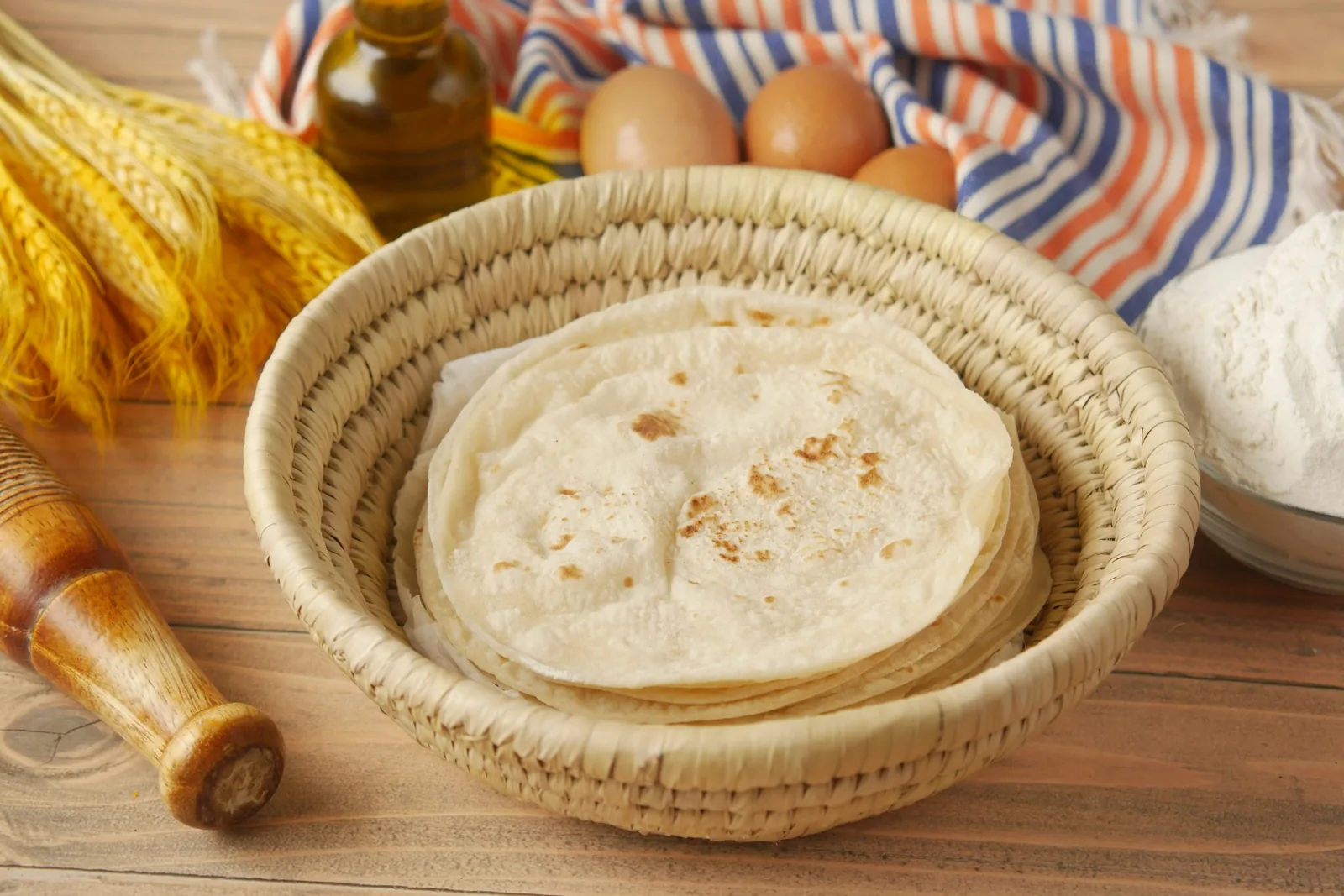
- Use a fork to lift a portion into a tortilla rather than dipping the tortilla in.
- Add salsa in the tortilla, not in the skillet.
- Share it. A skillet is a starter for a table, not a course for one.
If it does tighten before you finish, that is the cheese doing what cheese does rather than a fault. The lesson is to order it when everyone is ready to eat.
A note on Doc’s
Queso fundido was not on Doc’s board, and neither was a queso dip. The shop’s melted cheese went into the suegrita and the quesadillas, using mozzarella — a stretched-curd cheese standing in for Oaxaca, which is exactly the substitution a fundido depends on. In that sense the board had the technique without the dish.
Doc’s Taco Shop did not serve this. The shop was a small weekend taqueria — street tacos, quesadillas and a short board of house items — and it closed permanently on 19 July 2025. This article covers the wider cuisine rather than the shop. You can read the full menu as Doc’s published it or read how the shop came about.

Frequently asked questions
What is the difference between queso fundido and queso dip?
Queso fundido is real melting cheese served in a hot skillet and spooned into tortillas. Queso dip, or chile con queso, is a smooth processed-cheese dip for tortilla chips, and it is an American dish rather than a Mexican one.
What cheese is used for queso fundido?
A melting cheese — asadero, Chihuahua or Oaxaca traditionally. Low-moisture mozzarella is a close and widely used substitute.
What is queso flameado?
The same dish with a spirit poured over and lit at the table. The flame is presentation; the dish underneath is queso fundido.
Why does my melted cheese go greasy and stringy?
Because real cheese breaks when heated — the proteins tighten and release fat. That is expected in fundido, which is eaten immediately. Smooth dips use processed cheese with emulsifying salts to prevent it.
Is queso fundido a main course?
No, it is a starter for a table to share. It is very rich and a skillet between one or two people is a great deal of cheese.
The short version
Real cheese, melted hot, spooned into tortillas. Stringy on purpose. The smooth dip you get with chips is a different American dish that needs processed cheese to stay smooth — and knowing which one a menu means will save you a surprise either way.