Oaxaca is treated as Mexico’s culinary centre, and the shorthand for why is the land of seven moles. The state’s food is built on dried chillies, on masa in formats found nowhere else, on a stretched cheese called quesillo, and on mezcal.
Our guide to mole says Oaxaca is known for seven and does not name them. That is the obvious place to start.
The seven moles, named
| Mole | Colour | Character |
|---|---|---|
| Negro | Almost black | The most complex; chilhuacle chillies, chocolate, hoja santa |
| Rojo | Deep red | Chilli-forward, nuts, a little chocolate |
| Coloradito | Red-brown | Sweeter, thickened with plantain |
| Amarillo | Yellow-orange | Thickened with masa; no chocolate |
| Verde | Green | Pumpkin seeds, tomatillo, fresh herbs |
| Chichilo | Grey-brown | The rarest; uses chillies charred to ash |
| Manchamantel | Brick red | Literally ‘tablecloth-stainer’; fruit-sweetened |
“Seven” is a convention rather than a count — the real number depends on who is listing them. What the seven do establish is the range: from a nearly black sauce built on charred chillies to a bright green one built on seeds and herbs, all under one word.
Beyond mole
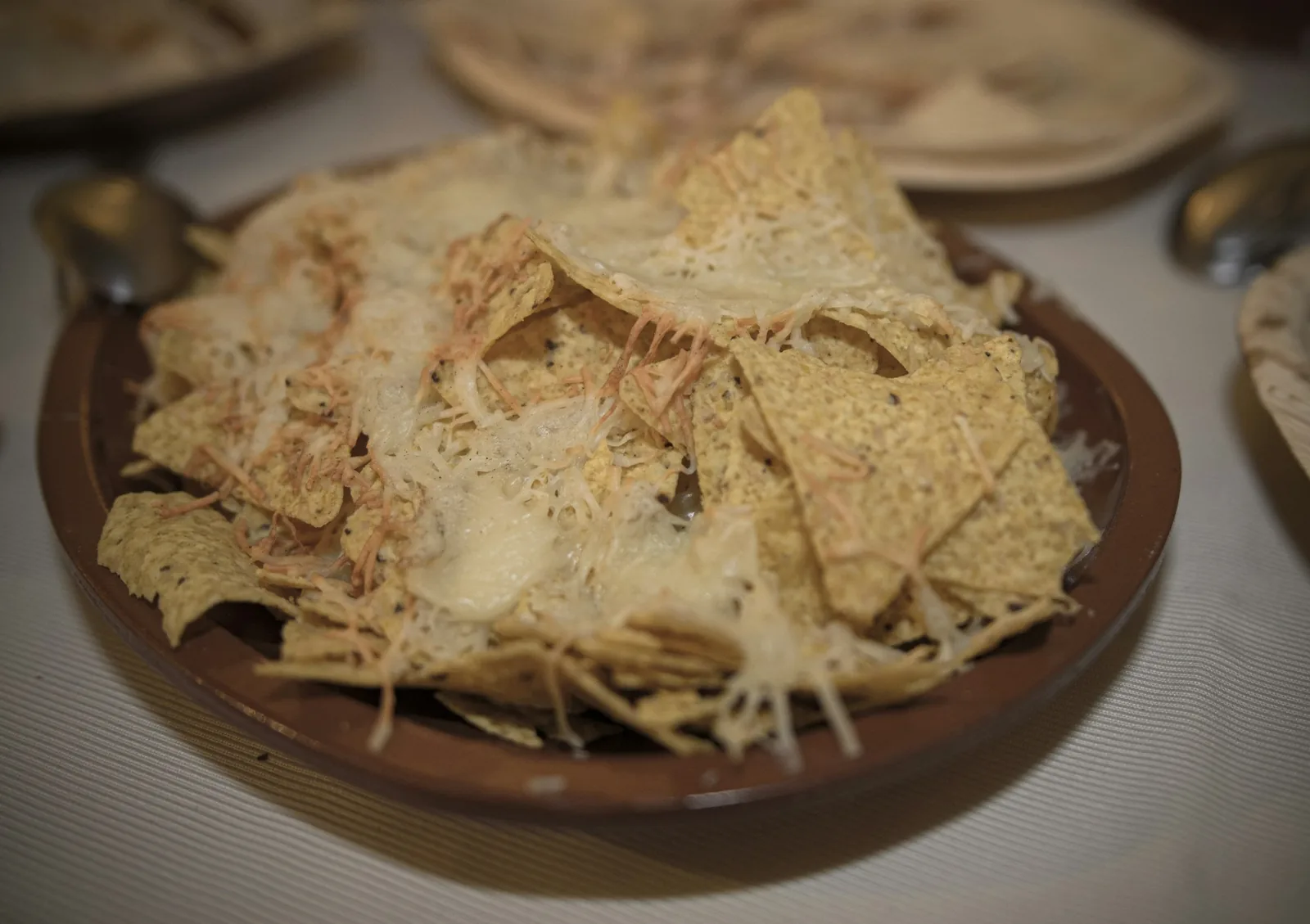
- Tlayudas — a very large, thin tortilla toasted until crisp, spread with bean paste and lard, then piled with quesillo, cabbage and meat. Folded or open, eaten with hands. Often called the Oaxacan pizza, which undersells it.
- Quesillo — the stretched-curd cheese sold as a wound ball of rope. Known elsewhere as queso Oaxaca; see our cheese guide.
- Chapulines — toasted grasshoppers with chilli and lime, sold by the cup. A genuine staple rather than a dare.
- Tamales oaxaqueños — wide and flat, wrapped in banana leaf rather than husk, frequently filled with mole. Covered in our tamales guide.
- Tasajo and cecina — thin salted beef and chilli-rubbed pork, grilled to order in market halls.
Why this state and not another
Two reasons, and both are structural rather than sentimental.
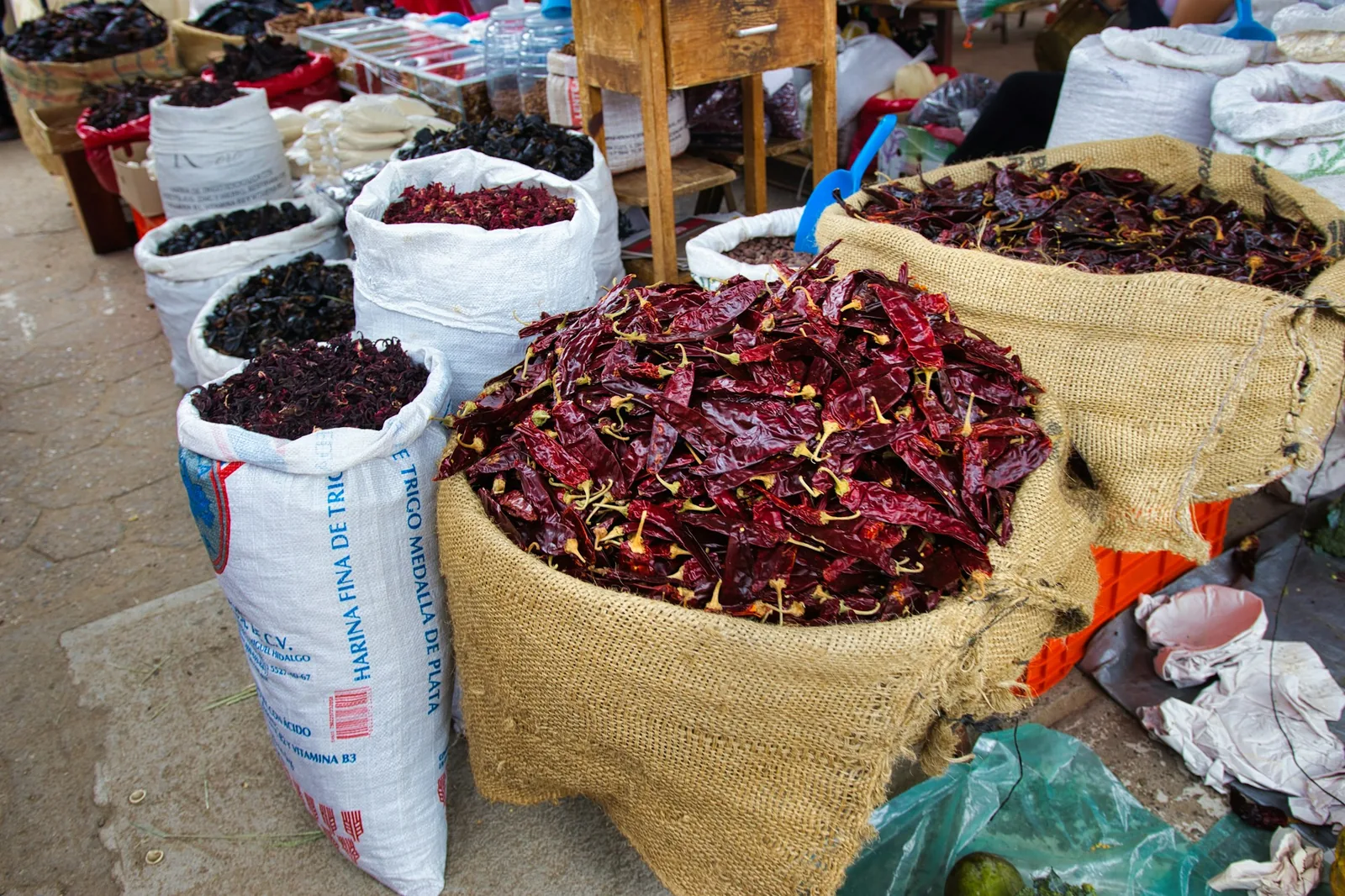
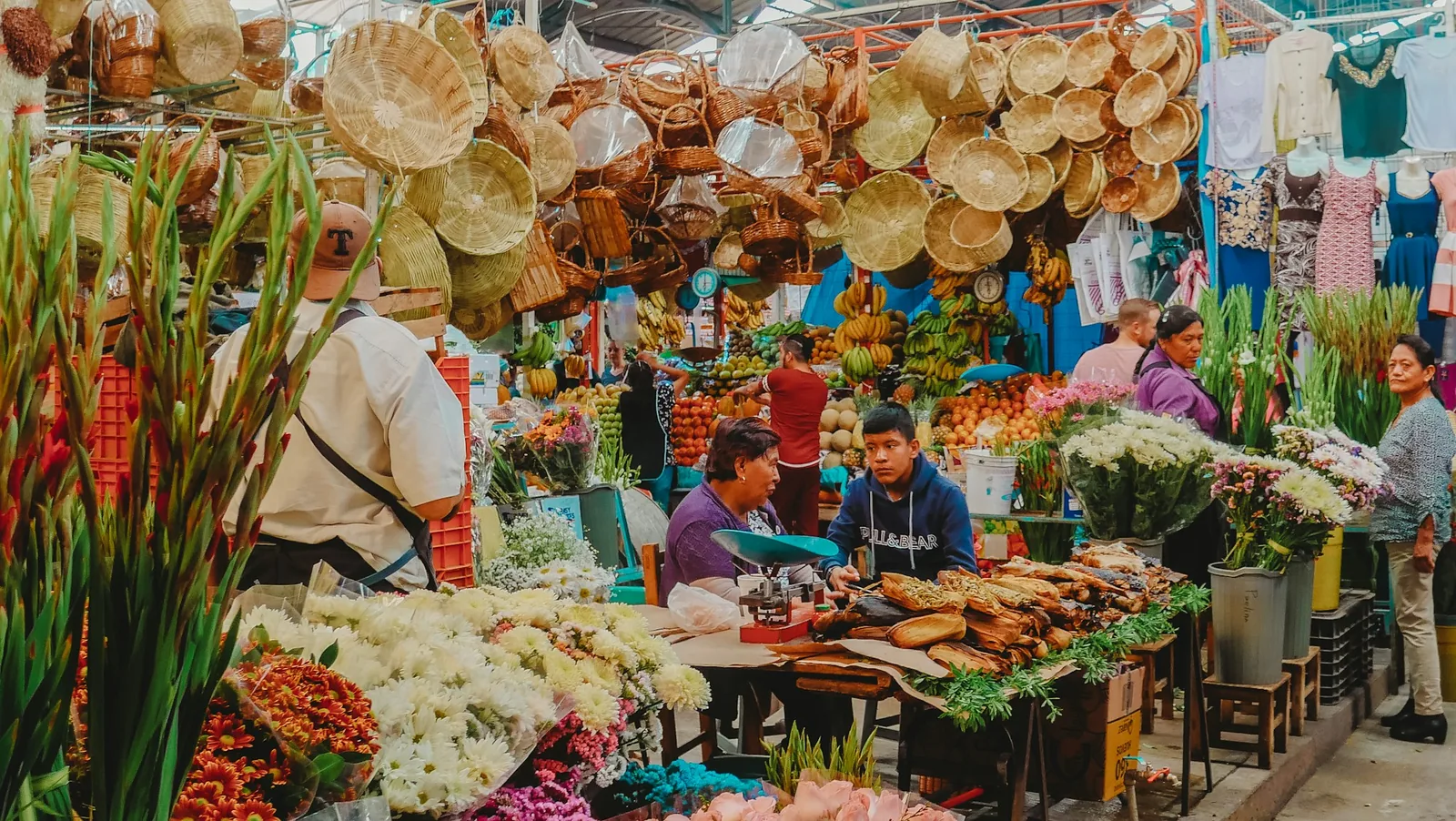
The first is biological. Oaxaca is one of the most ecologically varied states in Mexico — coast, high sierra, central valleys and isthmus in a relatively small area — and it holds an unusual number of native maize and chilli varieties. Some chillies used in mole negro, chilhuacle in particular, are grown almost nowhere else. A cuisine with more distinct raw materials produces more distinct dishes.
The second is continuity. Oaxaca has one of the largest indigenous populations in Mexico, with sixteen recognised peoples, and much of the cooking has been transmitted without interruption. UNESCO’s listing of the Historic Centre of Oaxaca and the archaeological site of Monte Albán recognises a settlement history running back well over a thousand years on the same ground.
Masa formats you will not see elsewhere
- Memelas — small oval masa cakes, griddled, spread with bean paste and topped simply. The everyday version of the thick-masa family in our masa guide.
- Empanadas de amarillo — a large tortilla folded over mole amarillo and chicken, then griddled. Not a pastry empanada.
- Molotes — masa stuffed, shaped into a spindle and fried.
- Tetelas — masa folded into a triangle around bean paste and griddled. Pre-Hispanic and very simple.
What these have in common is that the masa is the dish rather than a wrapper for it. In a state with this many maize varieties that is not surprising, and it is the practical expression of what the UNESCO listing describes as a corn-based food system.
Mezcal, briefly
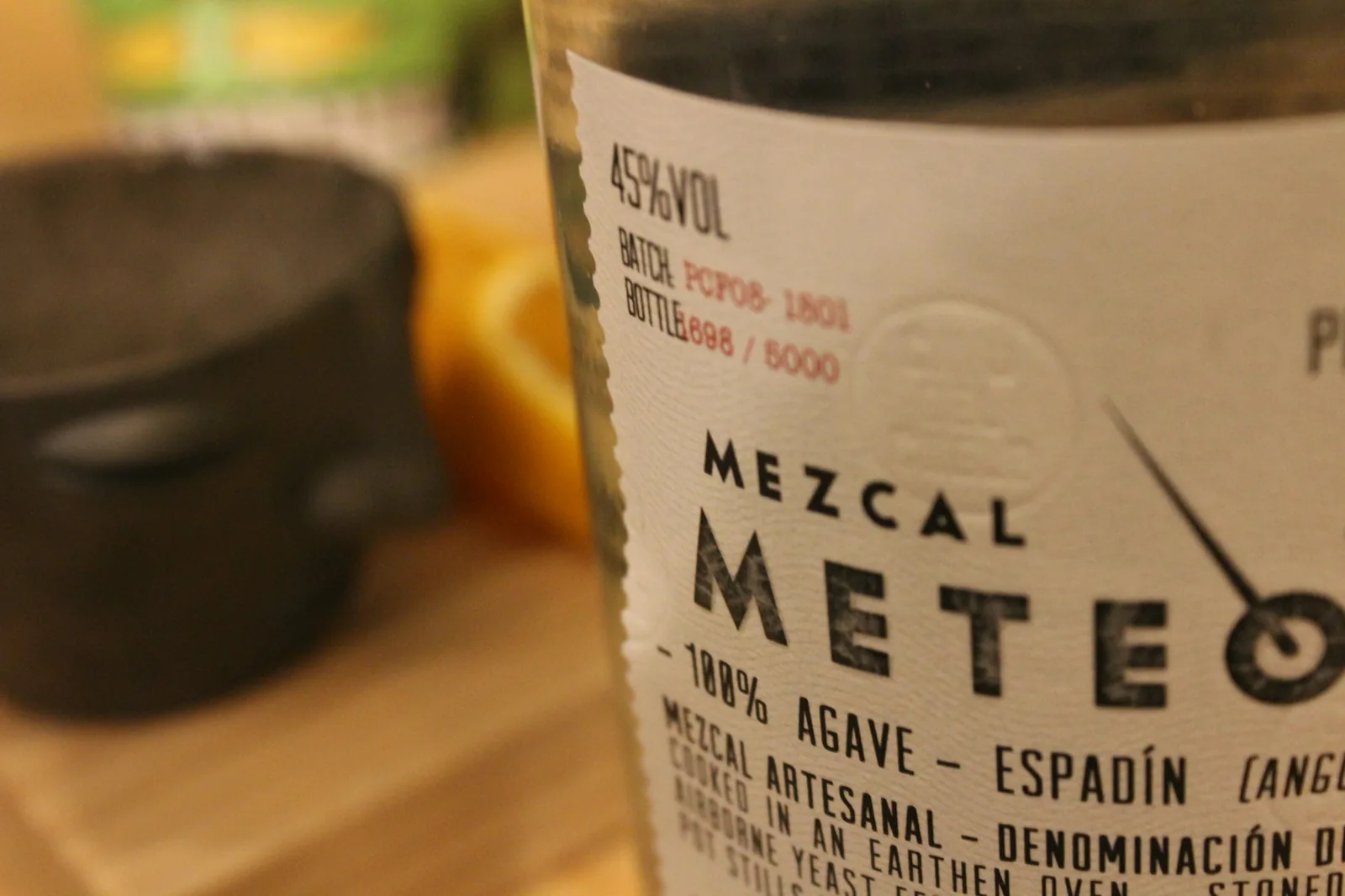
Oaxaca produces most of Mexico’s mezcal. Both mezcal and tequila are agave spirits; the difference is that tequila must be blue agave from a defined region centred on Jalisco, while mezcal may use many agave species and is made across several states.
The smokiness people associate with mezcal comes from cooking the agave hearts in earth pits over hot stones — the same technique behind barbacoa, applied to a plant instead of an animal. It is served neat, at room temperature, often with orange and a chilli-salt, and it is sipped rather than shot.
A note on Doc’s
Nothing on Doc’s board was Oaxacan. The shop’s cheese was mozzarella standing in for the stretched-curd role quesillo fills, which is the only thread connecting the two — and it runs through Tex-Mex substitution rather than through Oaxaca.
Doc’s Taco Shop had no connection to this region. It was a small weekend taqueria in Liberty City, Texas, running three meats across a short board, and it closed permanently on 19 July 2025. This article exists because our own guides name the region repeatedly without ever explaining it. You can read the full menu as Doc’s published it or read how the shop came about.

Frequently asked questions
What are the seven moles of Oaxaca?
Negro, rojo, coloradito, amarillo, verde, chichilo and manchamantel. The number is a convention rather than a strict count, and recipes vary by town and family.
What is a tlayuda?
A very large thin tortilla toasted crisp, spread with bean paste, then topped with quesillo, cabbage and meat. It is eaten with the hands, folded or open.
What is quesillo?
Oaxaca’s stretched-curd cheese, sold as a wound ball of rope. It is the same cheese sold elsewhere as queso Oaxaca, and it melts into strands.
Is Oaxacan food spicy?
Less than its reputation suggests. Its chillies are used for complexity, colour and depth more than for heat, and the moles in particular are rich rather than hot.
What is the difference between mezcal and tequila?
Tequila must be made from blue agave in a defined region centred on Jalisco. Mezcal can use many agave species, is made in several states, and is usually smoky because the agave is cooked in earth pits.
The short version
Seven moles, tlayudas, quesillo, chapulines and mezcal, resting on unusual biological variety and unusual cultural continuity. If you only remember one thing: the seven moles range from nearly black to bright green, and most of them contain no chocolate at all.