
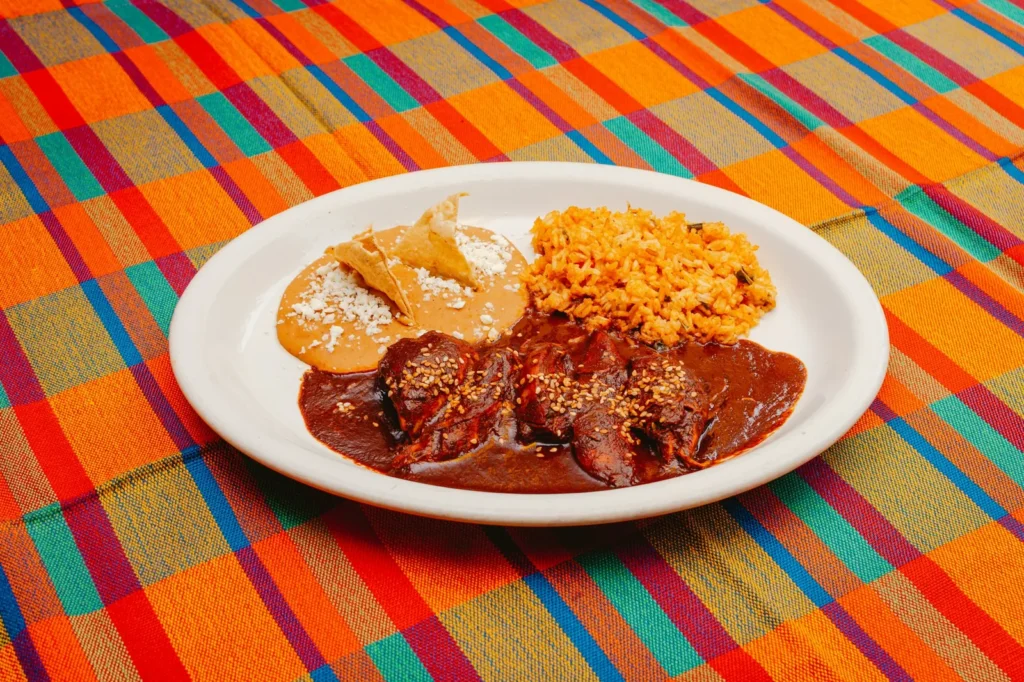
Mole is not one sauce. It is a whole family of complex, slow-built chilli sauces — Oaxaca alone is known for seven — that combine several kinds of dried chilli with spices, nuts or seeds, fruit, and a thickener. Most of them contain no chocolate at all.
The word comes from the Nahuatl mōlli, meaning sauce. Calling something “mole” is about as specific as calling something “a stew”.
The chocolate misconception
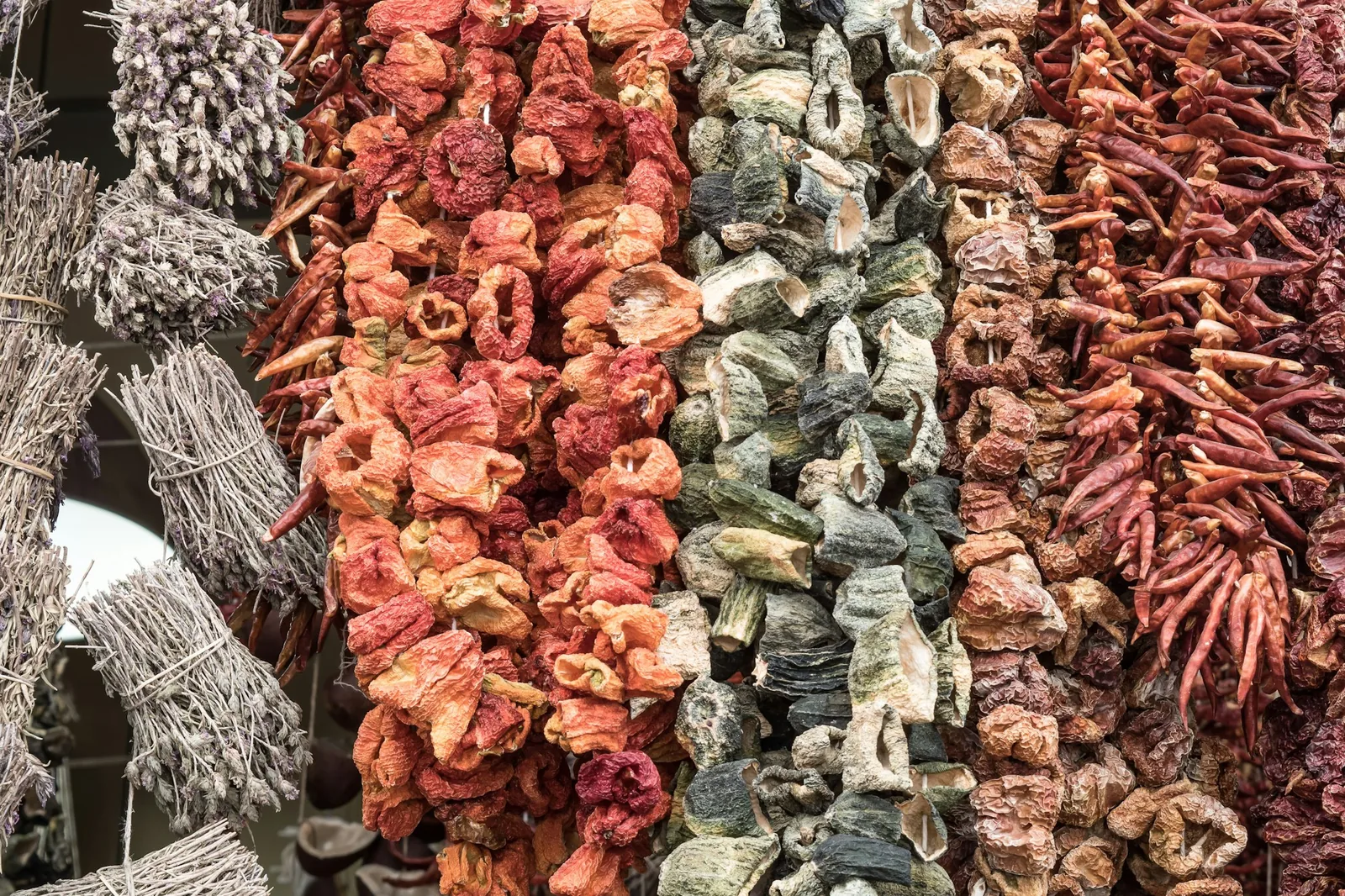
Mole poblano does contain chocolate, and it is the mole most people outside Mexico have met, so the association stuck. But the quantity is small and unsweetened, and its job is not to make the sauce taste of chocolate — it is to add bitterness, body and a darker colour, the same way a spoon of cocoa works in a chilli.
Several major moles contain none. Mole verde is built on pumpkin seeds, tomatillos and herbs. Mole amarillo is thickened with masa. If you have avoided mole because you did not want chocolate on chicken, you have been avoiding the wrong thing.
Where chocolate is used, it is unsweetened and it goes in late, in small quantity, tasted as it dissolves. It functions as a seasoning — a bitter, fatty note that rounds the chillies off — in the same way an anchovy functions in a European sauce without making it taste of fish.
The main ones
| Mole | Where | Built on | Chocolate? |
|---|---|---|---|
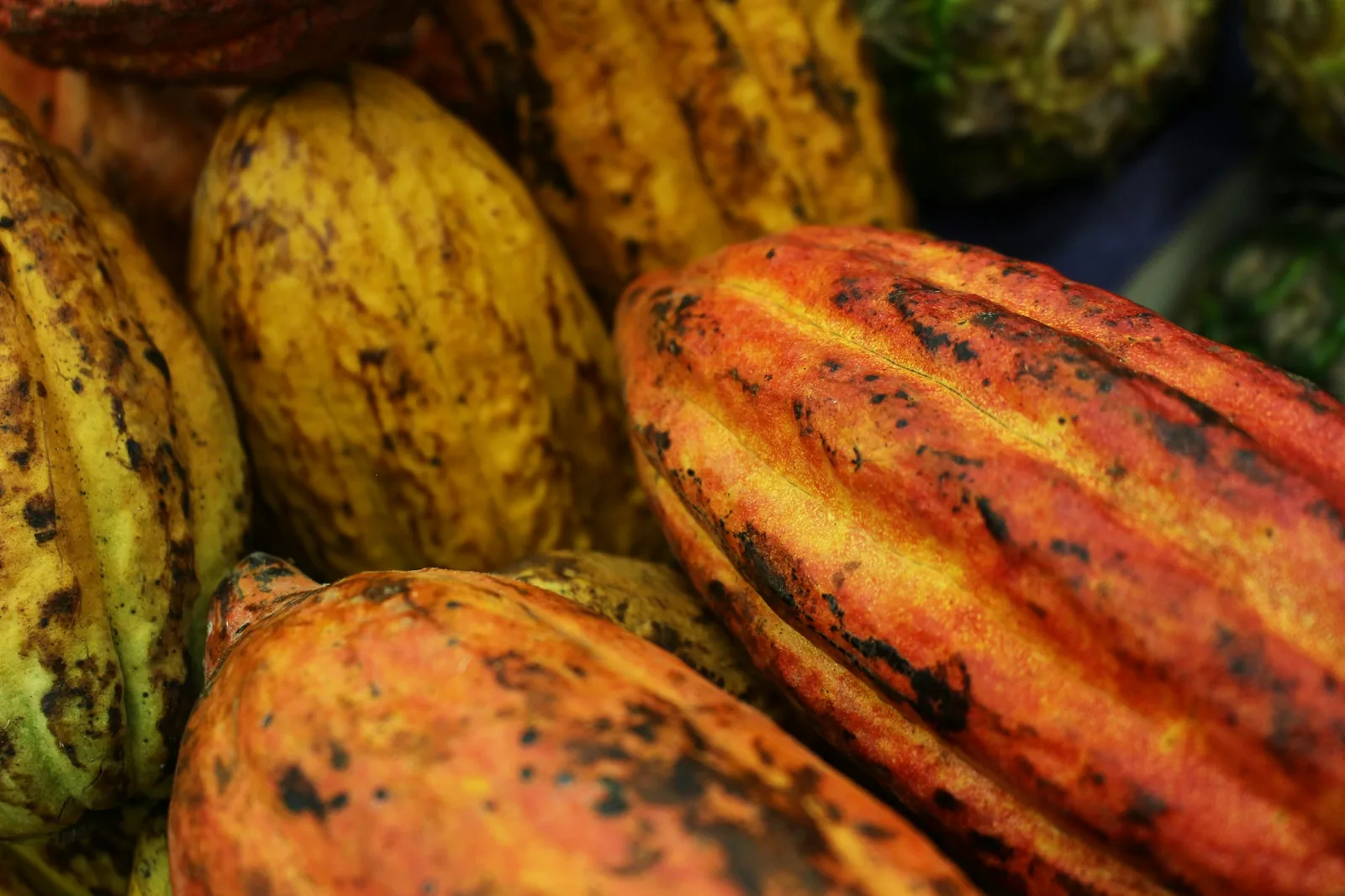
| Poblano | Puebla | Ancho, mulato and pasilla chillies, nuts, raisins | Yes, a little |
| Negro | Oaxaca | Several dried chillies, hoja santa, spices | Yes — the darkest of them |
| Verde | Oaxaca and elsewhere | Pumpkin seeds, tomatillos, herbs | No |
| Amarillo | Oaxaca | Yellow chillies, thickened with masa | No |
| Coloradito | Oaxaca | Red chillies, thickened with plantain | A little |
| Encacahuatado | Various | Peanuts | No |
The Alimentarium, the food museum in Vevey, describes mole in its fact sheet on the sauce as built from cocoa, dried chilli peppers and corn, roasted and ground before being combined and cooked for several hours. The roasting and the hours are the part that matters most.
Why it takes so long
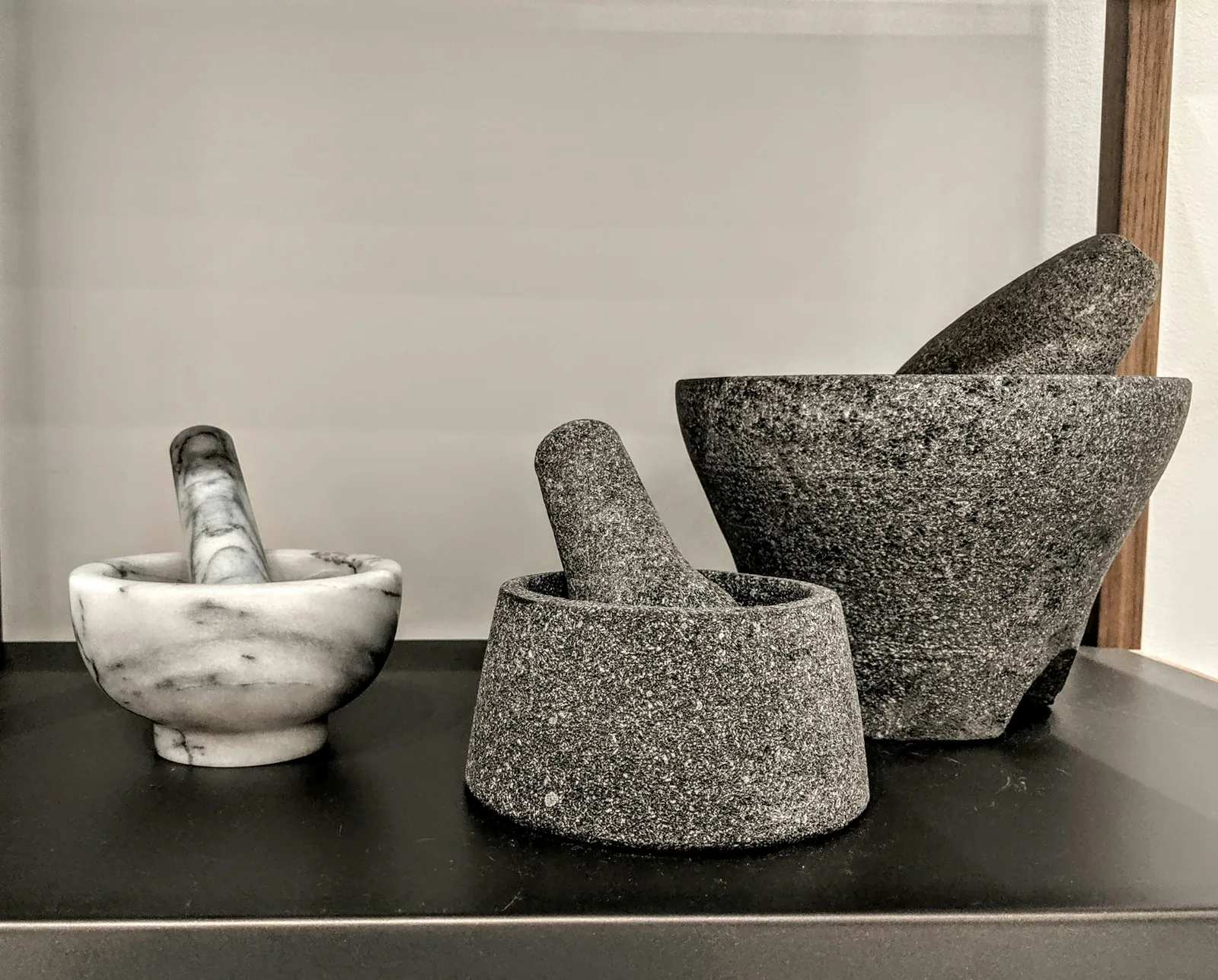
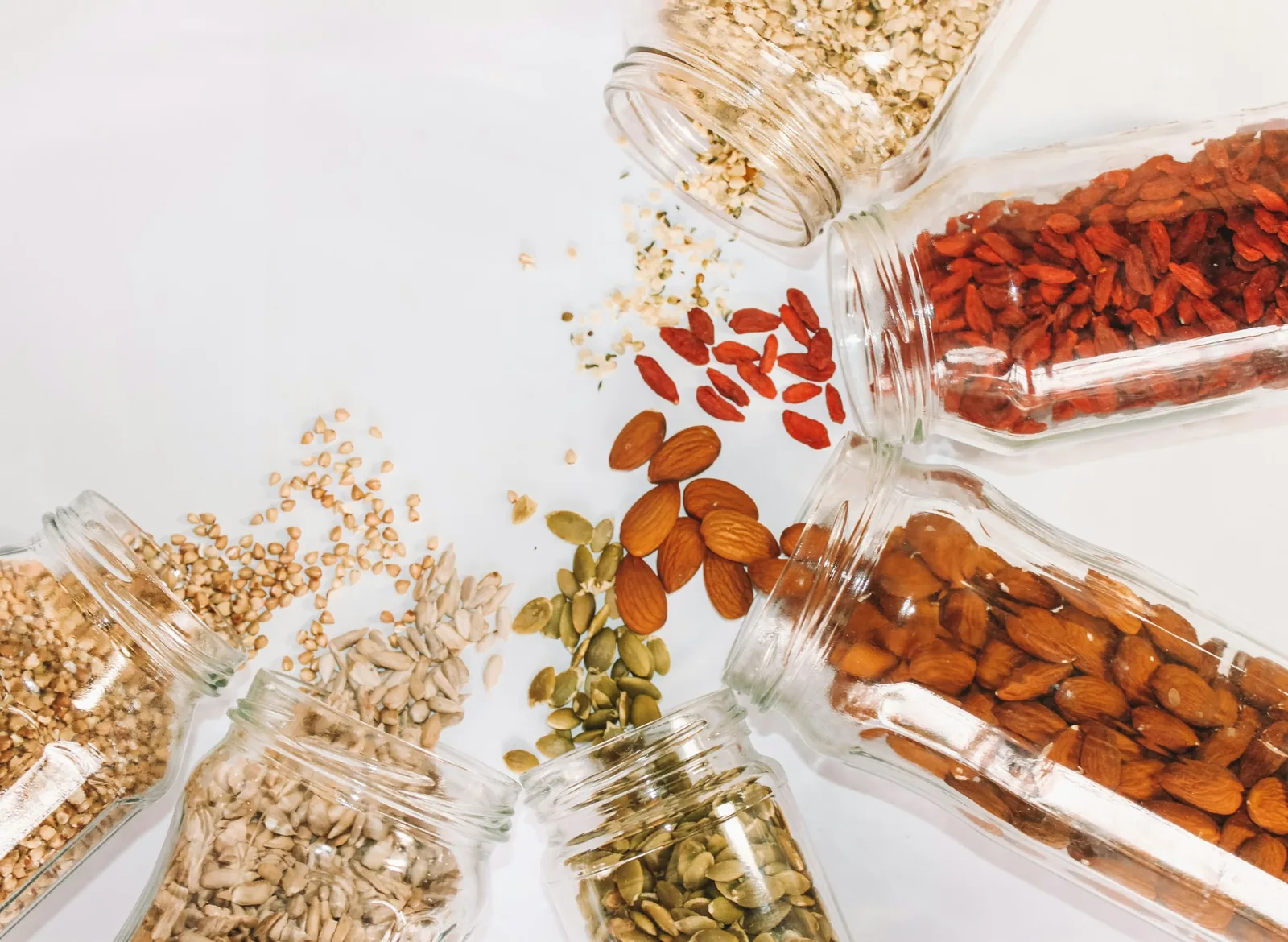
A mole can run to twenty or thirty ingredients, and almost every one is treated separately before anything is combined. Chillies are toasted and soaked. Seeds and nuts are toasted. Spices are toasted and ground. Fruit is fried. Tortillas or bread may be fried and blended in as a thickener.
One consequence worth flagging: a sauce built on ground nuts and seeds is a serious matter if you have an allergy, and none of it is visible in the finished sauce. Our guide to nut and sesame allergies covers what to ask.
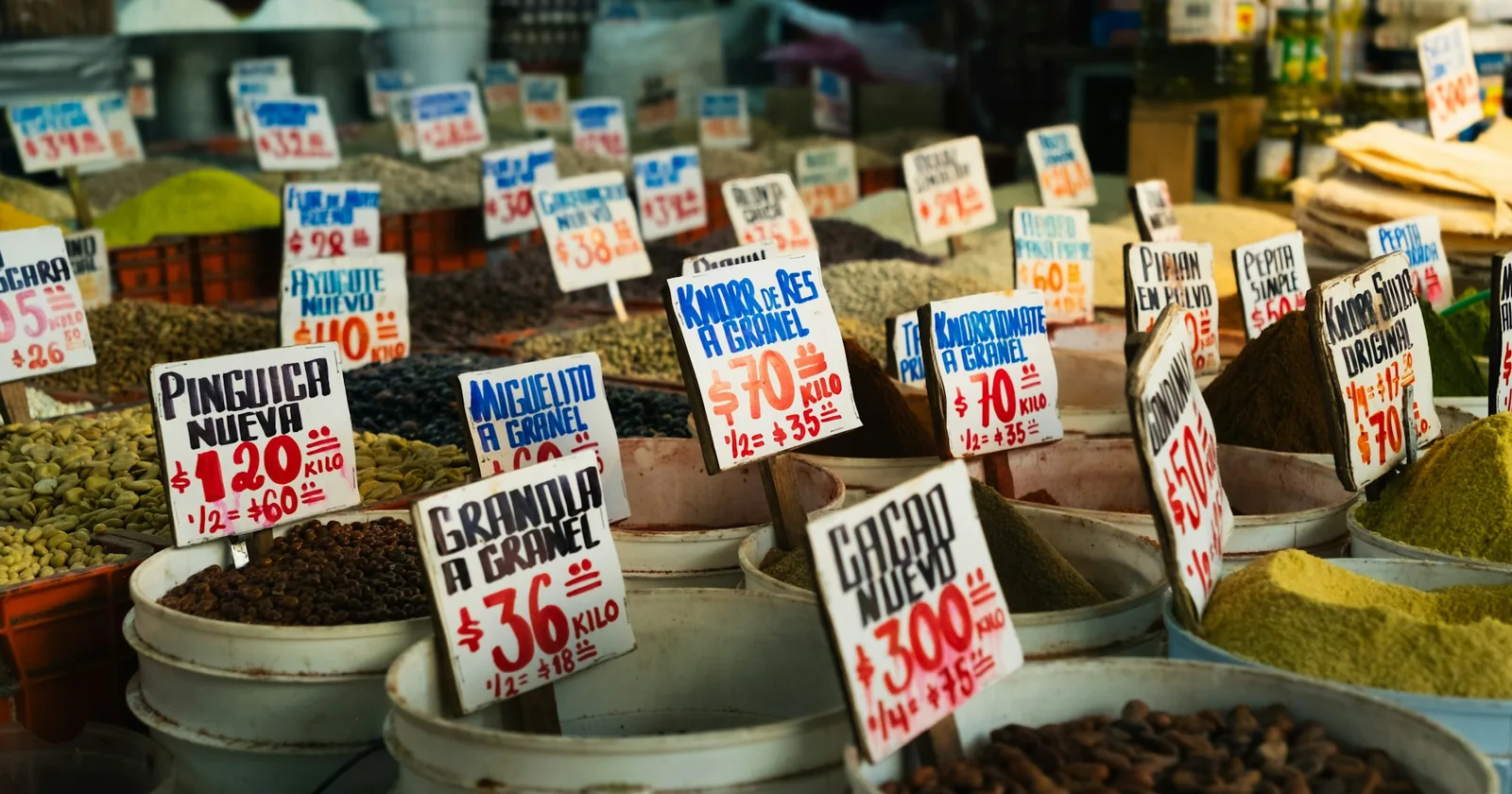
Only then does it all go together and cook down for hours, which is when the flavours stop tasting like a list and start tasting like one thing. That is why mole is festival food, why it is often made in enormous quantities, and why many families buy a paste from someone who makes it properly rather than starting from chillies.
Buying the paste is not cheating. It is the normal way most people eat mole most of the time.
Ordering it for the first time
Mole rewards a little strategy, because it is the opposite of a light introduction to a menu.
- Start with mole poblano over chicken if it is offered. It is the most widely made and the most balanced.
- Order rice with it. Plain rice is not filler here; it is what makes a rich sauce eatable in quantity.
- Do not expect heat. If you want heat, add salsa separately.
- Share a plate if you are unsure. A little mole is a pleasure and a lot of it is heavy.
How it is served
- Over turkey or chicken — the classic. Mole poblano with turkey is the celebratory version.
- As enmoladas — enchiladas sauced with mole instead of chilli sauce.
- In tamales — particularly Oaxacan tamales, wrapped in banana leaf.
- With rice — almost always, to carry the sauce.
It is rich and it is meant to be eaten in modest quantity with something plain alongside. A plate that looks under-sauced by American standards is usually correctly sauced.
A note on Doc’s
Mole was not on Doc’s board, and would have been a surprising thing to find there — it belongs to the sit-down, slow-kitchen side of Mexican cooking rather than to a weekend taco counter. The board’s deepest, longest-cooked item was birria, which ran seasonally for much the same reason: hours of work before service.
Doc’s Taco Shop did not serve this. The shop was a small weekend taqueria — street tacos, quesadillas and a short board of house items — and it closed permanently on 19 July 2025. This article covers the wider cuisine rather than the shop. You can read the full menu as Doc’s published it or look through the photo gallery.
Frequently asked questions
Does mole taste like chocolate?
No. Some moles contain a small amount of unsweetened chocolate for bitterness and body, and many contain none at all. It reads as deep and savoury rather than sweet.
What does mole taste like?
Complex and layered — dried-fruit sweetness, toasted nuts and seeds, warm spice, and a low chilli heat underneath. No single ingredient stands out, which is the point.
How many types of mole are there?
Many. Oaxaca is known as the land of seven moles, but that is a regional shorthand rather than a complete count — recipes vary by town and by family.
Is mole spicy?
Usually only moderately. The chillies used are chosen more for flavour and colour than for heat, and the richness dampens what heat there is.
Is it acceptable to use shop-bought mole paste?
Entirely. Buying paste from someone who makes it well is how most people in Mexico eat mole most of the time. Making it from scratch is a special-occasion undertaking.
The short version
Mole is a family of slow, complex chilli sauces, not a single recipe and not a chocolate sauce. Toasted chillies, seeds, spices and a thickener, cooked for hours until they read as one flavour. Order it over chicken with rice, and expect depth rather than heat.