
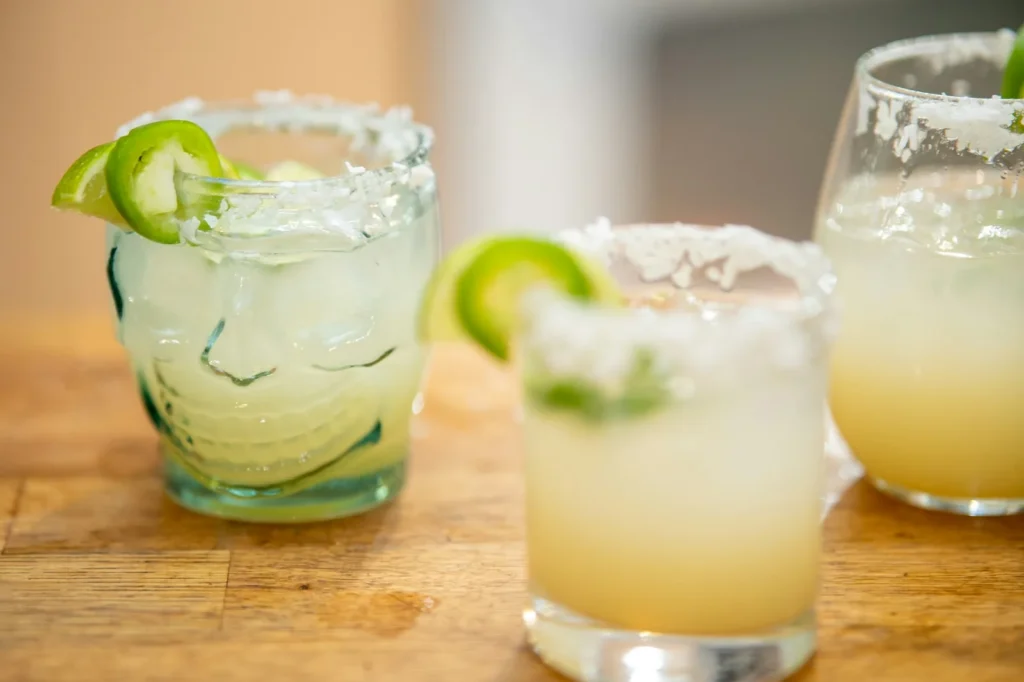
A margarita is tequila, orange liqueur and lime juice, shaken cold and served in a glass with salt on the rim. Three ingredients and a garnish. Everything that goes wrong with one goes wrong in the lime.
It is the archetypal Mexican-restaurant drink in the United States, and it is worth knowing that its origins are genuinely murky while its construction is not.
The one thing that decides quality
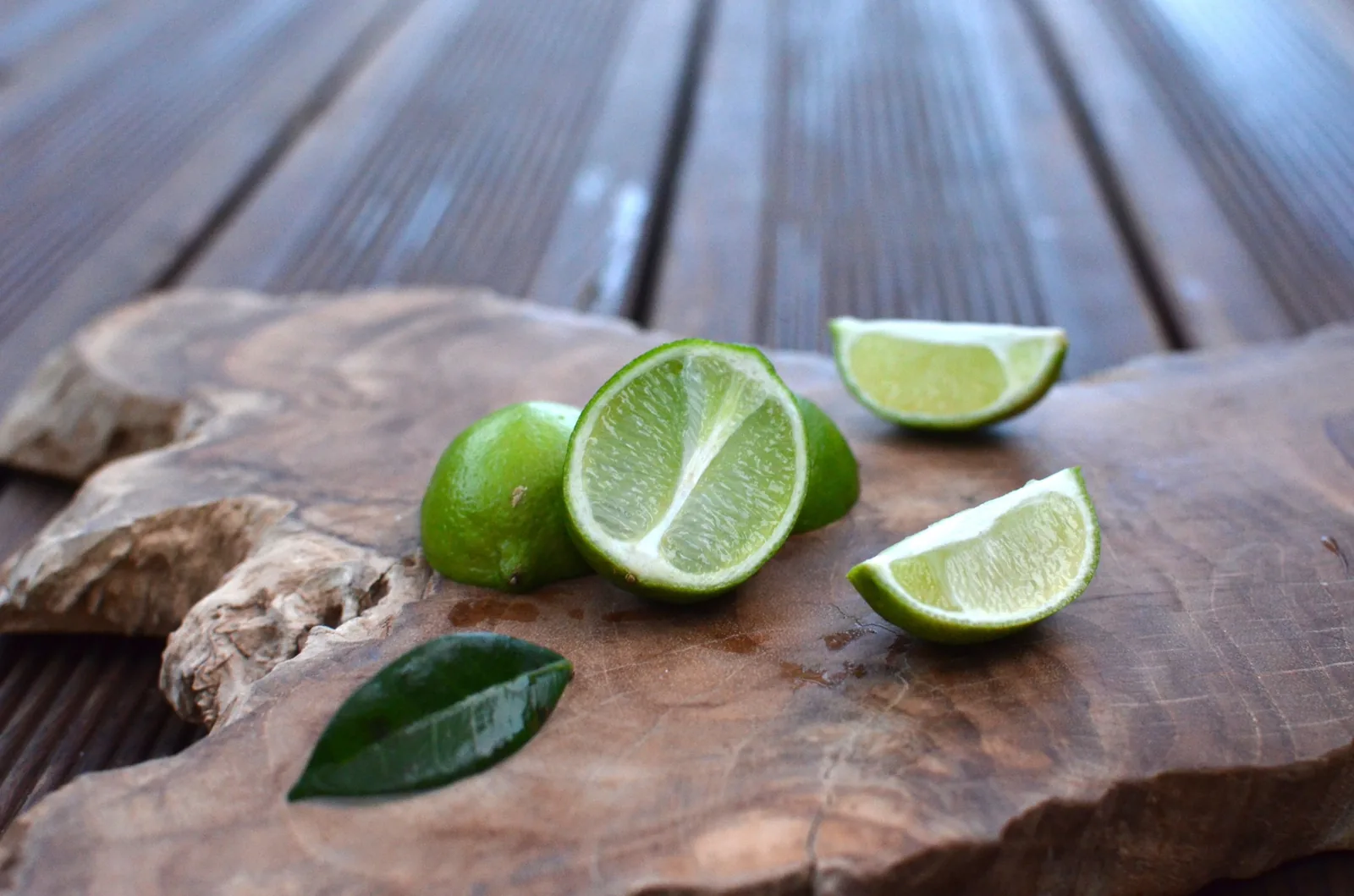
Fresh lime juice, or not. A margarita made with juice squeezed that day tastes bright, sharp and slightly bitter at the edges. One made from a bottled sweet-and-sour mix tastes flat, uniformly sweet and faintly synthetic, and no amount of good tequila rescues it.
This is the single most useful question to ask, and it is not a fussy one: is the lime fresh? A bar that squeezes will say so happily. A bar that does not will usually tell you anyway.
Where it came from — probably
Nobody knows, and the honest answer is that it is most likely not an invention at all. Difford’s Guide sets out the competing claims — Carlos “Danny” Herrera in 1938, the socialite Margarita Sames in Acapulco in the 1940s, and several others — alongside the more probable explanation: that the margarita is simply a tequila Daisy.
A Daisy is a Victorian cocktail family: a base spirit, citrus juice, and a sweetening liqueur or syrup. Swap the spirit for tequila and you have a margarita without anybody needing to invent anything. Margarita is also Spanish for daisy, which is either a satisfying coincidence or not a coincidence at all.
The salt rim’s origin is likewise unrecorded. The commonly repeated theory is that salt and lime were used to make rough tequila palatable, which is plausible and unproven — the same category of story as the lime in Mexican beer.
What the tequila should be
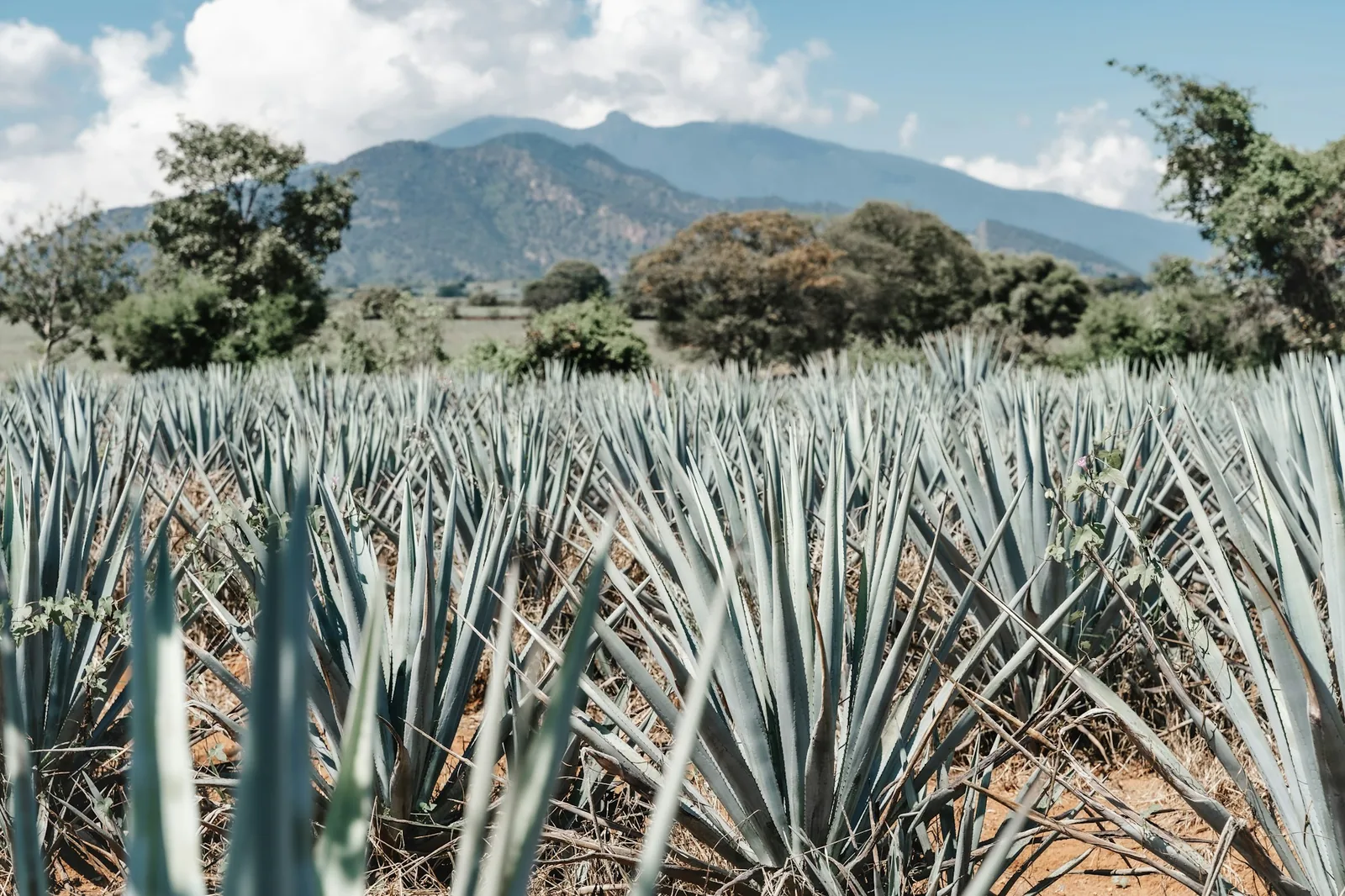
One word on the bottle matters more than the rest of the label: 100% de agave. Tequila carrying that is distilled entirely from blue agave. Tequila without it — sometimes called mixto — may be up to half other sugars, and it is the usual source of the harsh, solvent edge people blame on tequila in general.
Beyond that, blanco is the standard choice for a margarita: unaged, clean and bright, which is what you want against lime. Reposado, aged a few months in oak, makes a rounder and slightly sweeter drink. Añejo, aged longer, is generally wasted in a cocktail — it is better drunk on its own.
Frozen or on the rocks
| On the rocks | Frozen | |
|---|---|---|
| Made by | Shaking with ice, straining over fresh ice | Blending with ice |
| Tastes | Sharper, more tequila-forward | Softer, sweeter, more diluted |
| Dilution | Controlled | High — a lot of ice by volume |
| Best when | The ingredients are good | It is very hot, or the crowd is large |
| Common failure | Over-shaken and watery | Over-sweetened to compensate for dilution |
Neither is more correct. Frozen has a poor reputation because it is usually made from a mix in a machine, not because blending is wrong. A frozen margarita made with fresh lime is a genuinely good hot-weather drink.
Reading a margarita menu
- “House margarita” — usually the mix version. Cheap, sweet, fine.
- “Tommy’s” — agave syrup instead of orange liqueur. Cleaner and more tequila-forward.
- “Cadillac” or “top shelf” — better tequila and a better orange liqueur. Worth it only if the lime is fresh.
- Flavoured — mango, strawberry, watermelon and so on. Usually frozen, usually sweeter.
- Chile or Tajín rim — instead of or alongside salt. Adds tang and mild heat to every sip.
A note on strength, as with any spirit-based drink: a margarita contains considerably more alcohol than a michelada does, and the sweetness and cold disguise it. The standard-drink framing in that article is worth carrying over.
The Wine-a-Rita at Doc’s Taco Shop
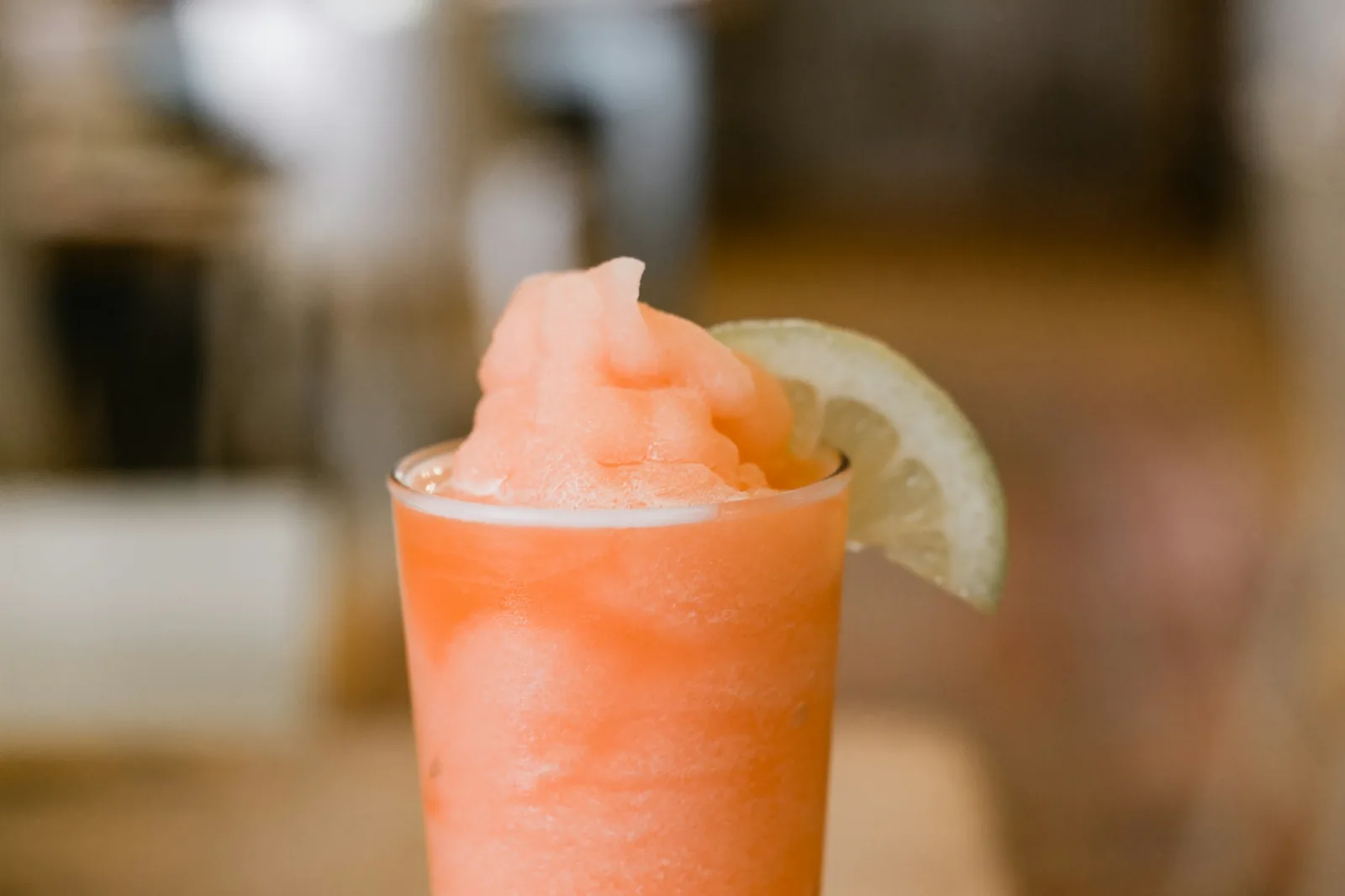
Doc’s 2023 board did carry a frozen margarita-style drink. It was listed as “Wine-a-Rita (salt or chile)” in four flavours — lime, mango, strawberry and watermelon — with the rim as the customer’s choice.
Two things in that entry are worth reading closely. The choice of salt or chile on the rim is the Tajín-style option described above, offered as standard at a small East Texas taqueria. And the four flavours are exactly the frozen-margarita line-up: lime as the baseline, three fruits for people who want it sweeter. It sat on the board alongside the michelada, the beer list and agua de horchata for anyone not drinking.
Doc’s Taco Shop closed permanently on 19 July 2025 after five years in business. The menu details above are transcribed from the restaurant’s own published menu board and are recorded here as history. You can still read the full menu as Doc’s published it or read how the shop came about.
Frequently asked questions
What is in a margarita?
Tequila, an orange liqueur such as triple sec or Cointreau, and lime juice, usually served with salt on the rim of the glass.
Why is there salt on a margarita glass?
The origin is not recorded. The common theory is that salt and lime were used to make rough tequila more palatable. What salt certainly does is suppress bitterness, which sharpens the lime.
Is frozen or on the rocks better?
Neither inherently. On the rocks is sharper and less diluted; frozen is softer and sweeter. Frozen has a poor reputation mostly because it is usually made from a bottled mix rather than fresh lime.
How can I tell if a margarita will be good?
Ask whether the lime is fresh. That single factor matters more than the tequila, the liqueur or the glassware.
What is a Tommy’s margarita?
A version using agave syrup in place of orange liqueur. It is cleaner and lets the tequila show more, and it is a good order if you find standard margaritas too sweet.
The short version
Tequila, orange liqueur, lime, salt. Probably a tequila Daisy rather than anyone’s invention. Ask about the lime, ignore the arguments about frozen versus rocks, and take the chile rim if it is offered.