
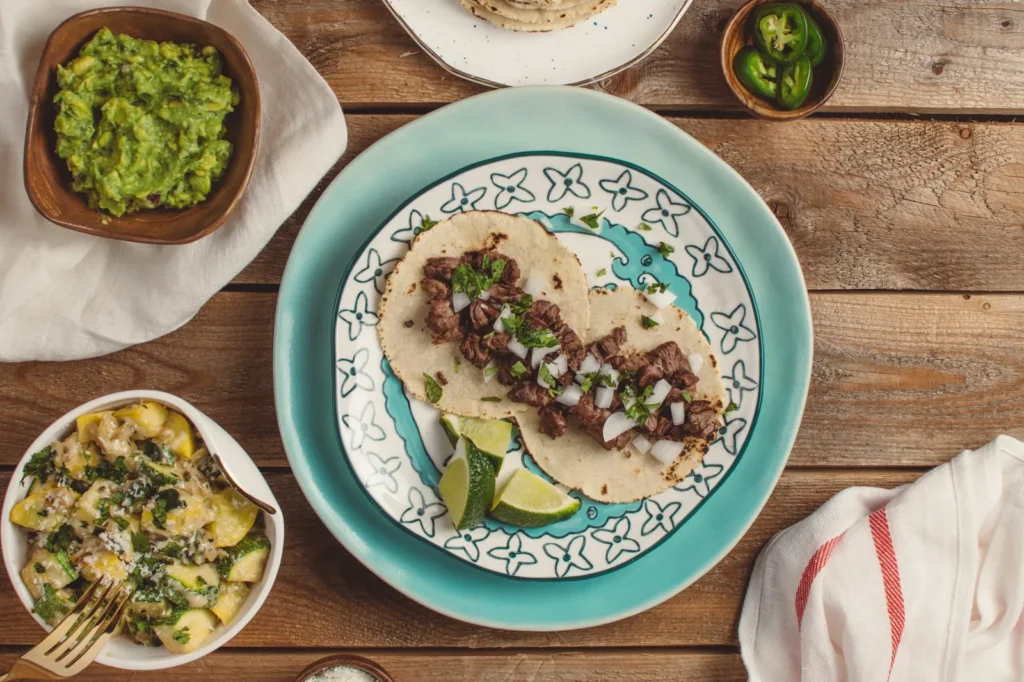
Barbacoa is meat cooked slowly in a pit dug into the ground, wrapped in maguey leaves and steamed by hot stones. It is the technique the English word barbecue came from, and it long predates the arrival of cattle in the Americas.
Modern restaurant barbacoa is usually beef, cooked in an oven or a steamer rather than a pit. That is a reasonable adaptation, but the pit is the original and it is what the name describes.
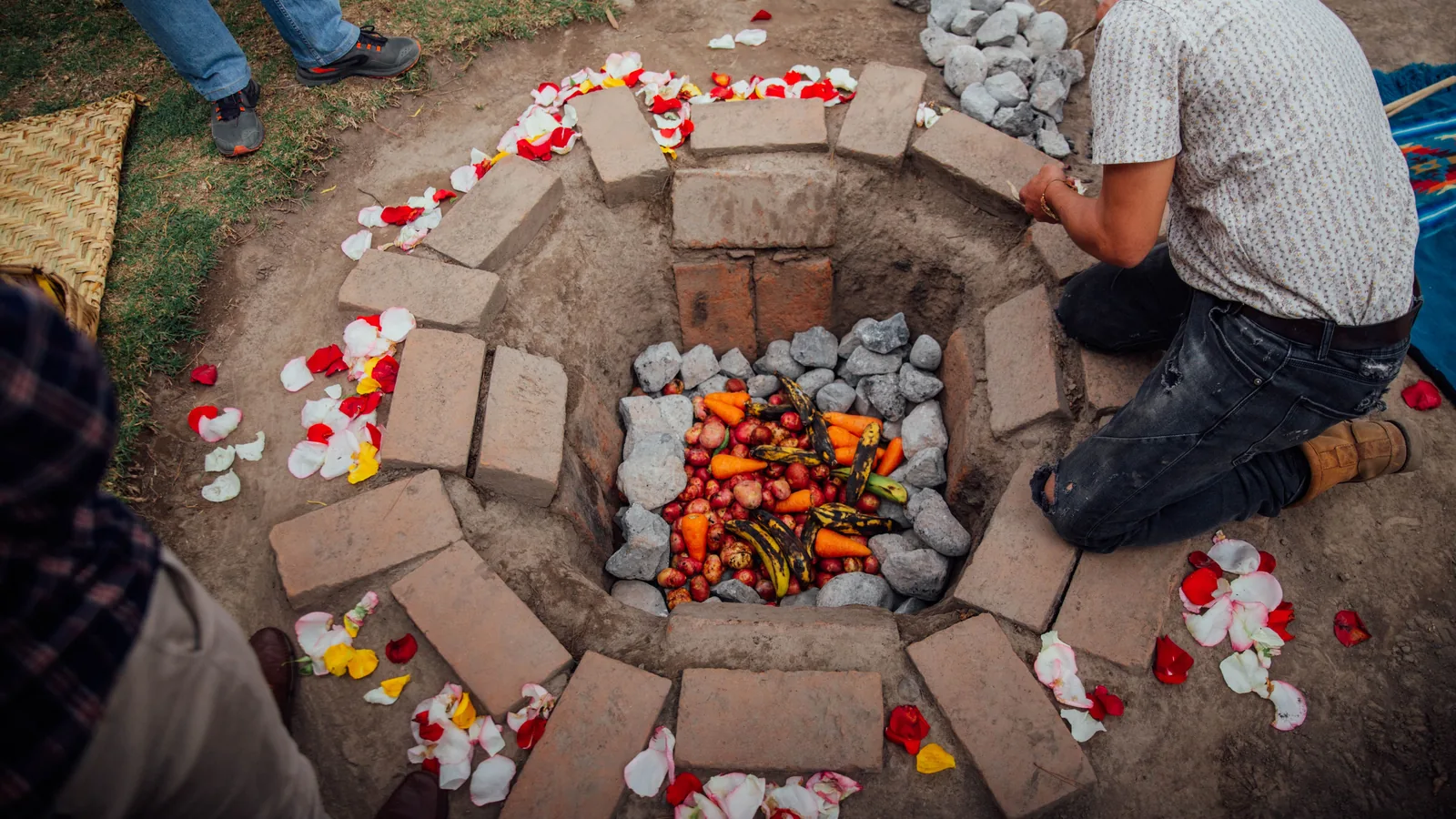
How the pit works
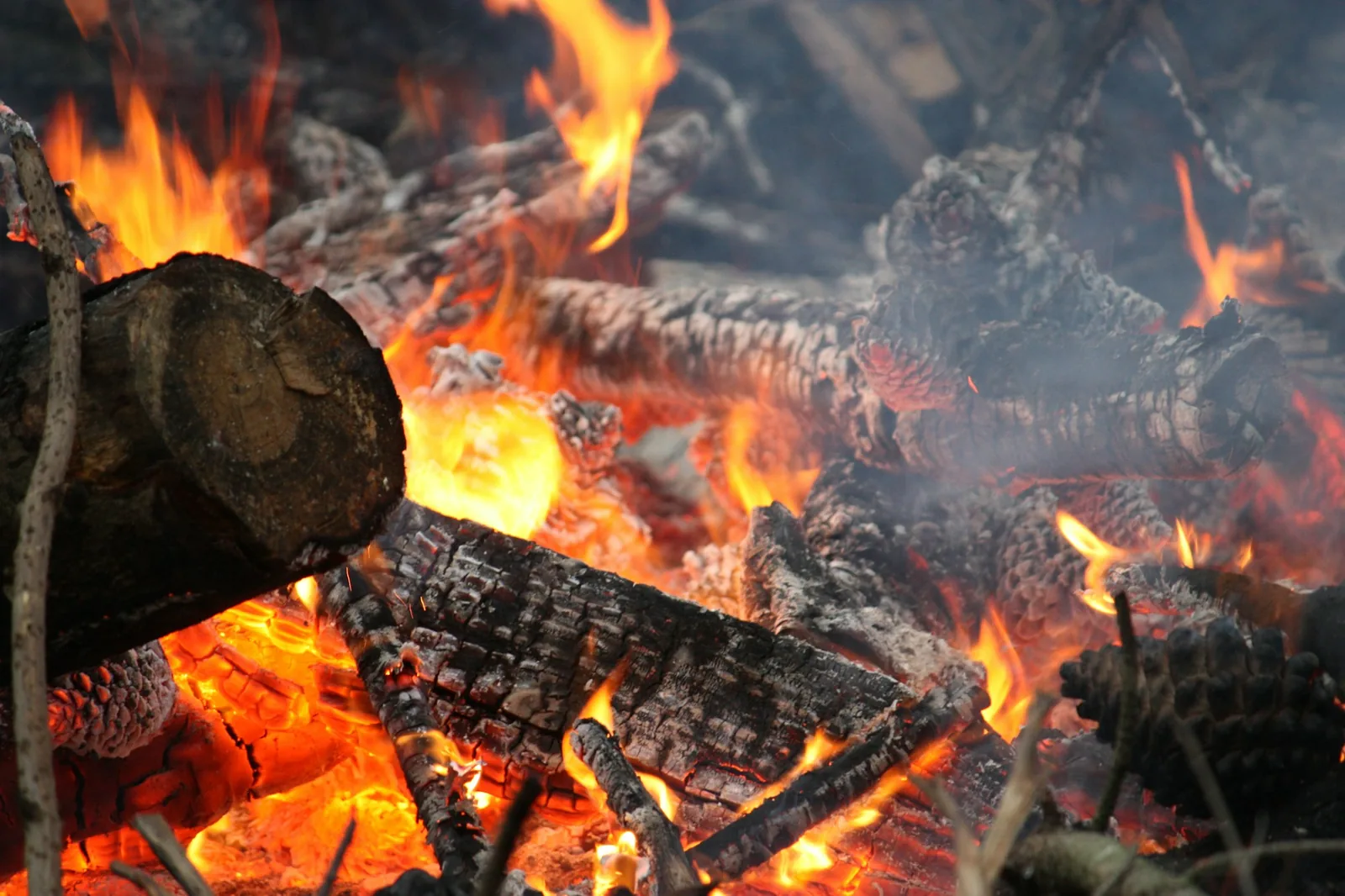
A hole is dug and lined with stones. A wood fire burns down in it until the stones glow and the fire is embers. The meat — seasoned simply, often with just salt — is wrapped in pencas de maguey, the thick leaves of the agave, which are passed over a flame first so they bend instead of cracking.
The parcel goes in, is covered over, and the pit is sealed with earth. What happens next is not roasting: the leaves and the meat’s own moisture turn the pit into a steam oven. It cooks for many hours, often overnight.
The Maya word for such an oven is pib, and versions of the technique are found across Mesoamerica. Before the Spanish brought cattle, sheep and goats, the meats cooked this way were what was there — rabbit, deer, iguana, fish, birds.

Barbacoa and barbecue
The lineage is direct. Writing on how barbacoa paved the way for barbecue, Texas Monthly traces the path from the Caribbean and Mexican pit technique to the word and the practice that became Texan barbecue — a genealogy that runs directly through the ground this site’s subject stood on.
The two have diverged. Texan barbecue is dry-heat and smoke-forward, cooked in an offset smoker. Barbacoa is moist-heat and steam-forward, cooked sealed. Both are slow, both are weekend food, and they share an ancestor rather than a method.
Barbacoa is not birria (but birria is barbacoa)
This is the comparison people search for and it is usually stated backwards. The clean version:
| Barbacoa | Birria | |
|---|---|---|
| Category | A cooking method | A specific dish |
| Relationship | The parent category | One kind of barbacoa, from Jalisco |
| Cooked | Sealed in a pit or steamer | Stewed in a covered pot |
| Liquid | Its own juices; little added | A chilli broth, deliberately plentiful |
| Emphasis | The meat and its texture | The seasoning and the broth |
| Served with | Tortillas, salsa, onion | A cup of consomé for dipping |
If you have had birria and its consomé, you have had a regional, chilli-forward member of the barbacoa family. Plain barbacoa tastes much less of spice and much more of meat.
It changes completely by region
Barbacoa is a method, so what comes out of the pit depends entirely on where the pit is.
| Region | Usually | Wrapped in |
|---|---|---|
| Hidalgo, Estado de México | Lamb or mutton | Maguey leaves |
| Central highlands | Lamb, goat | Maguey leaves |
| The Yucatán | Pork — this is cochinita pibil | Banana leaves |
| Northern Mexico, Texas | Beef, often cheek | Foil or a steamer, more often than a pit |
Cochinita pibil is the one people rarely realise belongs here. It is pork marinated in achiote and bitter orange, wrapped in banana leaf and cooked in a pib — a Maya earth oven — which makes it barbacoa by method even though nobody calls it that. The achiote is the same colouring we cover in pollo asado.
What to expect when you order it
- It will be beef, usually. Lamb and goat are traditional in Hidalgo and central Mexico; beef dominates in the United States and northern Mexico.
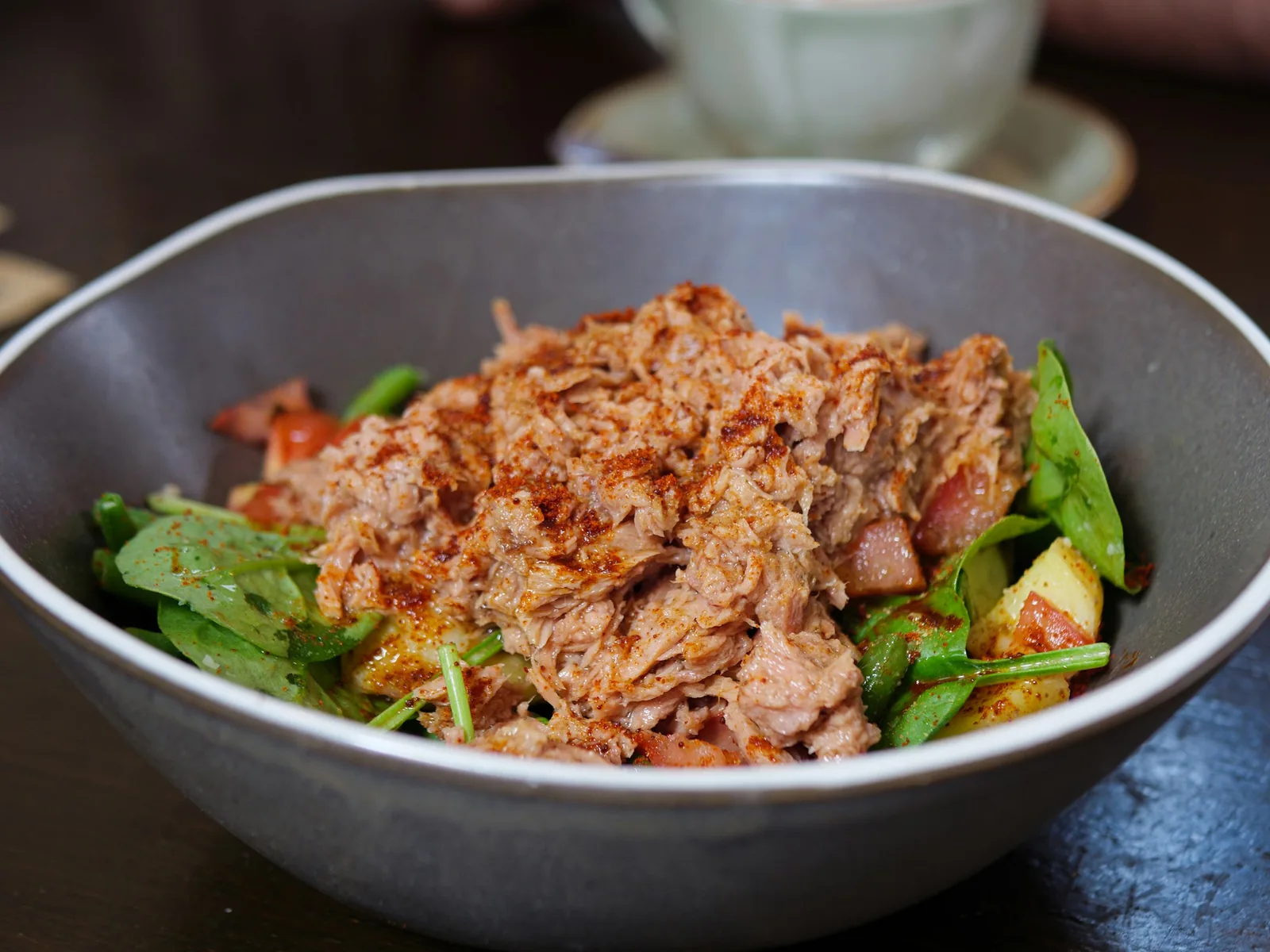
- It will be soft. Long steaming makes it fall apart. There is no chew and no char.
- It will be mildly seasoned. The salsa does the work.
- It may come with consomé. The juices collected under the meat are often served alongside, and they are the best part.
- It is weekend food. Many places sell it Saturday and Sunday only, because it is started the night before.
That last point is worth planning around. A taqueria advertising barbacoa midweek is probably steaming it rather than pit-cooking it — not a bad thing, just a different thing.
A note on Doc’s
Barbacoa was not on Doc’s board. What was there was birria, listed under seasonal items and described as beef slow-stewed in dried chile spices — the pot-stewed cousin rather than the pit-cooked parent. Given the labour a pit involves, a shop that size running birria seasonally is exactly what you would expect.
Doc’s Taco Shop did not serve this. The shop ran three meats across its whole board — pollo, al pastor and bistek — and closed permanently on 19 July 2025. This article is here because our own guides kept mentioning the dish without ever explaining it. You can read the full menu as Doc’s published it or read how the shop came about.
Frequently asked questions
What is barbacoa meat?
Traditionally whatever was available and suited long steaming — lamb, goat, and before European livestock, rabbit and deer. In the United States it is usually beef, often cheek.
What is the difference between barbacoa and birria?
Birria is a type of barbacoa, not the other way round. Barbacoa is a pit-steaming method; birria is a specific Jalisco dish stewed in a chilli broth and served with consomé.
Is barbacoa spicy?
Usually not. It is seasoned simply and the heat comes from the salsa served with it. Birria, by contrast, is chilli-forward by design.
Did barbecue come from barbacoa?
The word did, by way of Caribbean and Mexican pit cooking. The methods have since diverged: barbecue is dry heat and smoke, barbacoa is sealed, moist heat.
Why is barbacoa only available at weekends?
Because it takes many hours and is usually started the night before. Places serving it every day are generally steaming or oven-cooking it rather than pit-cooking it.
The short version
Barbacoa is meat sealed in a pit with hot stones and maguey leaves and steamed until it collapses. It is the ancestor of barbecue, the parent category that birria belongs to, and it is mild, soft and usually a weekend proposition.