When UNESCO recognised traditional Mexican cuisine as intangible cultural heritage in 2010, it did not do so in the abstract. The listing is formally called the Michoacán paradigm, and one state stood in for the whole cuisine.
We have cited that listing since our first article without ever explaining why Michoacán. The answer is not about dishes. It is about corn, community and continuity.
Why Michoacán stood for Mexico
The nomination was prepared by the Conservatorio de la Cultura Gastronómica Mexicana, which describes its work as documenting and safeguarding Mexican culinary culture as a living system rather than a set of recipes.
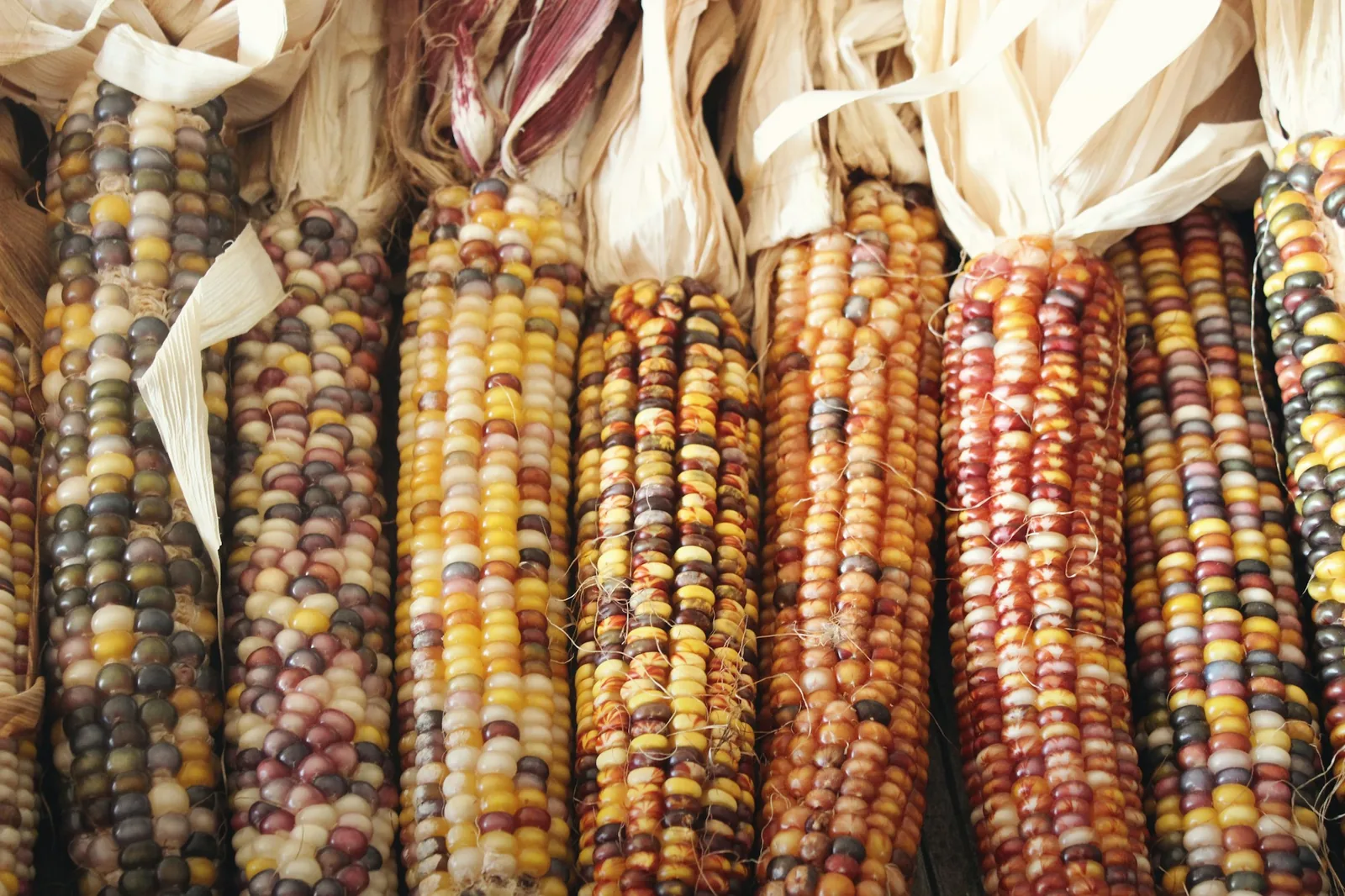
That framing is the point. What was inscribed was a whole model: corn, beans and chilli as the base; farming methods including the milpa and the chinampa; and nixtamalisation as the processing step that makes maize nutritionally viable. Not cuisine as menu — cuisine as an agricultural and social system.
Michoacán fitted because that system is intact there: native maize varieties still grown, traditional methods still used, and collectives of women cooks still transmitting technique directly. The listing explicitly credits those collectives, in Michoacán and elsewhere, as the practitioners who keep the knowledge alive.
Carnitas, and the copper pot
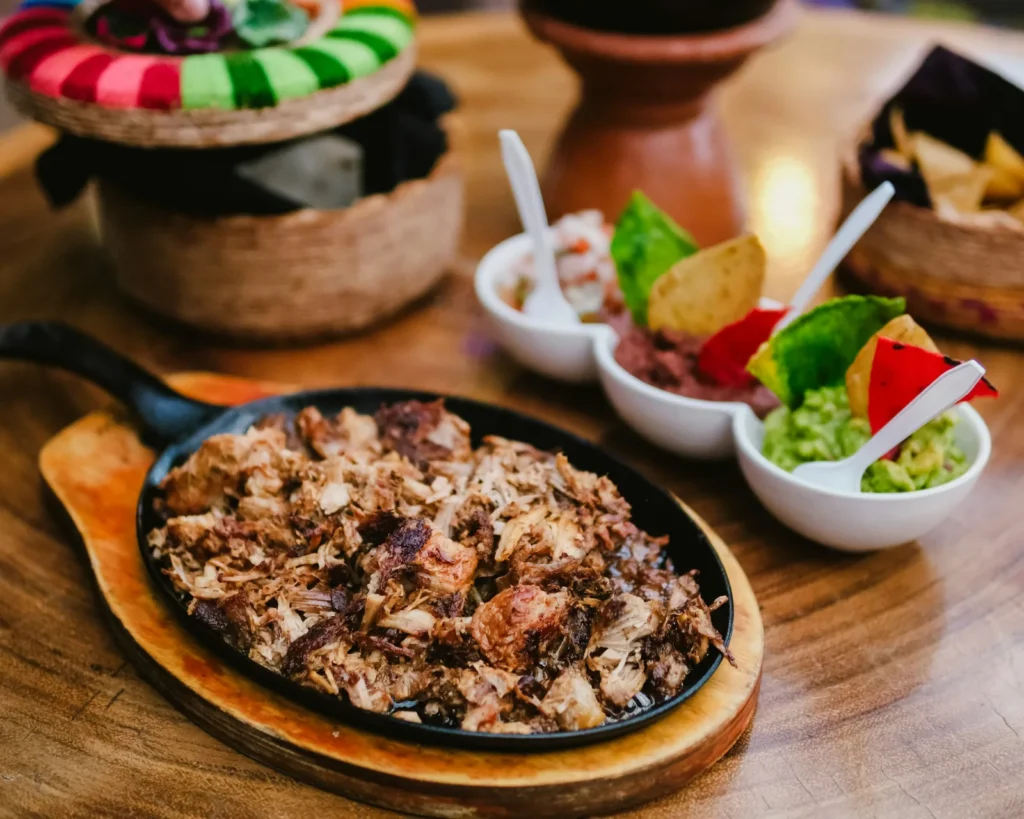
Carnitas are Michoacán’s most exported dish, and the state is where they are generally agreed to have originated — Quiroga claims the title, with Santa Clara del Cobre the other candidate.
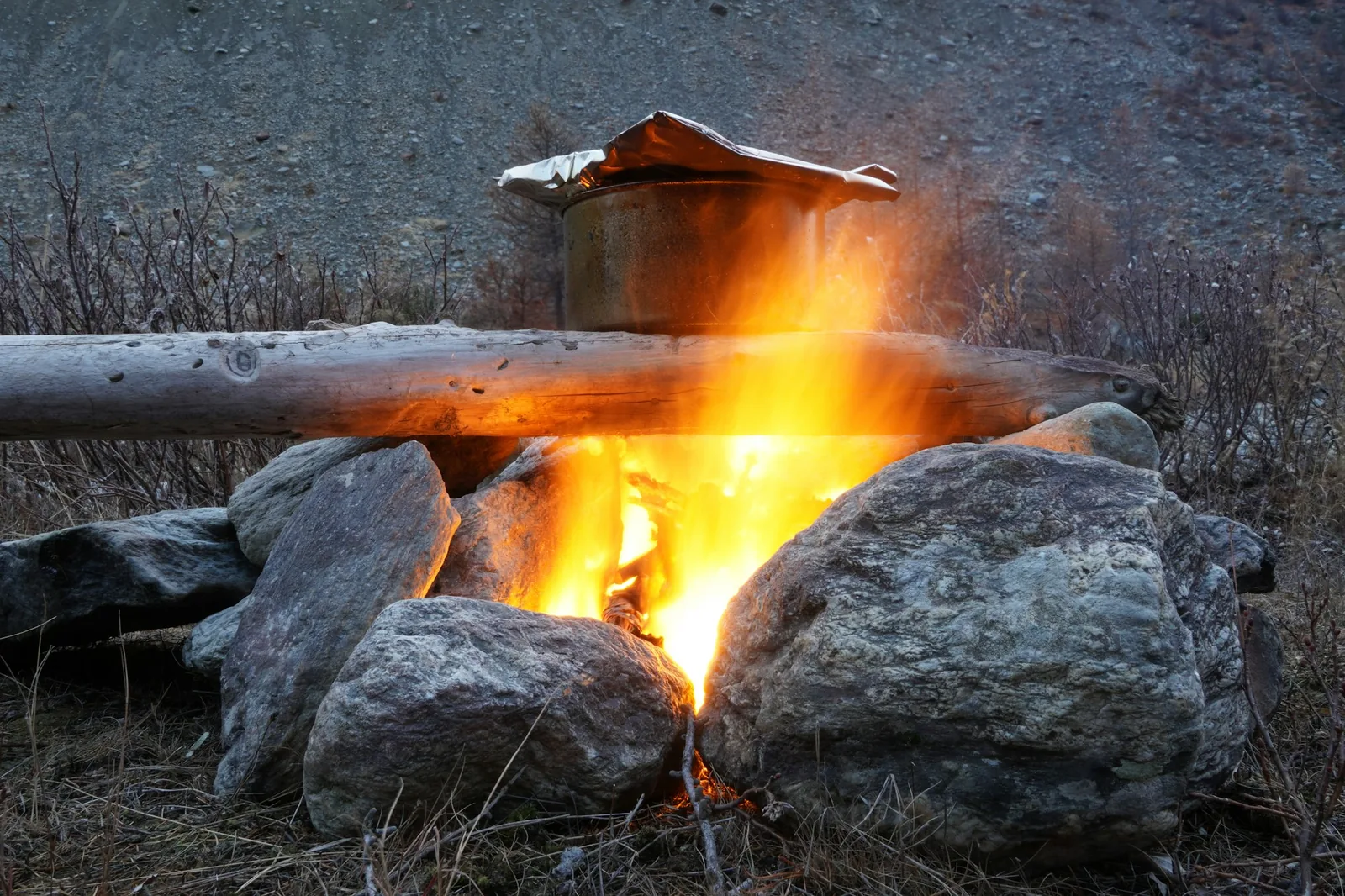
That second claim is more interesting than it looks. Santa Clara del Cobre is a copper-working town, and carnitas are traditionally cooked in a cazo — a wide copper pot. Copper conducts heat evenly, which is precisely what a long, gentle confit in lard needs. The dish and the local craft are not unrelated.
The corn dishes
Michoacán’s masa formats are distinct enough to be worth knowing by name, and they are all built on the maize the UNESCO listing is really about.
| Dish | What it is |
|---|---|
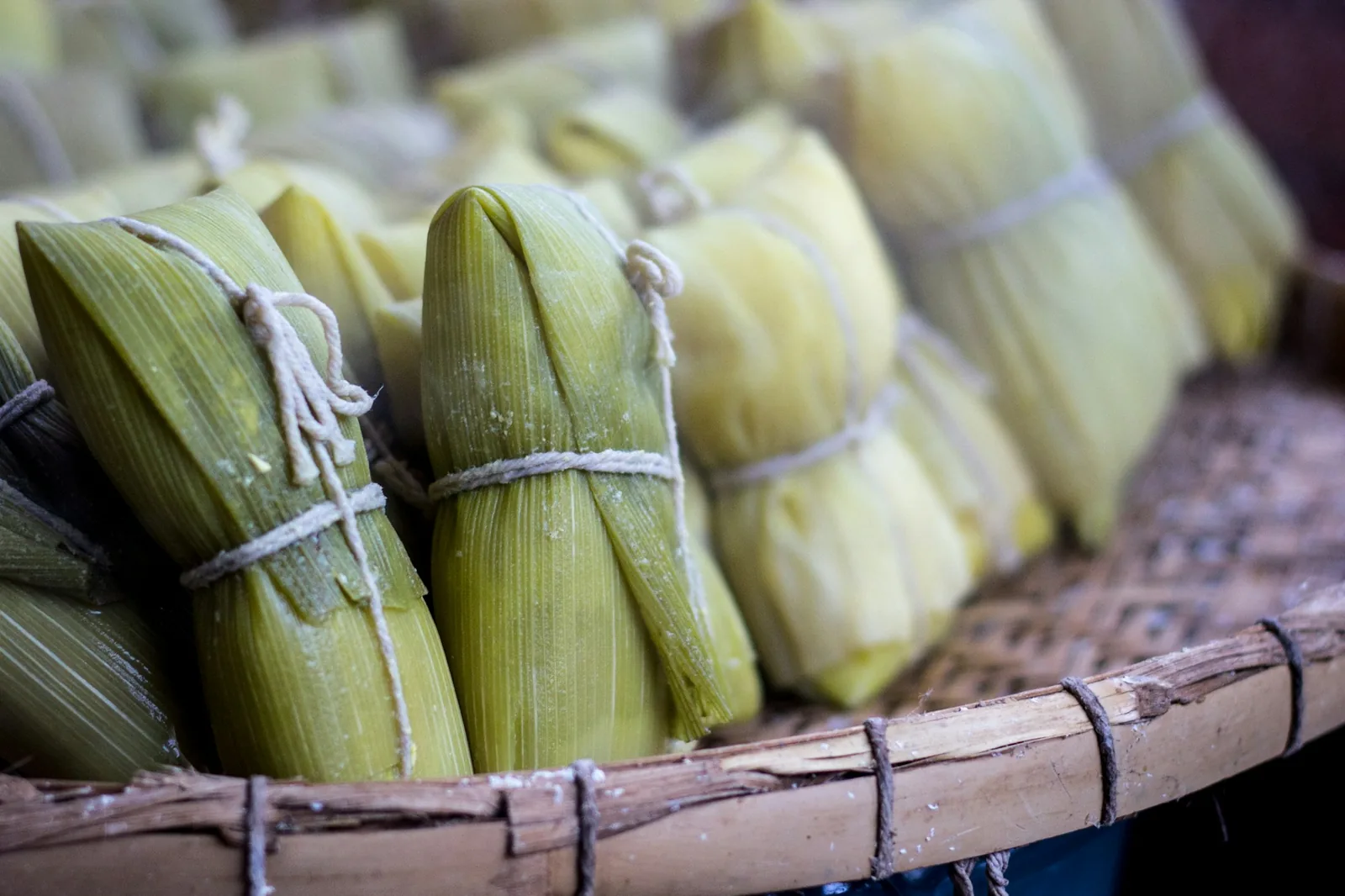
| Corundas | Triangular tamales wrapped in fresh green corn leaf rather than dried husk |
| Uchepos | Sweet tamales made from fresh young corn rather than dried masa |
| Churipo | Beef and vegetable stew in a chilli broth, eaten with corundas |
| Atápakua | A thick masa-and-chilli sauce, Purépecha in origin |
| Charales | Small lake fish, fried whole and eaten as a snack |
Corundas and uchepos are both covered in passing in our tamales guide. The distinction between them is the corn: dried masa for corundas, fresh young corn for uchepos, which makes the latter sweet and much softer.
The Purépecha thread
Michoacán was Purépecha territory, and the Purépecha were never conquered by the Aztecs — they held an independent state alongside them. That separateness shows in the food: the vocabulary is different, and dishes like atápakua and churipo carry Purépecha names rather than Nahuatl ones.
Most Mexican food terms this site has covered are Nahuatl in origin — tamal, mole, chilaquiles, nixtamal. Michoacán is the main place where that is not automatically true, which is part of why UNESCO treated it as a distinct living tradition rather than a regional variation.
The lake, and the avocados
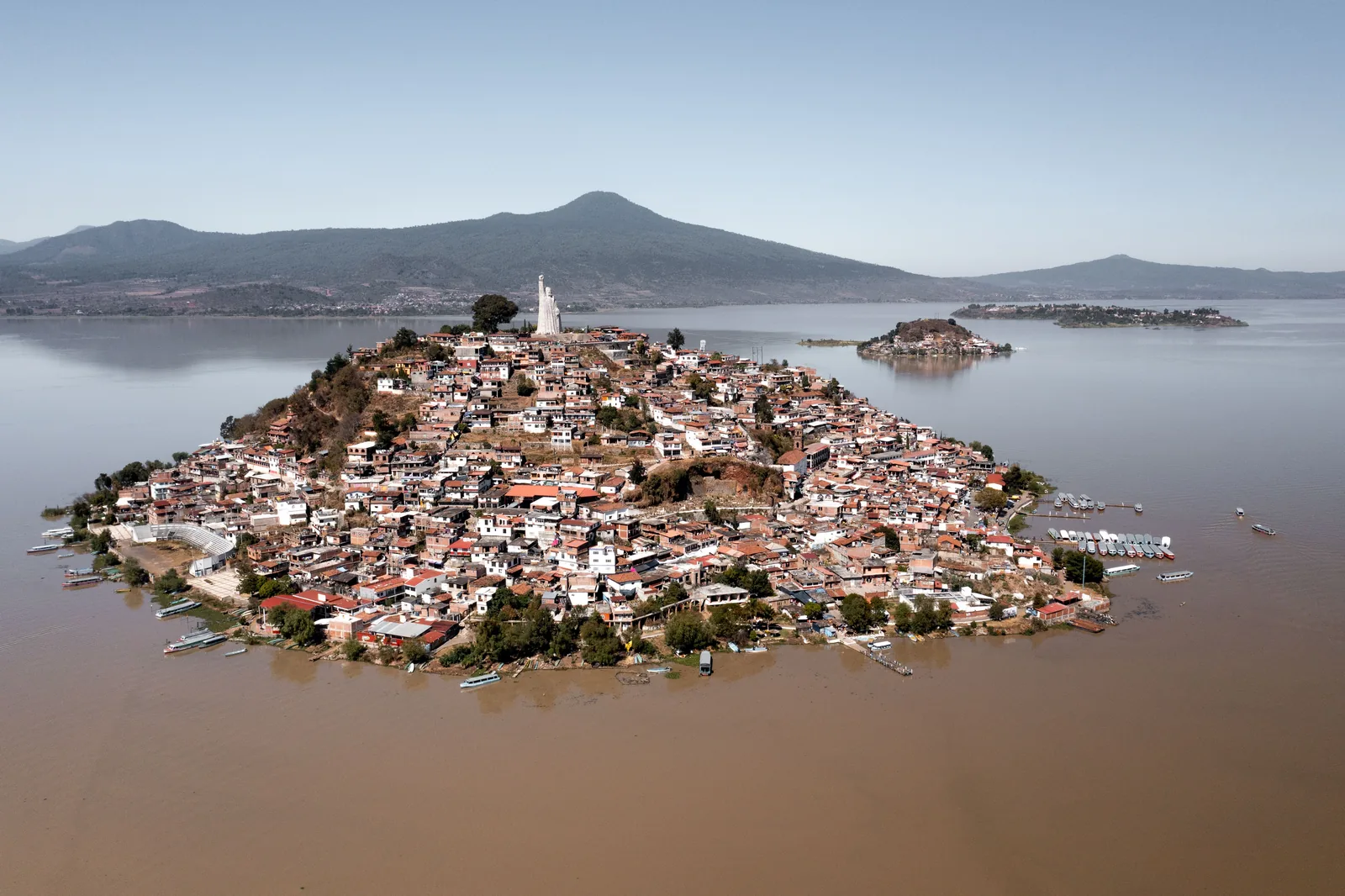
Two other things shape the state’s food. Lake Pátzcuaro supported a freshwater fishing culture — whitefish and charales — which is unusual in a country whose regional cuisines are mostly coastal or highland.
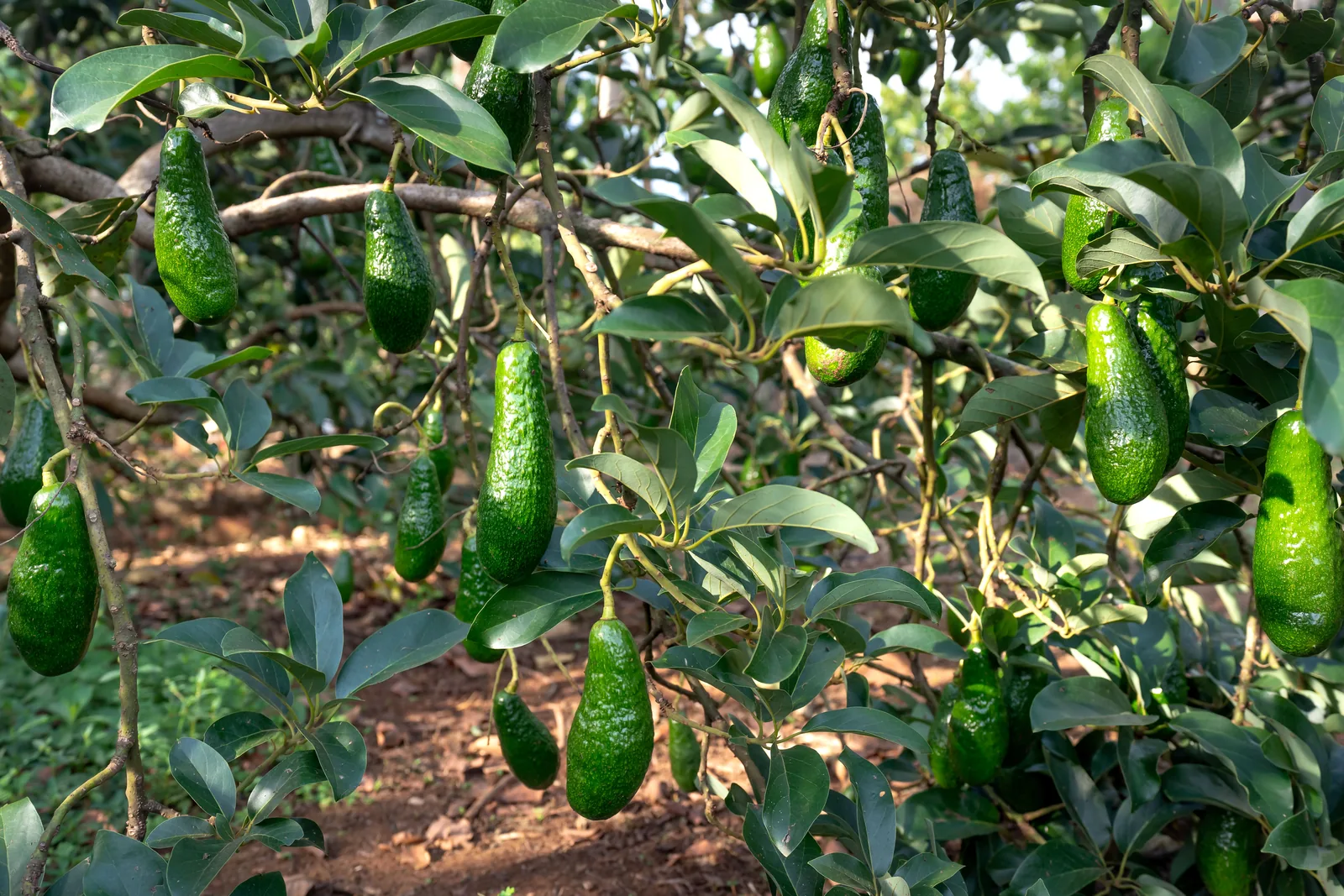
And Michoacán is the centre of the world’s avocado production, by a very wide margin. Most avocados eaten in the United States come from there. That is more an agricultural fact than a culinary one, but it is why avocado is treated as an everyday ingredient rather than a luxury in the region’s cooking.
A note on Doc’s
Doc’s board had no Michoacán dish on it — no carnitas, no corundas. What it did have was avocado, listed as a side and as a component of the torta, Keith’s Salad, the chalupa and the quesadillas, which is about as indirect a connection as this series gets.
The UNESCO listing we cite in our street taco guide is this one, which is the more honest link between the two.
Doc’s Taco Shop had no connection to this region. It was a small weekend taqueria in Liberty City, Texas, running three meats across a short board, and it closed permanently on 19 July 2025. This article exists because our own guides name the region repeatedly without ever explaining it. You can read the full menu as Doc’s published it or look through the photo gallery.
Frequently asked questions
What is the Michoacán paradigm?
The formal name of UNESCO’s 2010 listing of traditional Mexican cuisine as intangible cultural heritage. Michoacán was used as the representative model for the whole cuisine.
Why did UNESCO choose Michoacán?
Because the whole system was intact there — native maize farming, nixtamalisation, and communities of cooks transmitting technique directly. The listing recognises a food system, not a set of recipes.
What food is Michoacán known for?
Carnitas above all, plus corundas, uchepos, churipo and lake fish. It is also the centre of world avocado production.
What are corundas?
Triangular tamales from Michoacán, wrapped in fresh green corn leaf instead of dried husk, usually eaten with a stew such as churipo.
What is the difference between corundas and uchepos?
The corn. Corundas use dried masa and are savoury; uchepos are made from fresh young corn and are sweet and much softer.
The short version
Michoacán is the state UNESCO used to describe Mexican cuisine as a whole, because there the system behind the food — native maize, nixtamalisation, cooks teaching cooks — is still running. It also produced carnitas, cooks them in copper, and grows most of the world’s avocados.