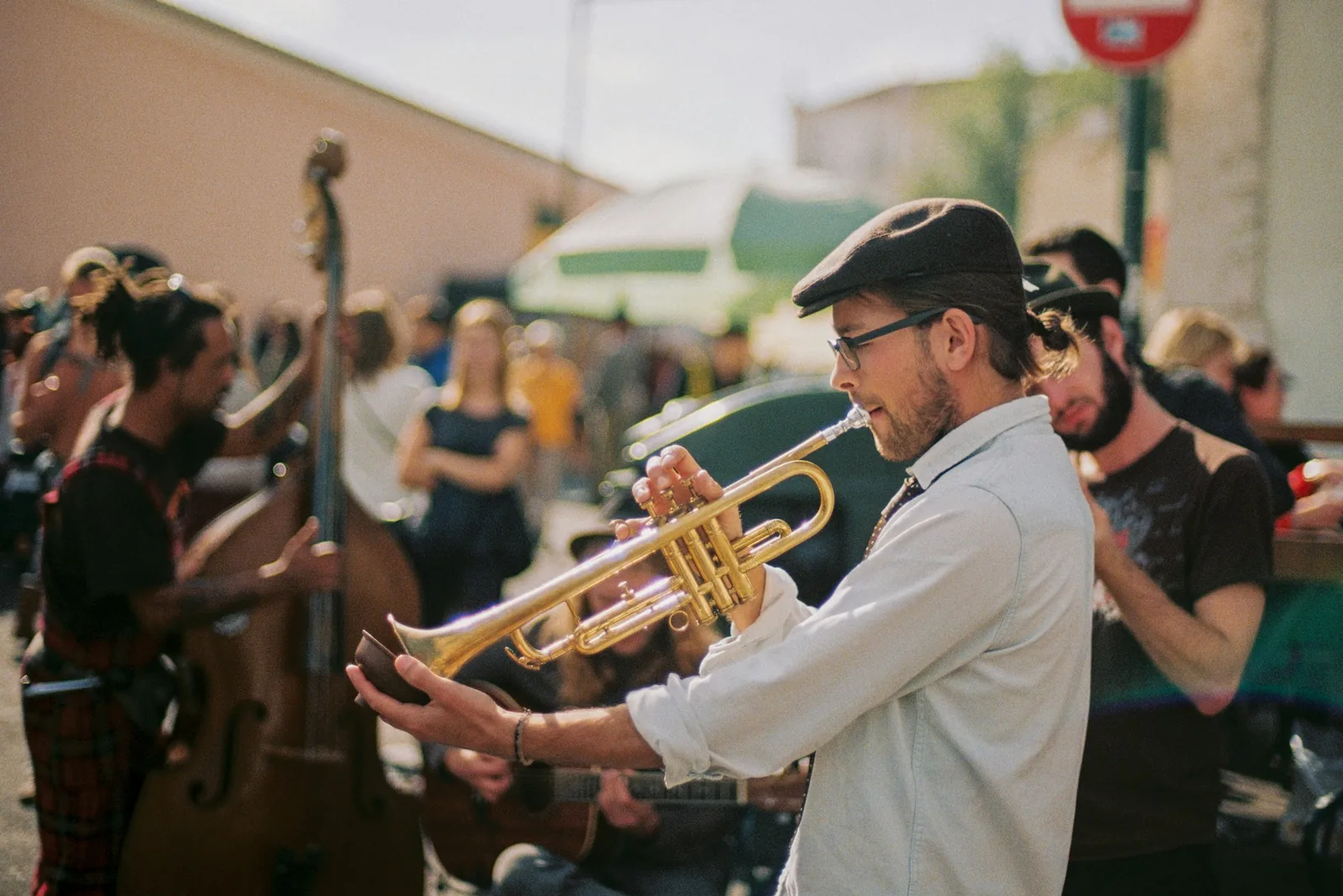
Jalisco gave Mexico three things it is now known for worldwide: birria, the torta ahogada, and tequila. It is also the home of mariachi, which is why so much of what outsiders picture as generically Mexican is actually specifically Jaliscan.
Guadalajara, the state capital, is Mexico’s second city, and its food is direct, meaty and unfussy compared with Puebla’s.
Birria, properly placed
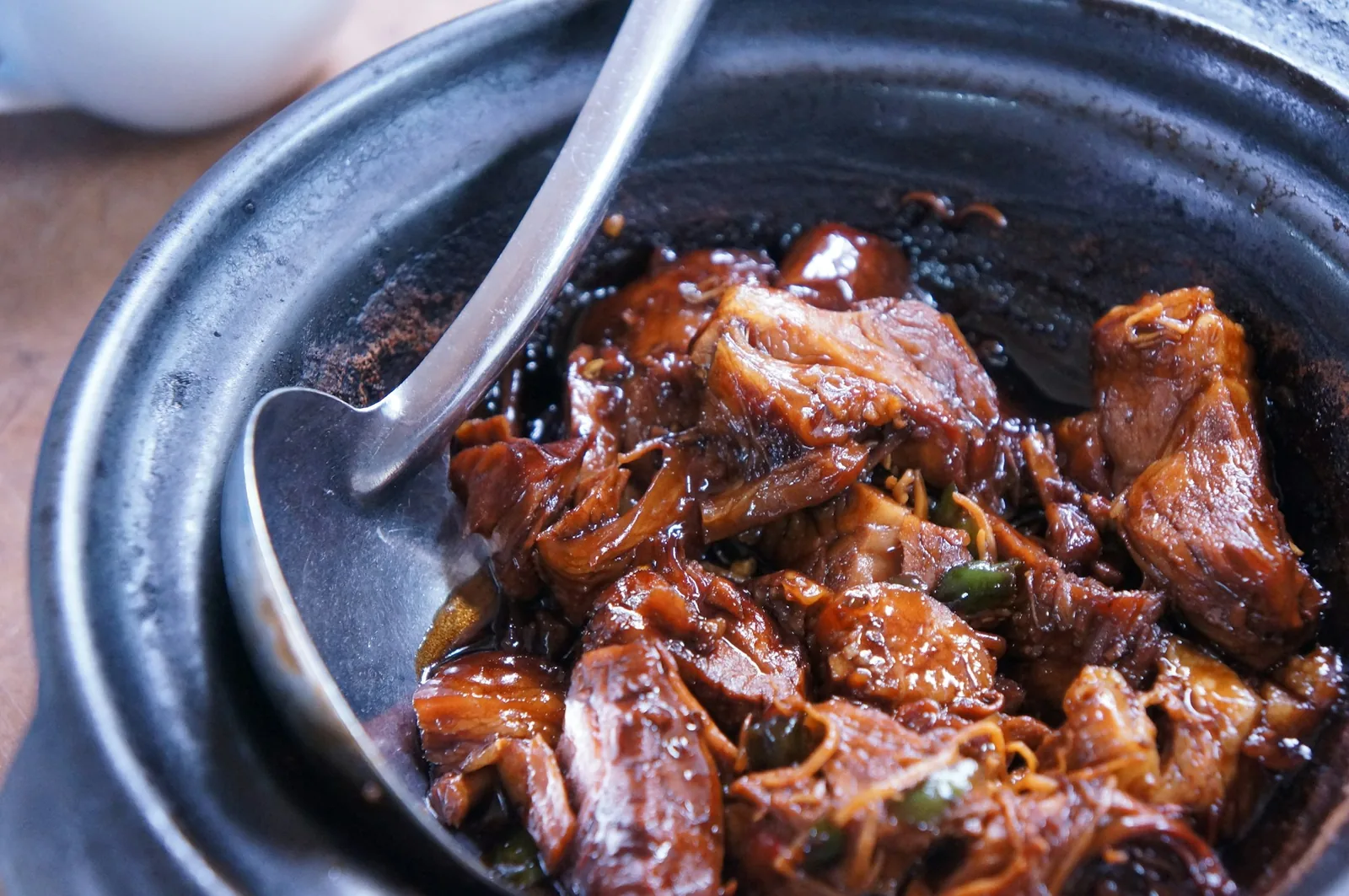
Birria is a Jaliscan dish, and traditionally goat rather than beef — meat marinated in dried chillies and slow-cooked until it collapses. The beef version that spread across the United States as the dipped quesabirria taco is a later, largely northern and Mexican-American development.
Our birria guide covers the dish in detail, and barbacoa covers the wider pit-cooking family it belongs to. What is worth adding here is that in Jalisco it is weekend and celebration food, eaten as a stew in a bowl at least as often as in a taco.
The torta ahogada
Guadalajara’s signature, and one of the few sandwiches designed to be eaten wet. A birote salado — a dense, sour, hard-crusted local roll — is filled with fried pork, then drowned in a thin tomato sauce and, if you ask for it, a fierce chile de árbol sauce on top.
The bread is the point. An ordinary bolillo turns to paste under that much liquid; the birote’s crust is hard enough to survive it. It is claimed the bread cannot be made properly outside Guadalajara because of the local altitude and water, which is the sort of claim that is difficult to test and widely believed.
It is served in a bowl or a plastic bag, eaten with the hands, and it is unambiguously messy. Ordering it media ahogada gets you half-drowned, which is the sensible first attempt.
Carne en su jugo, and the Guadalajara style
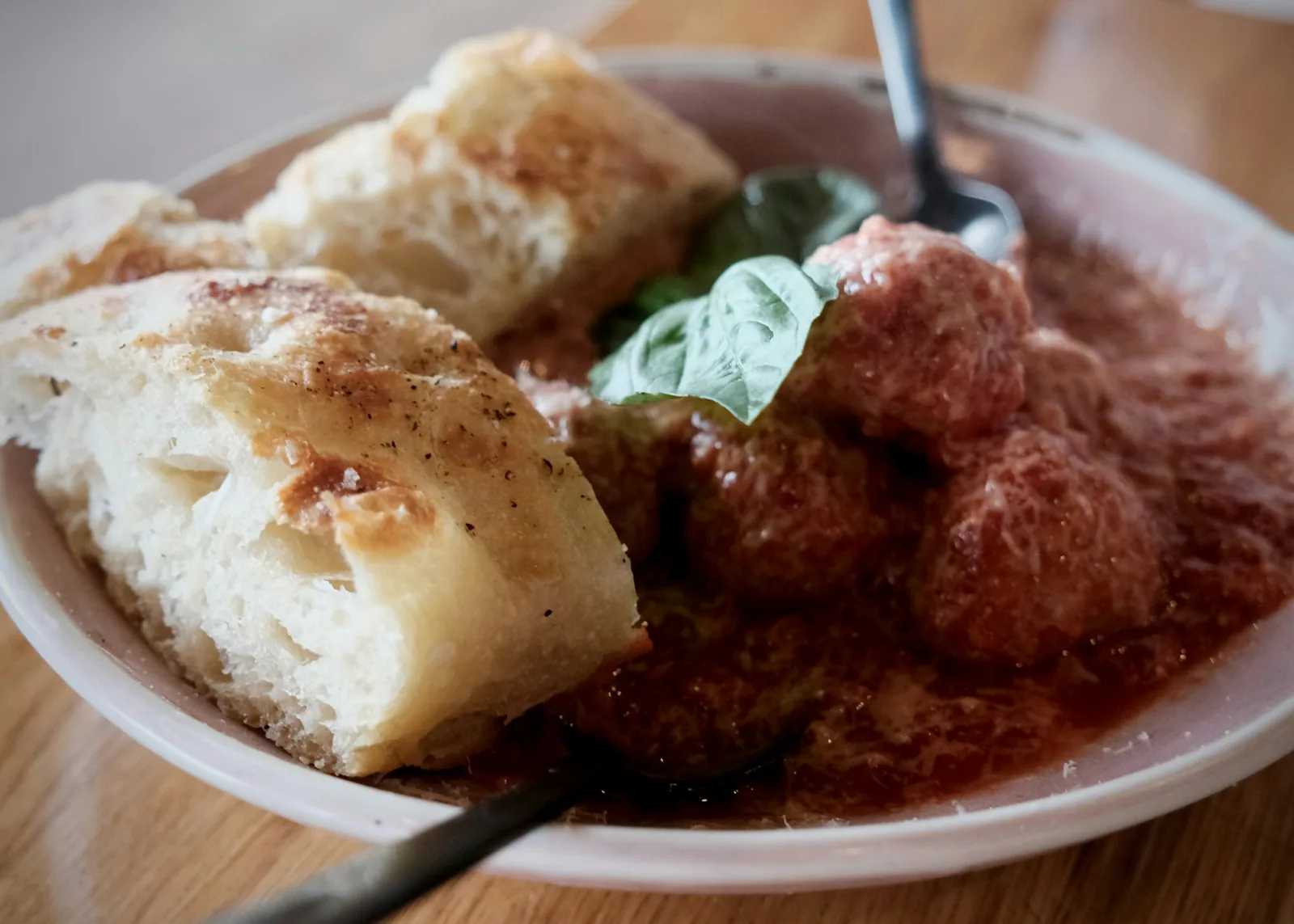
The dish that best captures how Jaliscan food differs from central Mexican cooking is carne en su jugo: finely chopped beef cooked in its own juices with bacon, served in a bowl with whole beans, raw onion, coriander and lime, and eaten with a spoon and tortillas.
There is no chilli sauce, no mole, no long ingredient list. It is beef, broth and three fresh things, and it is excellent. Where Pueblan cooking builds complexity through dozens of ingredients over a day, Jaliscan cooking generally gets its result from good meat and a short list, which is the same instinct behind the street taco itself.
Tequila is a place before it is a drink
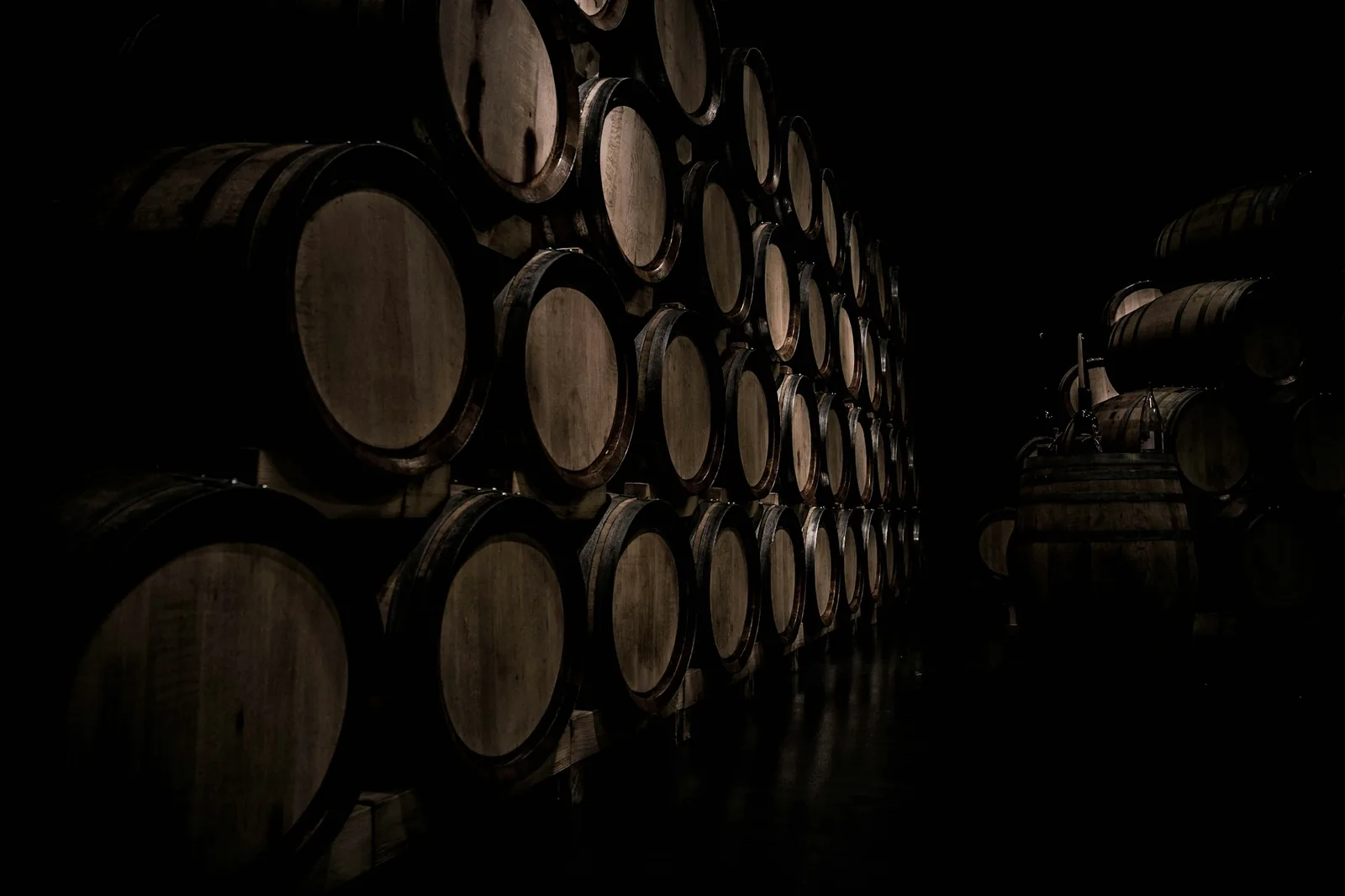
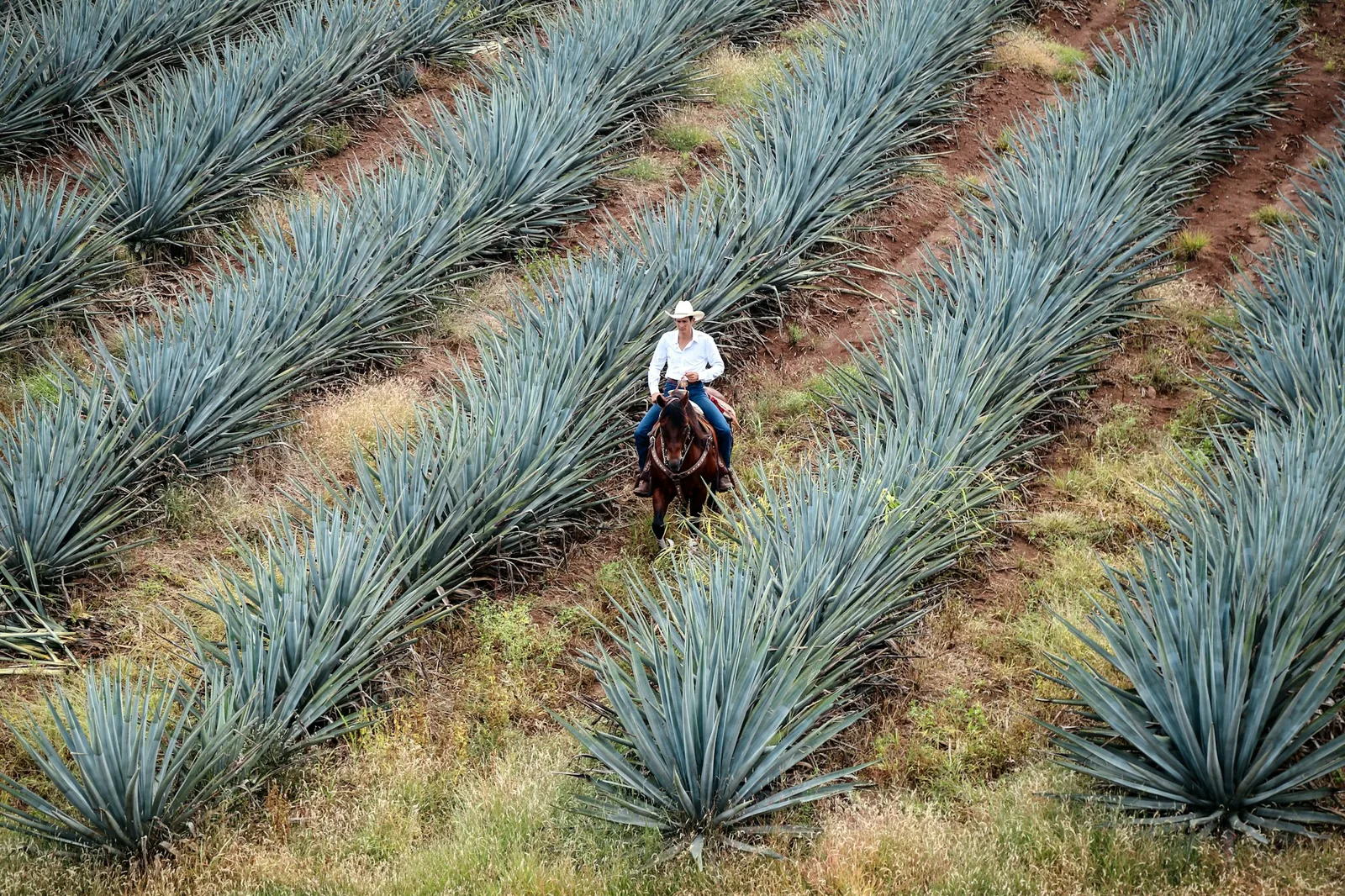
Tequila is a town in Jalisco, and the spirit is a protected denomination of origin rather than a style anyone may make. The Consejo Regulador del Tequila, founded in 1994, exists to safeguard that appellation, inspect and certify production against the Official Mexican Standard, and pursue the designation’s protection abroad — with offices in Tequila, Tepatitlán, Arandas, Atotonilco and Pénjamo, and internationally in Washington, Madrid, Geneva and Shanghai.
In practice: tequila must be blue agave, grown and distilled within the designated area, which is centred on Jalisco and extends into a few neighbouring municipalities. An agave spirit made outside it is not tequila regardless of how it is made. This is the same category of protection as the Valencian horchata denomination and it is why Oaxacan mezcal is not simply smoky tequila.
The rest of the table
- Carne en su jugo — beef in its own juices with bacon and beans, served in a bowl. A Guadalajara institution and genuinely excellent.
- Pozole — Jalisco’s version is one of the standard ones; see our pozole guide.
- Tejuino — a cold fermented-masa drink, sour and slightly fizzy, usually served with lime and salt.
- Jericalla — a baked custard with a scorched top, closer to crème brûlée than to flan.
A note on Doc’s
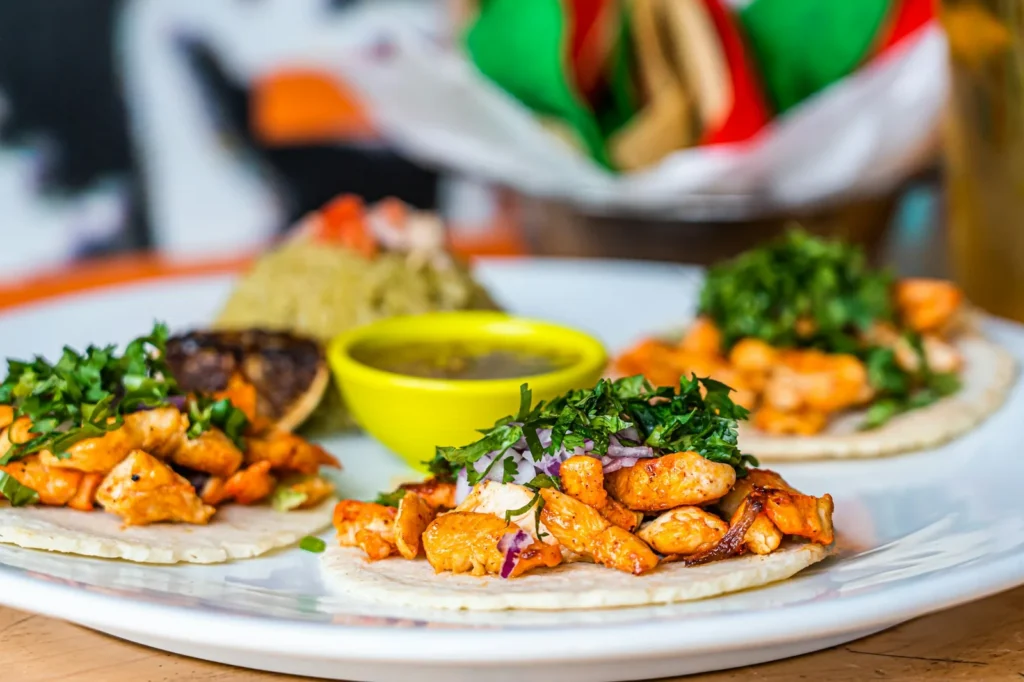
Doc’s board did carry birria, listed under seasonal items and described as beef slow-stewed in dried chile spices in a crispy shell. That is the beef, crisp-taco version rather than the Jaliscan goat stew, which is what almost every American taqueria serves and is not a criticism.
The board also carried a Wine-a-Rita — a frozen margarita-style drink — which is the only other Jalisco connection on it, at one remove.
Doc’s Taco Shop had no connection to this region. It was a small weekend taqueria in Liberty City, Texas, running three meats across a short board, and it closed permanently on 19 July 2025. This article exists because our own guides name the region repeatedly without ever explaining it. You can read the full menu as Doc’s published it or read how the shop came about.
Frequently asked questions
What food is Jalisco known for?
Birria, the torta ahogada, carne en su jugo and tequila. It is also the home of mariachi music.
Is birria from Jalisco?
Yes, and traditionally made with goat. The beef version served as dipped quesabirria tacos is a later development, largely northern and Mexican-American.
What is a torta ahogada?
A Guadalajara sandwich: a hard-crusted birote roll filled with fried pork and drowned in thin tomato sauce, with chile de árbol sauce on request. Eaten with the hands, messily.
Does tequila have to come from Jalisco?
It must come from the designated denomination-of-origin area, which is centred on Jalisco and extends into a few neighbouring municipalities. It must also be made from blue agave.
What is the difference between a torta and a torta ahogada?
The bread and the sauce. A torta ahogada uses a hard-crusted birote specifically because it is submerged in sauce; an ordinary bolillo would disintegrate.
The short version
Birria, the drowned sandwich, carne en su jugo and tequila — plus mariachi. Jaliscan food is meat-forward and unfussy, and its most famous export is a legally protected spirit named after one of its towns.