
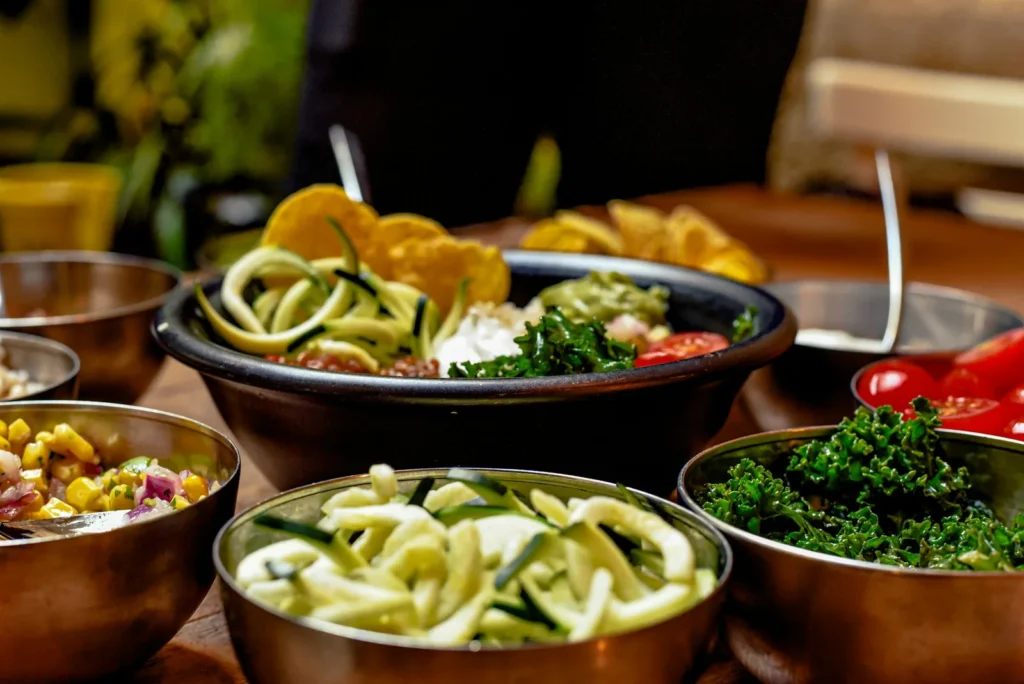
You cannot tell how hot a salsa is by looking at it. Colour, thickness and smell are all unreliable — a pale, innocuous green salsa is frequently the hottest thing on the table. The only reliable methods are asking and tasting a very small amount.
This matters because taqueria salsas are unlabelled, vary enormously between kitchens, and cannot be taken back out of a taco once they are on it.
Why colour tells you nothing
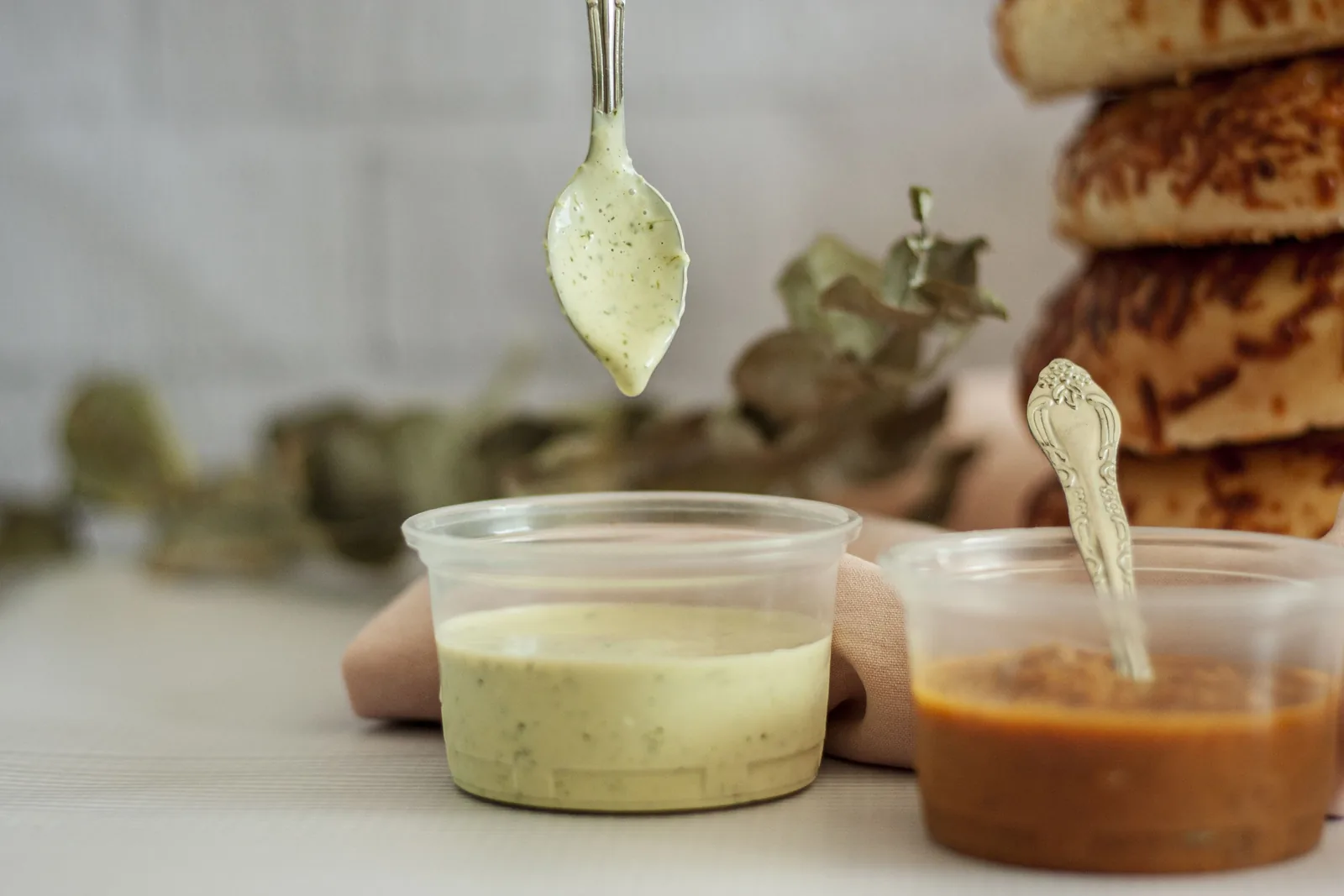
Red salsas are usually built on dried chillies — guajillo, ancho, chipotle — which tend to be mild to moderate and contribute smoke and depth. Green salsas are usually built on fresh chillies such as serrano or habanero, which can be very hot indeed.
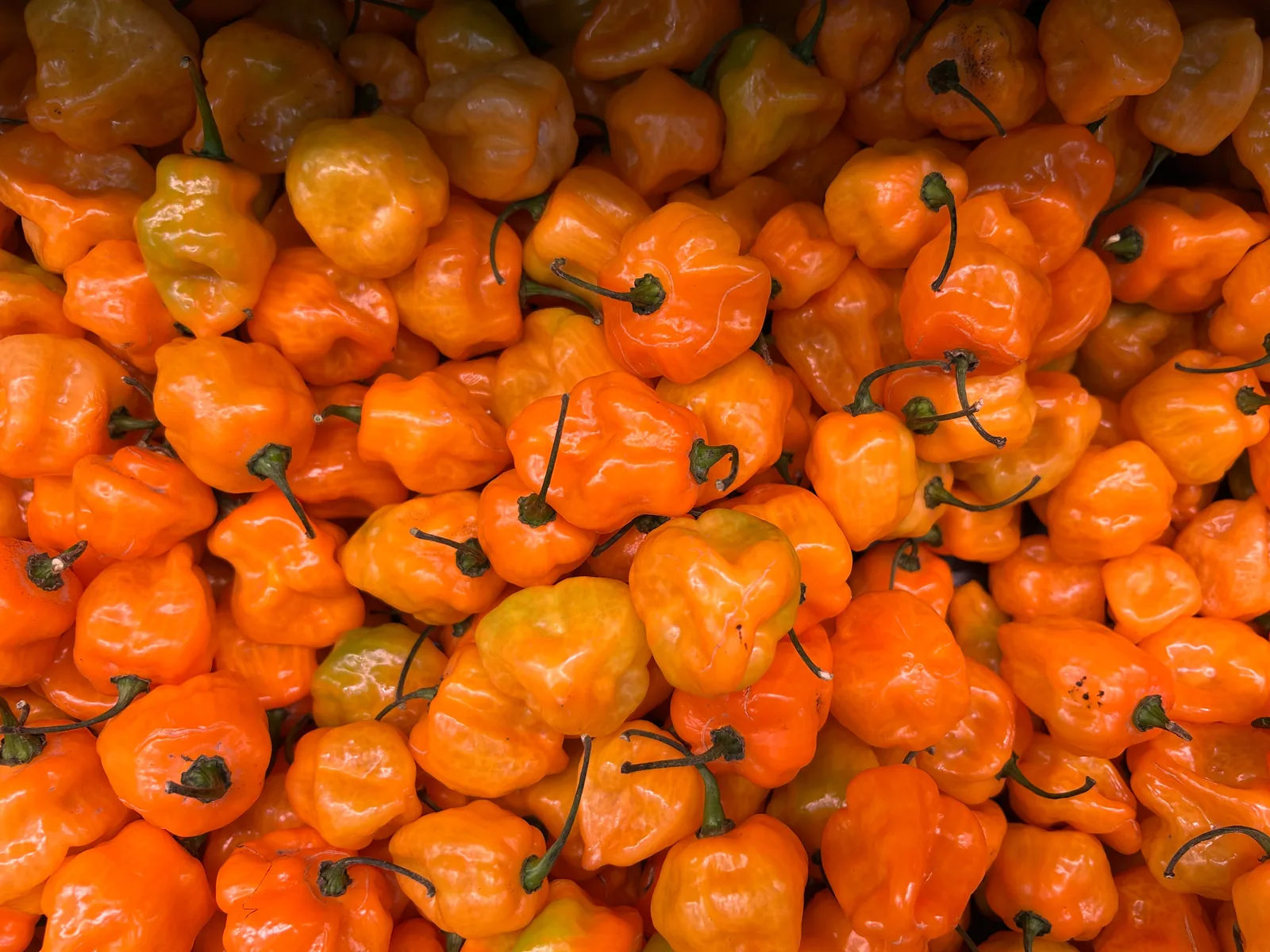
So the intuition most people bring — red means hot, green means mild — is closer to backwards than to right. A habanero-based salsa can be pale orange and look like a mild fruit purée.
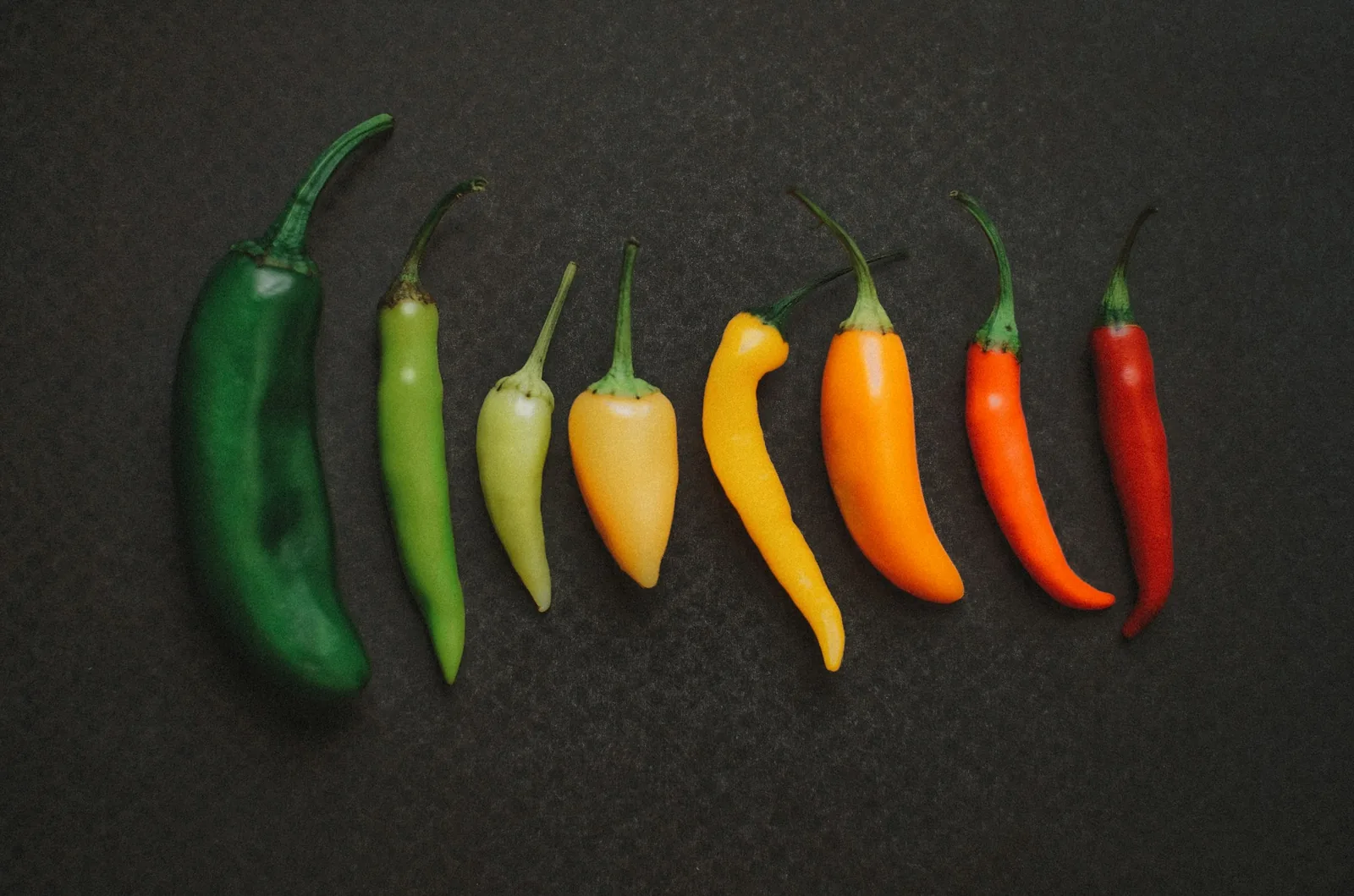
| Chilli | Rough heat | Turns up in |
|---|---|---|
| Poblano | Very mild | Rajas, chiles rellenos |
| Guajillo / ancho | Mild | Red salsas, adobos, moles |
| Chipotle | Mild to medium | Smoky red salsas |
| Jalapeño | Medium | Fresh salsas, pickled |
| Serrano | Hot | Green salsas, pico de gallo |
| Chile de árbol | Hot | Thin, fiery red table salsas |
| Habanero | Very hot | Yucatecan salsas, often pale orange |
We cover these properly in our guides to dried Mexican chillies and fresh Mexican chillies — including the fact that several dried names are just dried versions of the fresh peppers above.
Why published heat numbers are only a guide
The Scoville scale was devised by Wilbur Scoville in 1912 and originally worked by dilution and taste panel — the point at which trained tasters could no longer detect heat. Modern figures come from measuring capsaicin directly.
NIST’s explainer on how you measure the heat of a pepper sets out the method: high-performance liquid chromatography quantifies the capsaicin, and the result is converted into Scoville heat units.
But the same cultivar grown in different conditions produces different capsaicin levels, so a Scoville figure is a range rather than a specification. And none of it helps at a counter, where nobody has run chromatography on the green one.
A practical method at the counter
- Ask which is mildest. Not “is it spicy” — that is relative to the person answering. “Which of these is mildest?” gets a useful answer.
- Put a small amount on the edge of a plate rather than on the food.
- Touch it with a fingertip to your tongue and wait ten seconds. Chilli heat builds; the first instant understates it.
- If it is fine, dress one taco and eat it before dressing the next. Never dress a whole plate at once.
- If a salsa comes in a squeeze bottle with a narrow nozzle, treat that as a warning. Kitchens meter the hot ones.
This is the routine our street taco guide keeps recommending in passing, set out properly. The corollary is that the taco itself is usually not spicy: heat at a taqueria almost always comes from the salsa you add, which means you control it.
If you have overdone it
Capsaicin is the compound responsible, and the important property is that it does not dissolve in water. Drinking water moves it around your mouth and spreads the burn; it does not remove it. This is why the instinctive response is the wrong one.
What works is fat, dairy and sugar. Dairy is best of the three — milk contains both fat and casein, a protein that lifts capsaicin off the receptors it is binding to.
- Milk, crema or sour cream — the most effective thing on a Mexican table. See crema versus sour cream, or the dairy-free guide if that is not an option for you.
- Horchata — sweet, often dairy-containing, and on the counter for precisely this reason.
- Cheese, avocado, beans or rice — fat and starch, both of which help.
- Bread or tortilla — mechanically wipes some away.
- Not water. Not beer. Both spread it. Beer is mostly water.
Ordinary chilli heat is unpleasant and harmless and passes in minutes. If you get chilli in your eye, or you have a genuine reaction rather than a burn, that is a different matter and not something a food article should advise on.
Building a tolerance, if you want one
It does work, and it is the receptors rather than your opinion that change — repeated exposure desensitises them. The practical version is unglamorous: eat slightly more heat than is comfortable, regularly, and the threshold moves.
There is no obligation to. Plenty of excellent Mexican food is barely spicy at all — chile relleno is named after a chilli and is mild, mole is deep rather than hot, and carnitas are seasoned with little more than salt. Ordering mild is not ordering badly.
A note on Doc’s
Doc’s board listed no salsas by name, which is normal — table salsas are rarely itemised. The one hot condiment it did print was Valentina, a bottled Mexican sauce, in both elote builds. Valentina is mild and more tangy than hot, which fits a shop serving a broad weekend crowd.
Doc’s Taco Shop closed permanently on 19 July 2025 after five years in business. The menu details above are transcribed from the restaurant’s own published menu board and are recorded here as history. You can still read the full menu as Doc’s published it or look through the photo gallery.
Frequently asked questions
Which salsa is hotter, red or green?
There is no rule, and the common assumption is closer to backwards. Red salsas often use mild dried chillies; green ones often use fresh serranos or habaneros and can be very hot.
How can I tell if a salsa is spicy before eating it?
Ask which is mildest, then taste a fingertip’s worth and wait ten seconds, because chilli heat builds. Never dress a whole plate before tasting.
Does water help with spicy food?
No. Capsaicin does not dissolve in water, so drinking it spreads the burn around your mouth. Dairy works, because it contains both fat and casein.
What is the Scoville scale?
A measure of chilli heat, originally by dilution and taste panel in 1912 and now by measuring capsaicin directly with chromatography. Figures are ranges, since growing conditions change the result.
Can you build a tolerance to spicy food?
Yes. Repeated exposure desensitises the receptors that respond to capsaicin. Eating slightly more heat than is comfortable, regularly, moves the threshold.
The short version
Colour is not a guide. Ask which is mildest, taste a fingertip, wait ten seconds, dress one taco at a time. If you overdo it, reach for milk or crema and not for water — and remember that most of this cuisine is not actually hot.