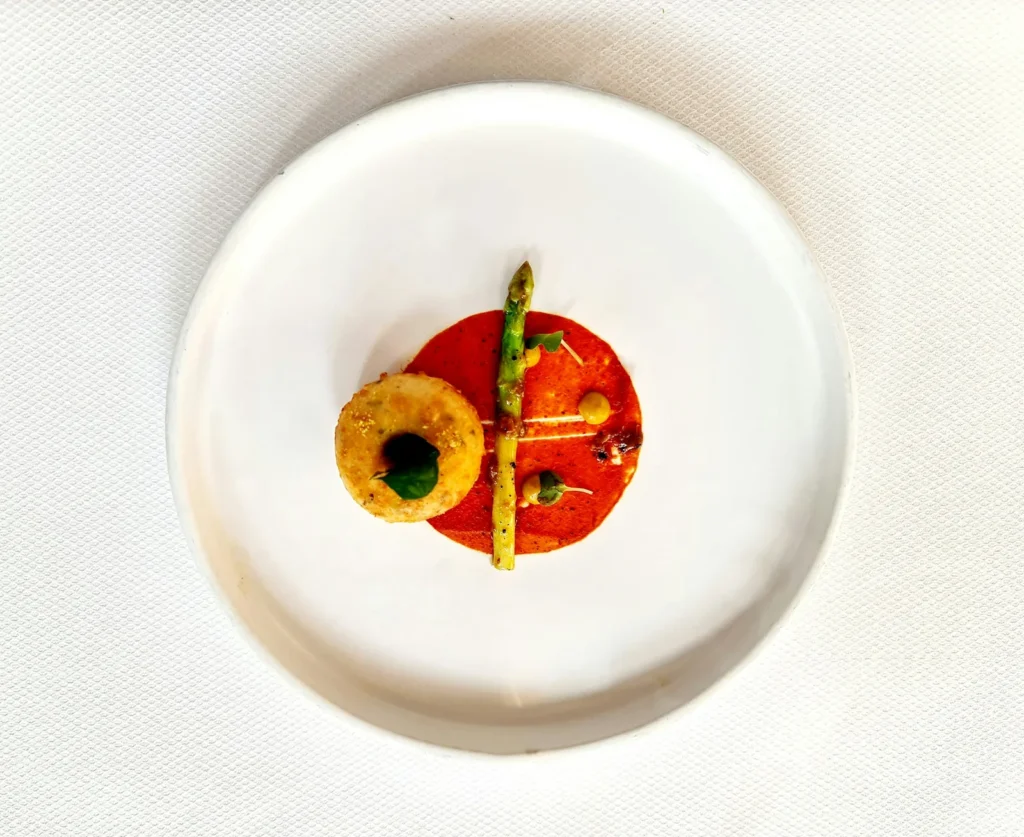
A chile relleno is a roasted poblano pepper, peeled, stuffed with cheese, coated in a light egg batter and fried, then served under a simple tomato sauce. The name just means stuffed chilli.
The question everyone actually has is whether a dish named after a chilli is going to be hot. It is not. Poblanos are one of the mildest chillies in regular use.
How mild, specifically
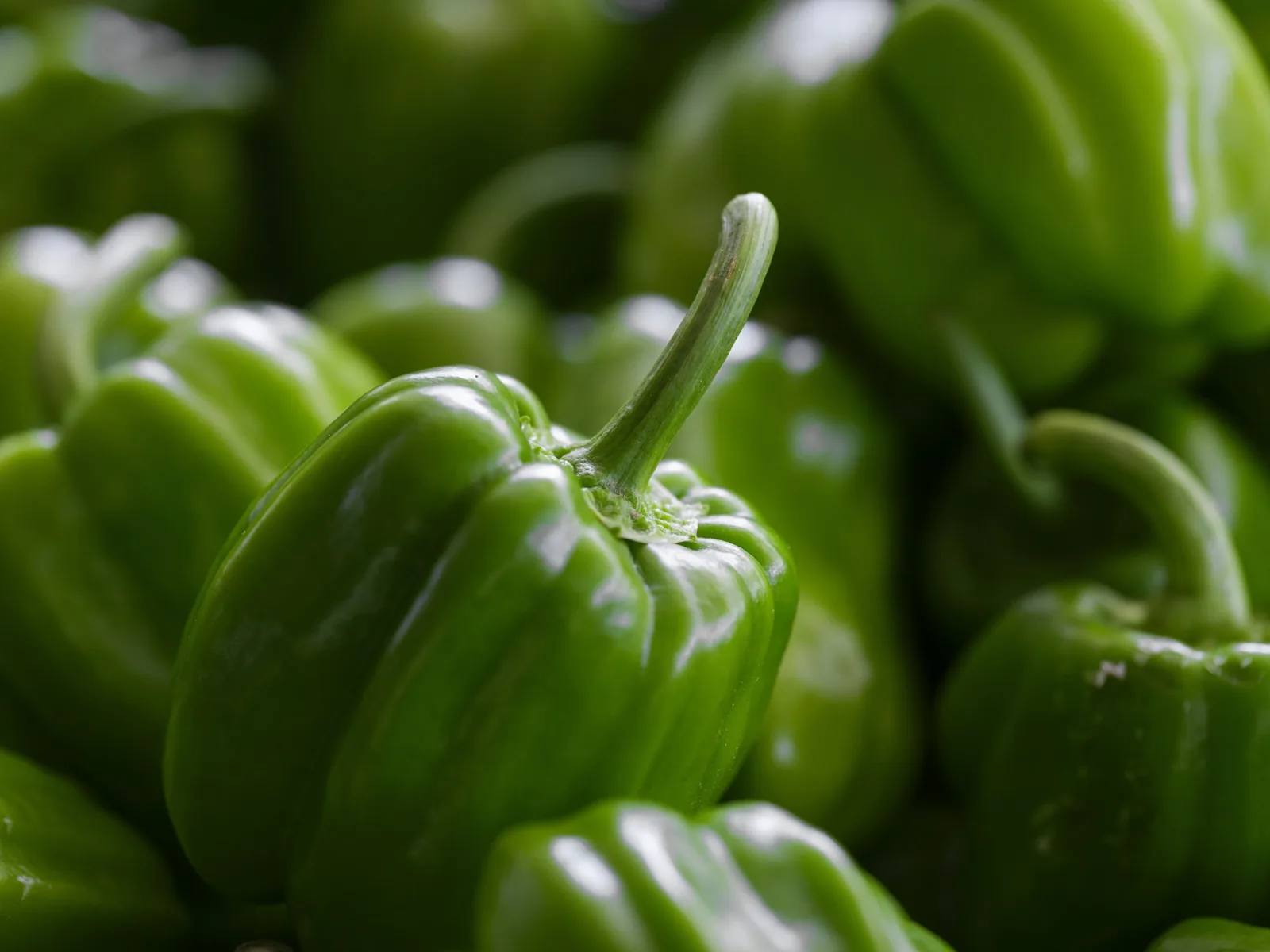
Poblanos sit at roughly 1,000 to 2,000 Scoville heat units — see our fresh chilli guide for how that compares. A jalapeño is several times hotter; a habanero is a hundred times hotter. In practical terms a poblano is warm rather than spicy, and roasting it softens what heat there is.
Heat in chillies comes from capsaicinoids, and New Mexico State University’s extension publication on measuring chile pepper heat notes that more than twenty-two are known, with capsaicin and dihydrocapsaicin normally present in the highest concentrations. It also explains why published figures vary: the original Scoville organoleptic test was a taste panel, and modern figures come from high-performance liquid chromatography, which NMSU’s own breeding programme has used across more than five thousand samples.
Which is the honest caveat on any Scoville number, including the one above: growing conditions vary the result, so the range matters more than the figure. We use the same framing in how hot is that salsa.
How it is made
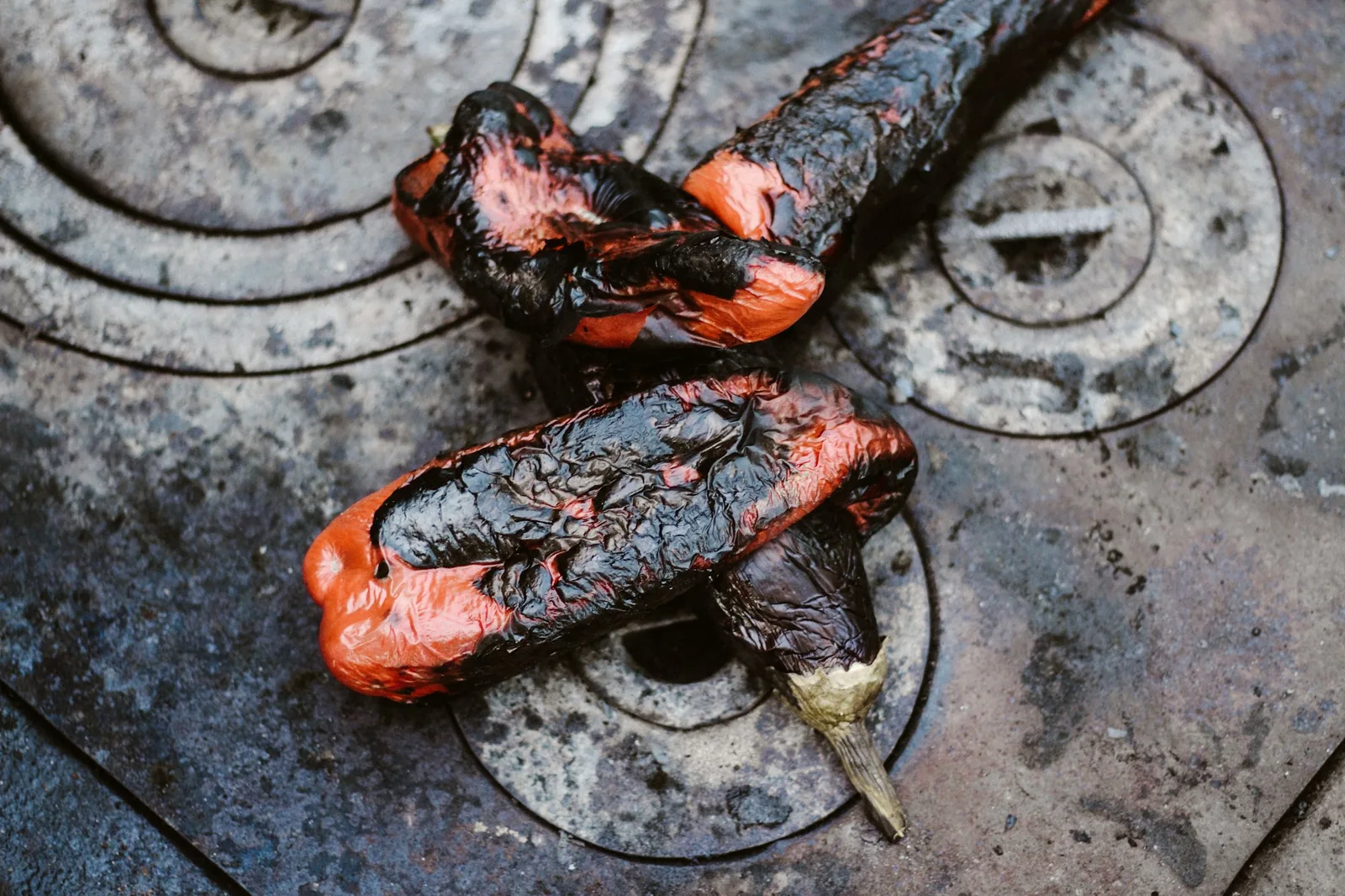
- Poblanos are charred over flame or under a grill until the skin blisters black.
- They are sweated in a covered bowl or bag, then the skin is rubbed off. This is the step that makes the dish possible — poblano skin is tough and bitter.
- A slit is cut and the seeds removed, keeping the pepper whole.
- It is stuffed, usually with a melting cheese, sometimes with picadillo — minced meat with fruit and spices.
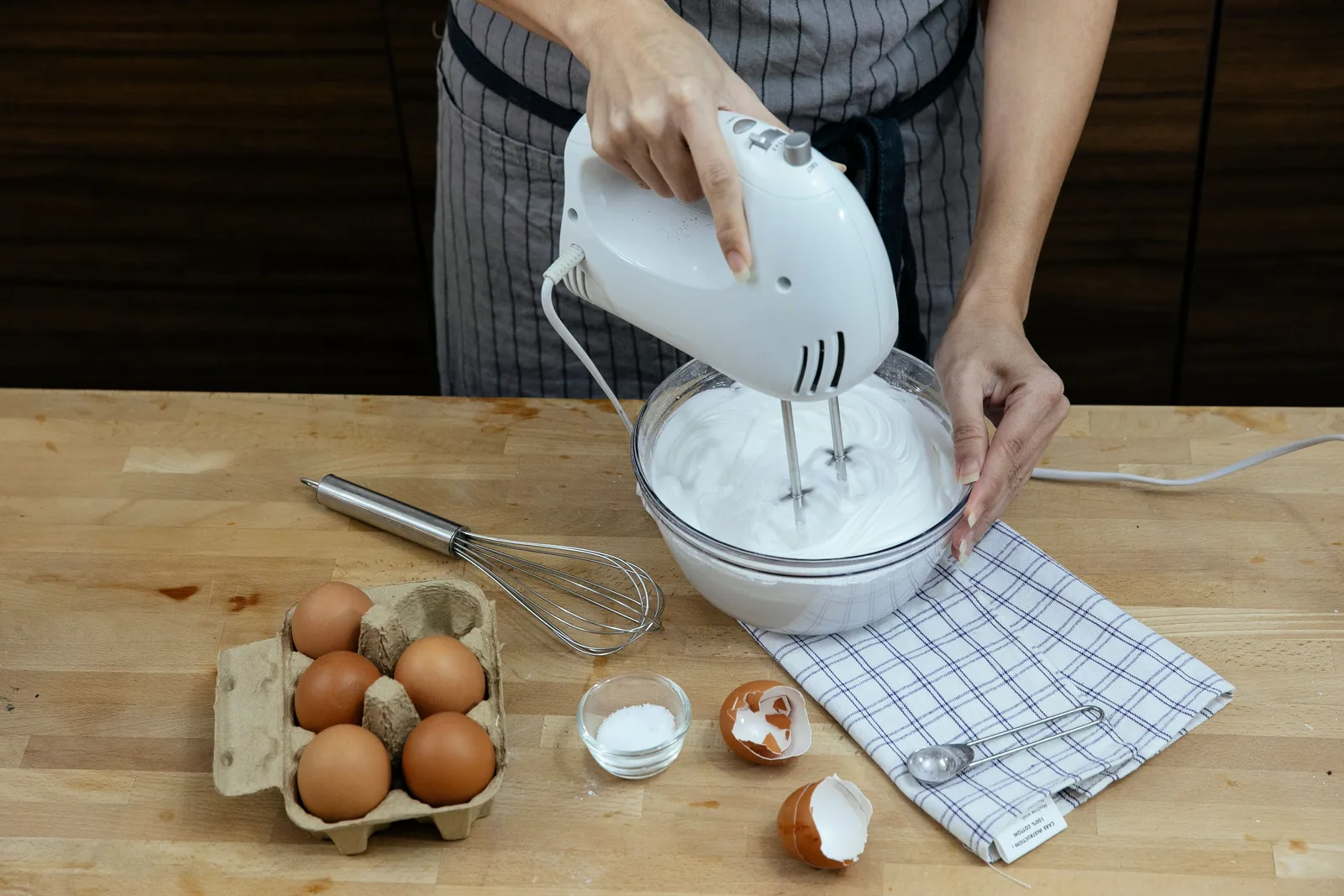
- Egg whites are whisked to peaks, the yolks folded back in, and the pepper is coated and shallow-fried until golden.
- It is served under a light tomato sauce, or salsa roja or verde.
The batter is the technically demanding part and the reason the dish is a restaurant order rather than a weeknight one. Whisked egg white sets into something between a coating and a soufflé, and it collapses if it waits.
What goes inside
| Filling | Notes |
|---|---|
| Melting cheese | The standard. Oaxaca, asadero or Chihuahua; mozzarella substitutes well |
| Picadillo | Minced meat with raisins, almonds and spices. Sweeter and more traditional in Puebla |
| Beans | A lighter, common vegetarian version |
| Tuna or fish | Regional, coastal |
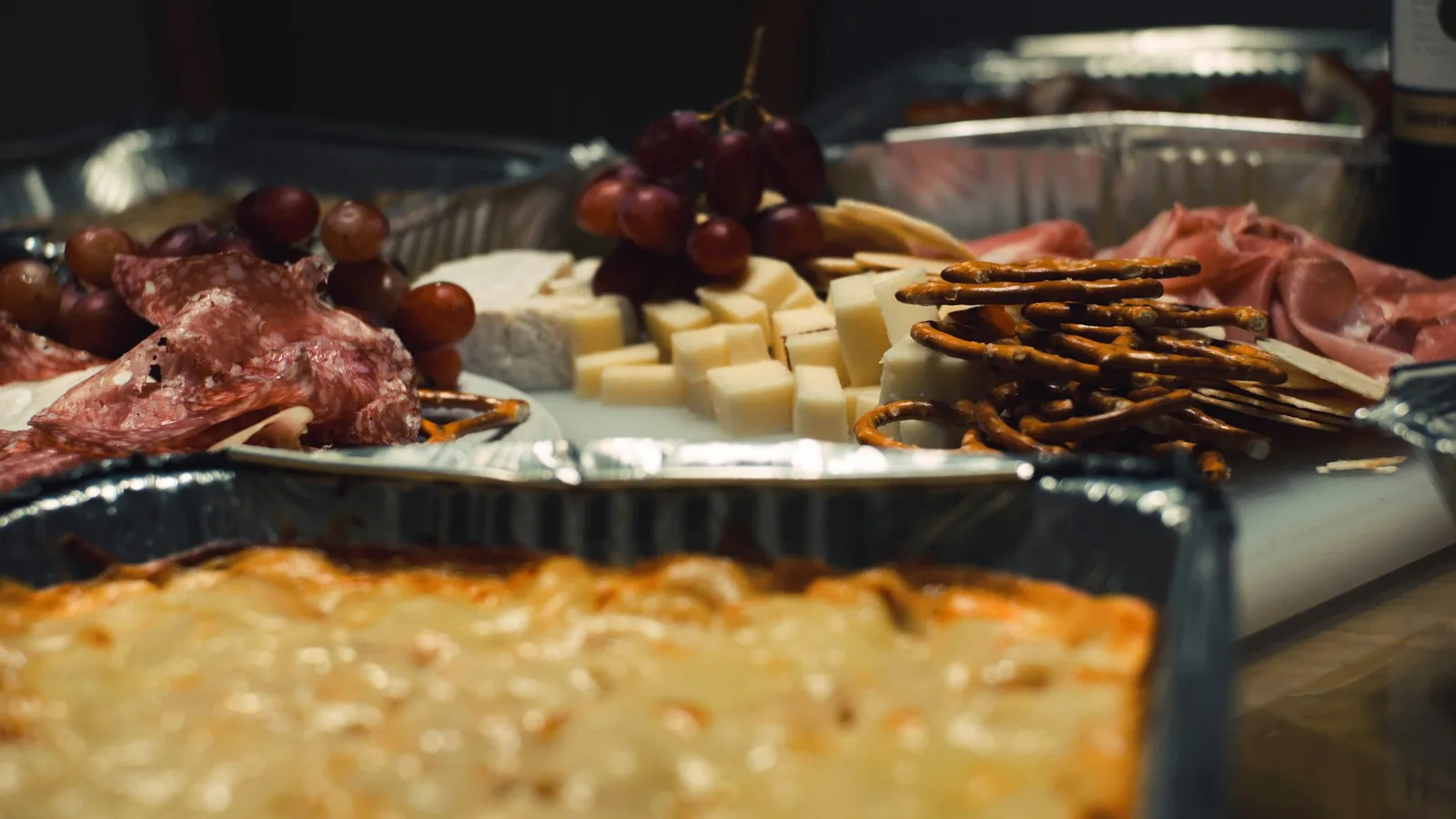
Which cheese melts and which does not is covered in our guide to Mexican cheeses — a crumbling cheese like cotija will not work here, because the whole point is that the inside runs when you cut it.
Chiles en nogada, the famous cousin
The other great stuffed-poblano dish is chiles en nogada: the same roasted, peeled poblano, filled with picadillo, but served cold under a walnut cream sauce and scattered with pomegranate seeds.
It is a seasonal dish, made around late summer and September when walnuts and pomegranates are available, and it is strongly associated with Mexican Independence Day — green chilli, white sauce, red seeds being the colours of the flag. It also comes from Puebla, like the chile relleno and like mole poblano, which makes that one city responsible for a remarkable share of the country’s most elaborate cooking.
One thing to check before ordering
The batter. A traditional chile relleno is coated in egg, which contains no wheat. But many restaurant versions add flour to the batter or dust the pepper with flour first so the egg adheres, and some use a beer batter outright.
If that matters to you, it is a question worth asking rather than assuming — we flag chiles rellenos specifically in our guide to gluten at a taqueria for exactly this reason. It is one of the dishes where the traditional version and the common version differ on that point.
A note on Doc’s
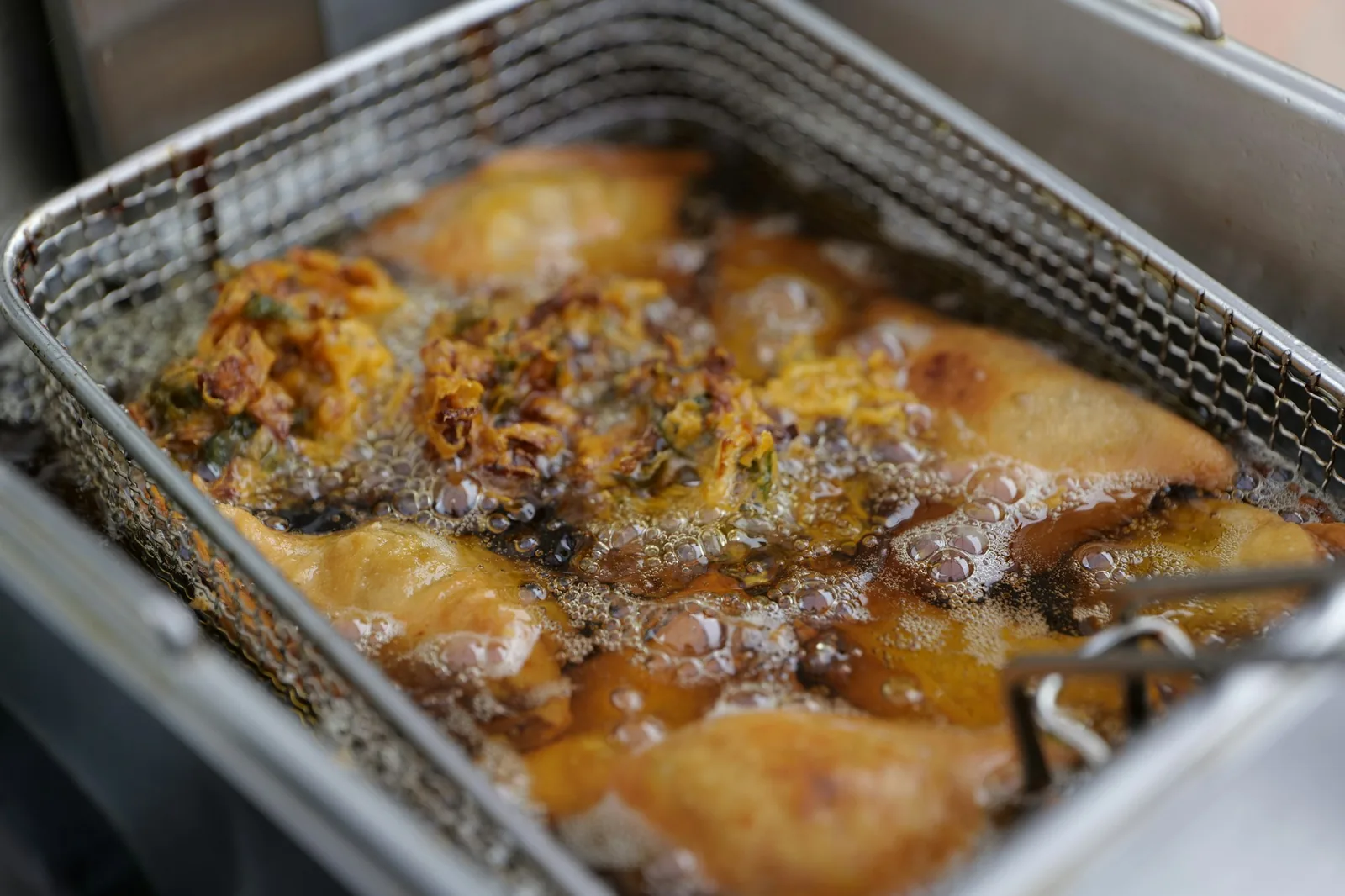
Chiles rellenos were not on Doc’s board. It is a plated, cooked-to-order dish with a fragile batter, which is a different proposition from a griddle-led taco counter. The board’s fried item was the chalupa, and its stuffed item was the suegrita.
Doc’s Taco Shop did not serve this. The shop was a small weekend taqueria in Liberty City, Texas, and it closed permanently on 19 July 2025. You can read the full menu as Doc’s published it or look through the photo gallery.
Frequently asked questions
Is chile relleno spicy?
Not very. Poblanos sit at roughly 1,000 to 2,000 Scoville units, which is mild — several times less hot than a jalapeño — and roasting softens it further.
What pepper is used for chile relleno?
Poblano, almost always. It is large enough to stuff, thick-walled enough to hold shape, and mild.
What is inside a chile relleno?
Usually a melting cheese. Picadillo — minced meat with raisins and spices — is the other traditional filling, particularly in Puebla.
Is chile relleno gluten free?
The traditional egg batter contains no wheat, but many restaurant versions add flour to the batter or dust the pepper first. Ask rather than assume.
Why is the skin removed?
Poblano skin is tough and slightly bitter, and it separates from the flesh once charred. Peeling it is what makes the pepper tender enough to eat whole with a fork.
The short version
A roasted, peeled poblano stuffed with cheese, fried in egg batter and sauced. Mild, rich, and fragile enough that it is best eaten the moment it arrives. Ask about flour in the batter if gluten matters.