
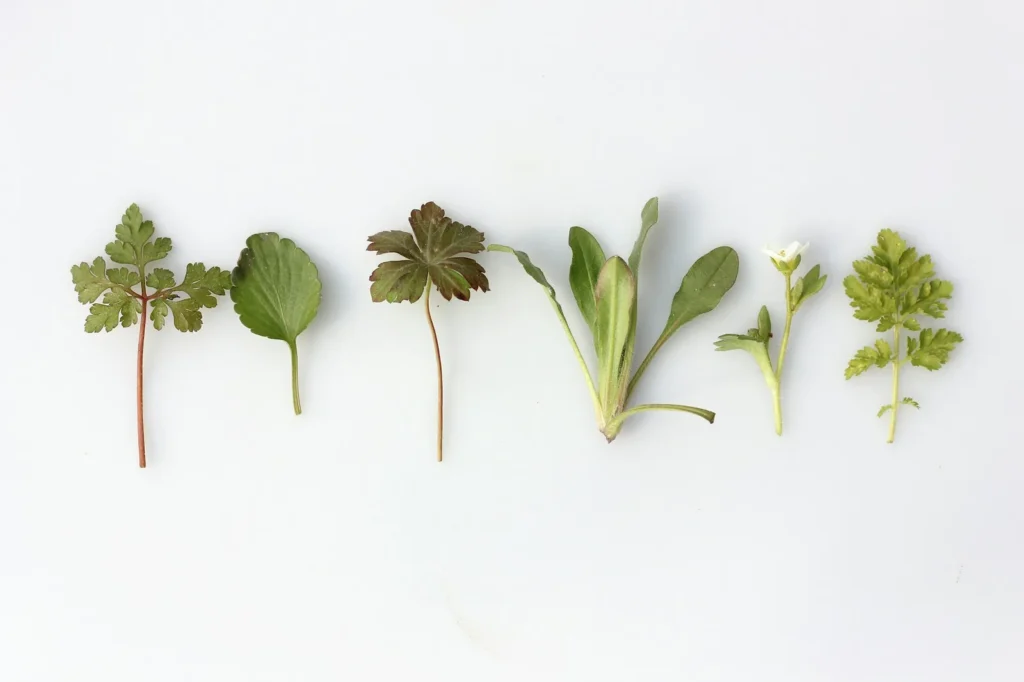
Four herbs do most of the aromatic work in Mexican cooking beyond cilantro: epazote, hoja santa, papalo and Mexican oregano. Two of them have no real substitute, and it is more useful to say so than to pretend otherwise.
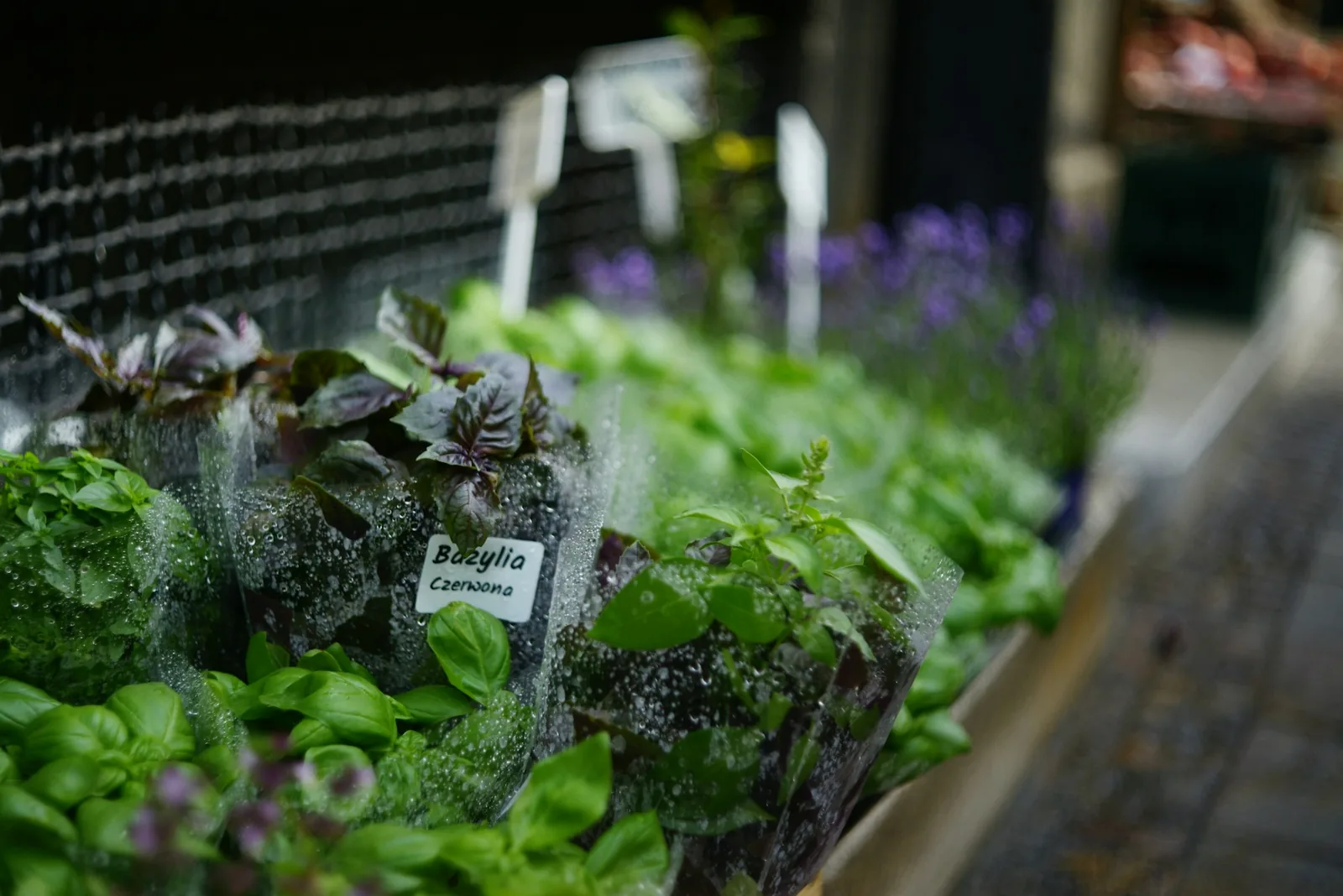
The most important thing on this page is also the simplest: Mexican oregano and Mediterranean oregano are different plants that share a name.
Mexican oregano is not oregano
Mediterranean oregano is Origanum vulgare, in the mint family. Mexican oregano is Lippia graveolens, in the verbena family. They are not related; they were both called oregano because they smell broadly similar.
| Mexican oregano | Mediterranean oregano | |
|---|---|---|
| Family | Verbena | Mint |
| Tastes of | Citrus, mild liquorice, earthy | Sweeter, more floral, pine and mint edges |
| Strength | Stronger | Milder |
| Used in | Pozole, menudo, adobos, bean pots | Italian and Greek cooking |
You can substitute one for the other and the dish will be fine, but it will taste different. If a recipe for menudo or pozole calls for oregano crumbled over the bowl, Mexican oregano is what it means — and our menudo guide’s point about crumbling it between your fingers rather than sprinkling applies to both.
Epazote: the one with no substitute
Pungent, slightly medicinal, somewhere between tarragon, mint and petrol — which sounds unpromising and is genuinely good in the right place. Its main job is in the bean pot.
The North Carolina Extension Gardener Plant Toolbox entry for Dysphania ambrosioides records it under a string of names — epazote, Mexican tea, Jesuit’s tea, paico, wormseed — which tells you something about how widely it has been used and for how long.
Two honest notes. First, there is no good substitute: nothing else tastes like it, and a recipe calling for epazote is better made without it than with something pretending to be it. Second, it is traditionally added to beans in the belief that it reduces their gas-producing effect. That is folk practice; we are not going to present it as established.
Hoja santa and papalo
- Hoja santa — a very large, soft, heart-shaped leaf tasting distinctly of aniseed or root beer. Used whole as a wrapper for fish or cheese, or torn into Oaxacan moles — it is one of the things that makes mole negro taste the way it does. Also no real substitute; a little fennel or tarragon gestures at it and no more.
- Papalo — a round-leafed herb used raw, tasting like cilantro amplified several times, with a soapy, almost rocket-like edge. Central to the Pueblan cemita. Cilantro is the nearest thing, in much greater quantity, and it is not the same.
Both are hard to buy outside Mexico and Mexican groceries, and both are worth trying if you find them. Neither is a background herb — they are the dominant flavour in whatever they go into.

And cilantro, since it comes up
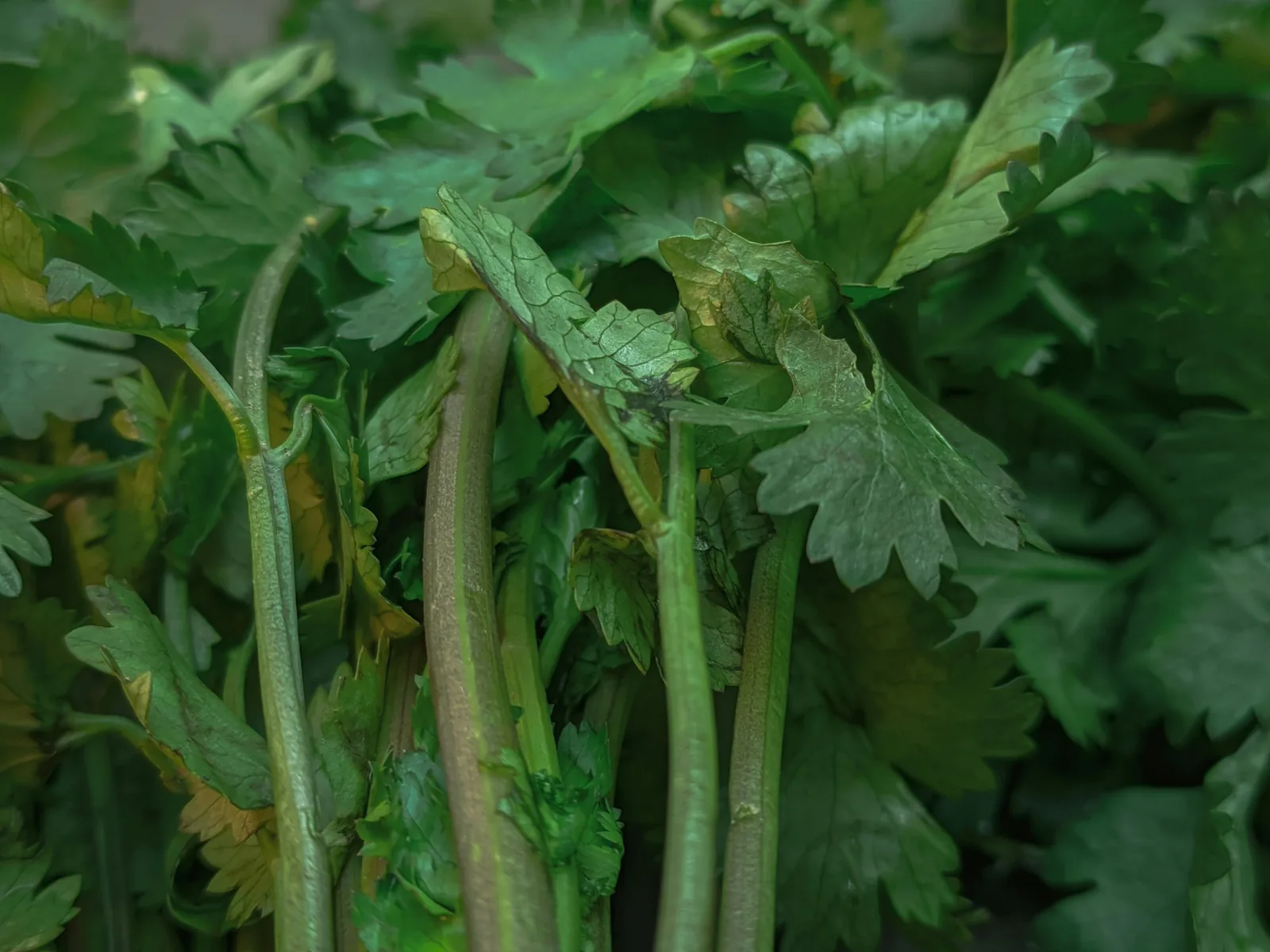
Cilantro is used in enormous quantity in Mexican cooking — it is one of the three things on a street taco — and a meaningful minority of people taste it as soap. That is a genuine genetic difference in olfactory receptors, not fussiness.
If that is you, asking for tacos sin cilantro is entirely normal and universally understood. Our toppings guide covers what the other garnishes contribute, and onion and lime between them carry most of it.
Buying and keeping them
| Herb | Form to buy | Substitute? |
|---|---|---|
| Mexican oregano | Dried — it is used dried | Mediterranean oregano, accepting a different flavour |
| Epazote | Fresh or dried; dried is much weaker | No |
| Hoja santa | Fresh leaves, or dried | Not really |
| Papalo | Fresh only | Cilantro, in quantity, imperfectly |
| Cilantro | Fresh, by the bunch | Nothing, but it can be omitted |
A note on Doc’s
Doc’s board named cilantro and nothing else — on the street tacos, the torta, Keith’s Salad and the Loaded elote. No oregano, no epazote. That is unremarkable: a menu board lists what a customer sees, and herbs in a bean pot or an adobo do not appear on one.
Doc’s Taco Shop closed permanently on 19 July 2025. Its 2023 menu board is preserved here as a historical record, and anything said about it above is read from that board. You can read the full menu as Doc’s published it or look through the photo gallery.
Frequently asked questions
Is Mexican oregano the same as regular oregano?
No. Mexican oregano is Lippia graveolens, in the verbena family; Mediterranean oregano is Origanum vulgare, in the mint family. They are unrelated and taste different — Mexican is more citrusy and stronger.
What is epazote?
A pungent Mexican herb, Dysphania ambrosioides, used mainly in bean dishes. The flavour sits somewhere between tarragon, mint and something medicinal, and there is no good substitute for it.
What does hoja santa taste like?
Distinctly of aniseed or root beer. It is a large soft leaf used as a wrapper or torn into Oaxacan moles, and it is a dominant flavour rather than a background one.
Can I substitute for epazote?
Not really. Nothing else tastes like it, and a dish is generally better made without it than with a stand-in.
Why does cilantro taste like soap to some people?
A genuine genetic difference in how some people’s olfactory receptors respond to the aldehydes in it. If that is you, ordering tacos ‘sin cilantro’ is completely normal.
The short version
Mexican oregano is a different plant from oregano. Epazote goes in the beans and cannot be substituted. Hoja santa tastes of aniseed and is the backbone of Oaxacan mole. Papalo is cilantro turned up. And if cilantro tastes like soap to you, that is genetic and you can just ask for it to be left off.