Puebla is responsible for a remarkable share of Mexico’s most elaborate cooking. Mole poblano, the chalupa, the chile relleno and chiles en nogada all come from one city and its state — and this blog has covered three of the four without ever saying they were related.
The common thread is labour. Pueblan cooking is convent cooking: long ingredient lists, many separate preparations, dishes that take a day.
The four dishes, and what connects them
| Dish | What it is | Covered in |
|---|---|---|
| Mole poblano | Dark chilli-and-chocolate sauce, usually on turkey | our mole guide |
| Chalupa | Small fried masa boat with salsa, meat and cheese | our chalupa guide |
| Chile relleno | Roasted poblano stuffed and fried in egg batter | our chile relleno guide |
| Chiles en nogada | Stuffed poblano under walnut cream and pomegranate | below — the one we had not covered |
| Cemita | A sesame-crusted roll sandwich with papalo herb | below |
Follow the links for mole, the chalupa and the chile relleno. The two below are the gaps.
Chiles en nogada
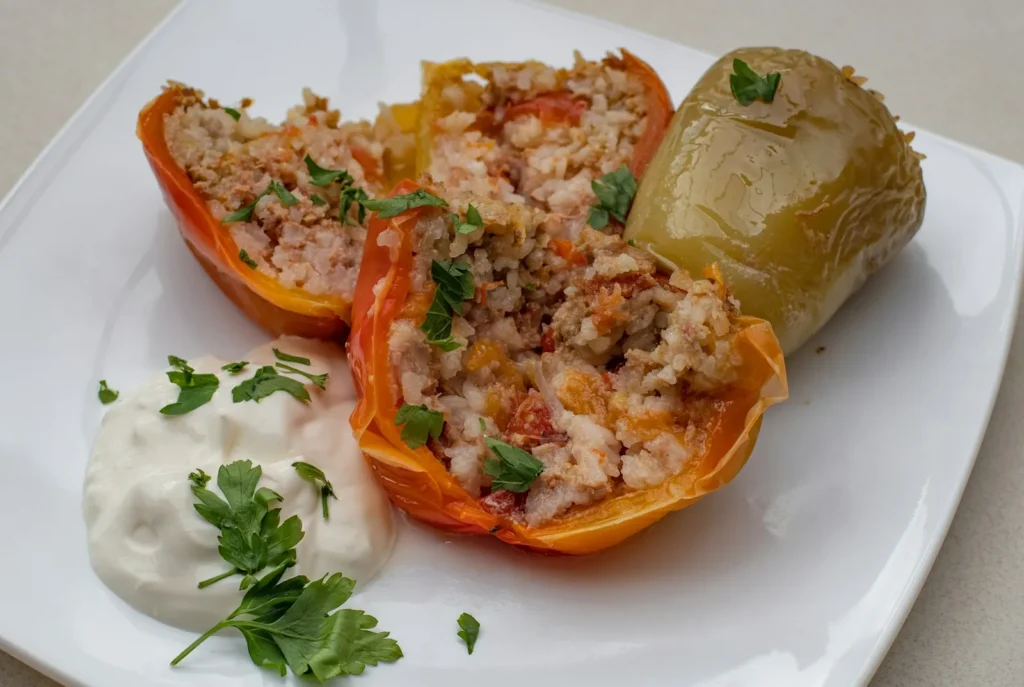
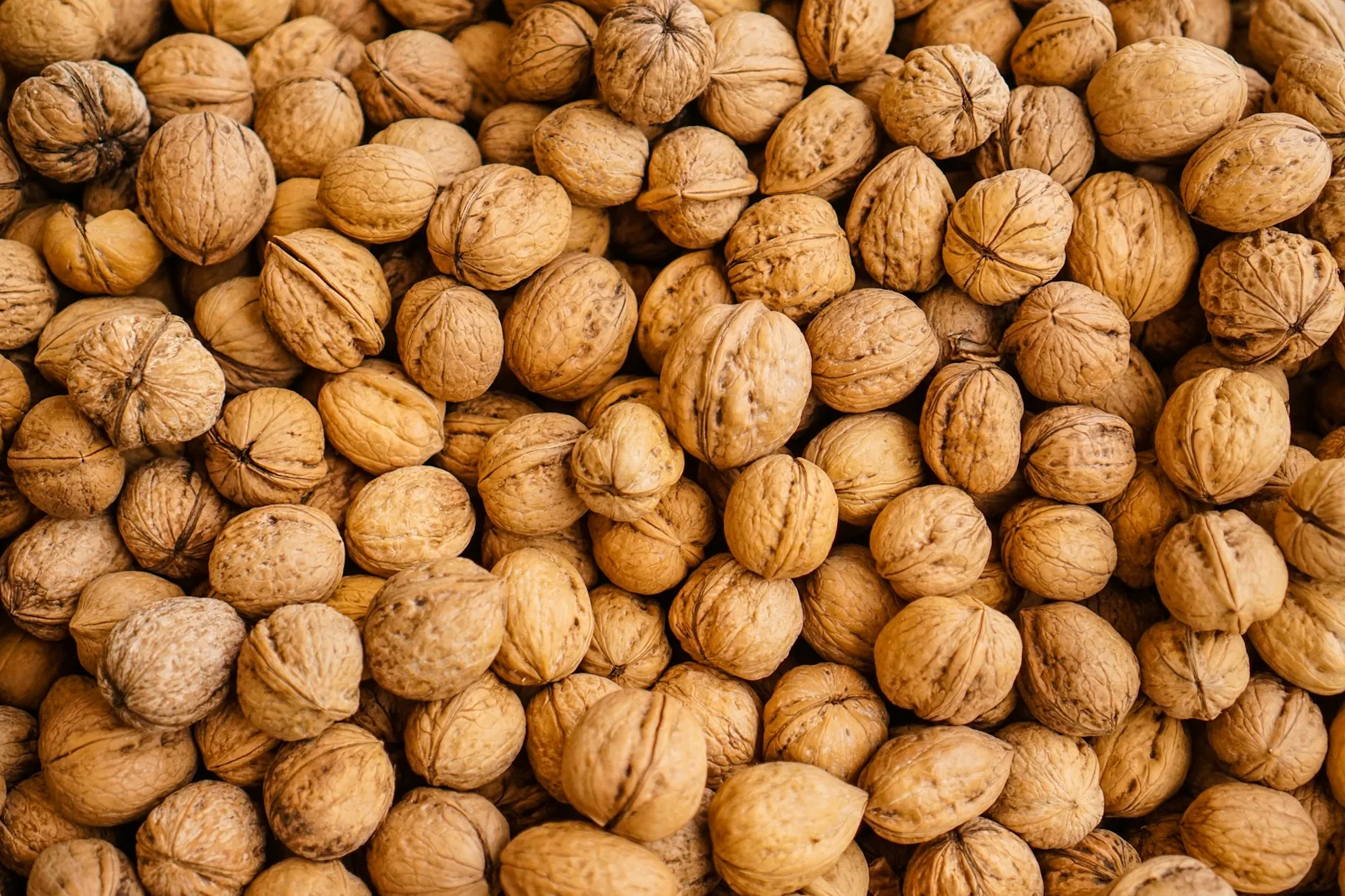
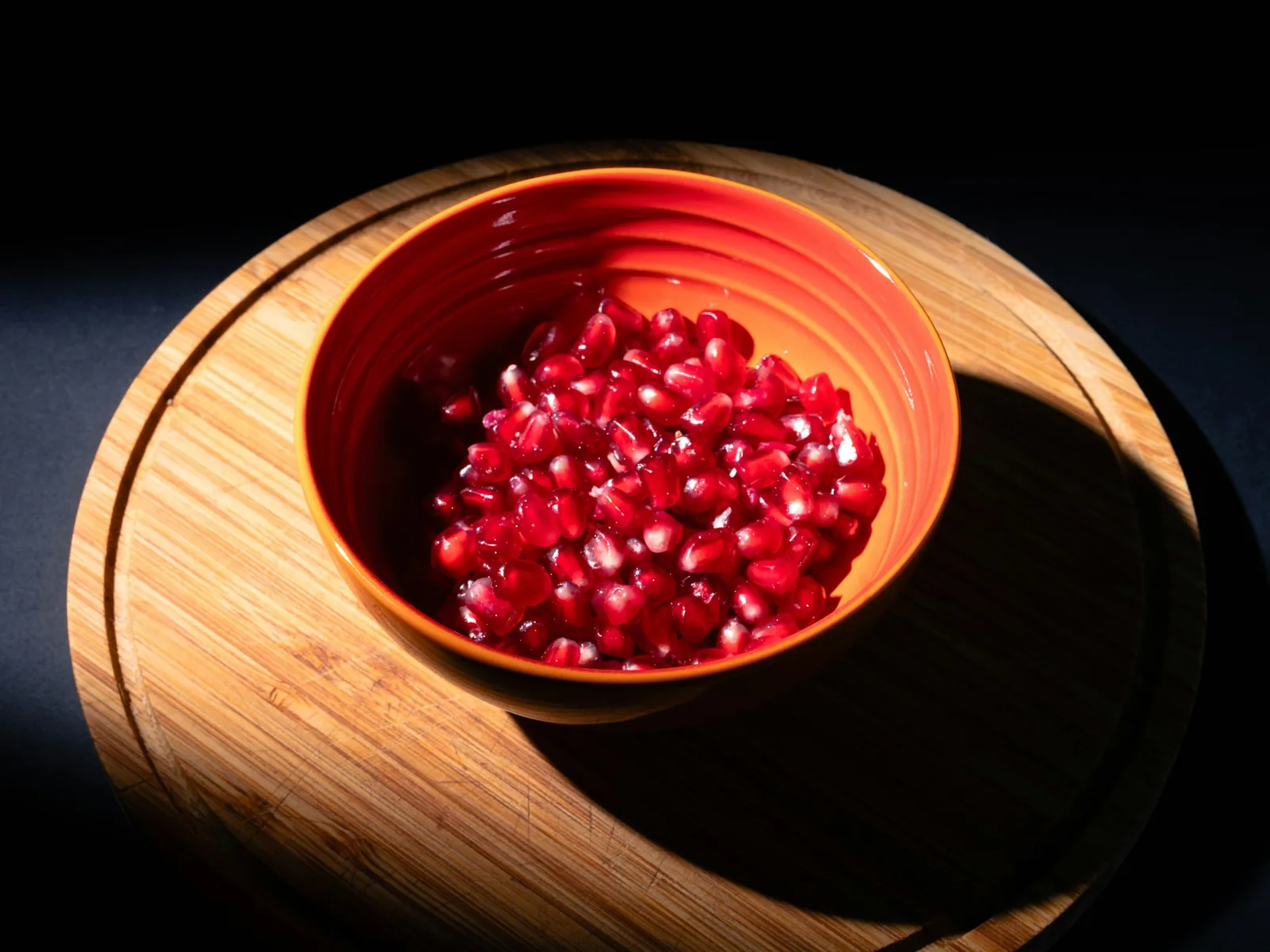
A roasted, peeled poblano stuffed with picadillo — minced meat with dried fruit, almonds and spices — then served cold or barely warm under a walnut cream sauce and scattered with pomegranate seeds.
It is seasonal, made in late summer and September when both walnuts and pomegranates are available, and it is tied to Mexican Independence Day: green chilli, white sauce, red seeds. The Washington Post’s account of the dish places it in that tradition, and is usefully sceptical about the origin story: the legend has nuns of Puebla’s Santa Mónica convent creating it in 1821 for a visit by Agustín de Iturbide, but there is no trace of the dish in any book, official document or convent cookbook from the period.
It is also the clearest example of the Pueblan tendency. The dish is savoury, sweet, fruity, nutty and cold all at once, and it takes most of a day. Nobody makes it casually.
The cemita
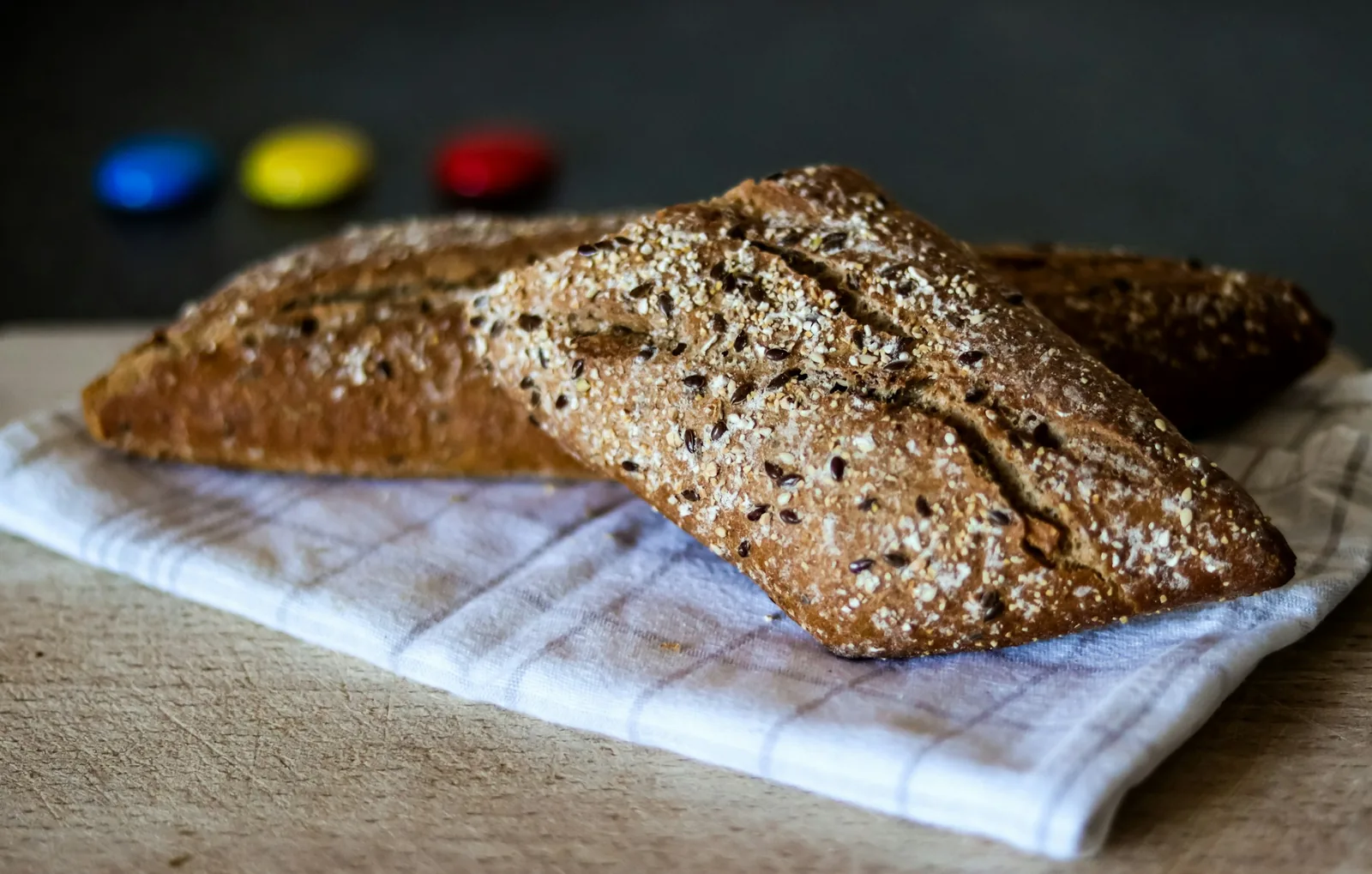
Puebla’s sandwich, and distinct from the torta in three specific ways: the bread is a sesame-crusted brioche-like roll rather than a plain bolillo; the cheese is shredded quesillo; and it carries papalo, a pungent herb that tastes like cilantro amplified several times over.
It is usually built with a breaded milanesa cutlet, avocado, onion and chipotle. If you like tortas and find yourself in the region, the cemita is the upgrade.
The poblano itself
Two of Puebla’s four signature dishes are built on one pepper, and it carries the region’s name. The poblano is large, thick-walled, dark green and mild — which is exactly what a pepper needs to be if you intend to stuff it.
Dried, it becomes the ancho, one of the three chillies in mole poblano. So the same pepper appears fresh in the chile relleno and dried in the mole, which is a neat illustration of how much a single ingredient can do. Our chile relleno guide covers its heat level, which is low.
Why convent cooking
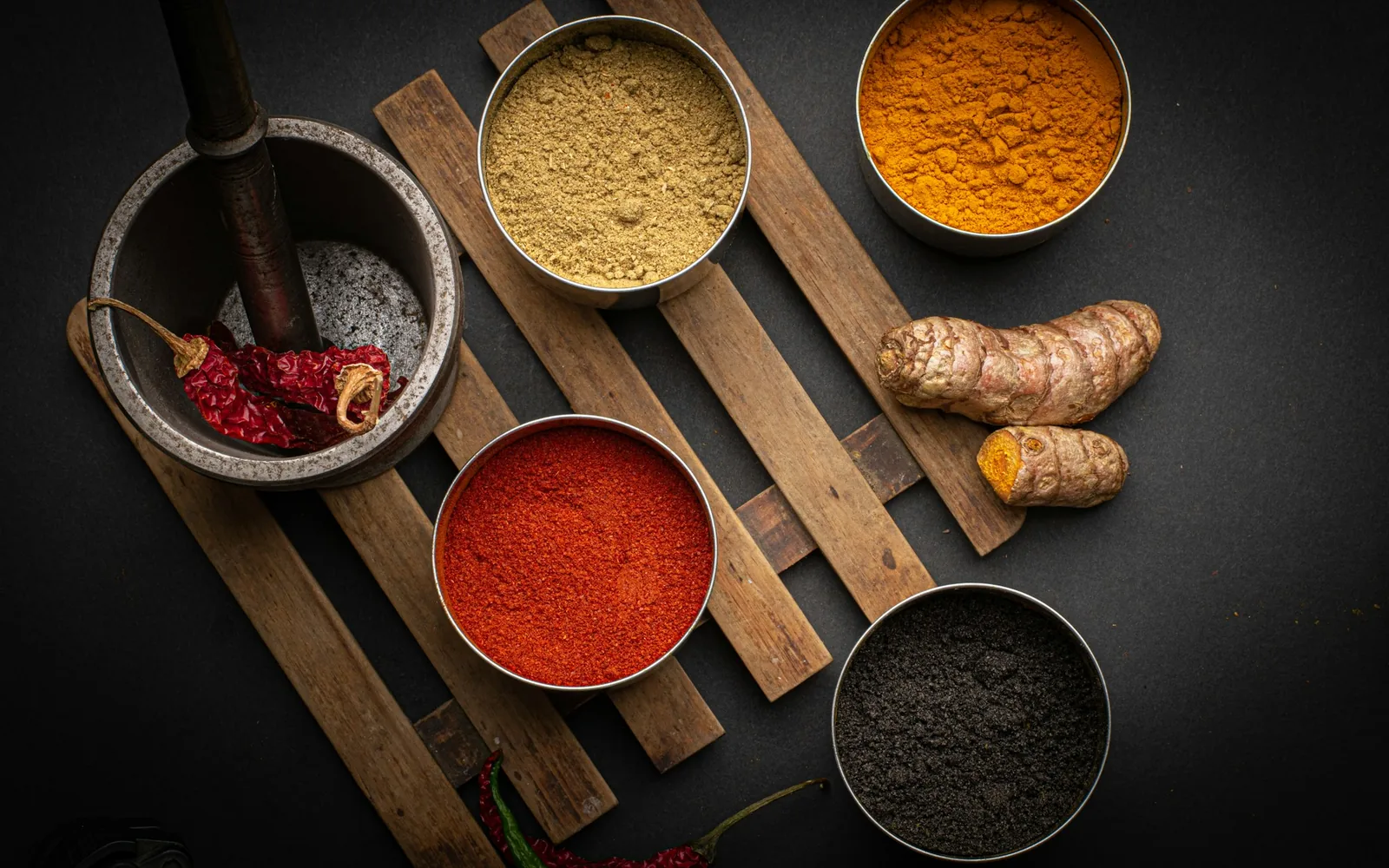
Puebla was founded as a Spanish city in 1531 and became wealthy, with a large number of convents. Convent kitchens had two things ordinary kitchens did not: unpaid labour in quantity, and access to imported European ingredients — almonds, raisins, cinnamon, cloves, sesame — alongside the indigenous chillies, chocolate and turkey already there.
Mole poblano is exactly that collision: New World chillies and chocolate ground together with Old World nuts and spices, over hours. The origin stories involving specific nuns visited by a bishop are almost certainly later embellishments, and we are not going to repeat them as fact — but the structural explanation holds without them.
A note on Doc’s
Doc’s board carried a chalupa, which is nominally a Pueblan dish. In practice its version — beef, chicken or pork with beans, lettuce, tomato, sour cream, avocado and Parmesan — was a Tex-Mex build sharing a name with the Puebla original rather than a descendant of it. Our chalupa guide sets the three versions side by side.
Doc’s Taco Shop had no connection to this region. It was a small weekend taqueria in Liberty City, Texas, running three meats across a short board, and it closed permanently on 19 July 2025. This article exists because our own guides name the region repeatedly without ever explaining it. You can read the full menu as Doc’s published it or look through the photo gallery.
Frequently asked questions
What food is Puebla known for?
Mole poblano above all, plus chiles en nogada, chalupas, chiles rellenos and cemitas. An unusual concentration of elaborate dishes for one region.
What are chiles en nogada?
Roasted poblanos stuffed with spiced minced meat and dried fruit, served under a walnut cream sauce with pomegranate seeds. Seasonal, and associated with Mexican Independence Day.
What is a cemita?
Puebla’s sandwich: a sesame-crusted roll with shredded quesillo, avocado, chipotle, the herb papalo, and usually a breaded cutlet. Richer and more aromatic than a standard torta.
Did nuns invent mole poblano?
The convent stories are traditional but not documented, and the specific versions naming individual nuns are probably later embellishment. What is defensible is that Puebla’s convent kitchens had the labour and the imported ingredients such a dish requires.
Is Pueblan food spicy?
Generally not. Poblano chillies are mild, and the region’s signature dishes are rich, sweet-savoury and complex rather than hot.
The short version
One city produced mole poblano, the chalupa, the chile relleno, chiles en nogada and the cemita. The common factor is convent kitchens with time, labour and imported spices meeting indigenous chillies and chocolate. Pueblan food is the most laborious in Mexico and rarely the hottest.