
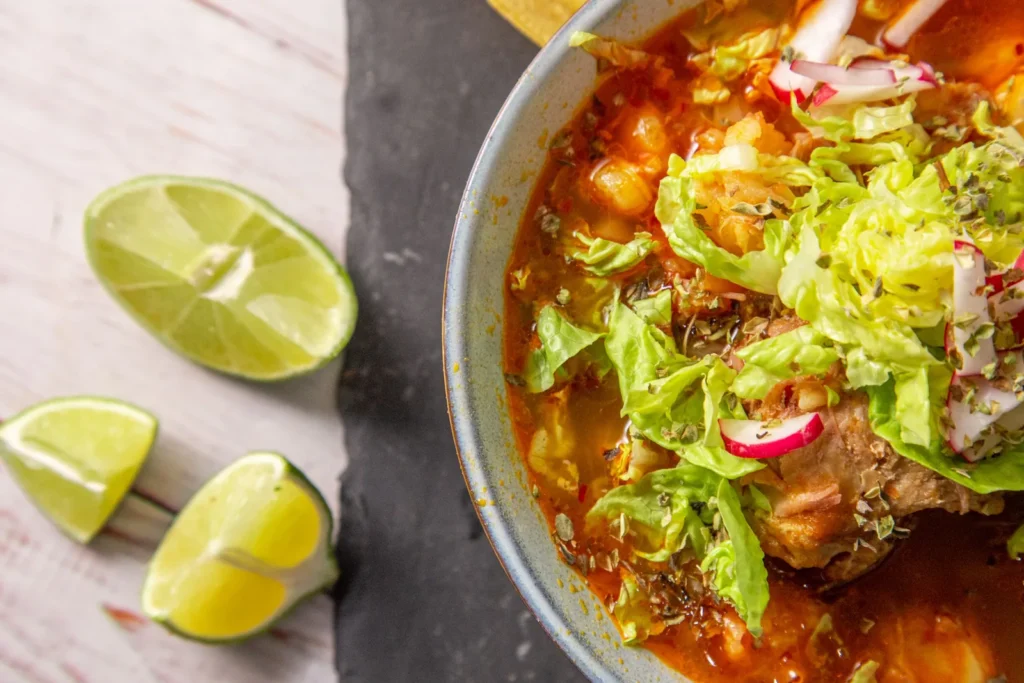
Pozole is a stew of hominy and meat in a chilli broth, cooked for hours and then dressed at the table with raw cabbage, radish, onion, oregano and lime. The hominy is the point: large, soft maize kernels that have been treated with lime, the same process behind every tortilla on the menu.
It arrives plain-looking and you finish it yourself. A bowl of pozole served without a plate of garnishes beside it is only half the dish.
What hominy actually is
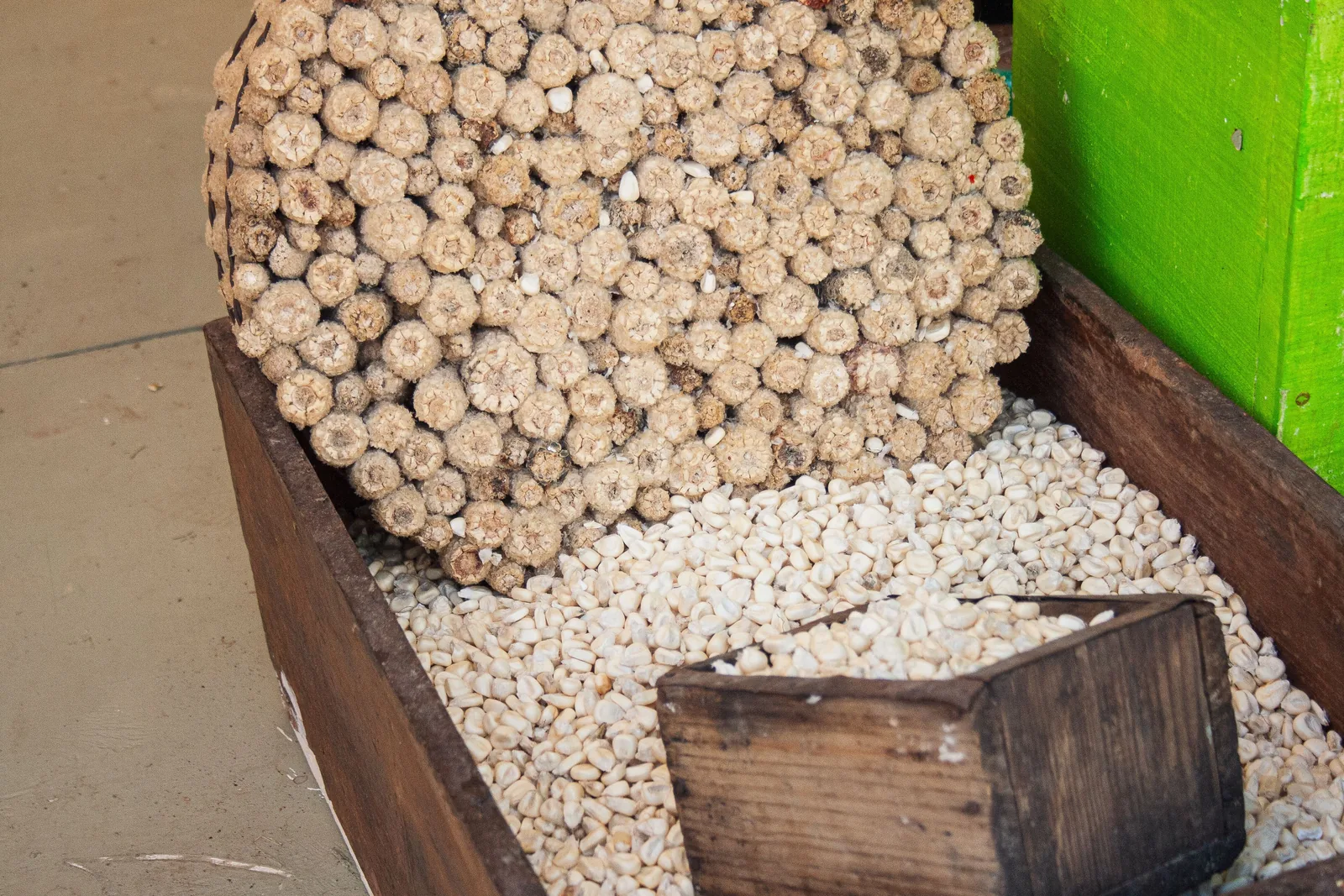
Dried maize simmered in water with slaked lime or ash, then steeped and rinsed. The alkali loosens the hull, softens the kernel and changes the grain’s nutrition. Grind the result finely and you have masa for tortillas. Leave the kernels whole and you have hominy.
The FAO’s Maize in human nutrition documents lime-cooking as the traditional processing behind the dough that is the main ingredient of many popular dishes in Mexico and Central America, and notes separately that treatment with calcium hydroxide has been shown to significantly reduce aflatoxin levels in contaminated maize. The technique is thousands of years old and it is doing real work.
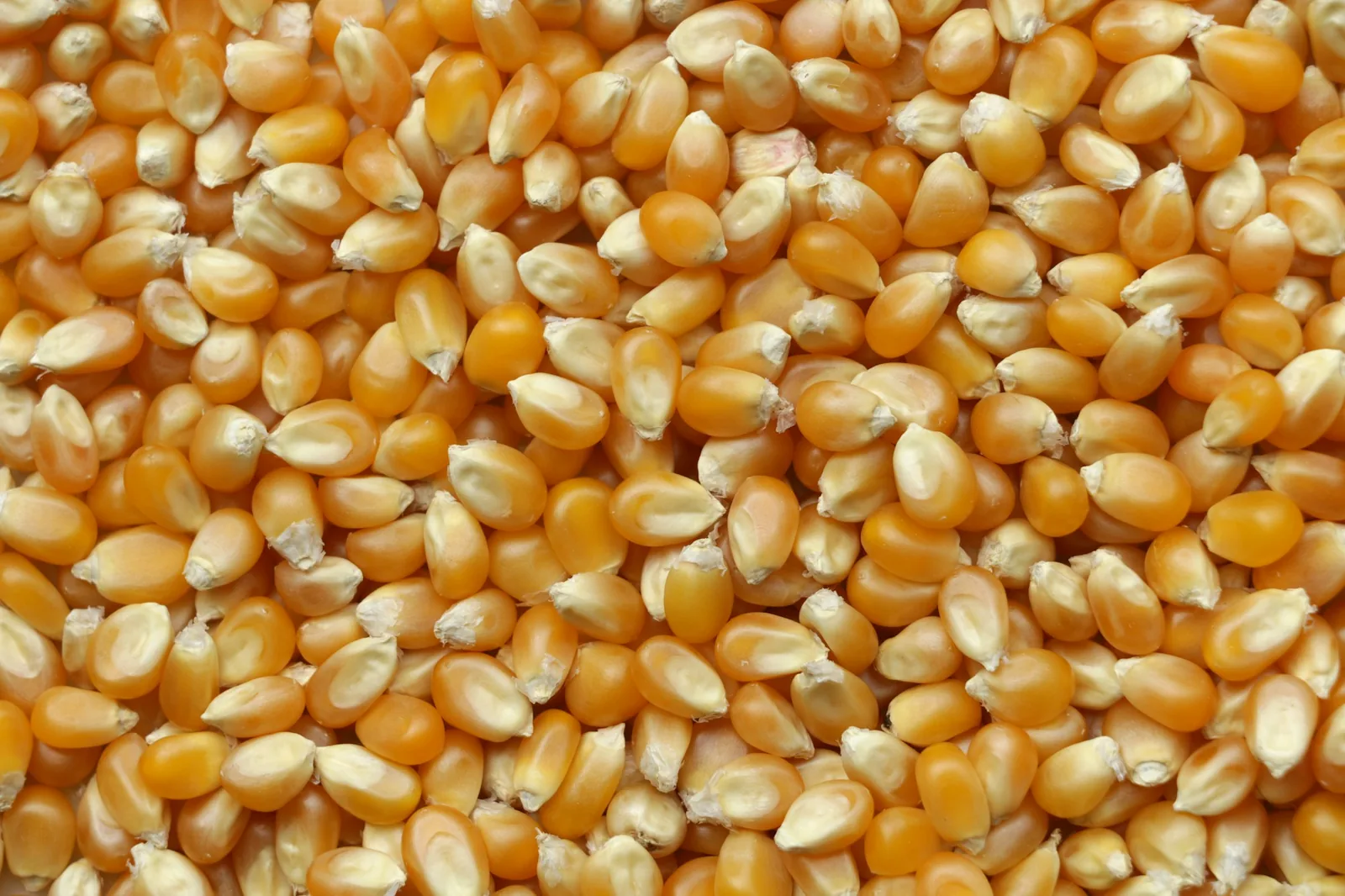
The maize traditionally used for pozole is cacahuacintle, a landrace with unusually large, soft, floury kernels — one of the 59 Mexican maize landraces recorded by CIMMYT, whose work we cite in the masa family guide. It is grown for this dish specifically.
Rojo, verde, blanco
| Pozole blanco | Pozole rojo | Pozole verde | |
|---|---|---|---|
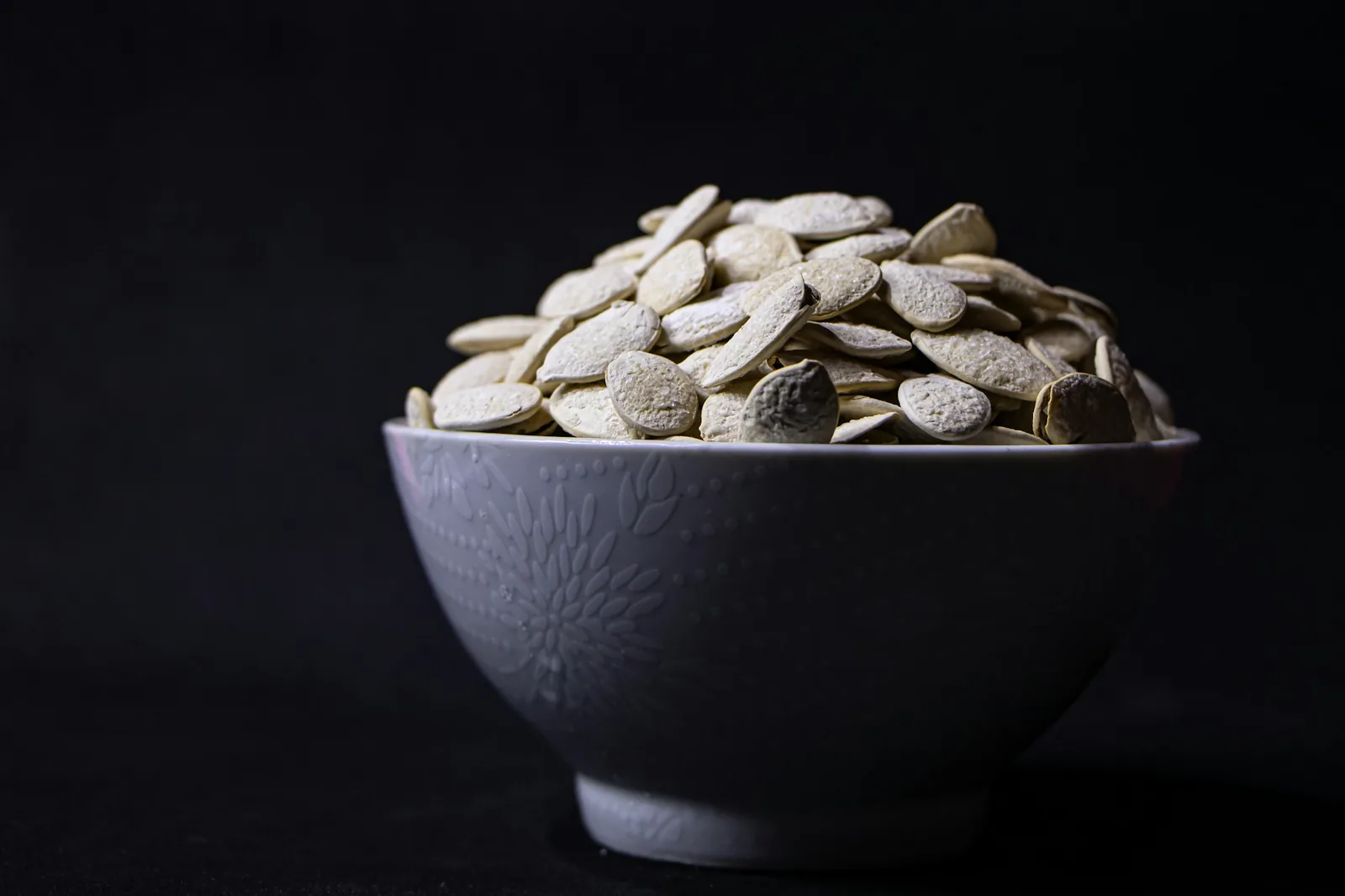
| The broth | Plain, undyed | Dried red chillies | Tomatillos, pumpkin seeds, herbs |
| Region | Everywhere | Jalisco and the north | Guerrero |
| Tastes | Clean, meaty, mild | Deep and earthy | Bright, tart, herbal |
| Usually with | Pork | Pork | Chicken or pork |
Blanco is the base; the other two are it plus a sauce. If you cannot decide, rojo is the most widely served and the most forgiving.
The garnishes are not optional
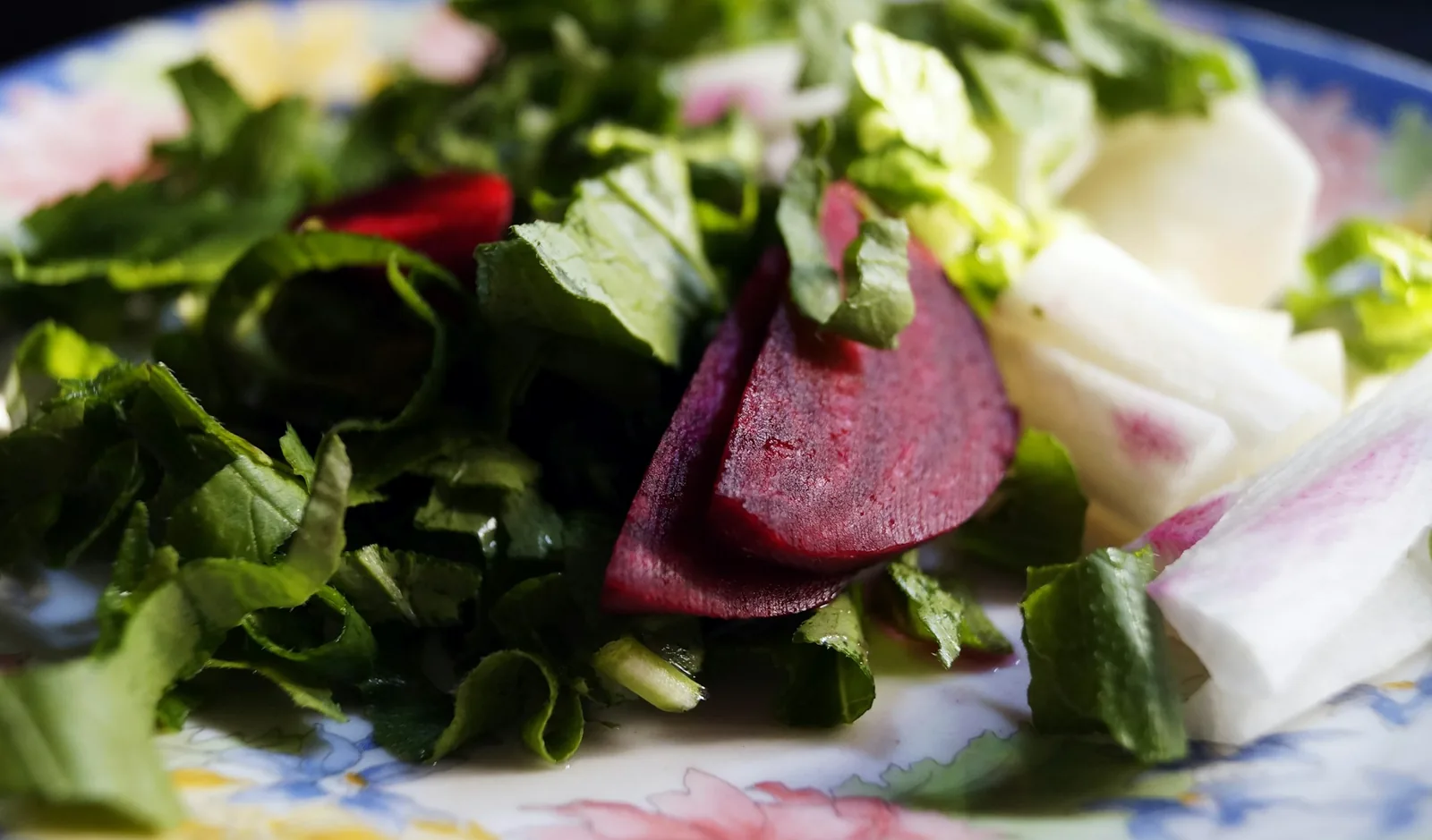
The broth is deliberately restrained because everything sharp and crunchy is added by the person eating it. A standard garnish plate carries:
- Shredded cabbage or lettuce — crunch against the soft hominy.
- Sliced radish — peppery and cold.
- Diced white onion — sharpness.
- Dried oregano — crumbled between the fingers over the bowl.
- Lime — a lot of it.
- Ground chilli — for heat, added to taste.
- Tostadas or tortillas — alongside.
Add them a little at a time rather than all at once. The same reasoning applies as with street taco toppings: each one is doing a specific job, and the bowl changes as you go.
At home and in a restaurant
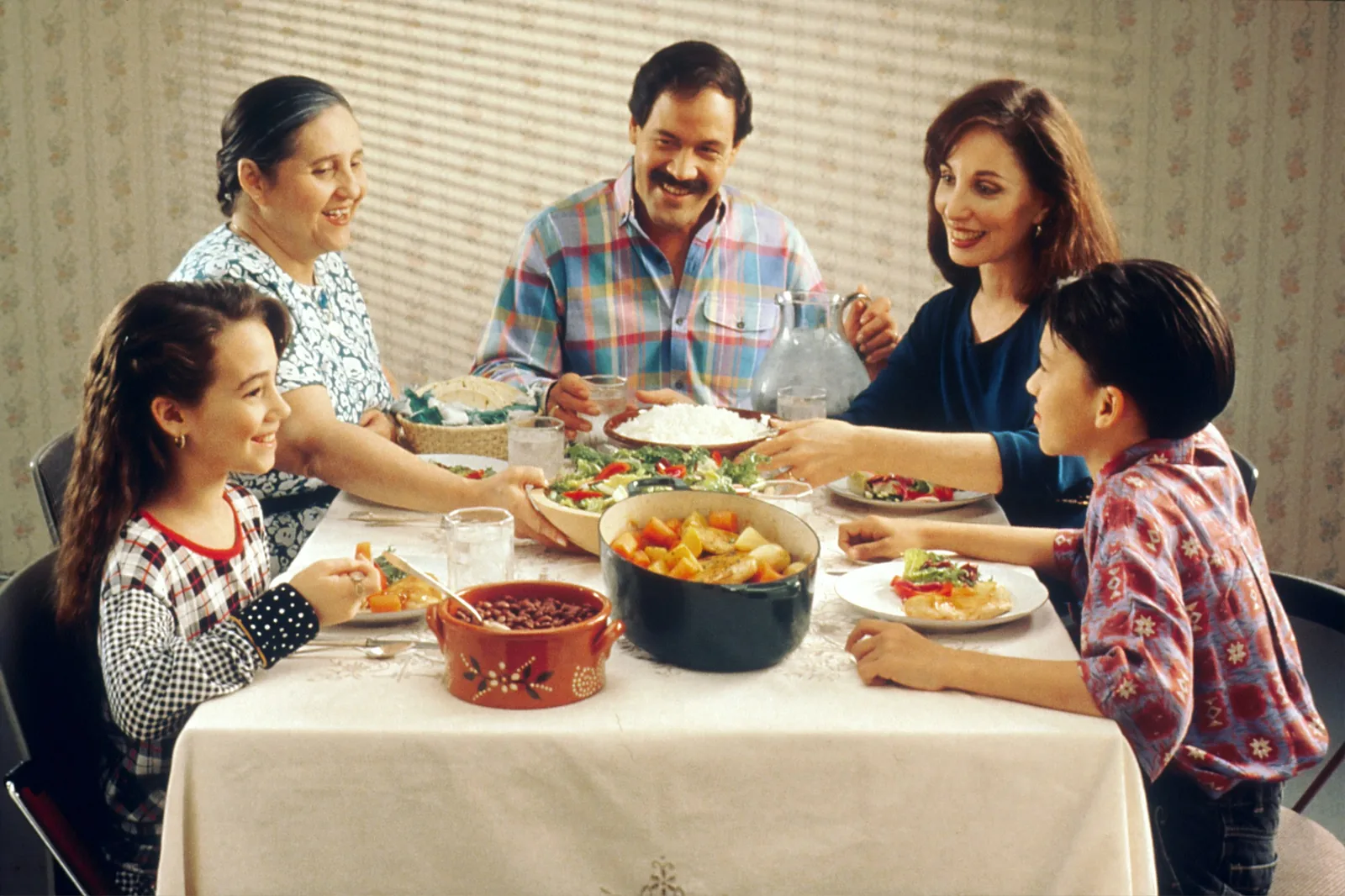
Pozole is one of the dishes where the restaurant version and the home version differ mostly in scale rather than in method. Both start with a very large pot, both take hours, and both are dressed at the table.
What a restaurant adds is the garnish plate arriving properly stocked — cabbage shredded fine, radishes sliced thin, oregano dry enough to crumble, limes cut generously. A place that brings a mean garnish plate has misunderstood the dish, because that plate is half of it. It is a reasonable thing to judge a kitchen on.
When it is eaten
Weekends, holidays, and gatherings. Pozole takes hours and is made in volume, so it is a dish that assumes a crowd — Mexican Independence Day in September is strongly associated with it. Many restaurants serve it Thursday to Sunday only.
It is also, like menudo, a soup with a reputation as next-morning food. The two are cousins: both are long-simmered, both are built on hominy, and both are dressed at the table the same way.
A note on Doc’s
Pozole was not on Doc’s board. A hominy stew is a several-hour, large-batch proposition, which is the same constraint that kept birria on the seasonal list rather than the core menu at a shop that size.
Doc’s Taco Shop did not serve this. The shop was a small weekend taqueria — street tacos, quesadillas and a short board of house items — and it closed permanently on 19 July 2025. This article covers the wider cuisine rather than the shop. You can read the full menu as Doc’s published it or read how the shop came about.
Frequently asked questions
What is hominy?
Dried maize kernels simmered in an alkaline solution of lime or ash, then steeped and rinsed. Ground finely it becomes masa for tortillas; left whole it is hominy.
Is pozole a soup or a stew?
Somewhere between. It is brothy enough to eat with a spoon but substantial enough to be a full meal, and it is usually described as a stew.
What is the difference between pozole rojo and verde?
The sauce added to the base. Rojo uses dried red chillies and is deep and earthy; verde uses tomatillos, pumpkin seeds and herbs and is brighter and more tart.
What is the difference between pozole and menudo?
The meat. Both are hominy soups dressed the same way at the table, but pozole uses pork or chicken and menudo uses tripe.
Is pozole spicy?
The broth usually is not especially. Heat is added at the table with ground chilli, so you control it.
The short version
Hominy and meat, simmered for hours, finished by you at the table with cabbage, radish, onion, oregano and lime. The hominy is nixtamalised maize left whole instead of ground — the same corn as the tortillas, in a different form.