
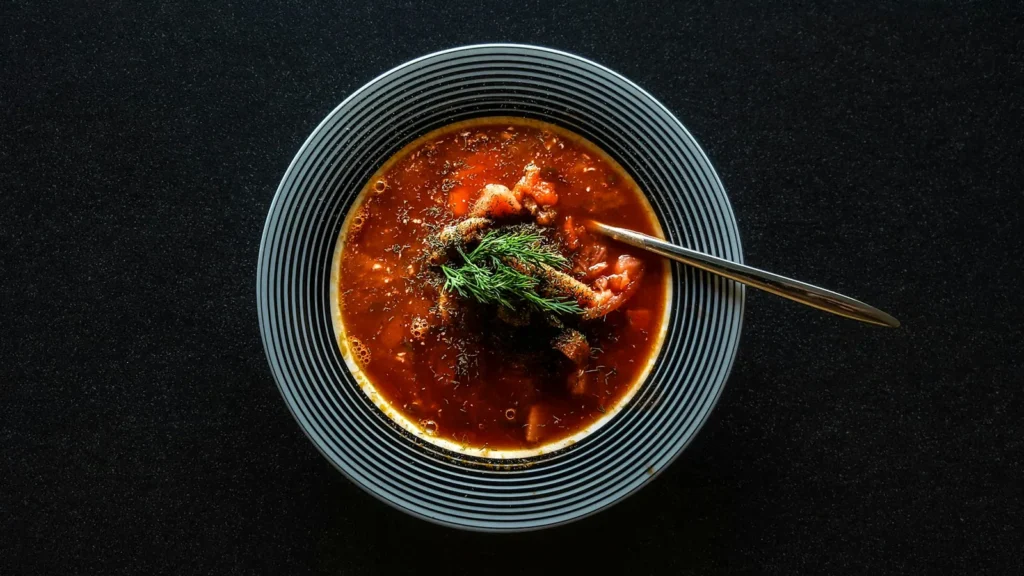
Menudo is beef tripe and hominy simmered for hours in a red chilli broth, then dressed at the table with onion, oregano and lime. It is weekend food, it is made in large quantities, and it has a long-standing reputation as the morning-after cure.
It is the same shape of dish as pozole — hominy, long broth, garnish plate — with tripe instead of pork. If you know one, you know most of the other.
What is in it
| Component | What it is | Doing |
|---|---|---|
| Tripe | The lining of the cow’s stomach, cleaned and cut | Texture — soft with a gentle chew |
| Hominy | Nixtamalised whole maize kernels | Body, and a soft sweetness against the chilli |
| Red chilli broth | Dried chillies, garlic, oregano, sometimes cumin | The flavour base |
| Trotter or bone | Often added | Collagen, which thickens the broth |
| Garnish | Onion, oregano, lime, chilli flakes | Added by you, at the table |
The hominy is the same ingredient as in pozole and the same maize behind every tortilla on the menu — simmered with lime, then left whole rather than ground. We go into that in the pozole guide.
The tripe question
This is what stops most people, so it is worth being direct. Tripe is stomach lining. It is thoroughly cleaned before sale and again before cooking, and it is then simmered for a very long time — four hours is not unusual — until it is soft.
The texture is the real variable, not the flavour. Well-cooked tripe is tender with a slight springiness, and it carries the broth rather than tasting strongly of itself. Undercooked, it is rubbery, which is where the bad reputation comes from. If you have eaten and enjoyed lengua or tripa tacos, this is familiar territory.
The related dish pancita or mondongo is essentially the same thing under a different regional name.
About the hangover claim
Menudo’s reputation as a cruda cure is genuine, widespread and culturally real — it is why so many places sell it only on Saturday and Sunday mornings, and NPR has covered the dish and the tradition around it.
What is fair to say about the mechanism: it is hot, salty, hydrating, high in protein and collagen, and eaten slowly in company. Those things genuinely help someone feel better. What is not fair to say is that it cures anything. No food speeds up alcohol metabolism or reverses dehydration faster than water and time do.
Treat it as good food that is comforting when you feel rough, which is a real and sufficient claim, rather than as medicine.
Rojo, blanco, and the regional names
| Name | Where | What is different |
|---|---|---|
| Menudo rojo | Northern Mexico, the US border | Red chilli broth, with hominy. The standard version |
| Menudo blanco | Sonora and parts of the north | No chilli in the broth; heat added at the table |
| Pancita | Central Mexico | The same dish under a different name |
| Mondongo | Parts of Latin America | A relative, often with vegetables and no hominy |
The hominy is not universal either. It is standard in northern Mexico and across the US border region, and often absent further south, which is one reason recipes disagree so sharply about whether menudo contains corn at all.
How to eat it
- Taste the broth before adding anything. It is already seasoned.
- Crumble dried oregano between your fingers over the bowl — this releases far more aroma than sprinkling it.
- Add onion and lime generously; chilli flakes cautiously.
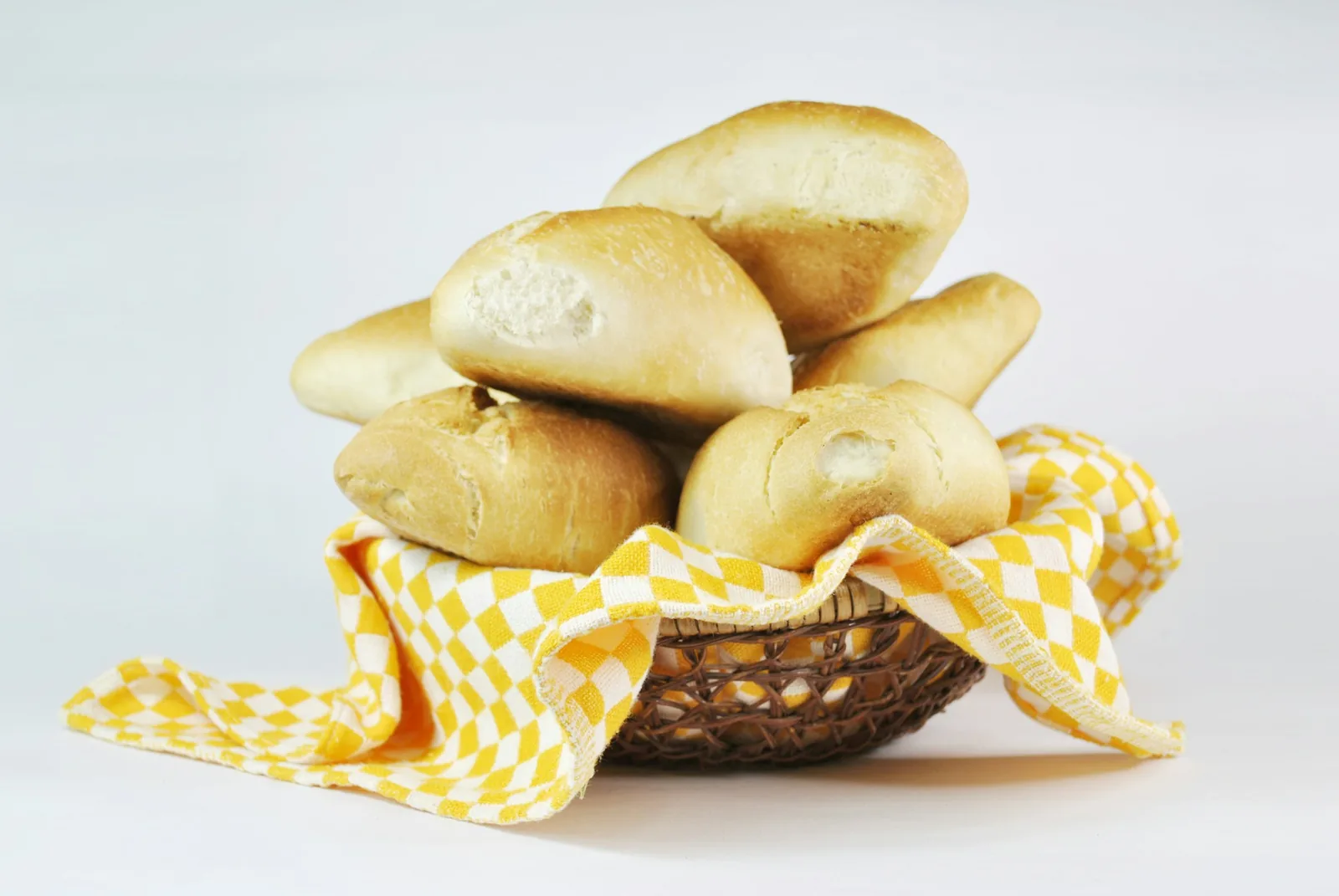
- Eat it with the bread or tortillas served alongside. In northern Mexico a crusty roll is standard; elsewhere, corn tortillas.
- Take your time. It is not a quick meal and it is not meant to be.
A note on Doc’s
Menudo was not on Doc’s board. A four-hour tripe soup made in volume for weekend mornings is a different operation from a weekend evening taco counter, and the shop’s long-cooked item was birria, run seasonally.
Doc’s Taco Shop did not serve this. The shop was a small weekend taqueria — street tacos, quesadillas and a short board of house items — and it closed permanently on 19 July 2025. This article covers the wider cuisine rather than the shop. You can read the full menu as Doc’s published it or read how the shop came about.
Frequently asked questions
What is menudo made of?
Beef tripe and hominy simmered in a red chilli broth, usually with garlic and oregano and often a trotter for body. It is garnished at the table with onion, oregano, lime and chilli.
What is the difference between menudo and pozole?
The meat. Both are hominy soups with the same garnish plate, but menudo uses tripe and pozole uses pork or chicken.
Does menudo cure a hangover?
No food does. It is hot, salty, hydrating and high in protein, which genuinely helps you feel better, but nothing speeds alcohol metabolism. The tradition is real; the cure is not.
What does tripe taste like?
Mild. Well-cooked tripe is tender with a slight spring and mostly carries the flavour of the broth. Rubbery tripe is undercooked tripe.
Why is menudo only sold at weekends?
It takes several hours and is made in large batches, so it is prepared for weekend mornings when there is demand for a whole pot.
The short version
Tripe and hominy in red chilli broth, cooked long and finished at the table. The tripe is mild and the texture is the thing to judge. Order it on a Sunday morning, take your time, and enjoy it as food rather than as medicine.