Corn contains no gluten, so a tortilla made only from corn, water and lime is gluten free. But a corn tortilla is not automatically safe — some are blended with wheat, and in a restaurant the bigger risk is usually the shared fryer rather than the tortilla itself.
This article is general information, not medical advice. If you have coeliac disease or a diagnosed wheat allergy, your clinician’s guidance and the restaurant’s own answers should decide what you eat — not a web page.
Why corn itself is fine
Gluten is a protein found in wheat, barley and rye. The National Institute of Diabetes and Digestive and Kidney Diseases describes coeliac disease as a chronic digestive and immune disorder, triggered by eating gluten, that damages the small intestine, and the only treatment is a lifelong gluten-free diet. Corn is not on the list of gluten-containing grains, and neither is the lime used to nixtamalise it.
A traditional corn tortilla has three ingredients: nixtamalised corn, water and a trace of lime from the cooking. Nothing there contains gluten. If you want the detail on how that dough is made, we cover it in corn versus flour tortillas.
Where the gluten sneaks in anyway
Three routes, in rough order of how often they catch people out.
| Route | What happens | How to catch it |
|---|---|---|
| Blended tortillas | Some commercial ‘corn’ tortillas add wheat flour for pliability | Read the ingredients, not the front of the pack |
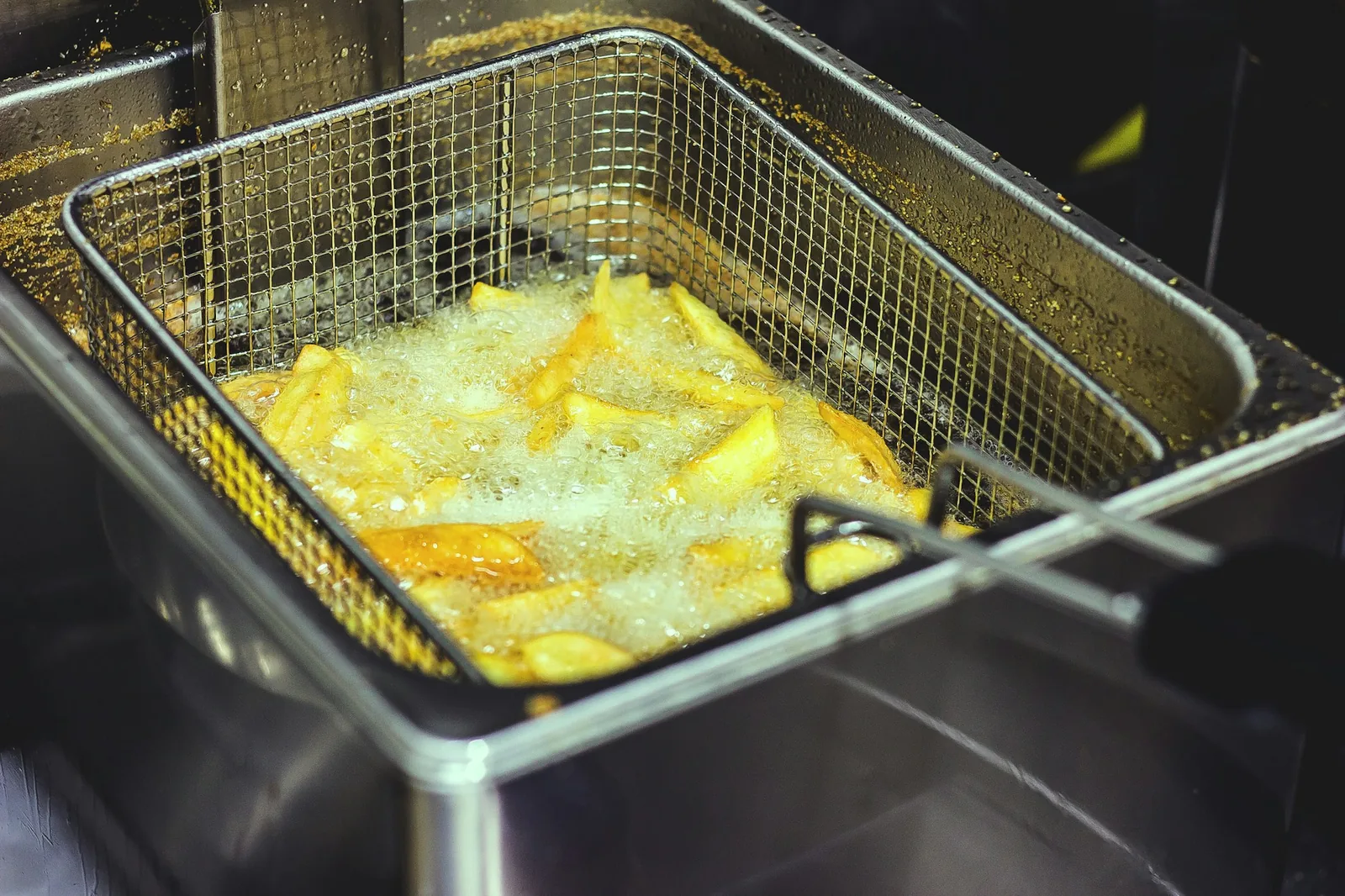
| Shared fryer | Corn chips fried in oil that also fried flour tortillas or breaded items | Ask what else goes in that fryer |
| Shared surfaces | The same griddle, tongs or prep board used for flour tortillas | Ask how they handle it; a good kitchen will know |
The blended-tortilla case surprises people most. A tortilla can be sold as a corn tortilla, look like a corn tortilla and still contain wheat flour, because the wheat improves its flexibility and shelf life. There is no way to tell by looking.

What the gluten-free label actually promises
In the United States, “gluten free” on a package is a regulated claim, not a marketing phrase. To carry it, a food must contain less than 20 parts per million of gluten — the threshold set by the FDA’s labelling rule, and the level generally accepted as tolerable for people with coeliac disease.
Third-party certification schemes go further and test to stricter limits. For most people the FDA claim is sufficient; for the highly sensitive, a certification mark adds a layer of testing.
Two practical notes. A product with no claim is not necessarily unsafe — it simply has not been tested or labelled. And restaurant food is not packaged food, so no labelling rule applies to the plate in front of you at all.
Ordering at a taqueria
A taqueria is, structurally, one of the better places to eat gluten free: corn is the default rather than the exception. The risk is concentrated in a few specific places, so the questions are short.
- Ask whether the corn tortillas are 100% corn or blended with wheat. Kitchens that buy blended tortillas usually know.
- Ask what else goes through the fryer, if you are ordering anything fried — chips, tostadas, chalupas, taquitos.
- Say coeliac rather than ‘gluten free’ if that is your situation. It is understood as a medical constraint rather than a preference, and it changes how carefully the answer is given.
- Skip anything breaded, and check marinades and sauces — soy sauce and some seasoning blends contain wheat.
Grilled meats with corn tortillas, onion, cilantro and lime is about as low-risk as restaurant food gets. That is also, as it happens, exactly what a street taco is.

The rest of the plate
Tortillas get the attention, but a taco plate has other components and some of them are likelier problems.
| Item | Usually safe? | Watch for |
|---|---|---|
| Grilled or griddled meat | Usually | Marinades and seasoning blends; soy sauce contains wheat |
| Beans | Usually | Rarely thickened; ask if it looks unusual |
| Rice | Usually | Some restaurant rice mixes contain wheat |
| Salsa, onion, cilantro, lime | Yes | Nothing |
| Chips and tostadas | Depends entirely | The shared fryer — the most common single risk |
| Anything breaded or crumbed | No | Milanesa, chiles rellenos in batter, taquitos in some kitchens |
Note the pattern: the plainest items are the safest ones. A plate of grilled meat with corn tortillas and fresh garnishes has very few places for wheat to hide, and the standard garnishes — onion, cilantro, lime, cabbage — contain none at all.
What this means at a place like Doc’s
Doc’s 2023 board splits cleanly along the corn/wheat line, which makes it a useful worked example. Street tacos, the suegrita and the chalupa were built on corn. The Gringo, the quesadillas, the burrito and the torta were built on wheat — flour tortillas and a bolillo roll.
That split is visible on the archived menu, and we walk through it in our corn and flour comparison. What the board could not tell anyone is the part that actually mattered: whether the corn tortillas were blended, and what shared the fryer. Those were always questions for the counter.
Doc’s Taco Shop closed permanently on 19 July 2025 after five years in business. The menu details above are transcribed from the restaurant’s own published menu board and are recorded here as history. You can still read the full menu as Doc’s published it or read how the shop came about.
Frequently asked questions
Are corn tortillas gluten free?
Corn contains no gluten, so tortillas made only from corn, water and lime are gluten free. Check the ingredients though — some commercial corn tortillas are blended with wheat flour.
Are tacos gluten free?
A taco on a 100% corn tortilla with grilled meat and fresh toppings usually is. Risks come from blended tortillas, shared fryers, breaded fillings and wheat-containing sauces or marinades.
What does the ‘gluten free’ label mean?
In the United States it is a regulated claim meaning the food contains less than 20 parts per million of gluten. It is not a marketing phrase, and it does not apply to unpackaged restaurant food.
Is masa harina gluten free?
Plain masa harina is nixtamalised corn flour and contains no gluten. As with tortillas, check that nothing has been blended in and look for a gluten-free claim if you are highly sensitive.
Are flour tortillas ever gluten free?
Standard flour tortillas are made from wheat and are not. Some brands make gluten-free ‘flour-style’ tortillas from alternative flours; those will say so explicitly on the pack.
The short version
Corn is gluten free. A corn tortilla usually is, but not always — blended tortillas exist, and in a restaurant the fryer and the shared griddle matter more than the tortilla does. Read the ingredients on a pack, ask two short questions at a counter, and say the word coeliac if it applies to you.