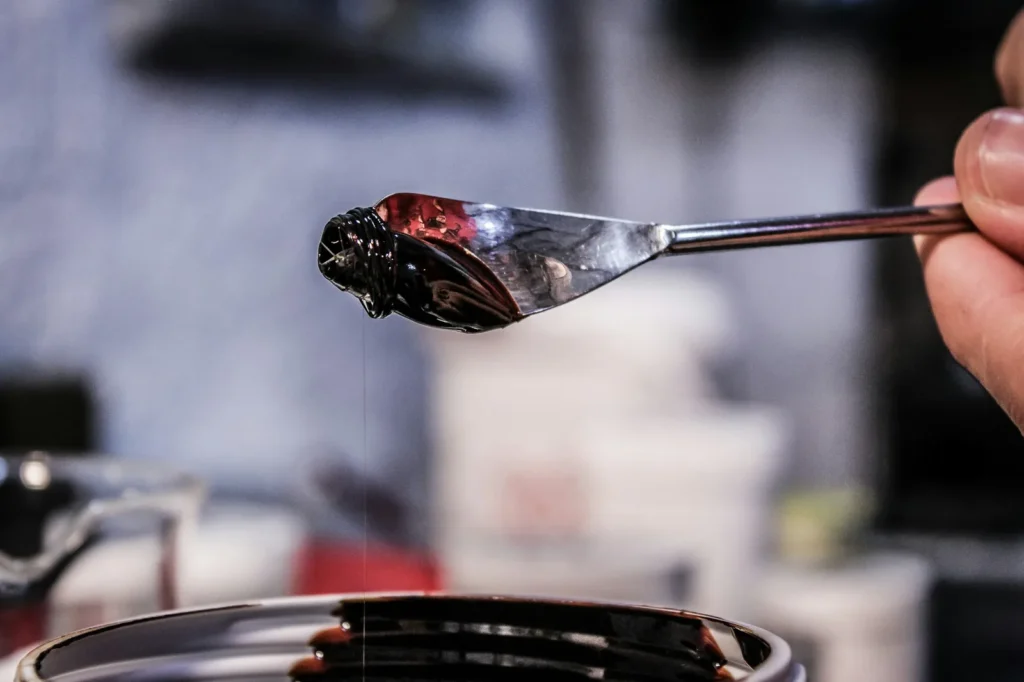
The thing to know is that mole and pipián — two of the most celebrated sauces in Mexican cooking — are thickened with nuts and seeds. Almonds, peanuts and sesame are common in mole; pumpkin seeds are the base of pipián. Neither is described that way on a menu.
This article sets out where the risk sits and what to ask. It cannot tell you that any dish is safe, and it does not try to.
This is general information, not medical advice, and not an assurance about any restaurant or dish. Cross-contact in a working kitchen cannot be ruled out by reading a menu or a web page. If you have a diagnosed food allergy, your allergist’s guidance and the restaurant’s own answers are what decide — and carry whatever medication you have been prescribed.
Where nuts and seeds actually are
| Dish | What is in it | Risk |
|---|---|---|
| Mole poblano | Almonds, peanuts, sesame; raisins | High |
| Mole negro and the Oaxacan moles | Sesame, almonds, seeds, varies by recipe | High |
| Pipián / mole verde | Pumpkin seeds as the thickener | High |
| Encacahuatado | Peanuts — the name says so | High |
| Chiles en nogada | Walnut cream sauce | High |
| Chile relleno with picadillo | Almonds in the filling | Moderate |
| Horchata (some versions) | Almonds in certain recipes | Low but real |
| Salsa macha | Peanuts and sesame, often | High |
Our own mole article lists nuts and seeds among the thickeners without flagging this, which is the gap that prompted this piece. Sesame in particular is easy to miss: it is toasted and ground into the sauce, so it is neither visible nor separable.
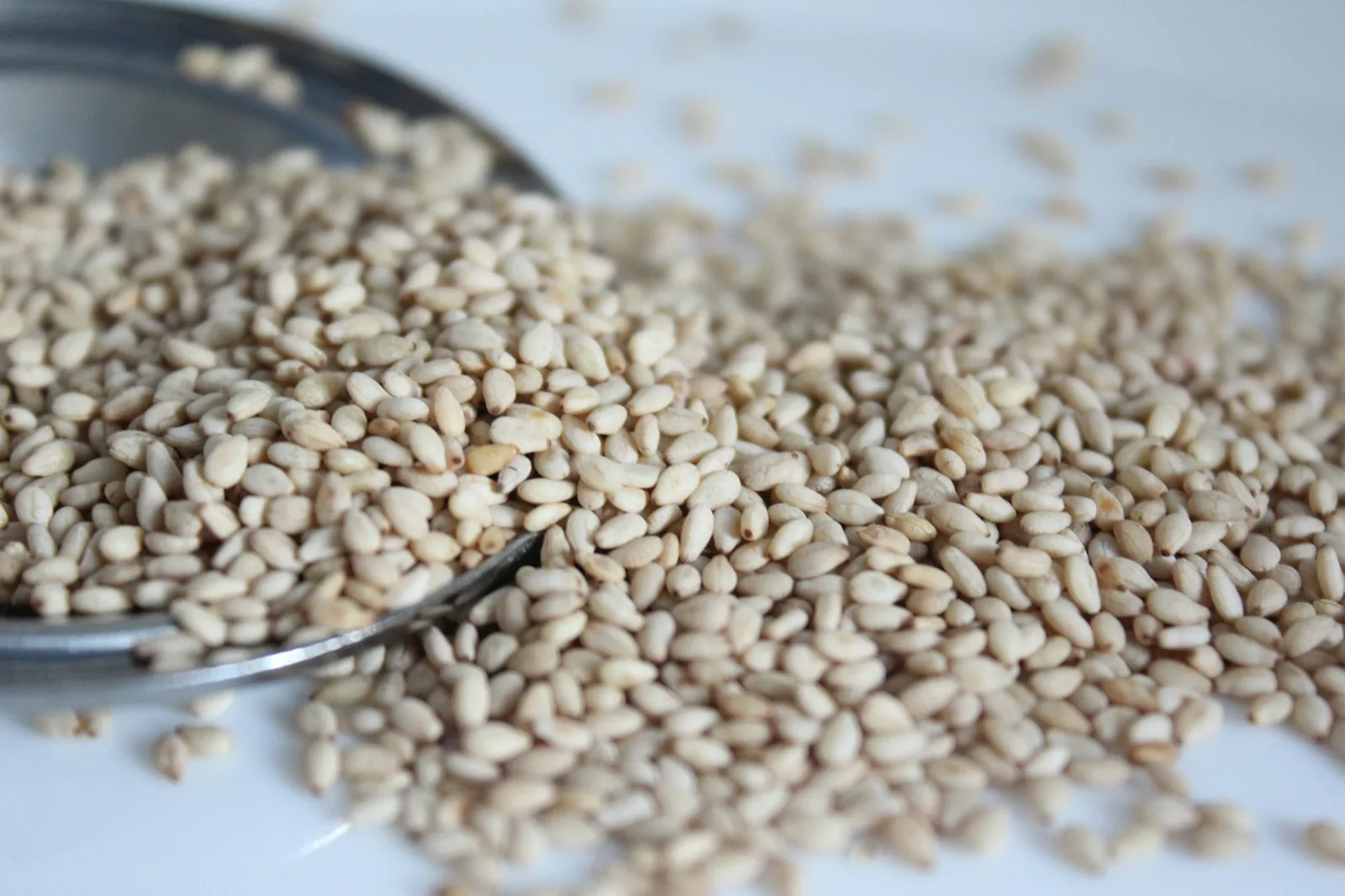
Sesame is now a labelled major allergen
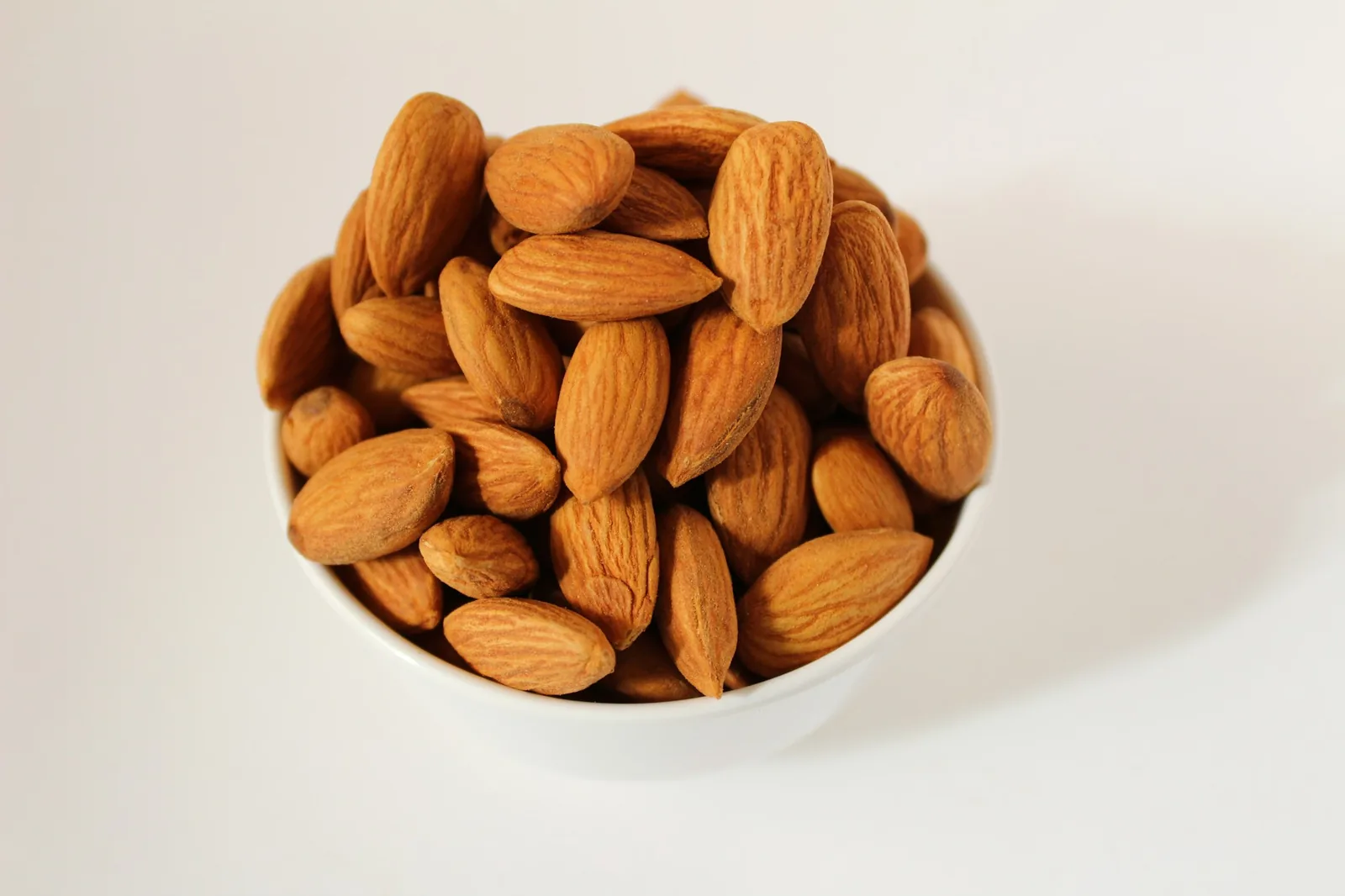
This changed recently and matters here, because sesame is common in mole and salsa macha. Food Allergy Research & Education records sesame as the ninth most common food allergy in the United States, affecting roughly 0.23% of the population, and notes that the FASTER Act of 2021 added sesame to mandatory allergen labelling from 1 January 2023.
Two limits on that, both from FARE’s own guidance. Products made before 2023 may still carry unlabelled sesame while old stock remains. And packaged-food labelling law does not govern a restaurant kitchen at all — there is no label on a plate of enmoladas.
What is generally simplest
Not “safe” — simplest, in the sense of having the fewest components and the shortest ingredient list. Fewer ingredients means fewer things to ask about.
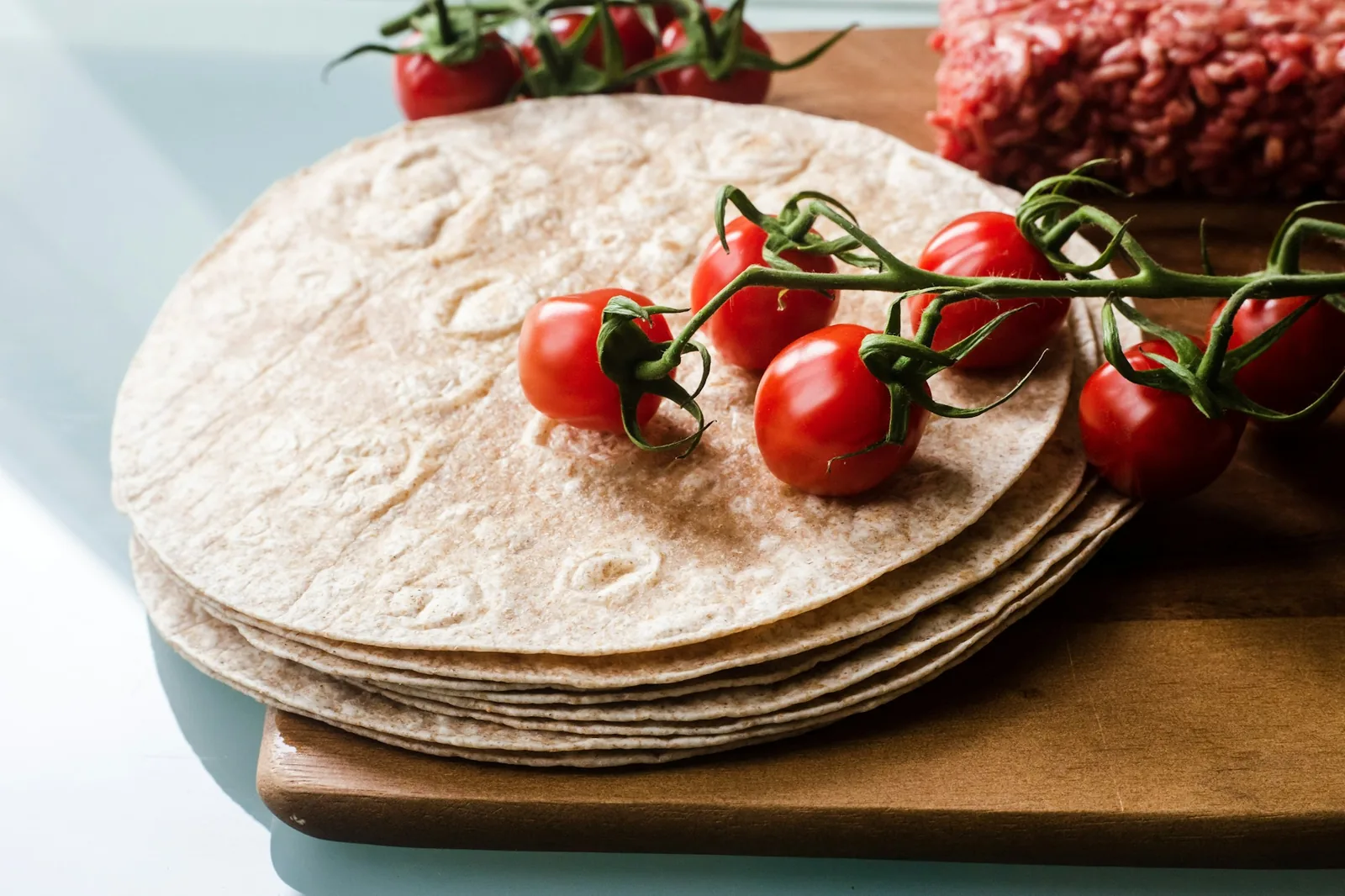
- Street tacos — corn tortilla, one grilled meat, onion, cilantro, lime. About as short a list as restaurant food gets.
- Plainly grilled meats — carne asada, bistek, carnitas, which are seasoned simply.
- Beans, rice, plain corn tortillas.
- Fresh salsas — tomato or tomatillo based. But ask, because salsa macha contains peanuts and sesame and looks like an ordinary red salsa.
And the things to treat as high-risk by default: anything described as mole, enmoladas, pipián, nogada, or a salsa you cannot identify.
Cross-contact, honestly
A taqueria kitchen is small, busy and shared. The same board, tongs, griddle and oil serve everything on the menu. If mole is on that menu, sesame and nuts are being ground, stirred and wiped in that kitchen, and no assurance from the front of house can fully account for that.
That is not a reason to avoid Mexican restaurants. It is a reason to ask specific questions, to weigh the answers against how severe your reaction is, and to make that judgement with your allergist rather than from an article. A kitchen that answers “I am not certain” is being more useful to you than one that answers “it’s fine” quickly.

What to ask
- Name the allergen rather than asking about “nuts”. Peanuts, tree nuts, sesame and pumpkin seeds are different things and kitchens treat them differently.
- Ask whether any mole, pipián or salsa macha is made on the premises. If so, ask where.
- Ask what the salsas are made from — specifically whether any contain peanuts or sesame.
- Ask about the frying oil if you are ordering anything fried.
- Say it is an allergy, not a preference. It changes how carefully the answer is given.
Spanish: Soy alérgico / alérgica a… — I am allergic to… cacahuates (peanuts), nueces (tree nuts), ajonjolí or sésamo (sesame), pepitas (pumpkin seeds). ¿Tiene ajonjolí? — does it contain sesame?
What Doc’s board suggests
Doc’s 2023 board carried no mole, no pipián and no nogada, and nothing on it listed nuts or seeds as an ingredient. Its sauces were Valentina and Tajín, and its dishes were built from meat, tortillas, cabbage, cheese, avocado and crema.
That is a simple board, and simple boards are easier to ask about — which is the only general point worth drawing from it. It says nothing about how the kitchen was run, and we have no basis to comment on that.
Doc’s Taco Shop closed permanently on 19 July 2025. Its 2023 menu board is preserved here as a historical record, and the notes above are read from it rather than from any current information. You can read the full menu as Doc’s published it or look through the photo gallery.
Frequently asked questions
Does mole contain nuts?
Usually. Almonds and peanuts are common thickeners in mole poblano, and sesame is very common across the Oaxacan moles. Treat any mole as high-risk unless the kitchen tells you otherwise.
Is there sesame in Mexican food?
Yes, commonly — toasted and ground into moles and into salsa macha. It is not visible or separable once ground. Sesame became a labelled major US allergen on 1 January 2023 under the FASTER Act, but that labelling law does not apply to restaurant food.
What is pipián?
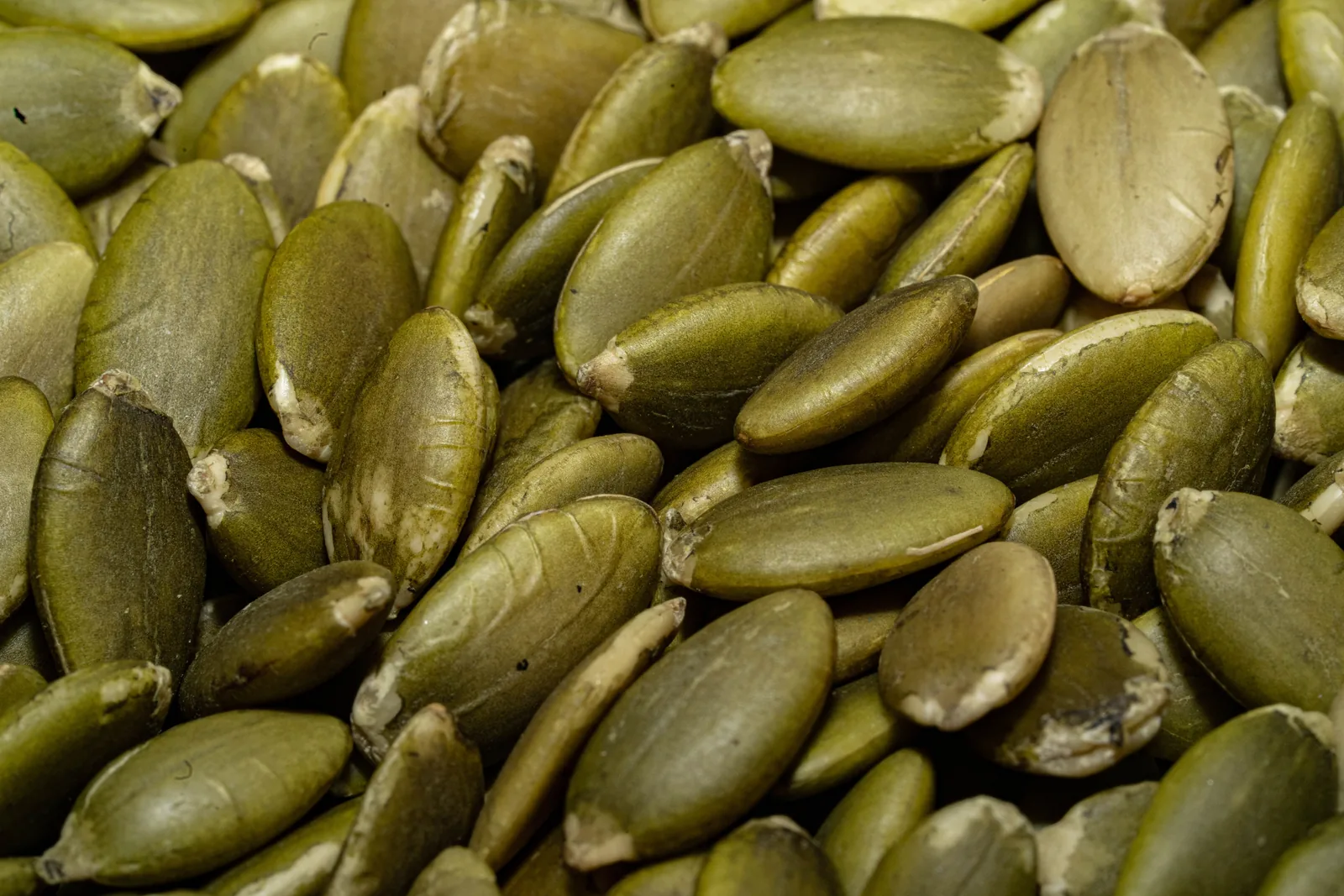
A sauce thickened with pumpkin seeds, sometimes called mole verde. If pumpkin seeds are a problem for you, this is the dish to know about.
What is safest to order with a nut allergy?
No article can tell you what is safe. What has the fewest components is a plain street taco — corn tortilla, grilled meat, onion, cilantro, lime. Ask about the salsas, and ask whether mole is made on site.
Is salsa macha a risk?
Yes. It commonly contains peanuts and sesame, and it looks like an ordinary chilli-oil salsa. Ask what any unfamiliar salsa is made from.
The short version
Mole, pipián, nogada and salsa macha are where nuts and seeds live, and none of them says so on a menu. Name your specific allergen, ask whether those sauces are made on the premises, and make the call with your allergist — nothing here is an assurance that any dish is safe.