
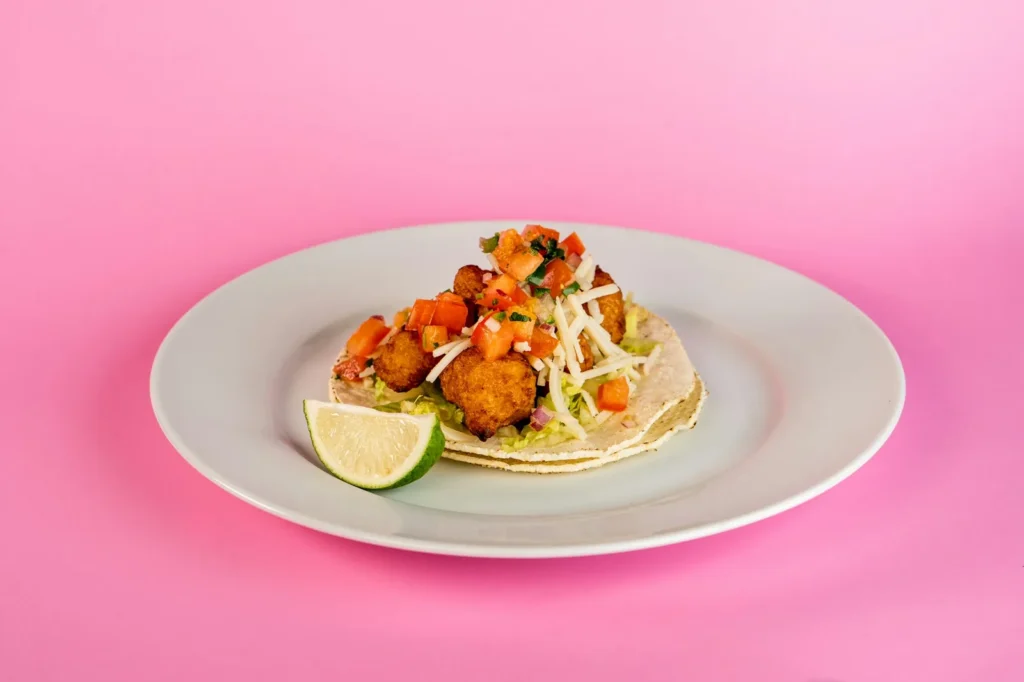
Baja California gave the world the battered fish taco, and it probably did so with Japanese help. The format — beer-battered white fish, corn tortilla, shredded cabbage, a pale creamy sauce, lime — comes from Ensenada, and it is now one of the most widely eaten tacos in the United States.
This blog has forty-eight posts about tacos and, until now, no fish taco. That is a strange gap and this closes it.
Where it came from
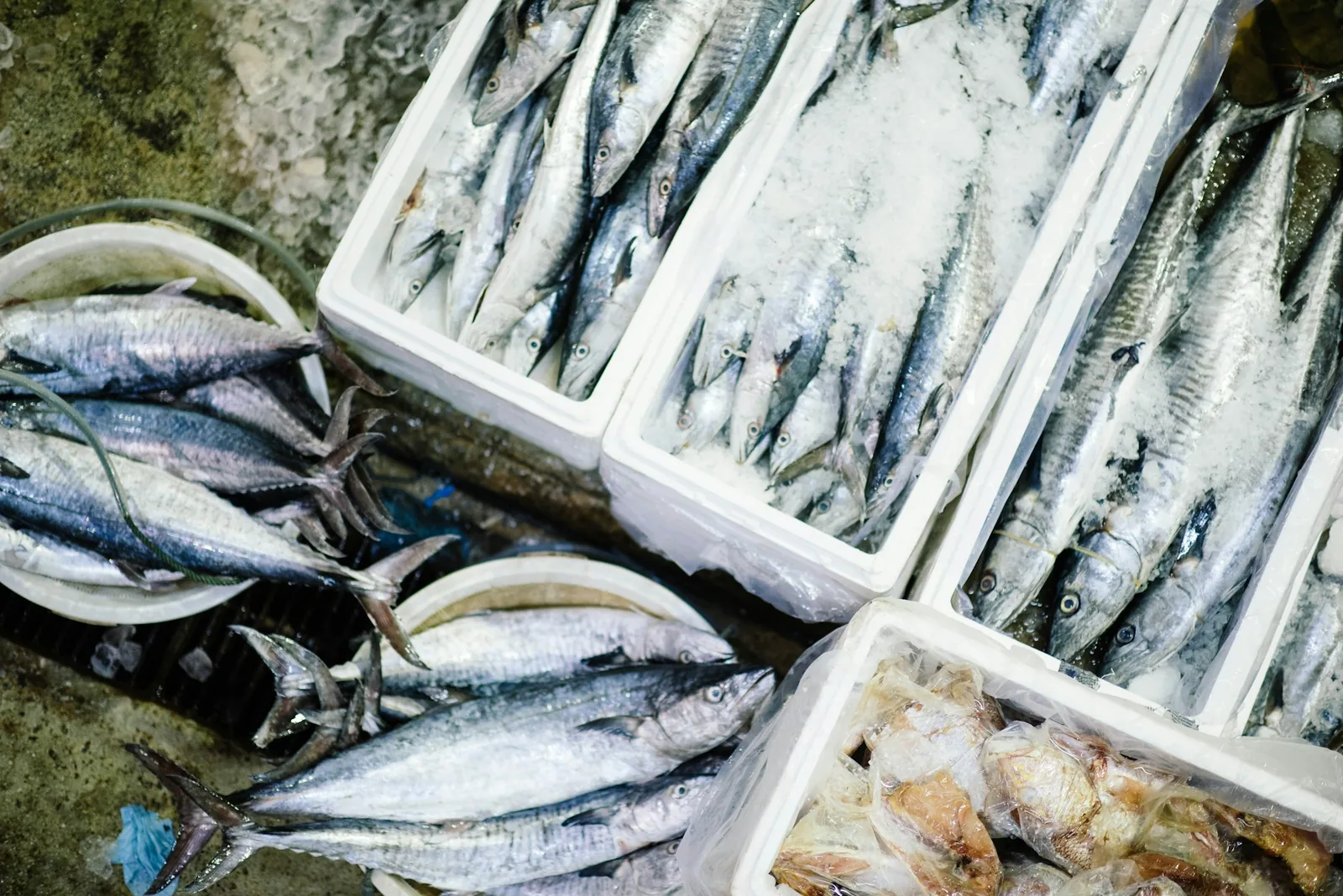
The consensus places the origin around the Mercado Negro, Ensenada’s fish market, in the first half of the twentieth century. Fishermen wanted a fast way to eat the catch, and grilled fish in a tortilla came first.
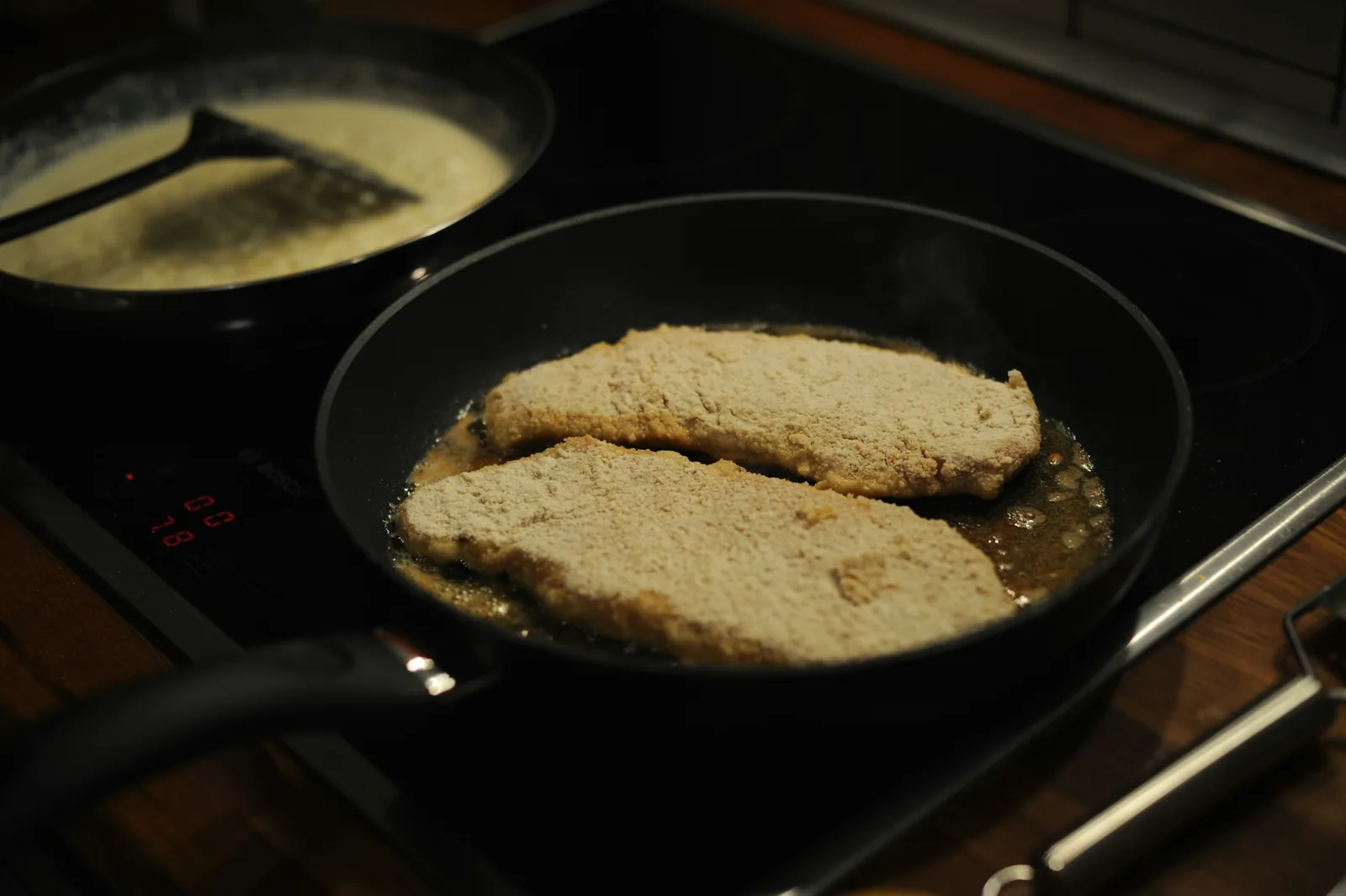
The interesting part is the batter. Japanese immigrants settled in Baja California from the early 1900s, bringing tempura — a light-batter deep-frying technique with no Mexican precedent. Discover Baja’s account of the fish taco sets out the case that the modern battered version is a fusion of that technique with Mexican street food, somewhere between the 1930s and 1950s.
It is a plausible and widely repeated account rather than a documented one, and we are flagging it as such. What is not in dispute is that battered deep-fried fish is not a traditional Mexican technique and that it appeared in a place with a significant Japanese community.
The anatomy of a Baja fish taco
| Component | Traditionally | Doing |
|---|---|---|
| The fish | White, firm — often cod, halibut or shark | Holds together in batter |
| The batter | Beer batter, light | Crisp shell, steam inside |
| The tortilla | Corn, small, doubled | Structure — see our tortilla guide |
| The cabbage | Finely shredded, raw | Crunch and coolness |
| The sauce | Mayonnaise thinned with crema or lime | Fat against the fry |
| The finish | Lime, salsa, sometimes pickled onion | Acid |
Note what is absent: cheese, sour cream by the spoonful, lettuce, tomato. The Baja taco is restrained in the same way a street taco is, and the cabbage does the job cabbage does throughout this site — crunch that survives contact with something hot and wet, which our toppings guide covers.
The white sauce question
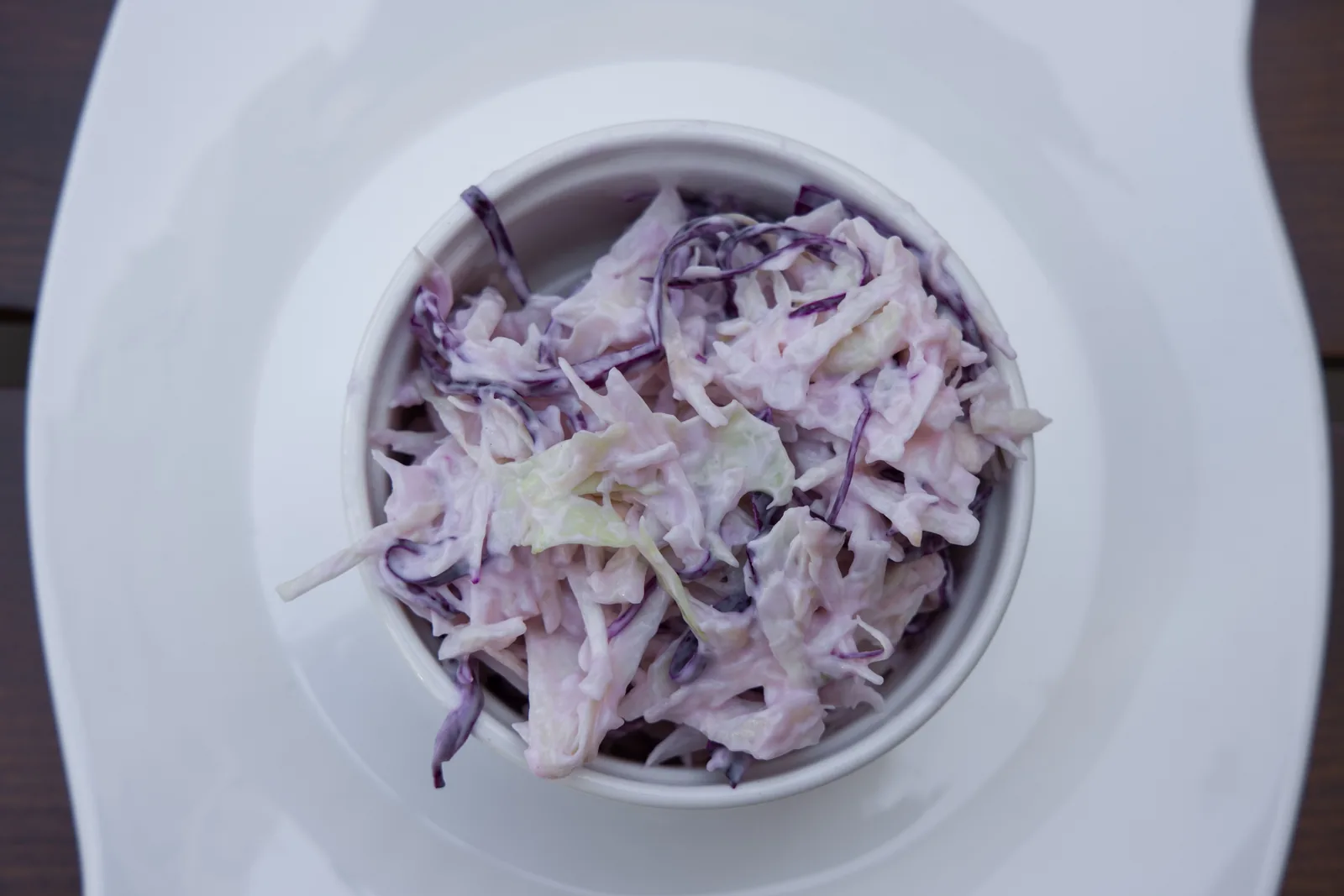
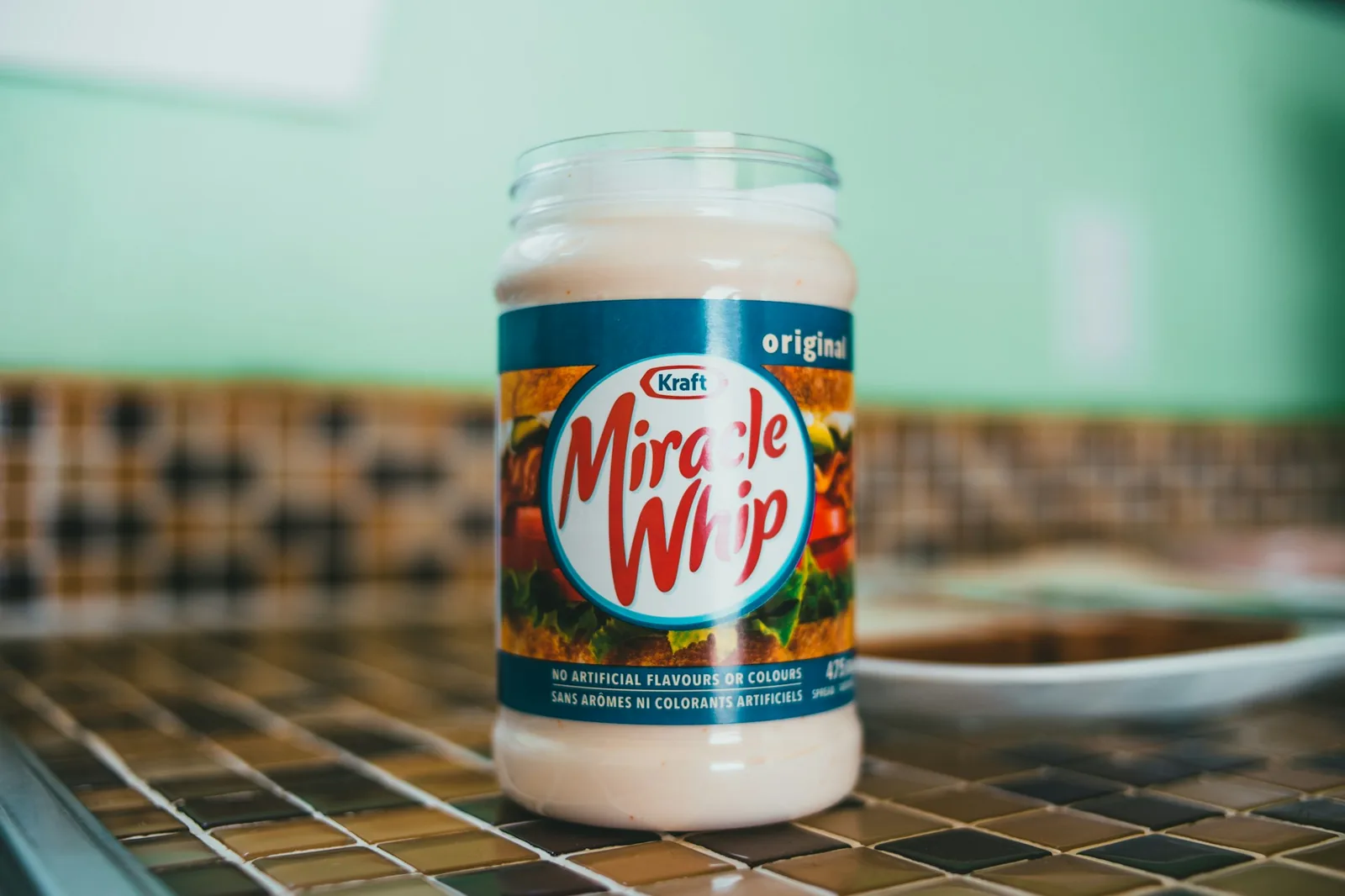
The pale sauce is the most argued-over part. In Ensenada it is usually mayonnaise loosened with lime juice or a little crema — thin enough to drizzle, tart, and not sweet.
American versions often build it up into something closer to a dressing, with dill, garlic powder or sugar. That is a legitimate development but it is a different thing, and it is usually what makes a US fish taco taste heavier than a Baja one.
Ordering one well
- Eat it immediately. Battered fish under a wet sauce has a window of roughly two minutes before the crisp is gone.
- Dress it yourself where the stand allows it. The cabbage, sauce and salsa bars exist so you control the ratio.
- Take two tortillas if they are offered. Battered fish is heavy and wet, which is precisely the case for doubling described in why tacos fall apart.
- Squeeze the lime last, over the whole taco.
The one thing to avoid is ordering a plate of them for a table and letting them sit. Fish tacos do not hold, which is why they are sold one or two at a time from stands rather than by the platter.
The rest of Baja
- Aguachile — raw shrimp in chilli-lime water, from neighbouring Sinaloa but everywhere on the coast; see ceviche versus aguachile.
- Ceviche and tostadas de mariscos — the coastal default, served on crisp tortillas.
- Tacos de marlin — smoked marlin, shredded and cooked with tomato and chilli. A Baja speciality worth ordering.
- Valle de Guadalupe wine — Mexico’s main wine region is here, and the food culture around it is why the phrase “Baja Med” exists: Mexican ingredients, Mediterranean technique.
- Caesar salad — invented in Tijuana in the 1920s, which surprises most people.
A note on Doc’s
Doc’s carried shrimp seasonally — a shrimp cocktail and a shrimp tostada — and no fish. For a taqueria a long way inland from any coast, that is the sensible amount of seafood to run, and running it seasonally rather than daily reflects a kitchen being careful about it.
Doc’s Taco Shop had no connection to this region. It was a small weekend taqueria in Liberty City, Texas, running three meats across a short board, and it closed permanently on 19 July 2025. This article exists because our own guides name the region repeatedly without ever explaining it. You can read the full menu as Doc’s published it or read how the shop came about.
Frequently asked questions
Where do fish tacos come from?
Ensenada, in Baja California, around its fish market, in the first half of the twentieth century. The battered version is often attributed to Japanese tempura technique arriving with immigrants to Baja.
What fish is used in a Baja fish taco?
A firm white fish that holds up to batter — cod, halibut, mahi-mahi or historically shark. The specific fish matters less than the firmness.
What is the white sauce on a fish taco?
In Ensenada, usually mayonnaise thinned with lime juice or crema — tart and pourable. American versions often make it thicker and sweeter, which changes the dish considerably.
Are fish tacos grilled or fried?
Both exist. The Baja original that spread internationally is beer-battered and deep-fried; grilled fish tacos are common and are generally a later, lighter variation.
Was the Caesar salad really invented in Mexico?
In Tijuana, in the 1920s, by a restaurateur named Caesar Cardini. It has nothing to do with Julius Caesar.
The short version
Battered white fish, corn tortilla, shredded cabbage, thin tart white sauce, lime. From Ensenada, probably by way of Japanese tempura, and restrained in a way most American versions are not.