
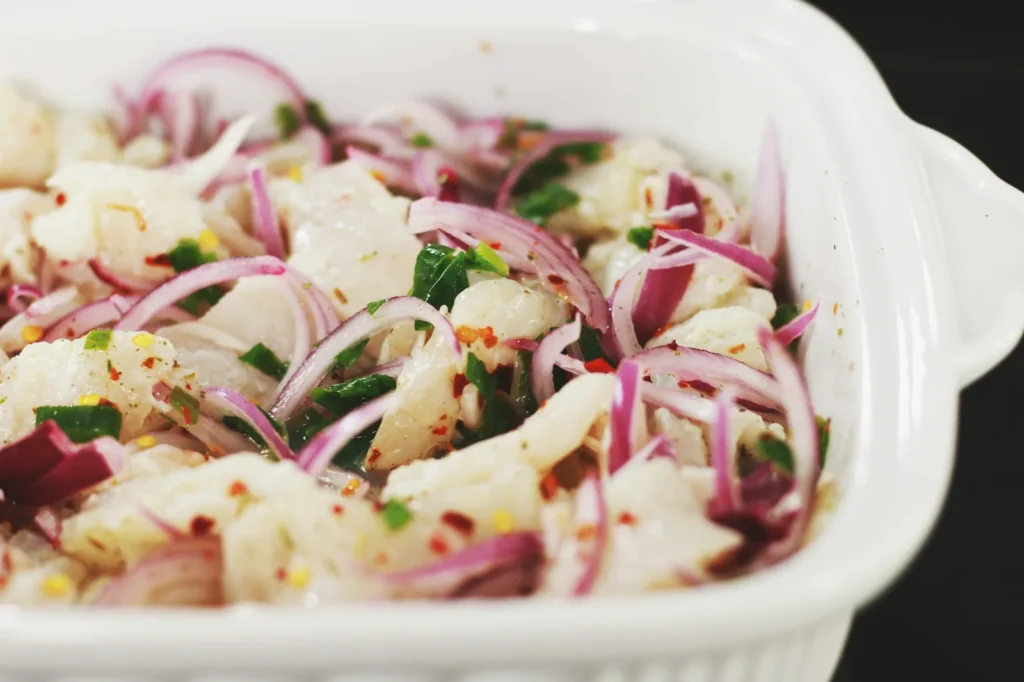
Both are seafood dressed in lime and chilli and served cold. The difference is time. Ceviche sits in the citrus long enough for the surface to firm and turn opaque; aguachile is dressed and served within moments, so the shrimp stays soft, translucent and essentially raw — and it is considerably hotter.
Ceviche is Peruvian in origin and now pan-Latin American. Aguachile is specifically Mexican, from Sinaloa.
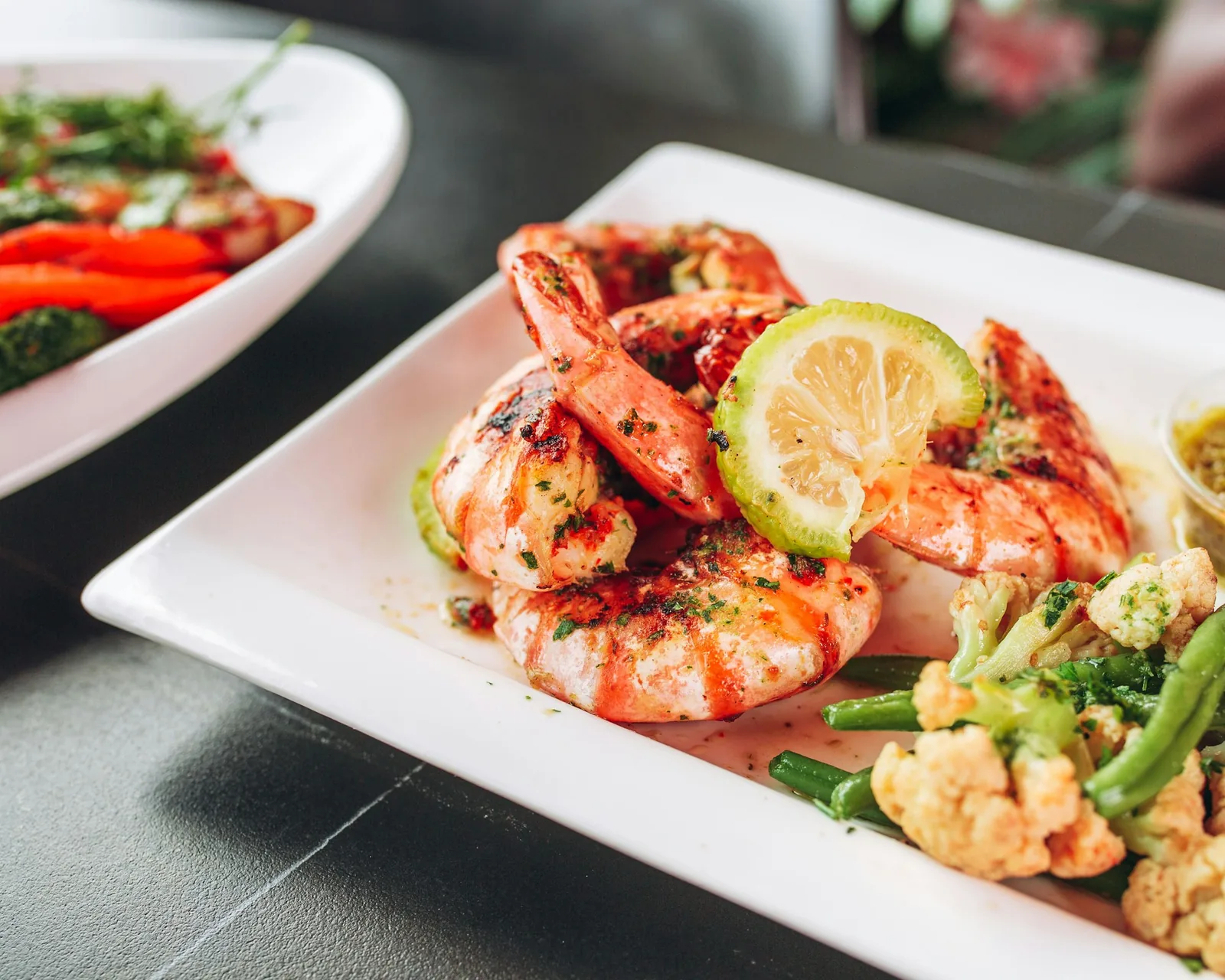
Side by side
| Ceviche | Aguachile | |
|---|---|---|
| From | Peru, now everywhere | Sinaloa, Mexico |
| Seafood | White fish usually; also shrimp, mixed | Almost always raw shrimp |
| Time in citrus | Fifteen to twenty minutes or more | Served immediately |
| Texture | Firm, opaque at the edges | Soft, translucent, raw |
| Heat | Mild to moderate | Deliberately hot |
| The liquid | Lime juice, drained or spooned | A thin chilli-lime water you eat with it |
| Eaten with | Tostadas, crackers, on its own | Tostadas, cucumber |
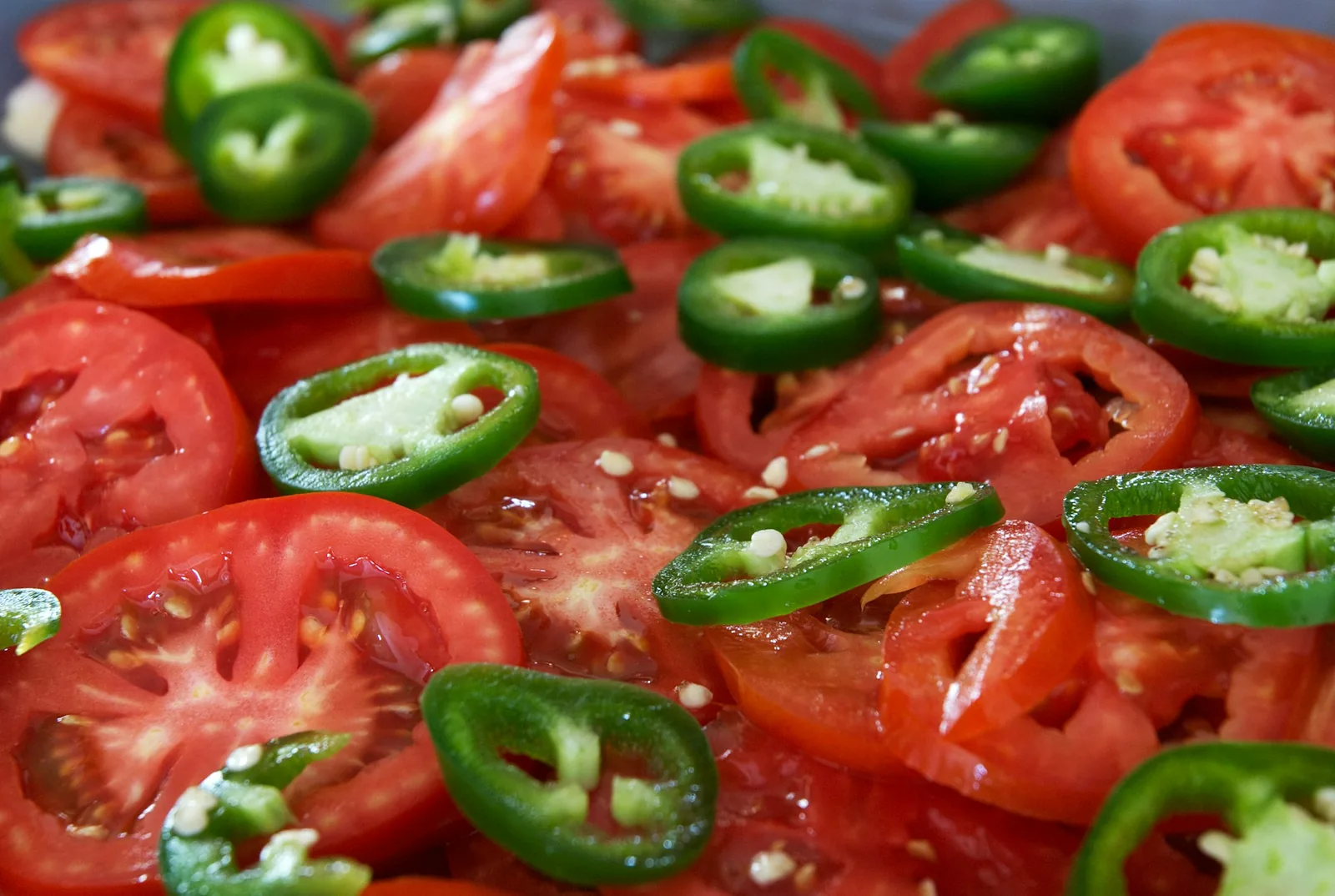
The name is the clue. Aguachile means chilli water, and the original Sinaloan version was made with water and crushed chiltepin chillies and no citrus at all. Lime came later, and in aguachile it is there for flavour more than for curing.
What the lime actually does
Acid denatures protein — it unravels and re-links the protein structures in fish much as heat does, which is why cured fish turns opaque and firm and gets described as “cooked”.
But the resemblance is textural, not microbiological. Acid curing does not do what cooking does to parasites or bacteria. This is the single most important thing to understand about both dishes, and almost every page that calls ceviche “cooked in lime” leaves it out.
The safety question, stated plainly
The US Centers for Disease Control and Prevention’s reference page on anisakiasis identifies infection with Anisakis roundworm larvae from raw or undercooked fish, naming ceviche alongside sushi, sashimi and pickled herring among the dishes involved. Symptoms can begin within hours and include nausea, vomiting and abdominal pain.
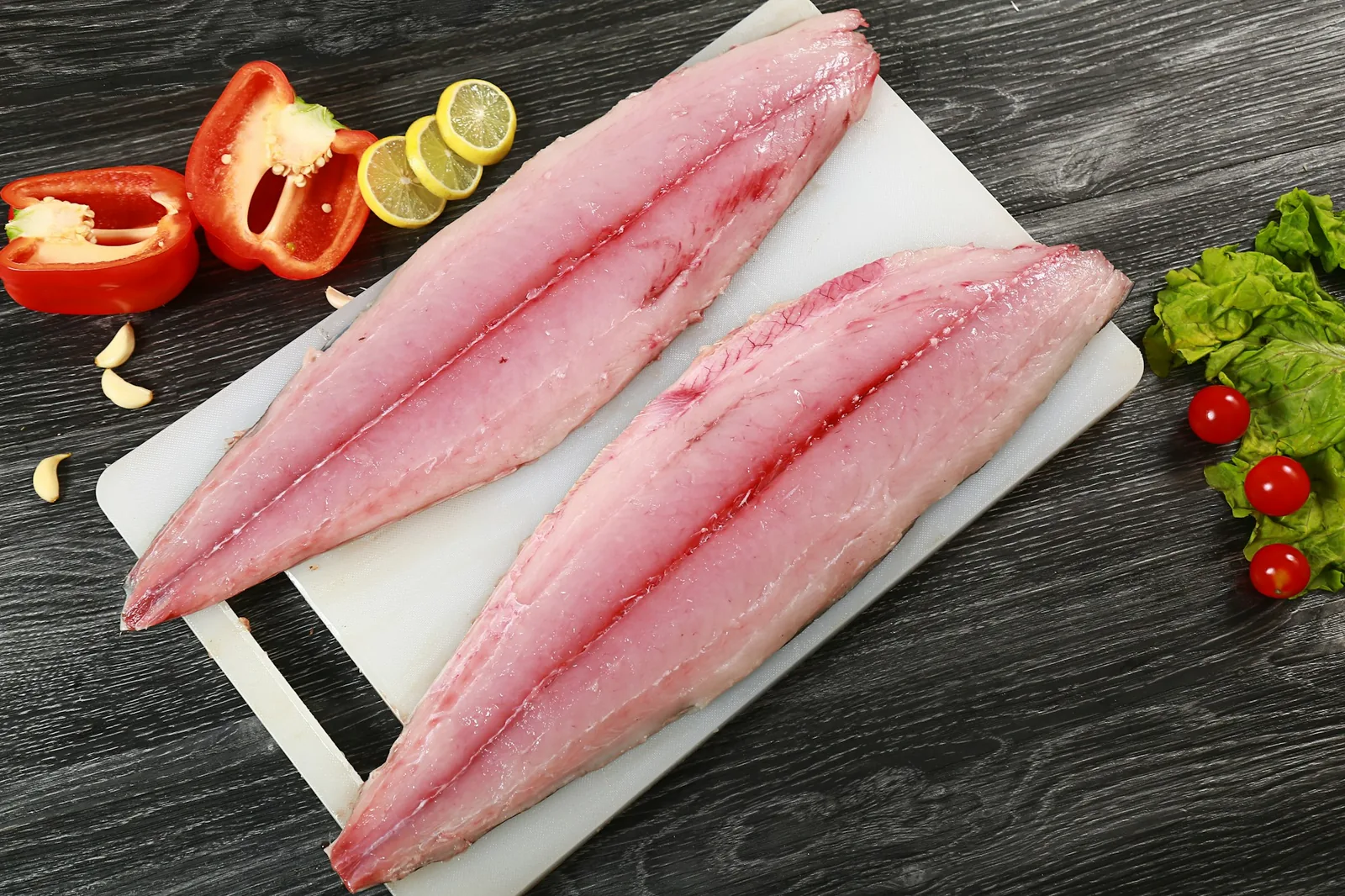
The established control is freezing. Commercially, fish intended to be eaten raw is frozen to kill parasites, and the FDA recommends that raw fish be previously frozen. Cooking to a safe internal temperature also works, but that is not what these dishes are.
- Ask whether the fish was previously frozen. A good kitchen will know and will not mind being asked.
- Judge the turnover. Busy coastal-style restaurants serving a lot of it are a better bet than somewhere it sits.
- Higher-risk groups should be more careful. Pregnancy, immunosuppression, liver disease and older age all change the calculation.
This is general information rather than medical or food-safety advice. If you are in a higher-risk group, your clinician’s guidance should decide what you eat — not a web page.
Regional versions
| Version | Where | What is different |
|---|---|---|
| Ceviche mixto | Peru and coastal Latin America | Mixed seafood; often with sweet potato and corn |
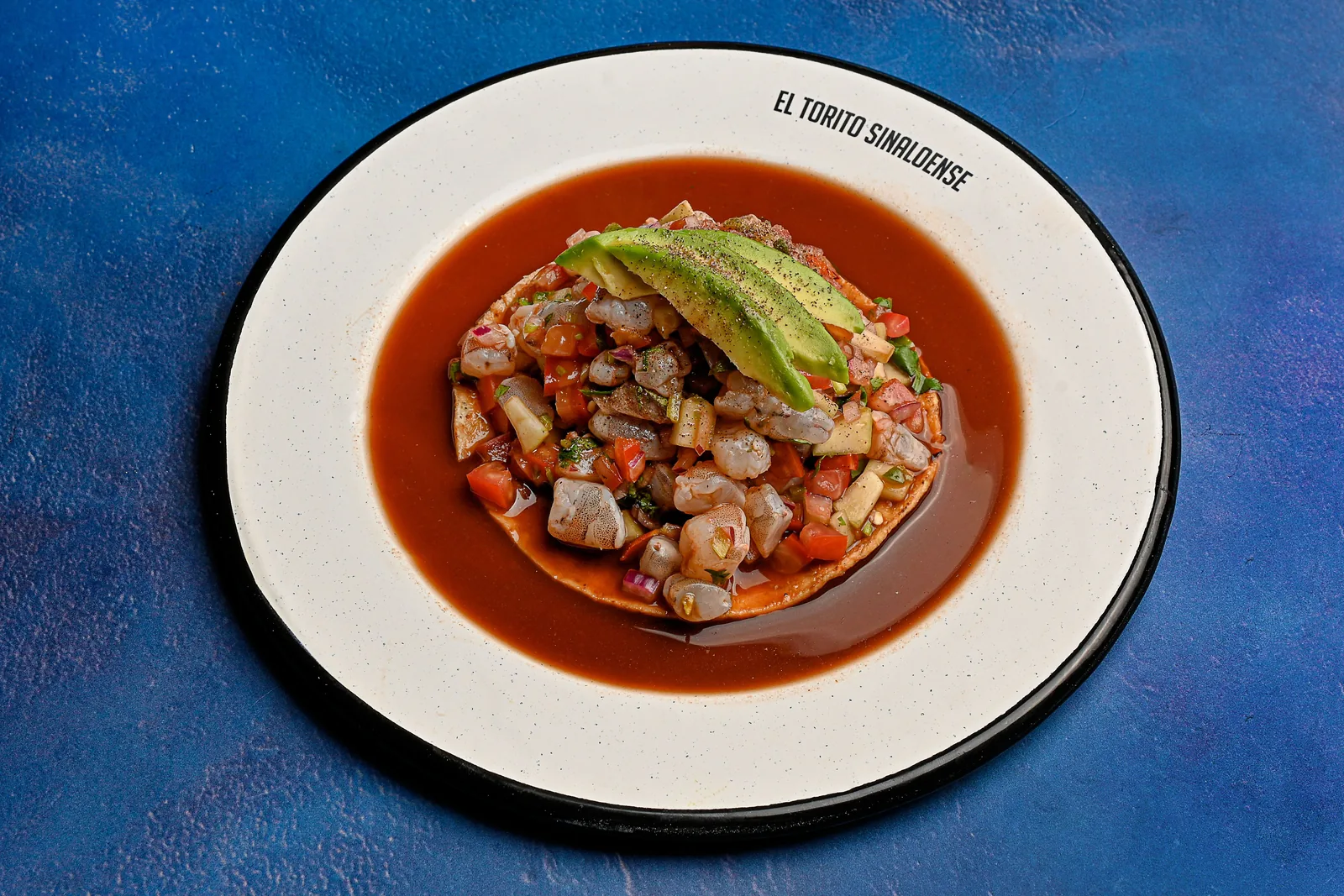
| Ceviche de camarón | Mexico’s Pacific coast | Shrimp, often chopped fine with tomato |
| Aguachile rojo | the Pacific coast | Dried red chillies rather than fresh green |
| Aguachile negro | Increasingly common | Darkened with soy or Worcestershire |
Mexican ceviche is often chopped much finer than the Peruvian original and mixed with tomato, which makes it closer in spirit to the shrimp cocktail than to a Peruvian plate of sliced fish.
How they are served
Both usually arrive with something crisp to carry them: a tostada, saltines, or cucumber slices. Aguachile often comes with sliced cucumber and red onion laid through it, which cools the chilli and adds crunch.
If you have had the Mexican shrimp cocktail, the family resemblance is obvious — cold seafood, lime, raw vegetables, eaten with crackers. The key difference is that the shrimp in a cóctel is cooked with heat before chilling, which puts it in a different category entirely from these two.
A note on Doc’s
Neither was on Doc’s board. What the shop did carry, seasonally, was a shrimp cocktail and a shrimp tostada — cooked shrimp, chilled. For a taqueria a long way inland from the Gulf, that is the sensible version of seafood to run, and running it seasonally rather than daily is a sign of a kitchen being careful rather than limited.
Doc’s Taco Shop did not serve this. The shop was a small weekend taqueria — street tacos, quesadillas and a short board of house items — and it closed permanently on 19 July 2025. This article covers the wider cuisine rather than the shop. You can read the full menu as Doc’s published it or read how the shop came about.
Frequently asked questions
Is ceviche raw?
The fish is not cooked with heat. Lime acid firms it and turns it opaque, which changes the texture much as cooking would, but it is chemically cured rather than cooked.
Is aguachile more raw than ceviche?
Yes. Aguachile is dressed and served immediately, so the shrimp has barely been in contact with the acid and stays soft and translucent.
Which is spicier?
Aguachile, clearly and by design. The name means chilli water and fresh serranos or chiltepins are central to it. Ceviche is usually mild to moderate.
Is it safe to eat ceviche?
Many people eat it without incident, but acid curing does not kill parasites the way cooking does. Fish intended to be eaten raw is normally frozen first for that reason. Ask, and be more cautious if you are pregnant, immunosuppressed or otherwise higher risk.
What is the difference between ceviche and Mexican shrimp cocktail?
The shrimp in a cóctel de camarones is cooked with heat and then chilled, and it is served in a tomato-lime broth. Ceviche is cured raw seafood in citrus.
The short version
Ceviche cures; aguachile barely does. One is firm and mild, the other soft and hot. Both are cold, both are excellent, and neither is cooked — which is worth knowing before you order rather than after.