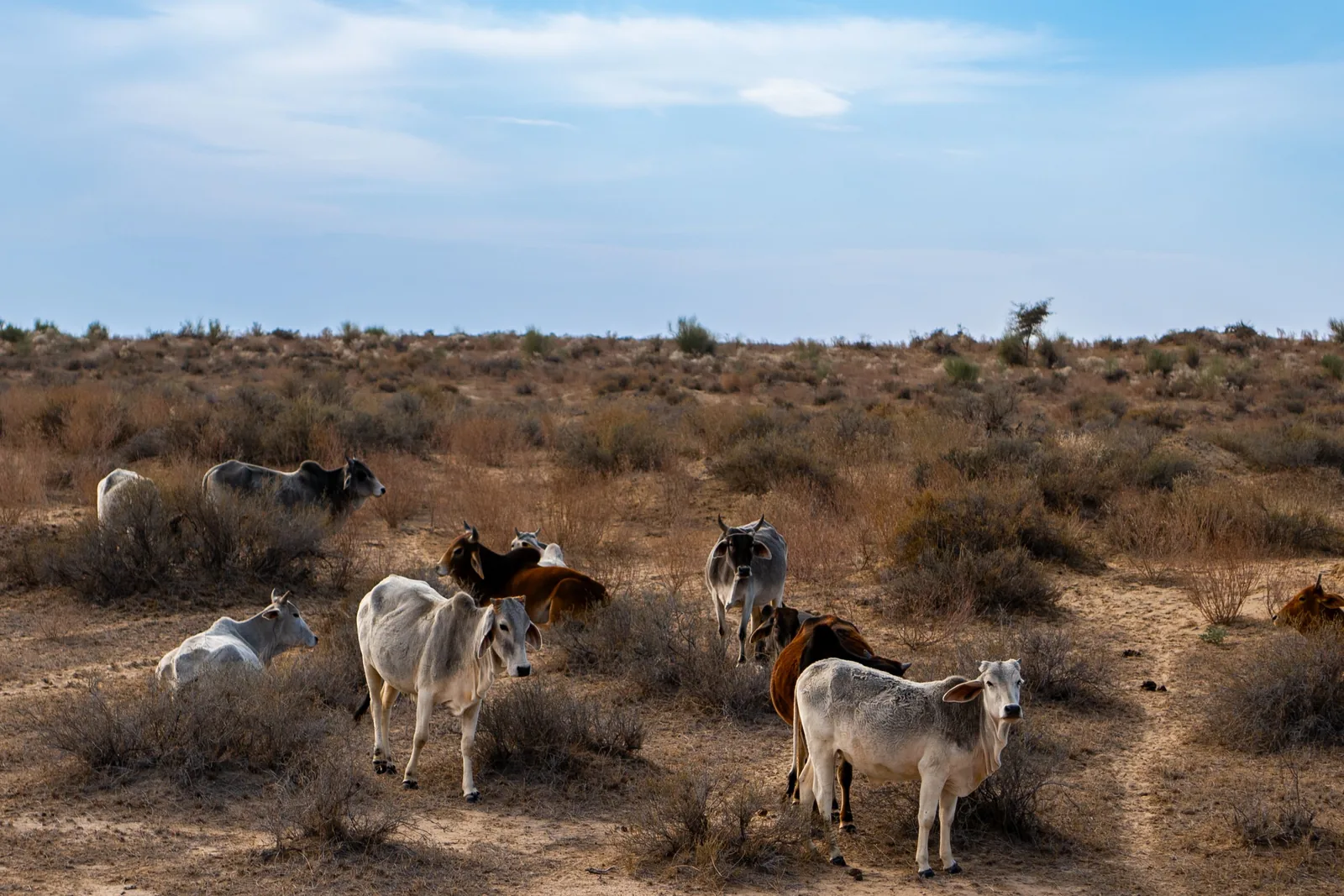
Sonora is cattle country and wheat country, and its food follows directly from that: beef, and enormous thin flour tortillas. It is the one part of Mexico where wheat rather than corn is the genuine default.
Our tortilla comparison asserts that northern Mexico defaults to wheat and does not explain why. The answer is agricultural, and it also explains the burrito, the chimichanga and a good deal of Tex-Mex.
Why wheat
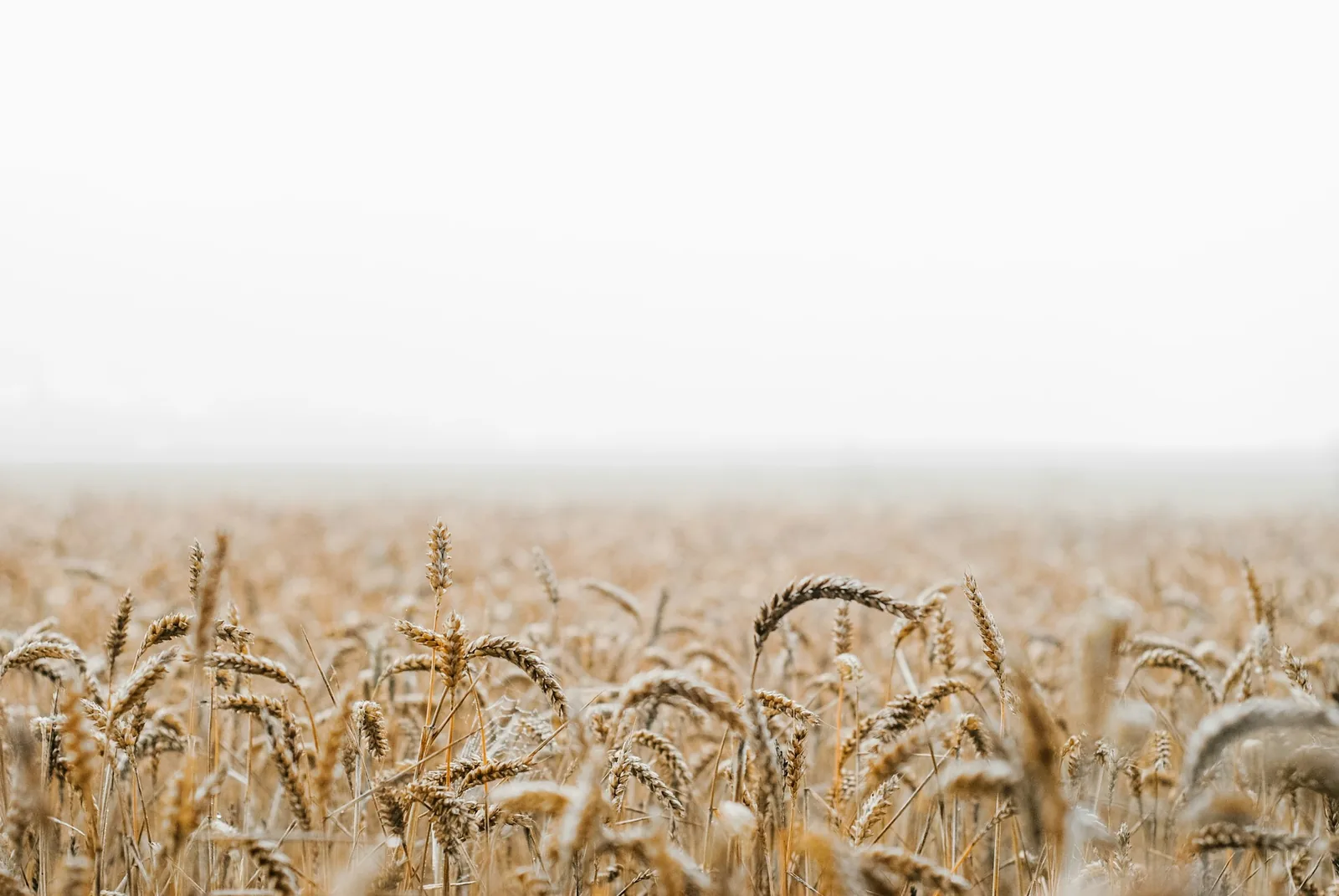
Corn wants water and warmth. The Sonoran desert and the irrigated valleys below it suit wheat better, and wheat was planted there early — Spanish missionaries introduced it in the seventeenth century and it took hold in a way it did not further south.
Once wheat is the local grain, the tortilla changes character completely. Wheat dough has gluten, so it can be stretched thin and wide without tearing; nixtamalised corn masa cannot, because it has no gluten network to hold it together. That single physical fact is why northern tortillas are large and southern ones are small.
And once the tortilla is large, the food built on it changes too: you get wraps and burritos rather than small hand-held tacos.
Tortillas sobaqueras
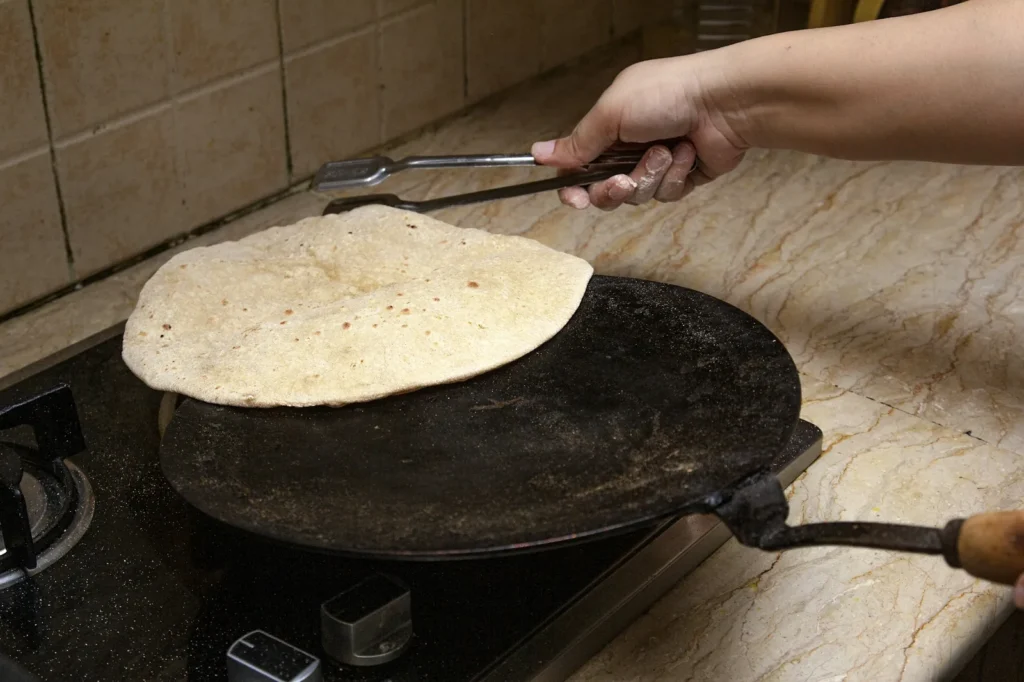
Sonora’s signature: flour tortillas stretched so thin they are translucent and so wide they can reach eighteen inches across. Made with lard, and stretched over the forearms rather than rolled — which is where the name comes from, sobaco meaning armpit.
Tucson Foodie’s piece on why Sonoran flour tortillas are special documents the technique and its transmission through Sonoran families across the border into southern Arizona.
The practical result is a tortilla that behaves like a wrapper rather than a plate: pliable, slightly chewy, strong enough to hold a large quantity of grilled meat without tearing.
The beef
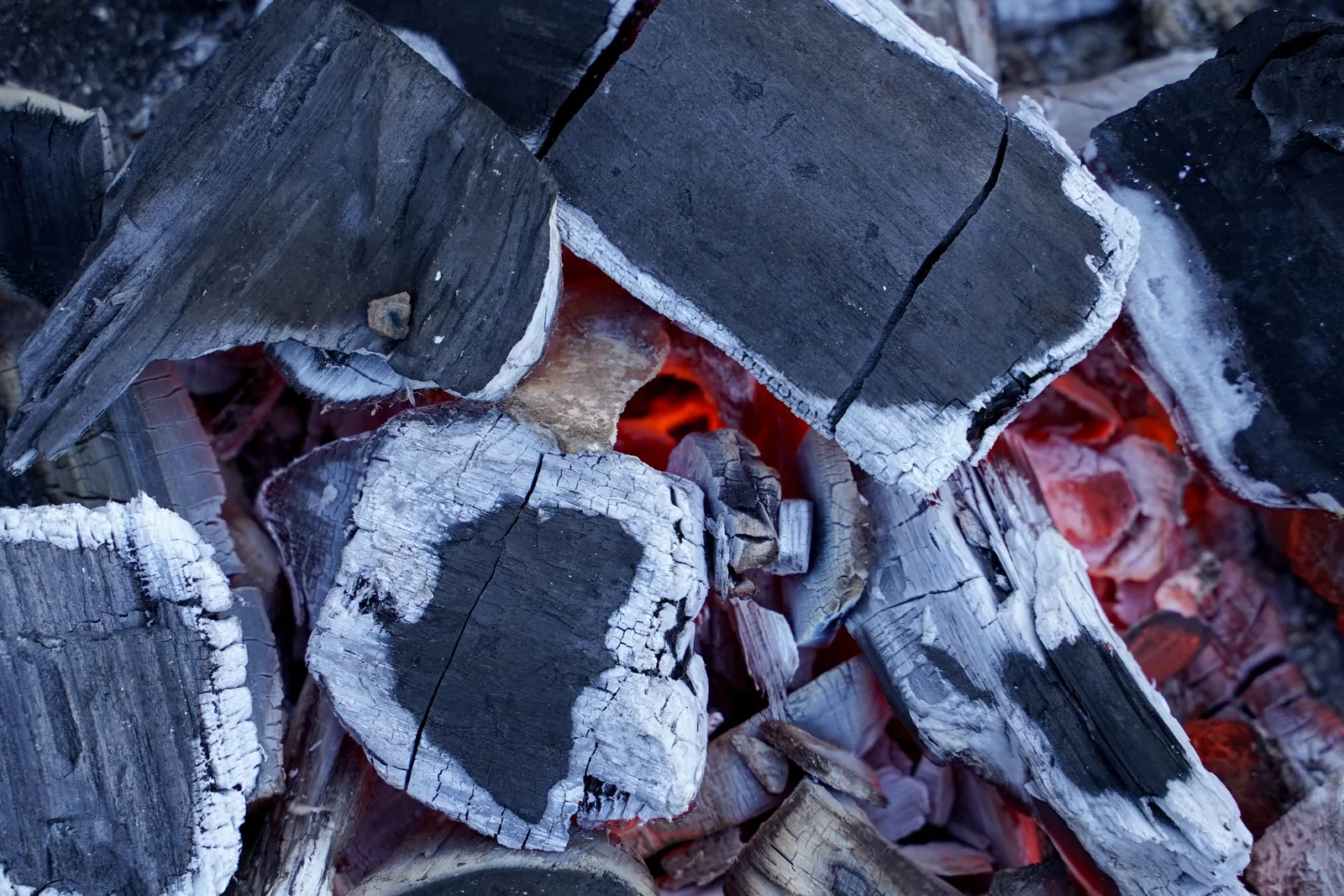
- Carne asada — thin beef over mesquite or oak coals. Sonora is the style’s heartland, and our carne asada guide notes that una carne asada means the gathering as much as the dish.
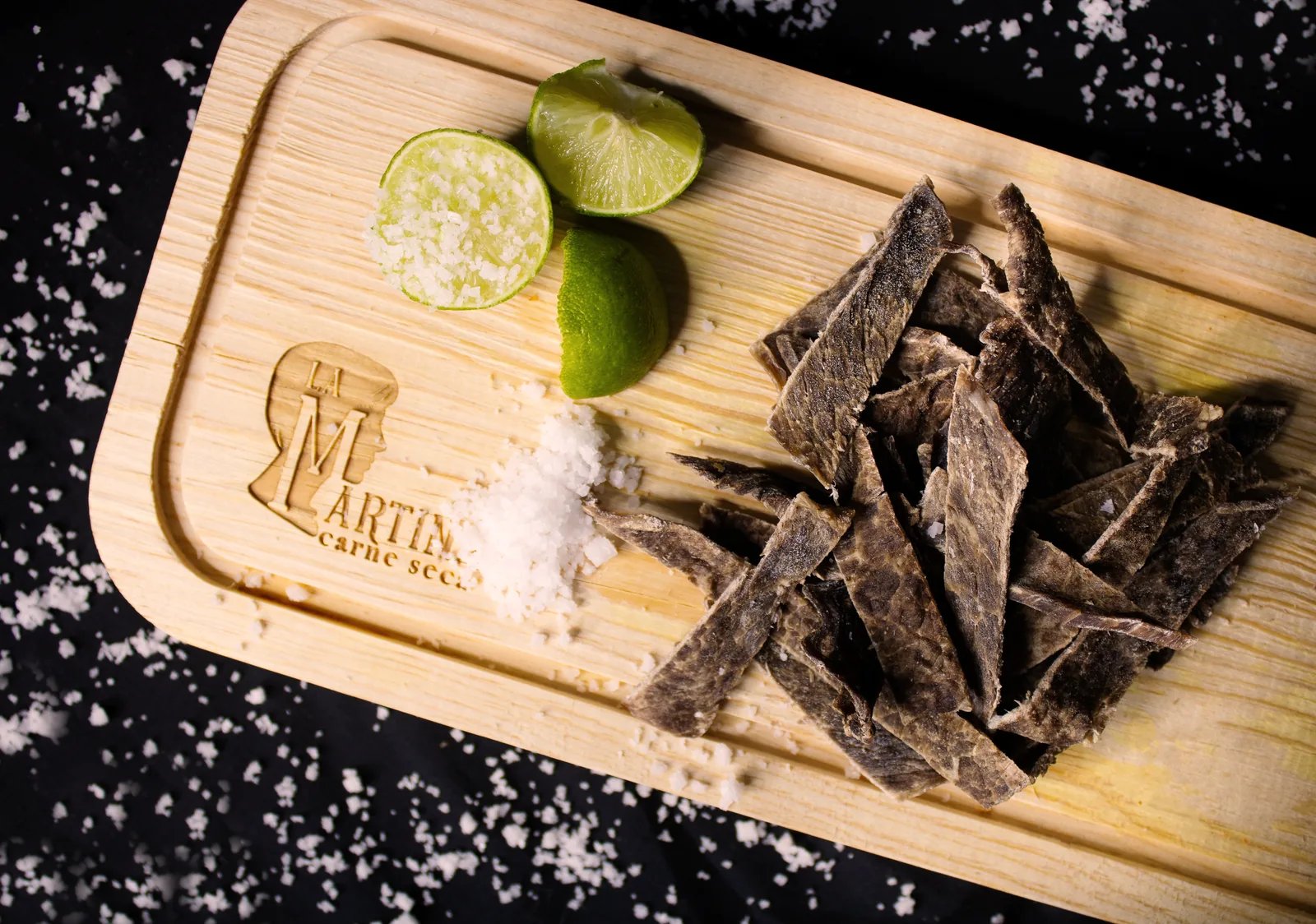
- Machaca — beef dried, then pounded and shredded and usually cooked with egg or into a burrito. A preservation technique that became a dish.
- Barbacoa de res — Sonora’s slow-cooked beef version; see barbacoa.
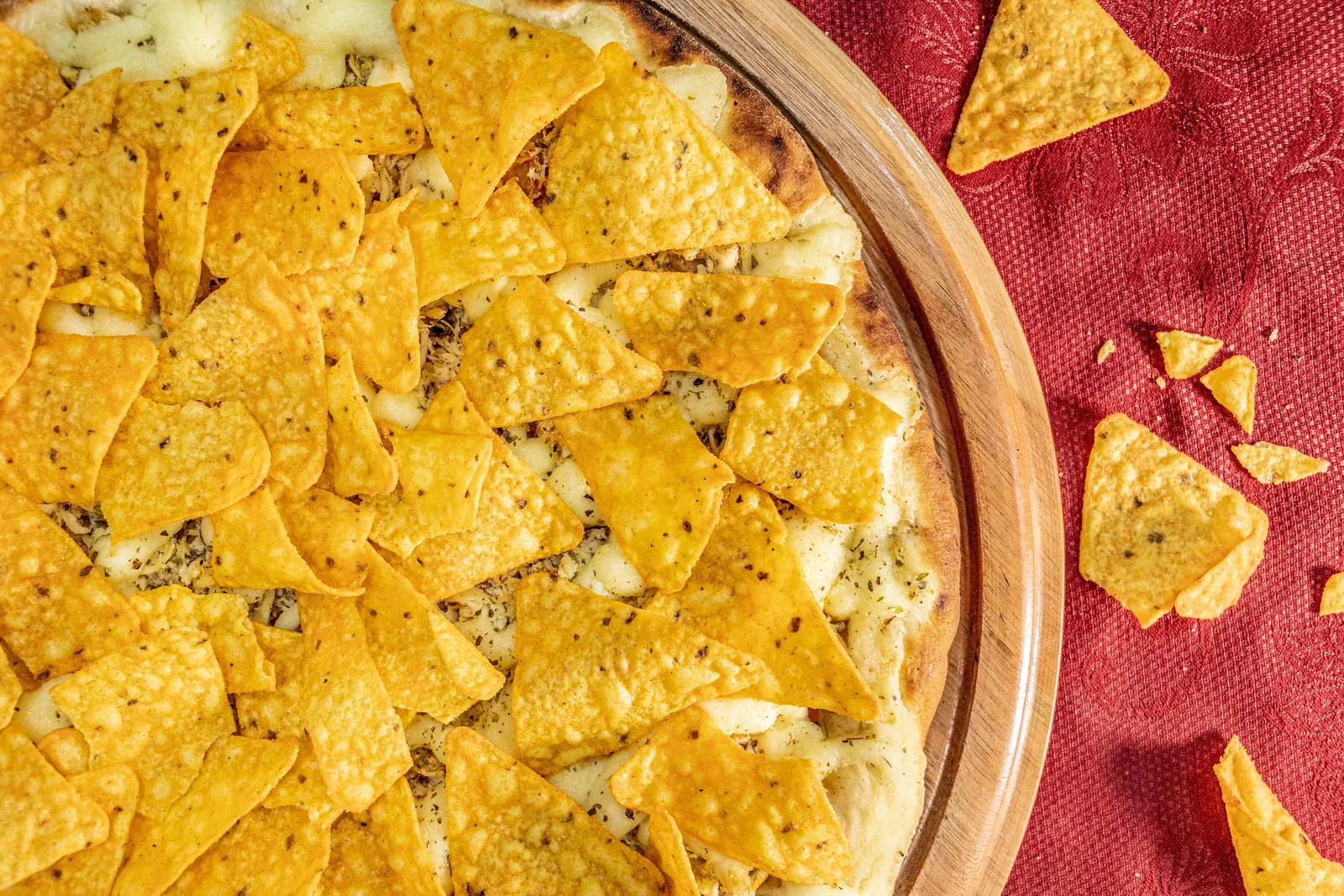
- Cheese crisp — a large flour tortilla baked flat under cheese until crisp. Cross-border, and closer to nachos in spirit than to a quesadilla.
- Chiltepín — a tiny wild chilli, very hot, used dried and crushed. The region’s characteristic heat.
The coast, which people forget
Sonora has a long Gulf of California coastline, and the seafood there is a genuine part of the state’s food rather than a footnote. Shrimp in particular: Sonora and neighbouring Sinaloa supply much of Mexico’s farmed and wild shrimp.
So a Sonoran table can be beef and enormous flour tortillas inland and shrimp tacos, aguachile and cóctel de camarones on the coast. The desert-and-cattle image is accurate but partial.
Sonora, Arizona and the burrito
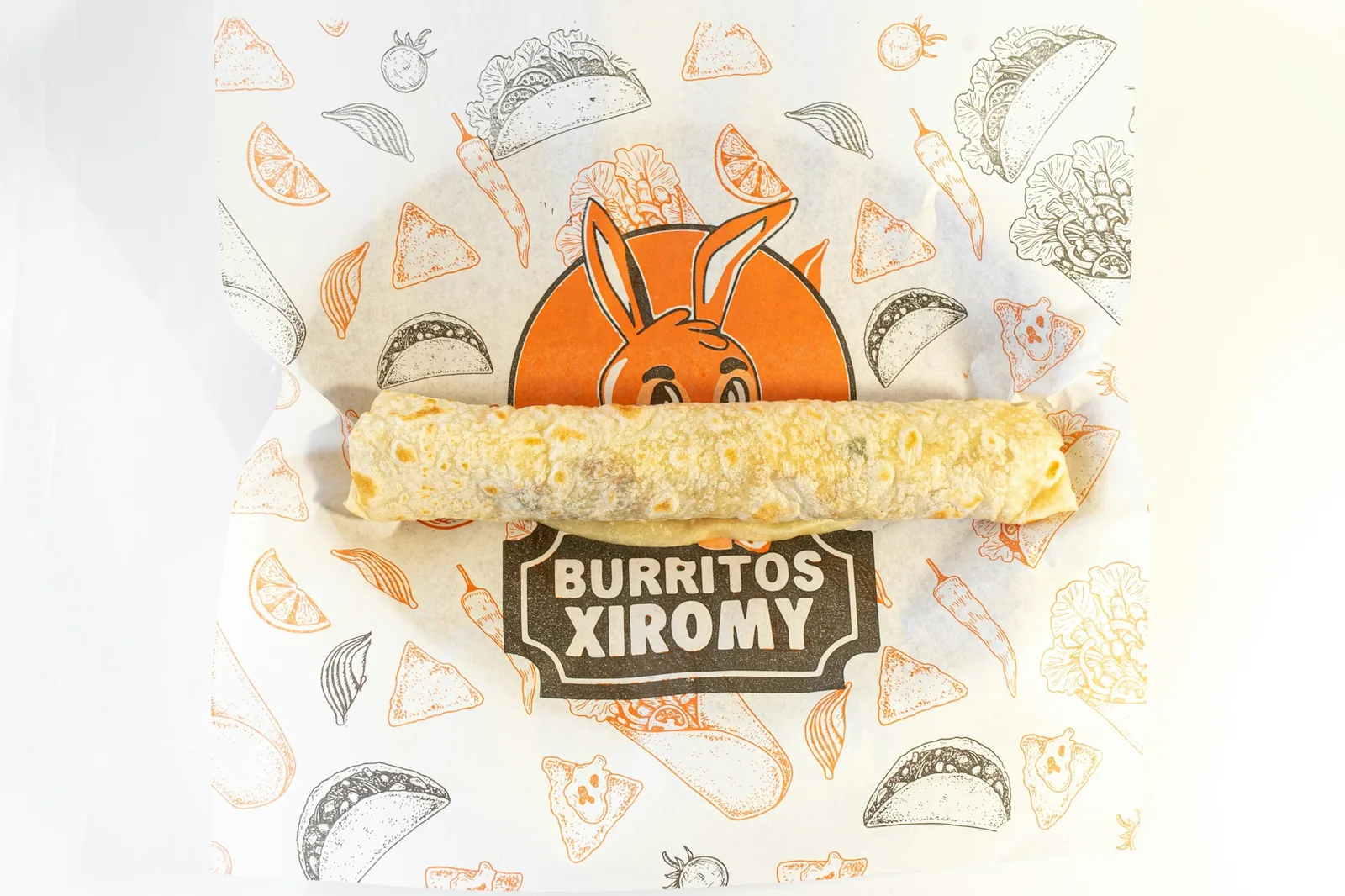
The Sonora–Arizona border is a food region rather than a boundary, and the large flour tortilla is what crosses it. The burrito in its original form is a Sonoran object: a big thin tortilla wrapped tightly around a small amount of filling — beans, machaca, cheese — not the overstuffed American version.
The chimichanga comes from Tucson, which is Sonoran food on the American side. So does the Sonoran hot dog, which is bacon-wrapped and loaded and has very little to do with anything else on this site.
This is also the cleanest illustration of the argument in our Tex-Mex piece: northern Mexican food already used flour tortillas and a great deal of beef before it crossed the border, so several things assumed to be American simplifications were regional Mexican habits first.
A note on Doc’s
Here there is a real, if indirect, connection. Doc’s built its flour-tortilla items — The Gringo, the quesadillas, the burrito — on eight- and ten-inch flour tortillas, and ran beef across the whole board. That is northern-Mexican and Tex-Mex practice rather than central Mexican, and East Texas sits at the far end of the same cattle-and-wheat corridor.
The shop’s street tacos, by contrast, were small corn — the southern format. One board, both grains, which is exactly the split our tortilla guide describes.
Doc’s Taco Shop had no connection to this region. It was a small weekend taqueria in Liberty City, Texas, running three meats across a short board, and it closed permanently on 19 July 2025. This article exists because our own guides name the region repeatedly without ever explaining it. You can read the full menu as Doc’s published it or look through the photo gallery.
Frequently asked questions
Why does northern Mexico use flour tortillas?
Because it grows wheat rather than corn. The desert and its irrigated valleys suit wheat, which Spanish missionaries introduced in the seventeenth century, and wheat dough can be stretched far larger than corn masa can.
What is a tortilla sobaquera?
A very large, very thin Sonoran flour tortilla, up to about eighteen inches across, stretched over the forearms. The name refers to that technique.
What is machaca?
Beef that has been dried and then pounded and shredded, usually cooked with egg or wrapped into a burrito. It began as a preservation method.
Is Sonoran food the same as Tex-Mex?
No, but they overlap. Both lean on beef and flour tortillas. Sonoran food is northern Mexican regional cooking; Tex-Mex developed separately in Texas with different cheeses and a heavier use of cumin.
What is a chiltepín?
A tiny wild chilli from the Sonoran desert, very hot, usually used dried and crushed. It is the region’s characteristic source of heat.
The short version
Wheat grows there and cattle graze there, so Sonora eats beef in enormous thin flour tortillas. Gluten is why those tortillas can be that big, and that one fact explains the burrito, the chimichanga and a large slice of what Americans think of as Mexican food.