
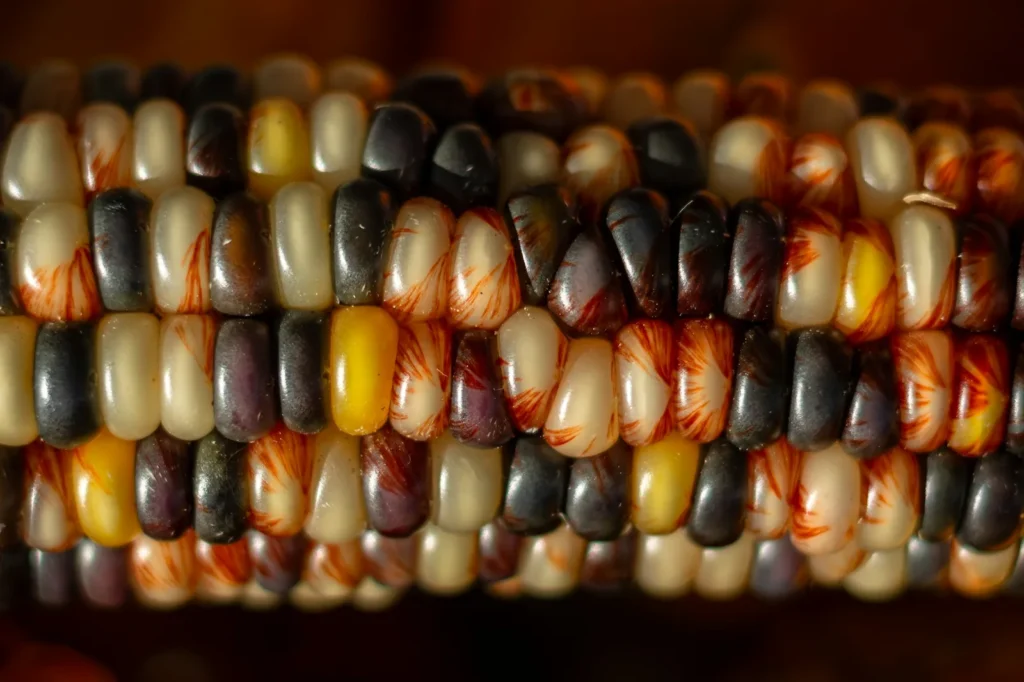
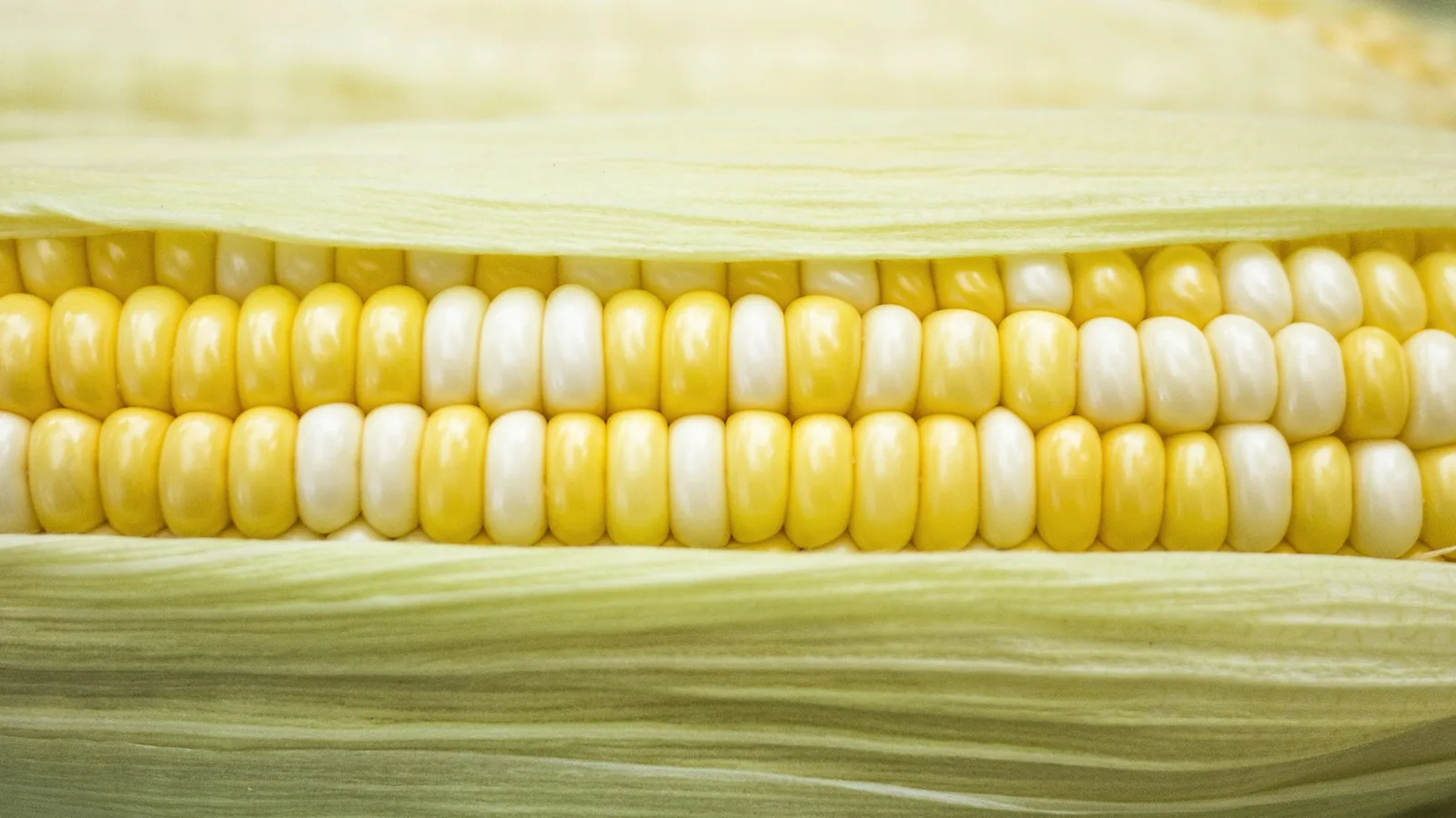
Corn in Mexico is a family, not a commodity. CIMMYT records 59 distinct Mexican maize landraces, and the colour of a tortilla tells you which corn it came from — white, yellow, blue, red or nearly black.
Blue corn is generally treated as a novelty or a health claim. It is neither: it is one of dozens of native varieties, grown because it suits a place and a dish.
Fifty-nine landraces
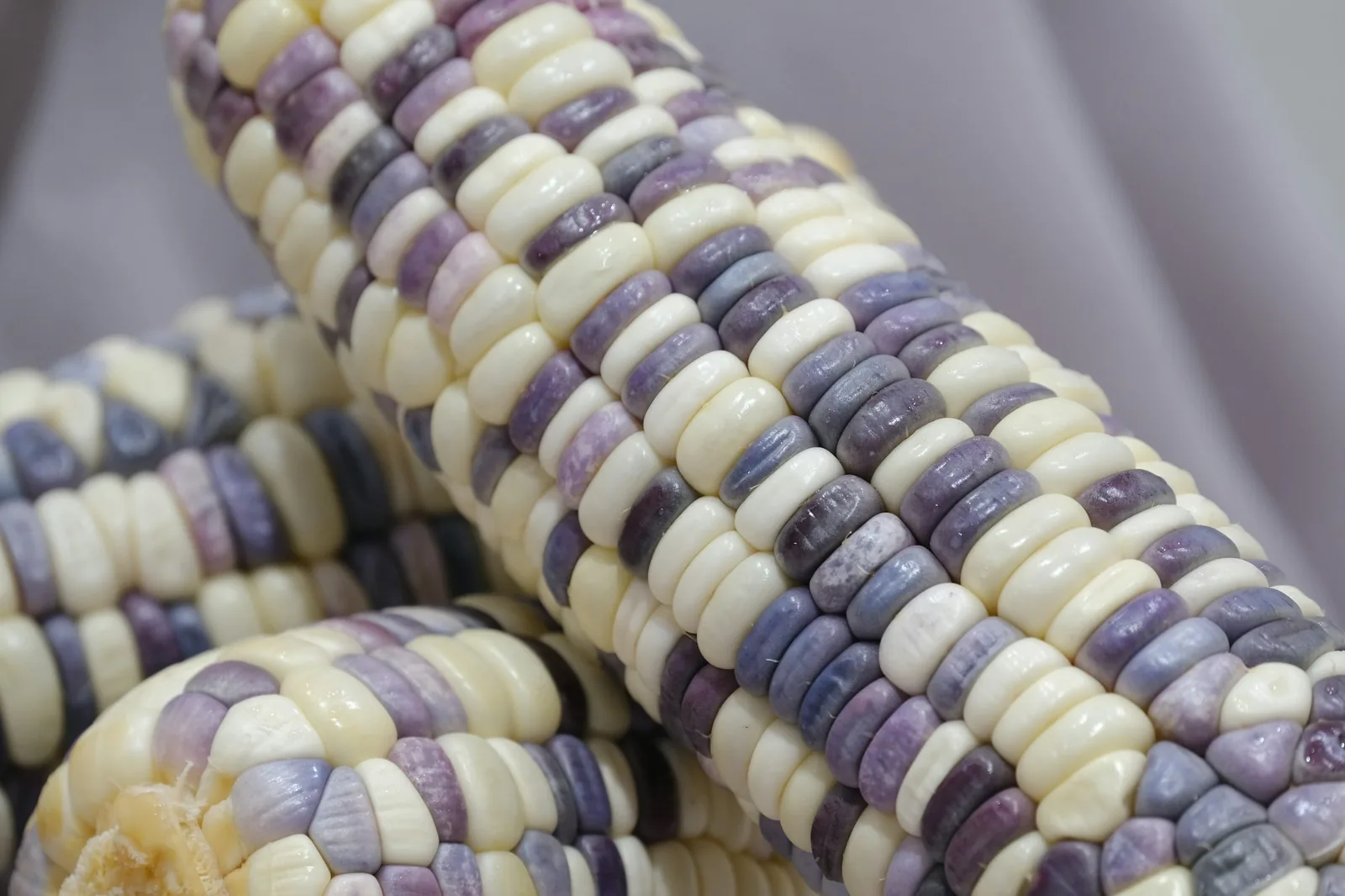
CIMMYT — the international maize research centre, based in Mexico — states that there is broad scientific consensus that maize originated in Mexico, developed from teosinte by selective breeding over thousands of years, and records 59 unique Mexican landraces. Its germplasm bank holds more than 28,000 unique maize collections from 88 countries.
The detail worth carrying: CIMMYT notes that many farmers growing hybrid maize commercially still keep a small patch of the local landrace for their own household. That is the practice the UNESCO listing we discuss in our Michoacán guide was recognising — a living seed system, not a heritage display.
What the colours mean
| Colour | Character | Where it turns up |
|---|---|---|
| White | Mild, clean, the neutral default | Most commercial tortillas, tamales |
| Yellow | Slightly sweeter, more assertive corn flavour | Common in the US; less so in central Mexico |
| Blue / purple | Nuttier, earthier, faintly sweet | Tlacoyos, quesadillas, tortillas in central Mexico |
| Red | Similar to blue, regional | Local use, less commercially traded |
| Cacahuacintle | Very large soft floury kernels | Grown specifically for pozole |
The cacahuacintle entry is the clearest example of a variety bred for a dish. Our pozole guide covers why: hominy wants a large, soft kernel that stays whole, and that is a different requirement from a kernel destined to be ground for tortillas.
Does blue corn actually taste different?
Yes, noticeably. Blue corn tortillas are nuttier and slightly sweeter, with a coarser, more fragile texture — they tear more readily than white ones, which is worth knowing if you are building a taco. See why tacos fall apart.
The colour comes from anthocyanins, the same class of pigment in blueberries and red cabbage. Blue corn is sometimes marketed on that basis as substantially more nutritious. It does carry those compounds and it is a whole grain, but the difference from white corn is modest and the marketing generally overstates it. It is a better reason to eat blue corn that it tastes good.
Colour is not the only difference
Landraces differ in more than pigment, and the differences are practical rather than decorative. Kernel hardness determines how the corn grinds; kernel size determines whether it suits hominy or masa; starch composition determines how the dough behaves.
That is why cacahuacintle is grown for pozole and something finer-grained is grown for tortillas. A single commodity maize would force one compromise across all of it, which is roughly what happens outside Mexico — and part of why supermarket masa harina tastes flatter than masa from a local mill.
Why the variety survived at all
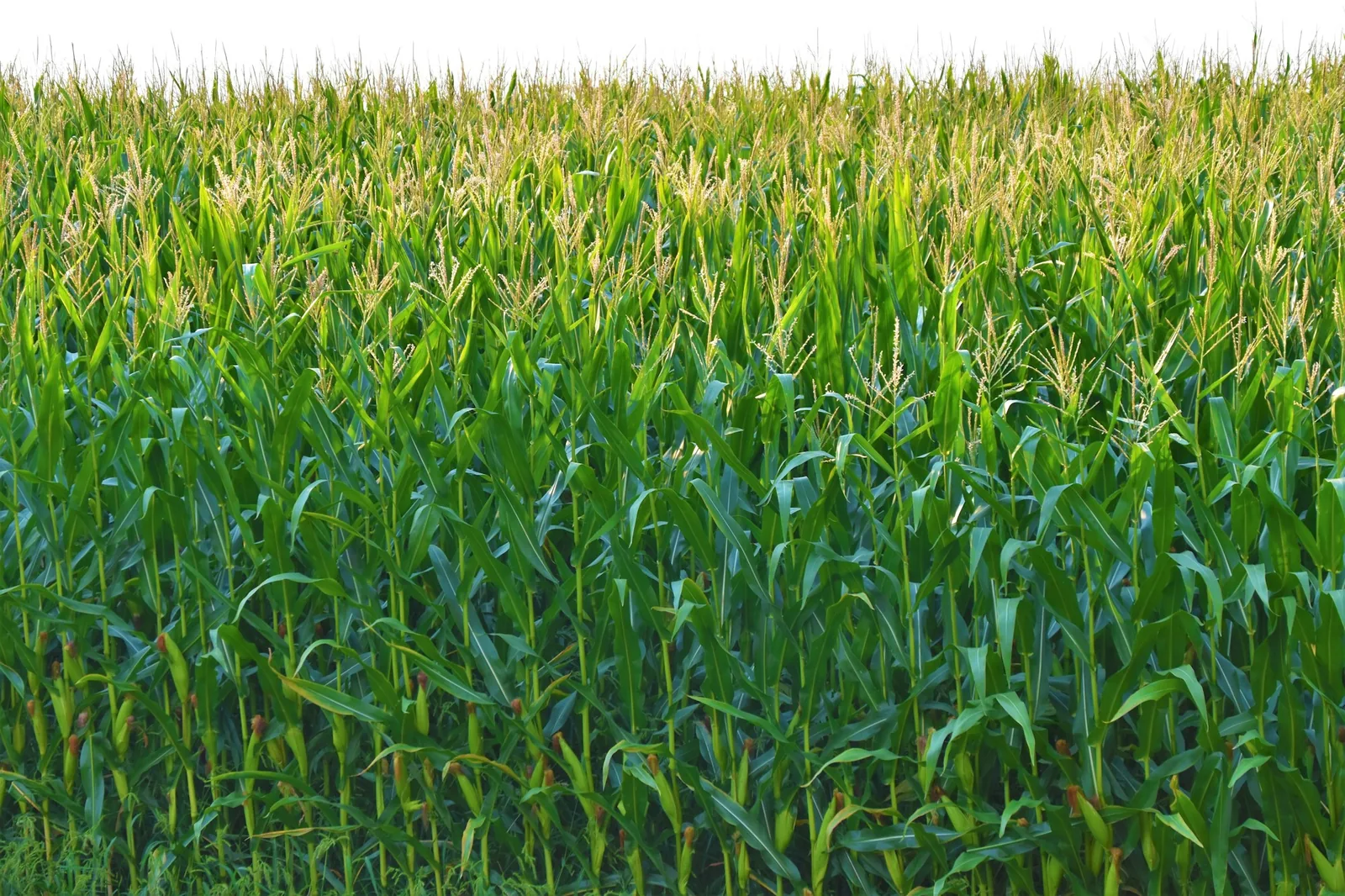
Because of the milpa — the traditional system of interplanting maize with beans and squash, which the UNESCO listing names explicitly. A milpa is not a monoculture, and a farmer saving seed from it selects for what works locally rather than for what ships well.
Sixty landraces is what you get from thousands of years of that. A commercial supply chain would have produced two or three.
Buying it
- Blue corn tortillas — increasingly available. Check they are actually blue corn rather than white corn coloured; the ingredient list will say.
- Blue masa harina — sold by some Mexican grocers. Behaves like white; see our masa harina guide.
- Heirloom masa — a small number of mills now sell single-landrace masa and masa harina. Genuinely different, and priced accordingly.
- Cacahuacintle — sold as dried pozole corn or as prepared hominy.
A note on Doc’s
Doc’s board said only “corn tortilla”, with no indication of variety, which is what essentially every menu says. Almost certainly white corn, since that is what commercial tortillas in Texas are, but the board does not say so and we are not going to assert it.
Doc’s Taco Shop closed permanently on 19 July 2025. Its 2023 menu board is preserved here as a historical record, and anything said about it above is read from that board. You can read the full menu as Doc’s published it or read how the shop came about.
Frequently asked questions
How many kinds of corn are there in Mexico?
CIMMYT records 59 unique Mexican maize landraces, preserved in a germplasm bank holding over 28,000 maize collections from 88 countries.
Do blue corn tortillas taste different?
Yes — nuttier and slightly sweeter, with a coarser texture that tears more easily than white corn.
Is blue corn healthier than white corn?
It contains anthocyanins, the pigments also found in blueberries, and both are whole grains. The nutritional difference is modest and the marketing usually overstates it.
What is cacahuacintle corn?
A landrace with unusually large, soft, floury kernels, grown specifically for pozole because the kernels stay whole and tender.
What is a milpa?
The traditional system of interplanting maize with beans and squash. It is one of the practices named in UNESCO’s recognition of traditional Mexican cuisine, and it is why so many landraces survived.
The short version
Fifty-nine landraces, and the colour of a tortilla tells you which corn made it. Blue tastes nuttier and tears more easily; cacahuacintle is grown for pozole. The variety survived because farmers saved seed from a milpa rather than buying it.