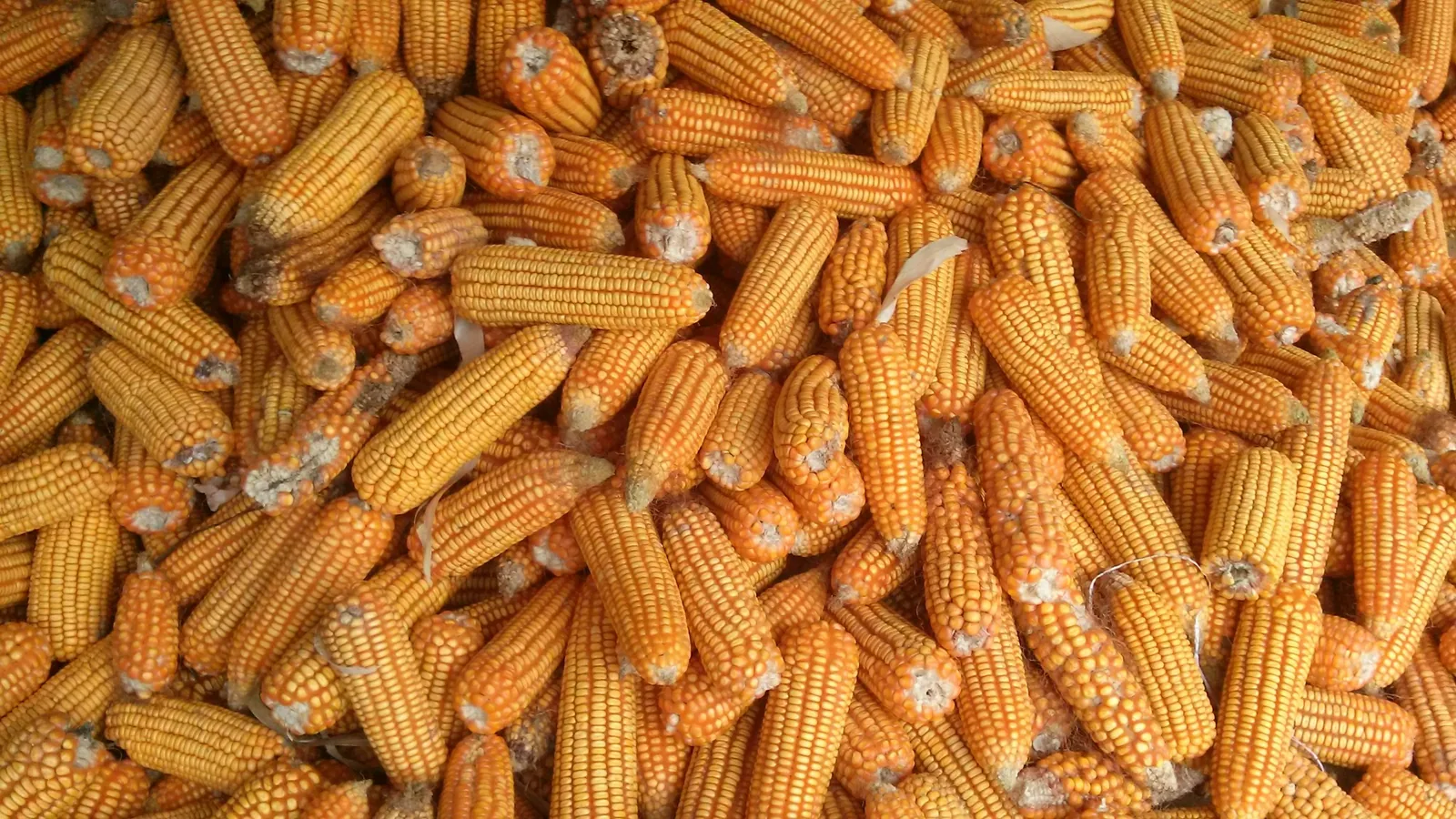
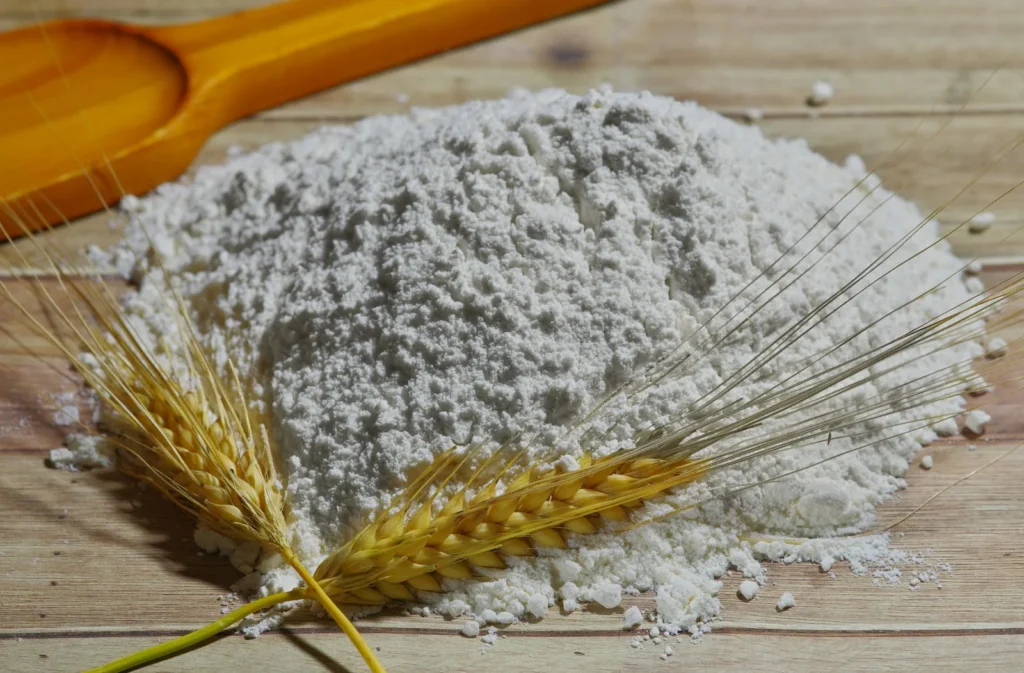
Masa harina is corn that has been cooked in an alkaline solution, washed, ground, dried and milled to a flour. Cornmeal is corn that has been ground. Those are not variations of one product — they are chemically different, and they cannot substitute for one another.
This is the most consequential ingredient confusion in Mexican cooking, and it is entirely invisible: two bags of pale corn flour that behave completely differently.
The three things people mix up
| Product | What it is | Makes |
|---|---|---|
| Masa harina | Nixtamalised corn, dried and milled | Tortillas, tamales, sopes, gorditas |
| Cornmeal / polenta | Corn, dried and ground. No alkaline step | Cornbread, polenta. Will not make a tortilla |
| Cornflour / cornstarch | The starch extracted from corn | Thickening. Not a dough at all |
| Fresh masa | Nixtamalised corn, ground wet, never dried | The same things as masa harina, better |
The naming is genuinely unhelpful. In British usage “cornflour” means cornstarch; in American usage it can mean finely ground cornmeal. Neither is masa harina, and a recipe that says masa harina means masa harina.
What the alkaline step does
Dried maize is simmered with slaked lime or wood ash, then steeped and rinsed. The process is called nixtamalisation and it changes the grain rather than just softening it: the hull loosens and comes away, the starch and protein structure alters so the dough becomes cohesive, and the grain’s nutrition improves.
The FAO’s Maize in human nutrition records lime-cooking as the traditional processing behind the dough that is the main ingredient of many popular dishes across Mexico and Central America, and notes separately that treatment with calcium hydroxide has been shown to reduce aflatoxin levels significantly in contaminated maize.
The cohesion point is the one that matters in a kitchen. Untreated corn flour will not hold together as a dough — it crumbles. That is why cornmeal cannot make a tortilla no matter how finely it is ground or how much water you add. We cover the eating consequences in corn versus flour tortillas and the dish family in the masa guide.
Fresh masa versus the bag
| Fresh masa | Masa harina | |
|---|---|---|
| How | Ground wet from nixtamal, used within a day or two | Dried and milled; reconstituted with water |
| Smells | Distinctly of sweet corn | Fainter, flatter |
| Texture | Softer, more elastic | Slightly drier, less springy |
| Availability | A tortilleria or molino, daily | Any supermarket, indefinitely |
| Best for | Thick-masa dishes where the dough is the dish | Perfectly fine for tortillas and tamales |
Masa harina is not a compromise product — it is nixtamalised corn, just dehydrated. The difference is real but modest, and it is most noticeable in sopes and gorditas where you are eating a lot of dough, and least noticeable in a thin tortilla.
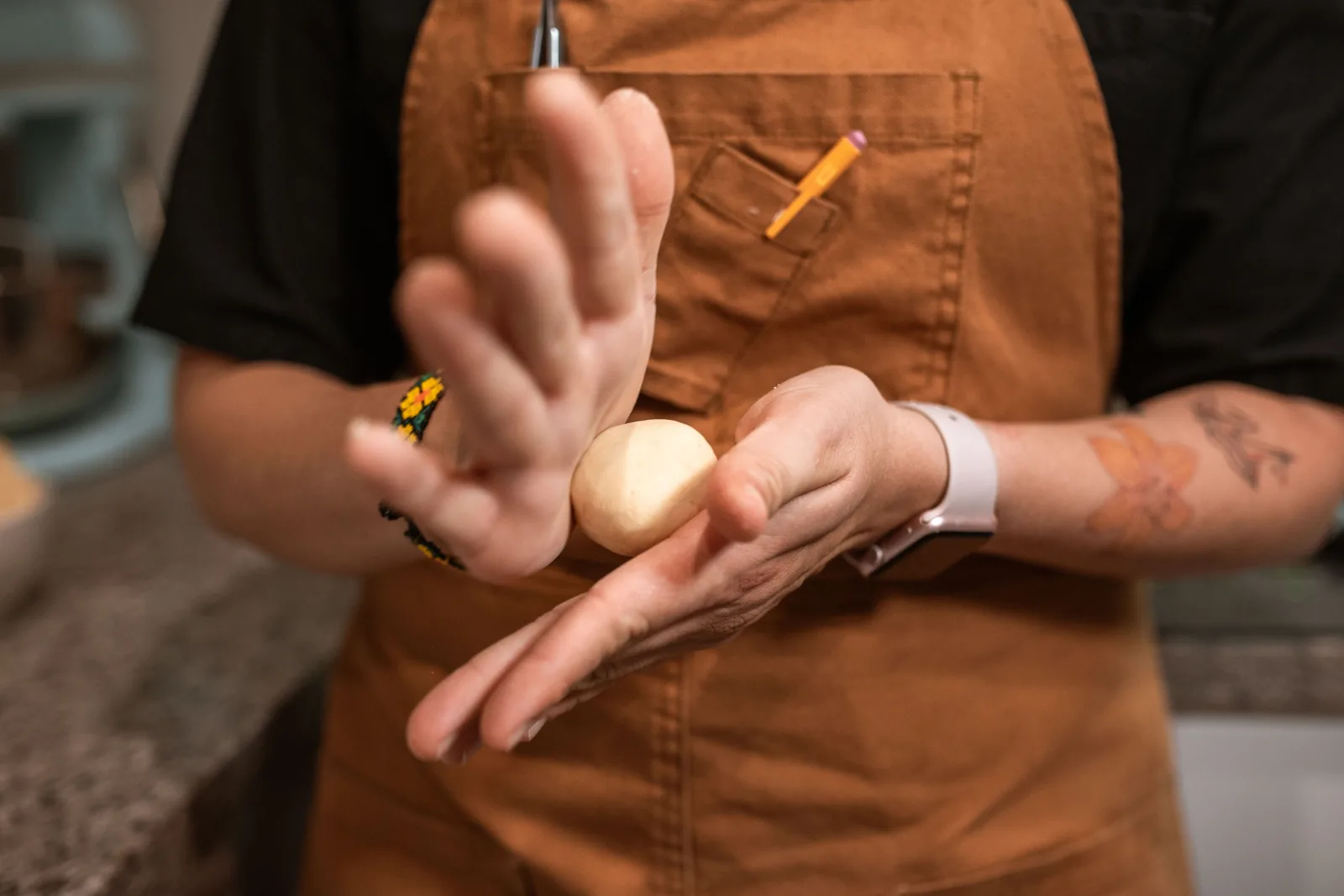
Two kinds in the bag
Worth checking the label, because they are not interchangeable either:
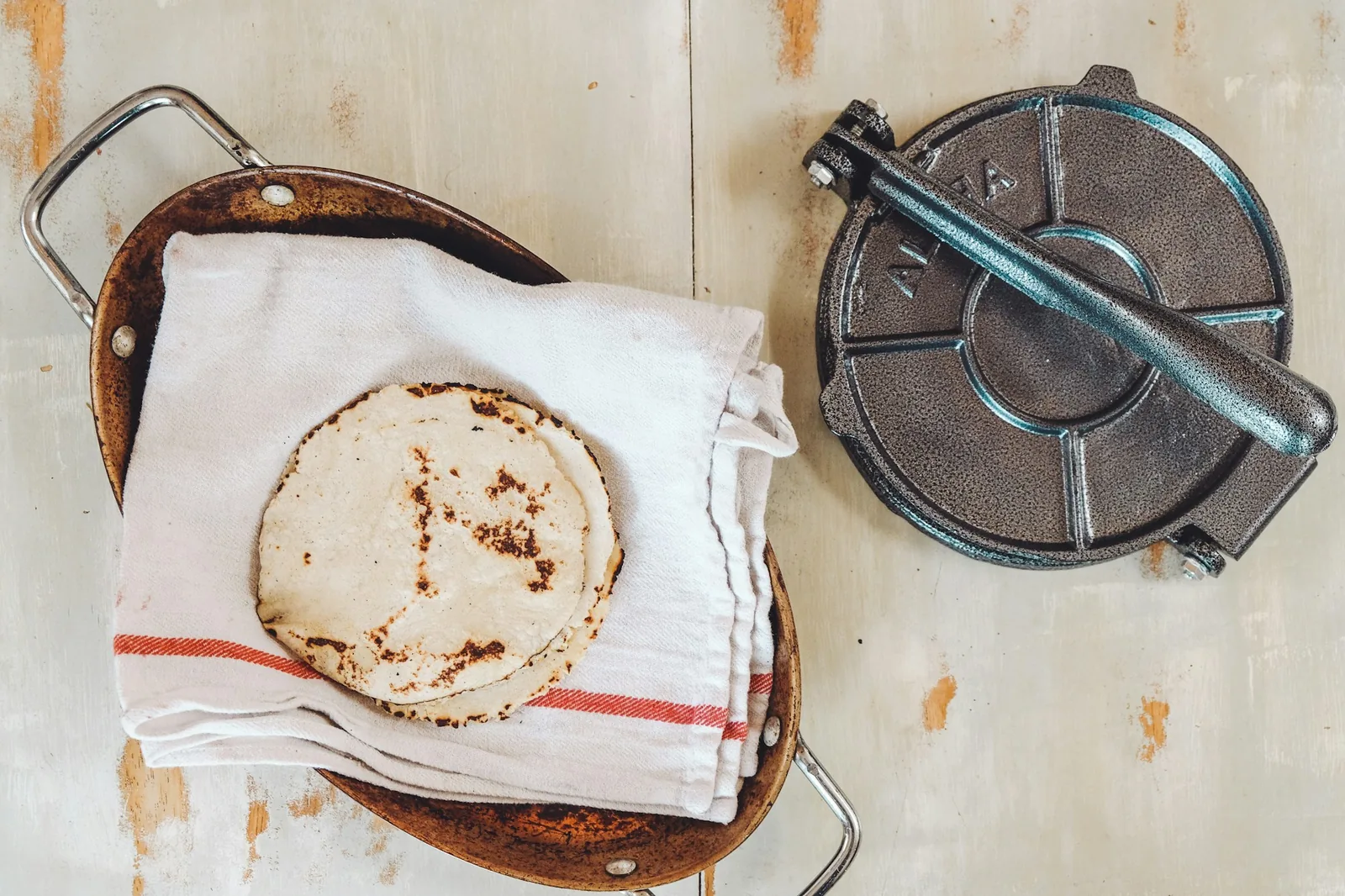
- Masa harina for tortillas — ground finer. The default, and what a recipe means if it does not specify.
- Masa harina para tamales — ground coarser, because a tamal wants a lighter, more open texture. Our tamales guide covers why the dough is also whipped with fat.
Using tortilla masa for tamales gives a dense result; using tamal masa for tortillas gives a slightly gritty one. Neither is a disaster.
A note on Doc’s
Doc’s board did not say where its tortillas came from, and there is no way to know from the archived board whether they were made in-house from masa, bought fresh locally, or bought packaged. Most small taquerias buy them in.
What the board does show is that corn and flour tortillas were used for different things — corn for the street tacos and the suegrita, flour for the quesadillas, the burrito and The Gringo — which is the split our tortilla guide describes.
Doc’s Taco Shop closed permanently on 19 July 2025. Its 2023 menu board is preserved here as a historical record, and anything said about it above is read from that board. You can read the full menu as Doc’s published it or look through the photo gallery.
Frequently asked questions
Can I use cornmeal instead of masa harina?
No. Cornmeal has not been through the alkaline cook that makes corn dough cohesive, so it crumbles rather than holding together. The difference is chemical, not a matter of grind.
Is masa harina the same as cornflour?
No, and the naming is confusing. Cornflour means cornstarch in British usage and finely ground cornmeal in some American usage. Neither has been nixtamalised.
What is nixtamalisation?
Cooking dried maize in an alkaline solution of lime or ash, then steeping and rinsing it. It loosens the hull, makes the dough cohesive and improves the grain’s nutrition.
Is fresh masa better than masa harina?
Slightly, and mostly in dishes where you eat a lot of dough. Masa harina is the same nixtamalised corn, dried — not a substitute product.
Is masa harina gluten free?
Plain masa harina is corn and contains no gluten. As with tortillas, check for a gluten-free claim if you are highly sensitive — see our guide on corn tortillas and gluten.
The short version
Masa harina is nixtamalised corn, dried and milled. Cornmeal is not nixtamalised and will never make a tortilla. That single alkaline step is the difference between a dough that holds and a pile of crumbs.