Yucatecan food is the least Mexican-tasting food in Mexico. It uses sour orange instead of lime, habanero instead of jalapeño, achiote paste instead of dried chilli sauces, and an underground oven instead of a griddle. Almost nothing the rest of the country is built on applies.
The reason is geography and history: the peninsula was Maya territory, and it traded by sea with the Caribbean, Spain and eventually the Levant more readily than it travelled overland to central Mexico.
What makes it different
| Most of Mexico | Yucatán | |
|---|---|---|
| The acid | Lime | Sour (bitter) orange |
| The chilli | Dried chillies; jalapeño, serrano fresh | Habanero, usually as a side salsa |
| The seasoning | Dried chilli pastes and adobos | Recados — spice pastes, chiefly recado rojo |
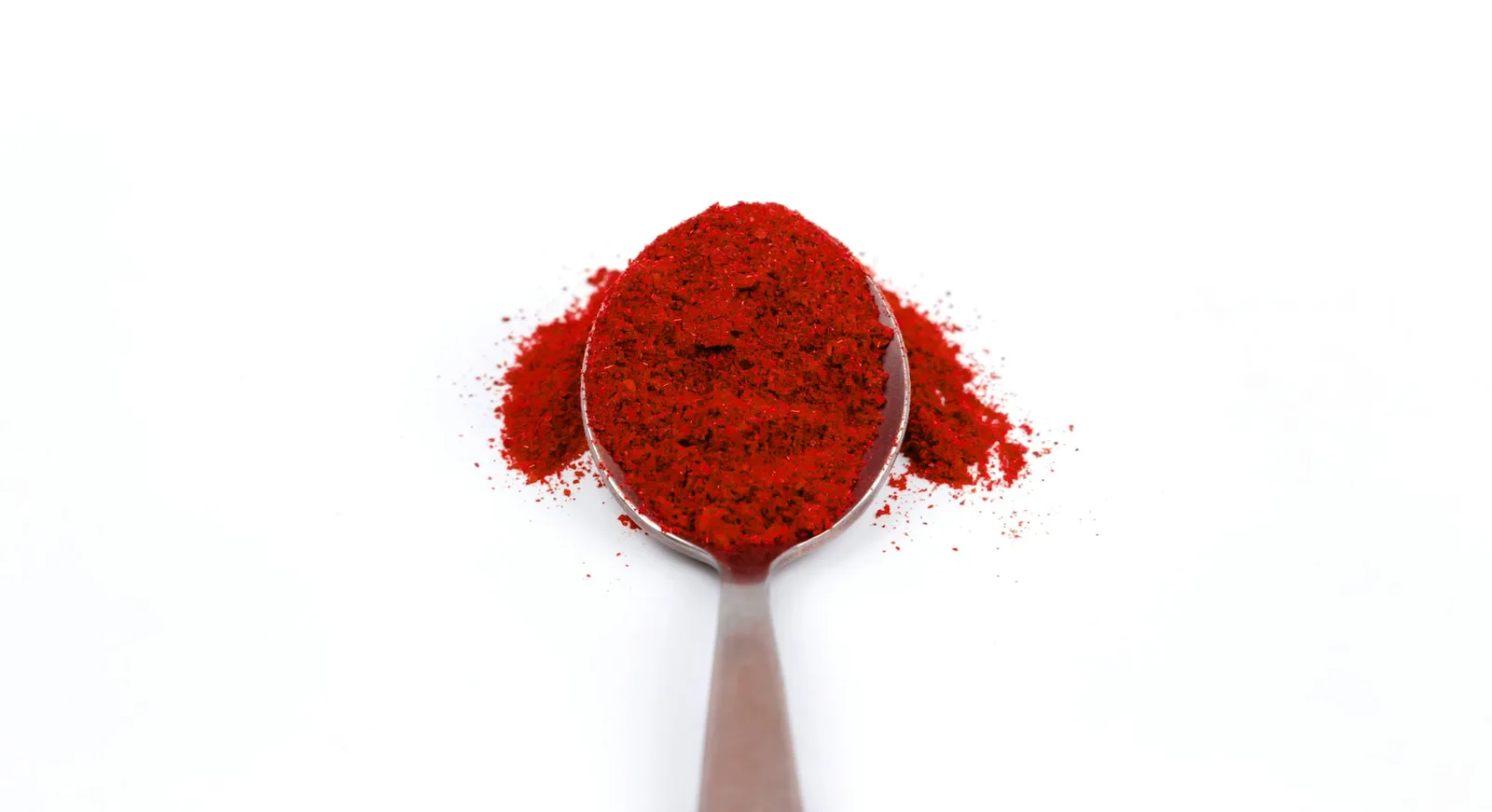
| The colour | Red from chillies | Orange from achiote |
| The method | Comal, griddle, pot | The píib, an earth oven |
| The wrapper | Corn husk | Banana leaf |
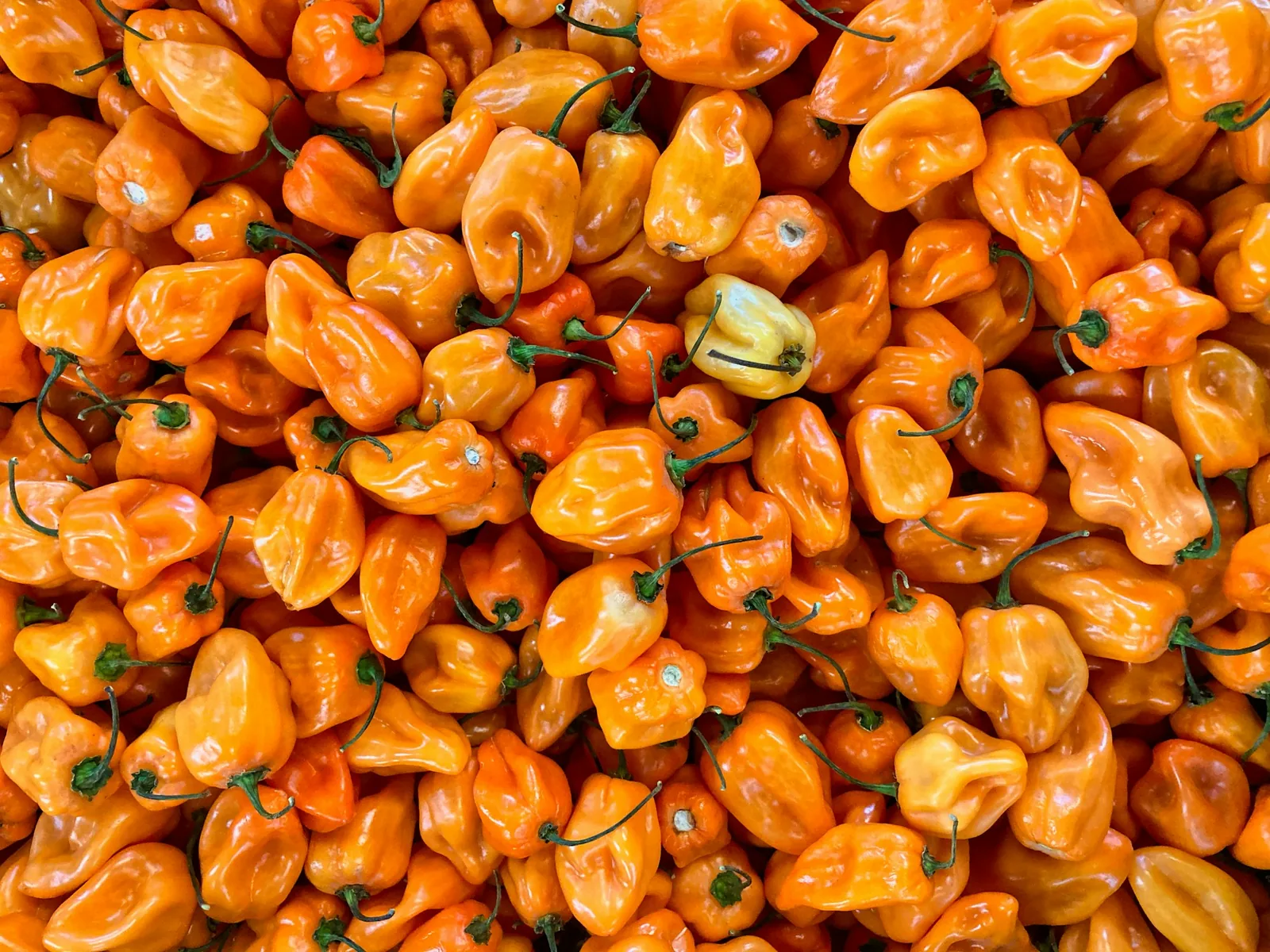
The habanero point is worth dwelling on. Yucatán is one of the world’s largest habanero producers, and habanero is hot — far hotter than the chillies used elsewhere. But it is almost never cooked into the dish; it arrives as a salsa on the side, so the food itself is mild and the heat is entirely your decision. See how hot is that salsa for the general principle.
Cochinita pibil
The dish the region is known for. Pork — often shoulder with some belly — marinated in recado rojo and sour orange, wrapped in banana leaves, and cooked slowly in a píib, the Maya earth oven. It comes out orange, falling apart, and faintly acidic.
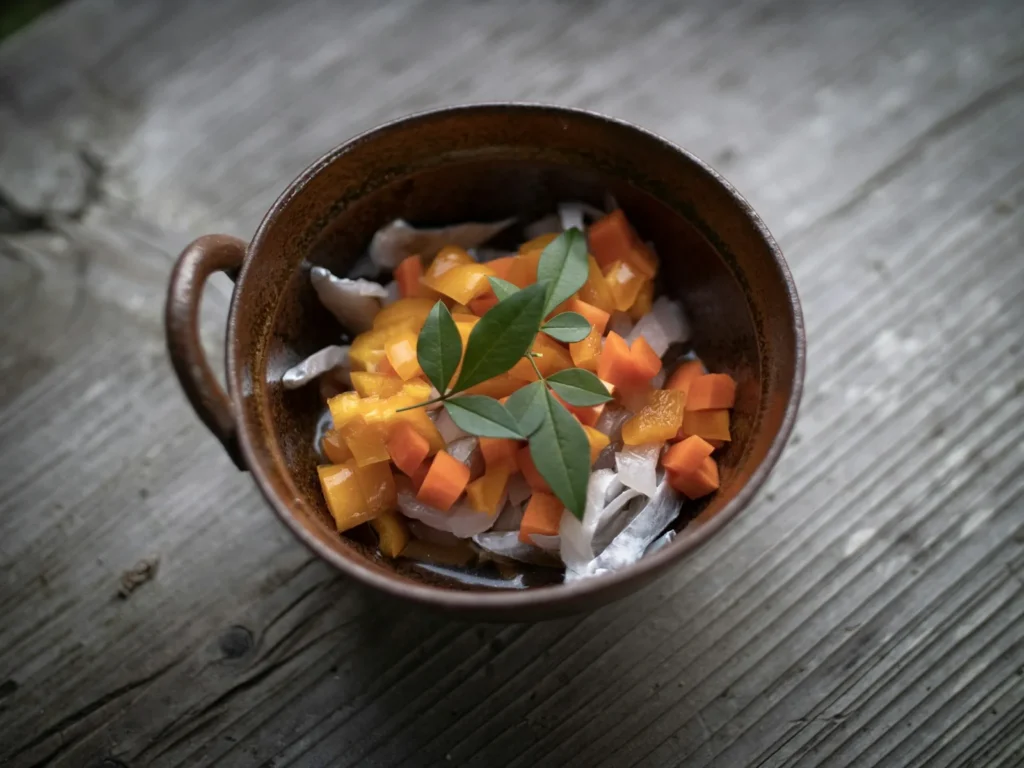
It is served with yellow corn tortillas, pickled red onions and habanero salsa. The pickled onions are not a garnish; the acid is a structural part of the dish.
It is also, by method, barbacoa — meat sealed in an earth oven with leaves and cooked by steam. Nobody in the Yucatán calls it that, and our barbacoa guide makes the same point from the other direction. The achiote that gives it the colour is the same annatto behind pollo asado.
Recados: the spice pastes
The rest of Mexico builds flavour from dried chillies ground into adobos. Yucatán builds it from recados — firm spice pastes, sold in blocks, that are thinned with sour orange or vinegar before use.
| Recado | Colour | Built on |
|---|---|---|
| Rojo (or achiote) | Deep orange-red | Achiote, oregano, cumin, pepper, garlic |
| Negro | Black | Chillies charred until burnt |
| Blanco / de bistec | Pale | Pepper, clove, cinnamon, no chilli |
Yucatán Today’s overview of Yucatecan gastronomy treats the recados as the organising element of the cuisine, which is the right way round: learn the three pastes and most of the region’s dishes become predictable. Note that recado blanco contains no chilli at all — a spice paste built on black pepper, which tells you how far this cooking sits from the national default.
The rest of it
- Sopa de lima — chicken broth with the local lima agria, garlic and oregano, poured over crisp tortilla strips. Fragrant rather than sour, and the best introduction to the region’s food.
- Papadzules — tortillas rolled around egg and dressed in a pumpkin-seed sauce. Pre-Hispanic and unlike anything else on a Mexican menu.
- Poc chuc — pork marinated in sour orange and grilled. Simple and very good.
- Relleno negro — turkey in a black sauce of charred chillies. The regional cousin of mole negro.
- Marquesitas — a crisp rolled wafer filled with Edam cheese and sweet things. Yes, Edam — a legacy of Dutch cheese arriving by sea.
Why the Lebanese influence
Significant Lebanese immigration to the Yucatán from the late nineteenth century left a real mark: kibis (kibbeh) are sold as street food, and the vertical spit-roasting that Lebanese immigrants brought to Mexico is the direct ancestor of al pastor, though that adaptation happened in Mexico City rather than here.
So Yucatecan cooking is Maya at its base, with Spanish, Caribbean, Dutch and Lebanese layers arriving by sea. That is a genuinely different lineage from the rest of the country, and it is why the food tastes unfamiliar even to Mexicans from elsewhere.
A note on Doc’s
Nothing on Doc’s board was Yucatecan. The only overlap is achiote, which may or may not have been in whatever seasoned the shop’s pollo — the board said only “chicken”, and we are not going to guess. Our pollo asado guide covers what the board did and did not say.
Doc’s Taco Shop had no connection to this region. It was a small weekend taqueria in Liberty City, Texas, running three meats across a short board, and it closed permanently on 19 July 2025. This article exists because our own guides name the region repeatedly without ever explaining it. You can read the full menu as Doc’s published it or read how the shop came about.
Frequently asked questions
What is Yucatecan food known for?
Cochinita pibil above all, plus sopa de lima, poc chuc and papadzules. Its signatures are achiote, sour orange, habanero and pit cooking.
Is Yucatecan food spicy?
The dishes usually are not. Habanero is very hot but is served as a side salsa rather than cooked in, so you control the heat entirely.
What is recado rojo?
A Yucatecan spice paste built on achiote, with oregano, cumin, pepper, garlic and sour orange. It gives cochinita pibil its colour and its flavour base.
What is a píib?
A Maya earth oven — a stone-lined pit in which food is wrapped in banana leaves and cooked by steam. The same technique family as barbacoa.
Why is there Edam cheese in Yucatecan food?
Sea trade. Dutch cheese arrived at the peninsula’s ports and was absorbed into local cooking, most visibly in queso relleno and marquesitas.
The short version
Sour orange, habanero, achiote and an earth oven. Maya at the base with Spanish, Caribbean, Dutch and Lebanese layers on top. It is the most distinct regional cuisine in Mexico and it is mostly not hot — the heat sits in a bowl beside the plate.