
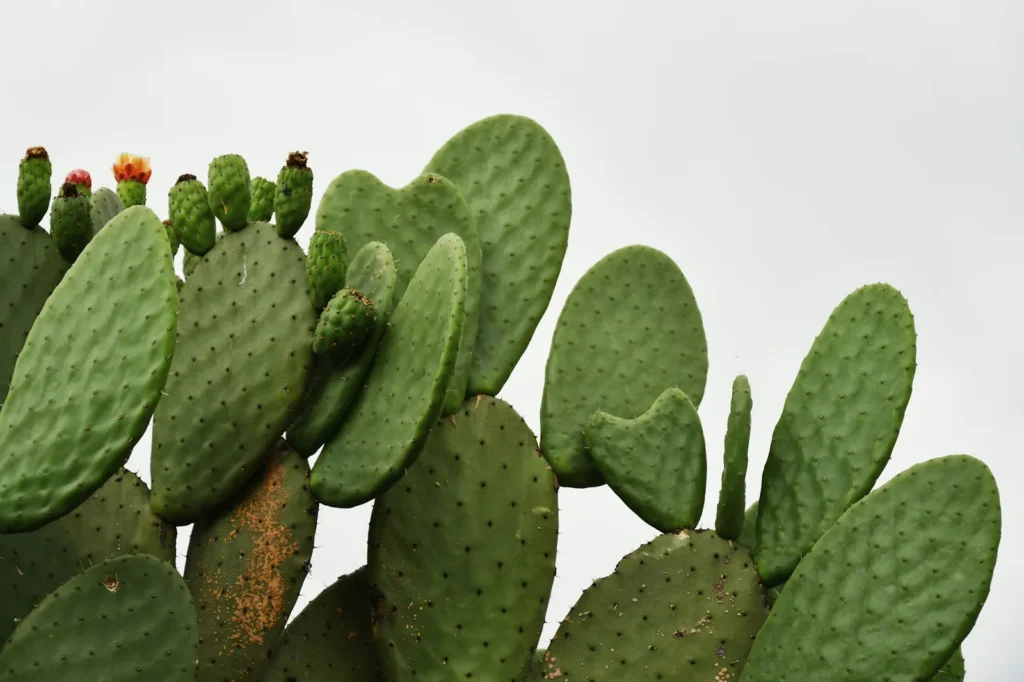
Nopales are the flat paddles of the prickly pear cactus, de-spined, trimmed and cooked. They taste tart and green — the usual comparison is green beans with a squeeze of lemon — and the texture is firm with a slight sliminess that cooking reduces.
Our own vegetarian guide recommends them without ever saying what they taste like, which is the only thing a hesitant reader actually wants to know.
What you are eating
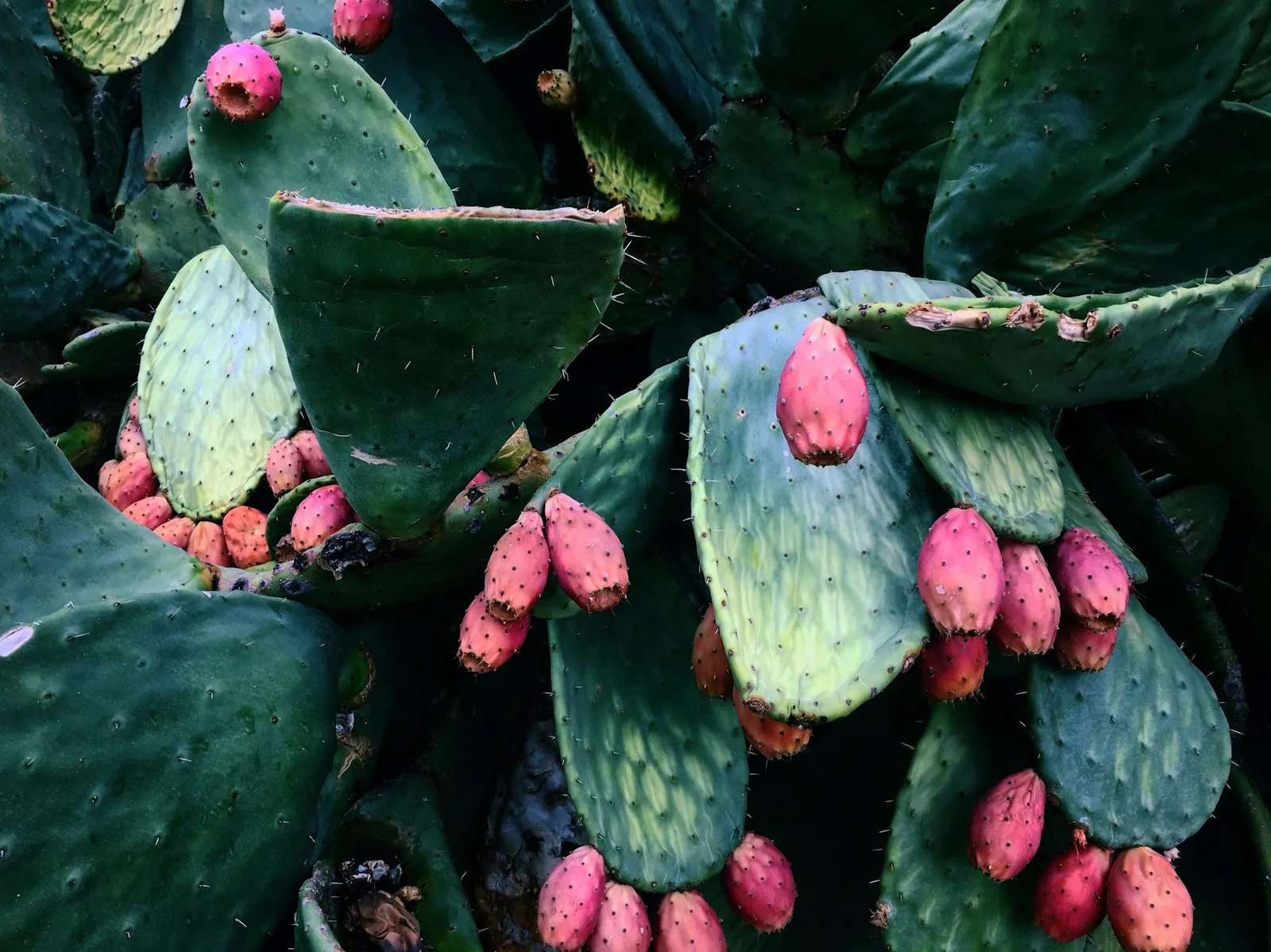
The pad of an Opuntia cactus, harvested young while still tender. The University of Nevada, Reno Extension’s guide to eating prickly pear notes that both the pads and the fruit are edible — the fruit is the tuna — and that edible pads mostly come from Opuntia ficus-indica.
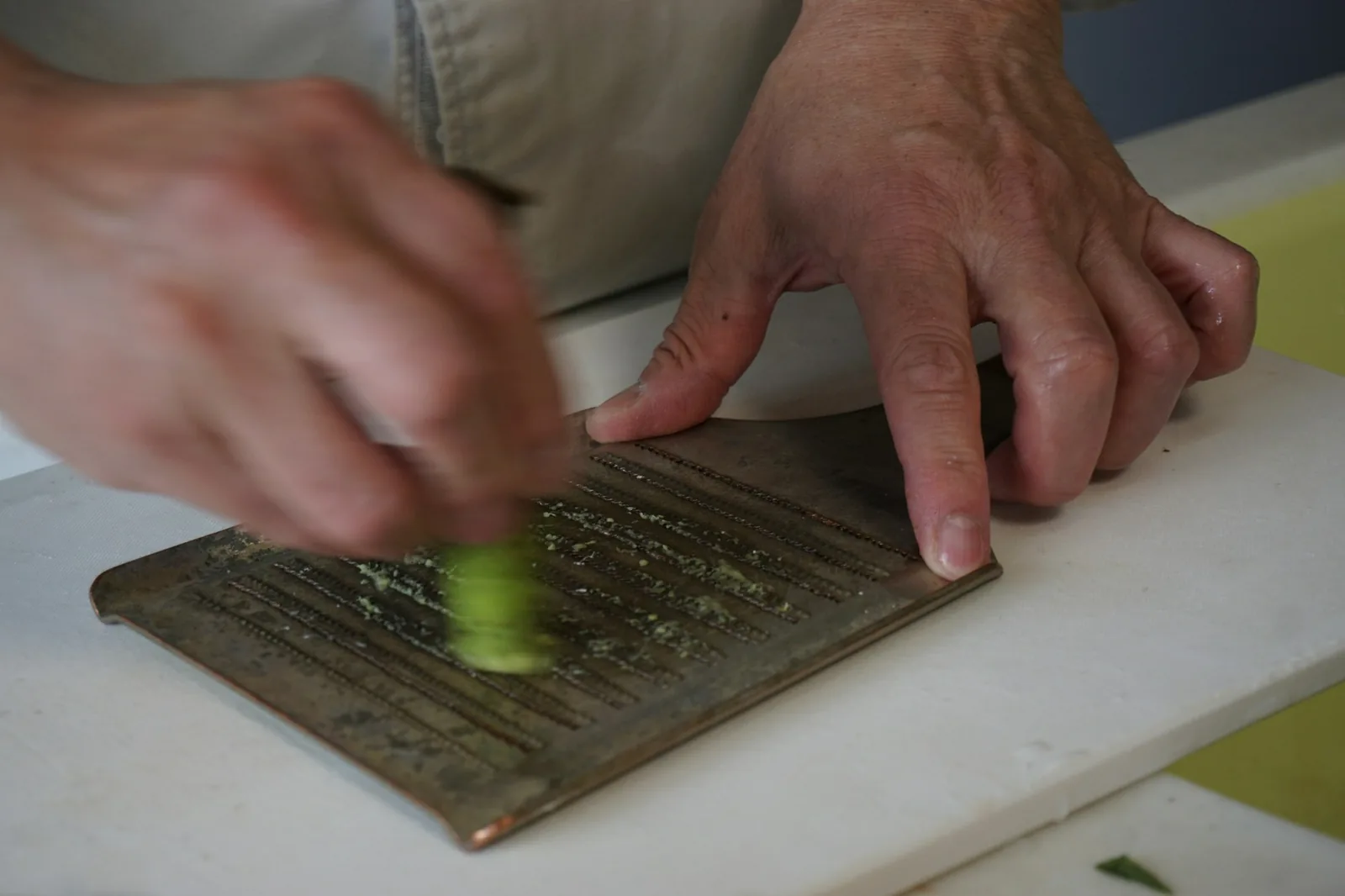
It also makes the practical point that matters most in preparation: the pads carry glochids, tiny barbed hair-like spines that detach easily and lodge in skin. The guidance is not to rinse the pads under a tap until after the spines have been removed, because water spreads them.
If you buy nopales at a Mexican grocer they are usually sold already cleaned, and often already diced. That is the version to start with.
The slime, and how to deal with it
Cut nopales release a viscous liquid, in the same family as okra. It is the main thing people dislike and it is straightforwardly manageable.
- Griddle rather than boil. Dry heat on a comal drives the liquid off. This is the taqueria method and it is the best one.
- If boiling, salt the water and drain and rinse afterwards. Some cooks add a tomatillo husk or a copper coin; the salt and the draining are what actually work.
- Cook them until the bright green dulls. That colour change is the signal.
- Do not crowd the pan. Crowding steams them and keeps the liquid in.
Properly griddled nopales are not slimy at all. If yours are, they were boiled and not drained, or not cooked long enough.
Where you will meet them
| Dish | How they are used |
|---|---|
| Tacos de nopales | Griddled with onion, sometimes with cheese |
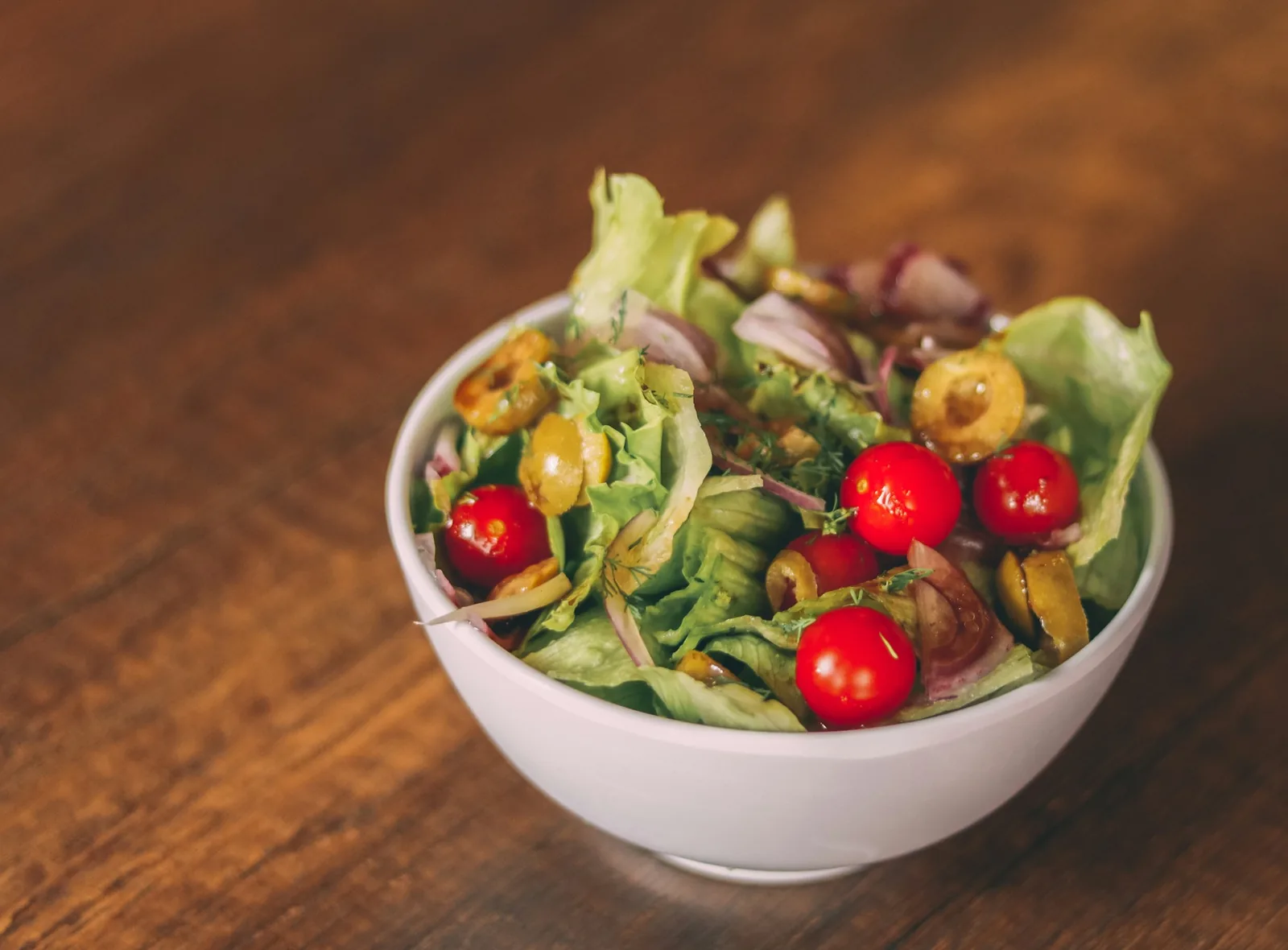
| Nopalitos salad | Cooked, cooled, with tomato, onion, cilantro and queso fresco |
| With eggs | Diced and scrambled through them |
| On a tlacoyo or sope | As a topping; see our masa guide |
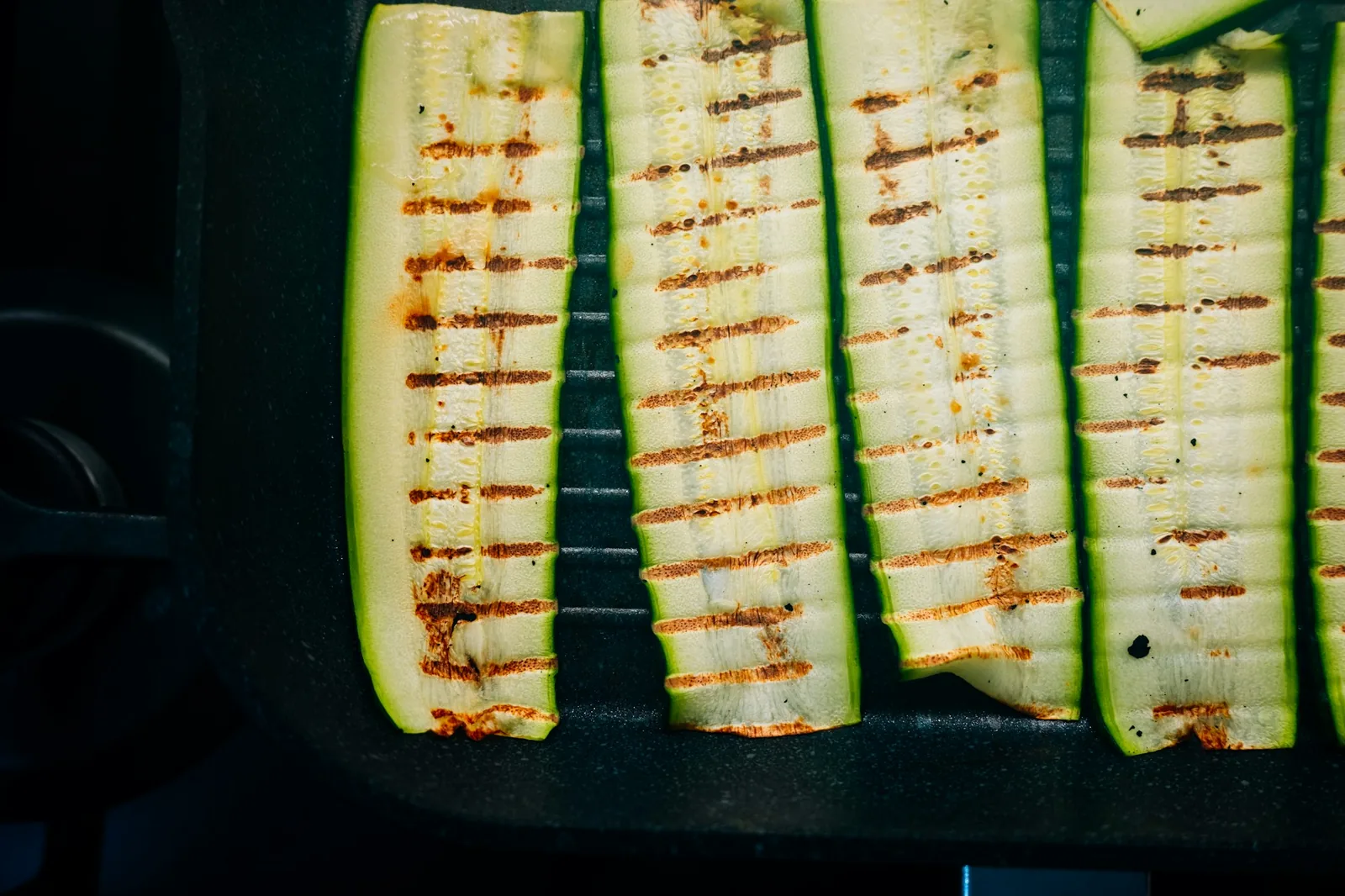
| Grilled whole | Whole pads, scored and grilled, served as a side |
The salad version is the best introduction, because the acidity of the tomato and lime works with the cactus’s own tartness. Our masa family guide covers the bases they are often served on.
The fruit, which is a different thing
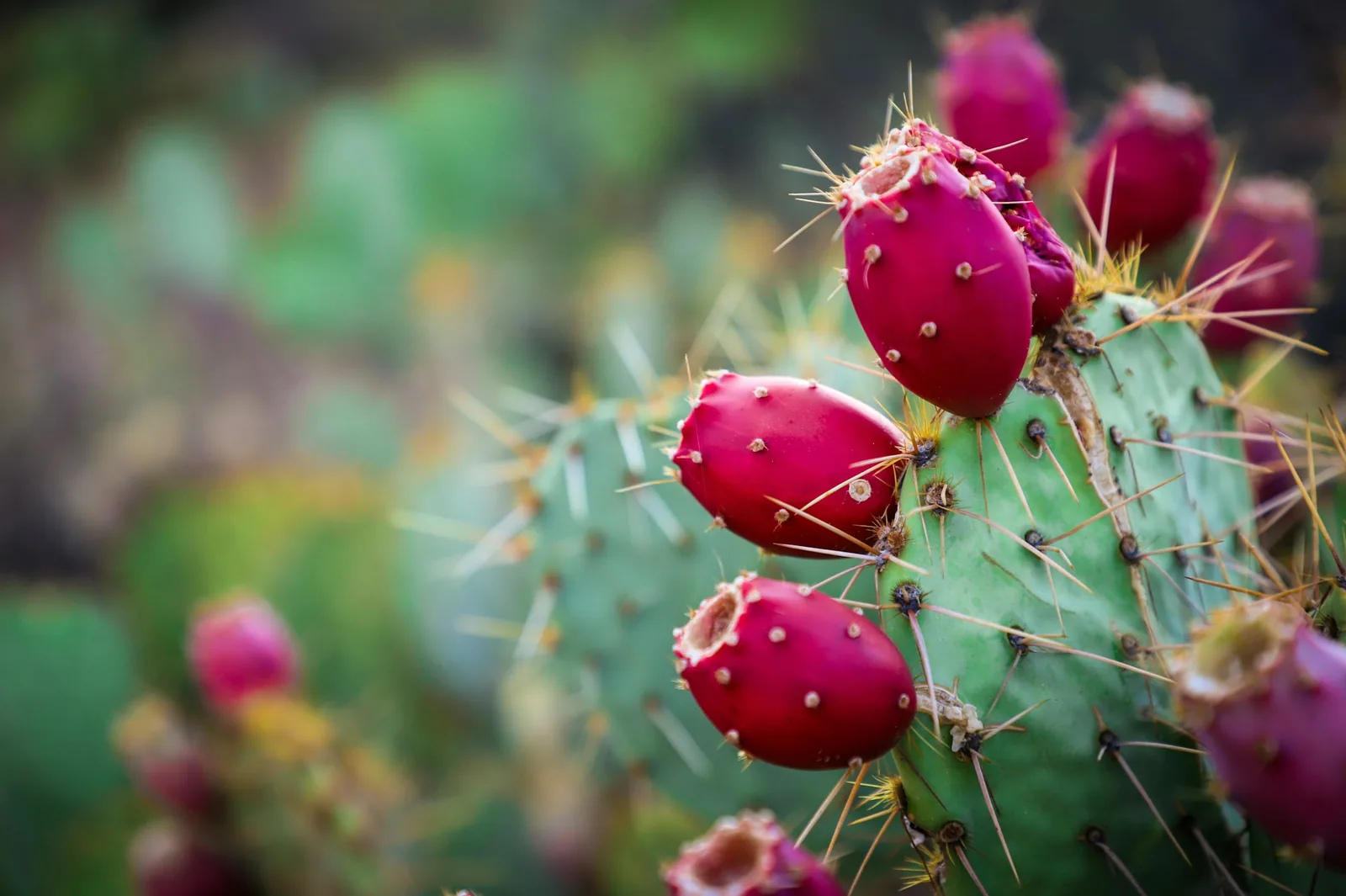
The same plant produces the tuna — the prickly pear fruit. It is sweet rather than tart, magenta or green-gold inside, full of hard seeds, and tastes somewhere between watermelon and bubblegum. It is eaten fresh, or blended into an agua fresca.
That last use puts it alongside jamaica and horchata on the barrel row. The pads and the fruit are not interchangeable in any dish, and it is worth knowing which one a recipe or a menu means, since English often calls both “prickly pear”.
Nutrition, briefly and without overclaiming
Nopales are very low in calories and carry useful fibre, vitamin C, vitamin A and calcium. That much is uncontroversial.
Beyond that, nopal is marketed heavily as a blood-sugar supplement, and the evidence for that is preliminary rather than settled. We are not going to repeat those claims as established. As a vegetable it is a good one; as a treatment it is not something a food article should be recommending.
General information rather than medical or dietetic advice. If you are managing a condition, your clinician decides — not a web page.
A note on Doc’s
Nopales were not on Doc’s board. Its vegetable sides were avocado and grilled onion with jalapeño, which is a fairly typical short list for a Texan taqueria — nopales are much more common on menus in central and southern Mexico than north of the border.
Doc’s Taco Shop closed permanently on 19 July 2025. Its 2023 menu board is preserved here as a historical record, and anything said about it above is read from that board. You can read the full menu as Doc’s published it or read how the shop came about.
Frequently asked questions
What do nopales taste like?
Tart and green — most people compare them to green beans with a squeeze of lemon. Mild rather than assertive.
Are nopales slimy?
Cut pads release a viscous liquid like okra, but properly griddled nopales are not slimy. Dry heat drives it off; boiling without draining leaves it in.
How do you remove the spines?
Scrape or trim them off with a knife before rinsing — not after. Water spreads the tiny barbed glochids rather than removing them. Most shops sell them already cleaned.
Is nopal the same as prickly pear?
They are parts of the same plant. Nopales are the pads; the fruit is called the tuna. Both are edible.
Are nopales healthy?
They are very low in calories and provide fibre, vitamin C, vitamin A and calcium. Claims about blood sugar are preliminary rather than established, and are not something to rely on.
The short version
Cactus paddles, de-spined and griddled. Tart and green, closest to green beans. Griddle rather than boil and the sliminess disappears. Start with the nopalitos salad.