
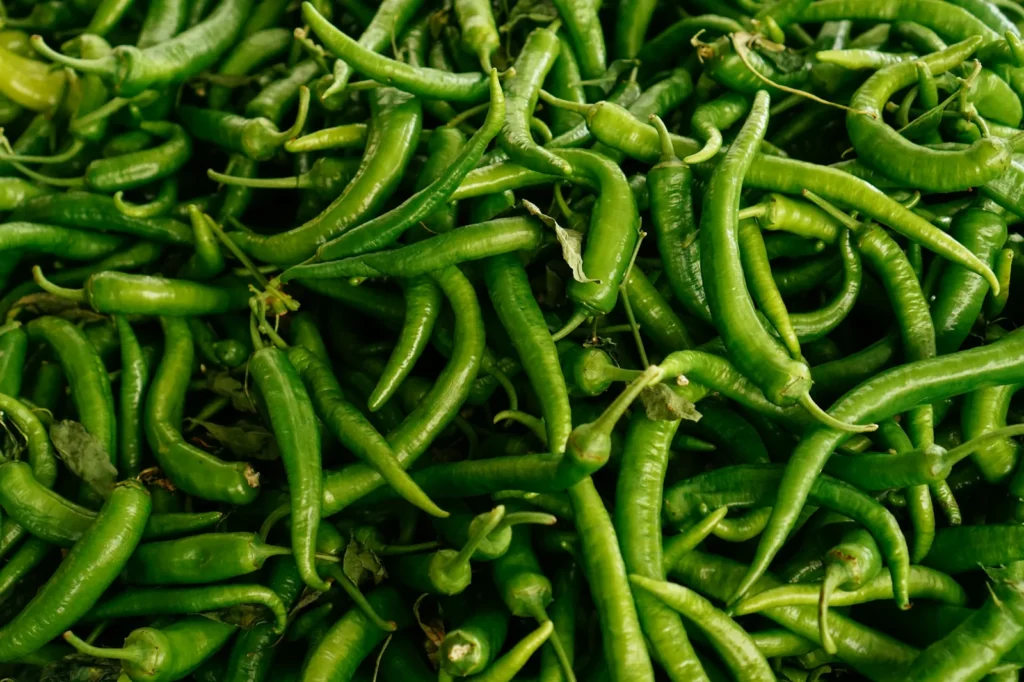
Four fresh chillies cover almost everything: poblano, jalapeño, serrano and habanero. In that order they run from very mild to very hot, and knowing that ordering is the single most useful thing a diner or a cook can carry.
Our own articles name poblano 38 times, jalapeño 23, habanero 17 and serrano 6 without ever saying which is hotter. That is the gap this closes.
The four, in order of heat
| Chilli | Rough heat | Size and look | Where you meet it |
|---|---|---|---|
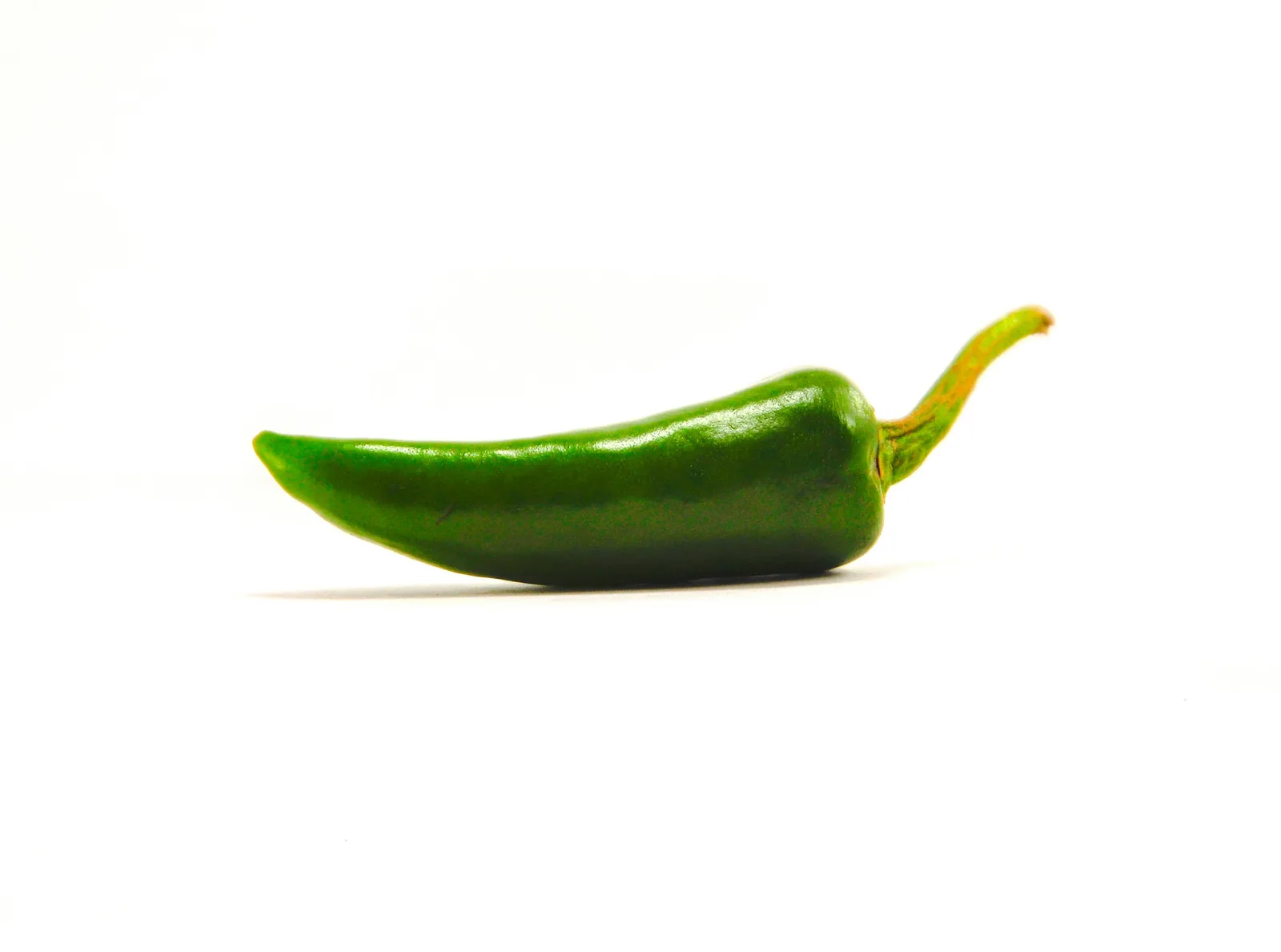
| Poblano | Very mild | Large, dark green, thick-walled, heart shaped | Chiles rellenos, rajas; dried it is the ancho |
| Jalapeño | Medium | Small, bright green, thick-walled, blunt tip | Pickled, fresh salsas; smoked it is the chipotle |
| Serrano | Hot | Slim, narrow, pointed, thin-walled | Green salsas, pico de gallo, aguachile |
| Habanero | Very hot | Small, round, lantern shaped, orange | Yucatecan salsas, served on the side |
The step from serrano to habanero is much larger than the steps below it. A serrano is a hotter jalapeño; a habanero is a different order of experience, and it is usually served as a side salsa rather than cooked in — which is why Yucatecan food is mild on the plate despite the region being one of the world’s biggest habanero producers.
How to tell them apart on sight
Wall thickness is the most reliable signal, and it is not obvious until someone points it out.
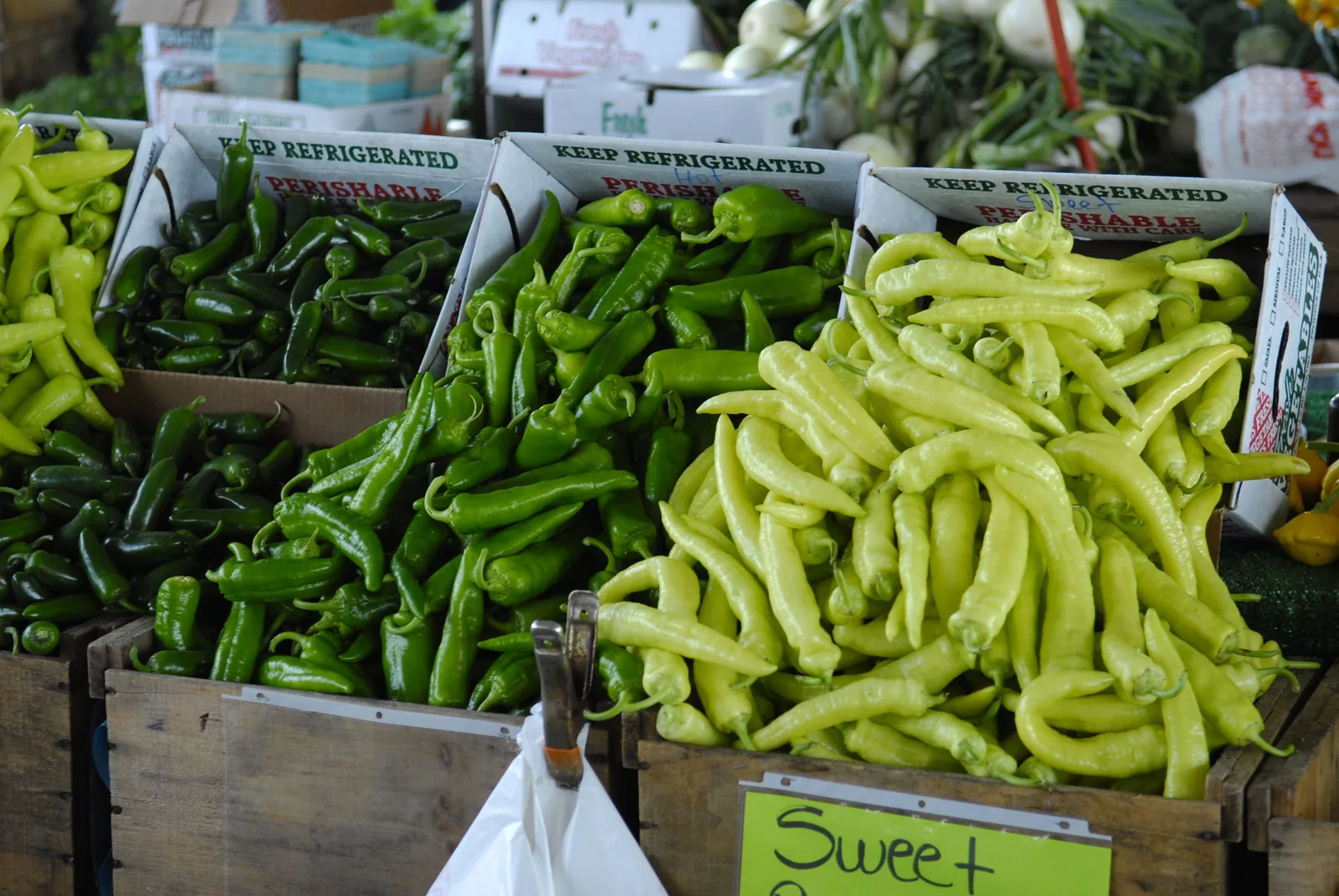
- Thick walls, blunt end — poblano if large, jalapeño if small. Thick-walled chillies are the ones you can stuff or roast and peel.
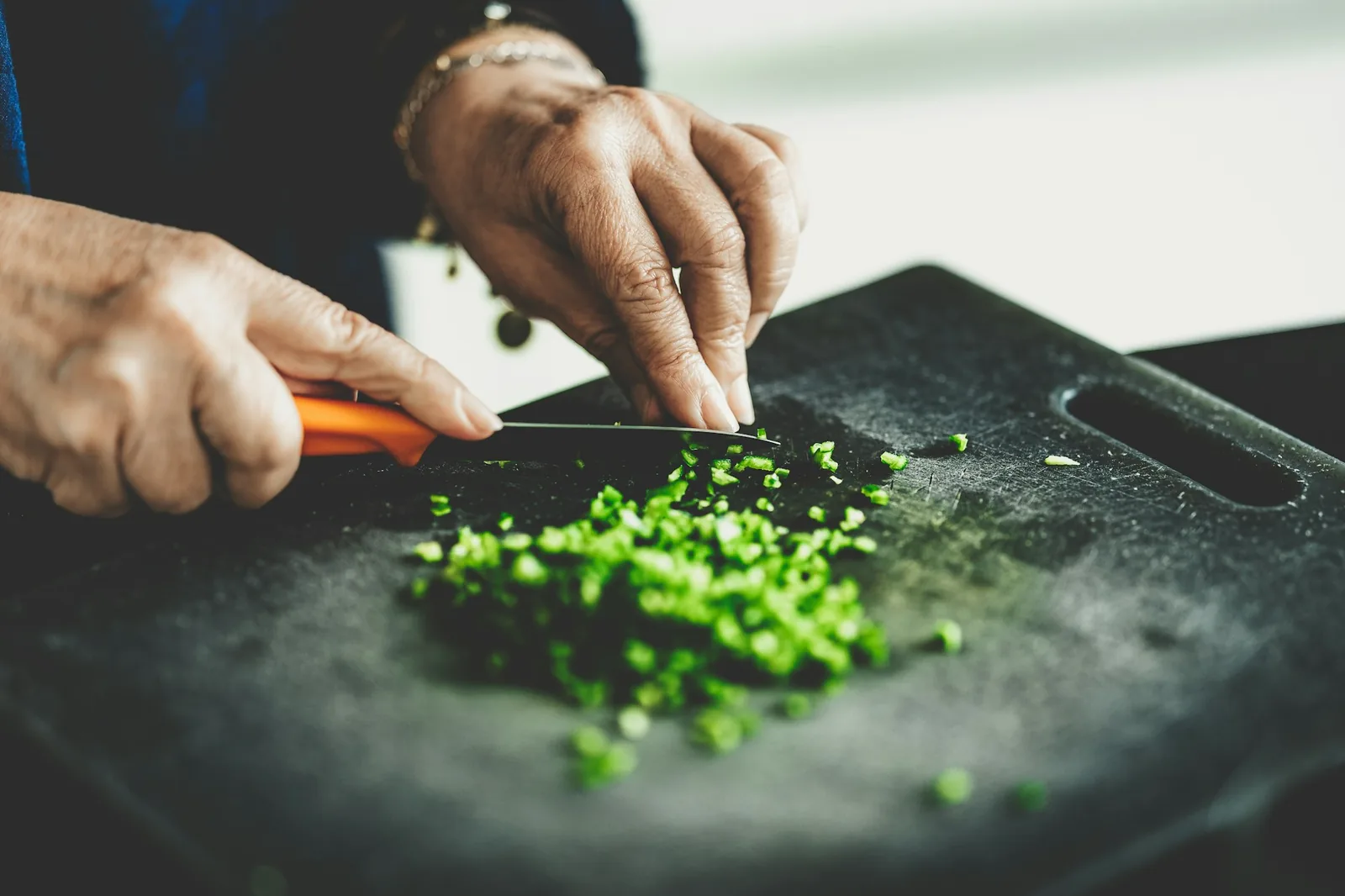
- Thin walls, pointed end — serrano. Too thin to stuff, so it gets chopped raw.
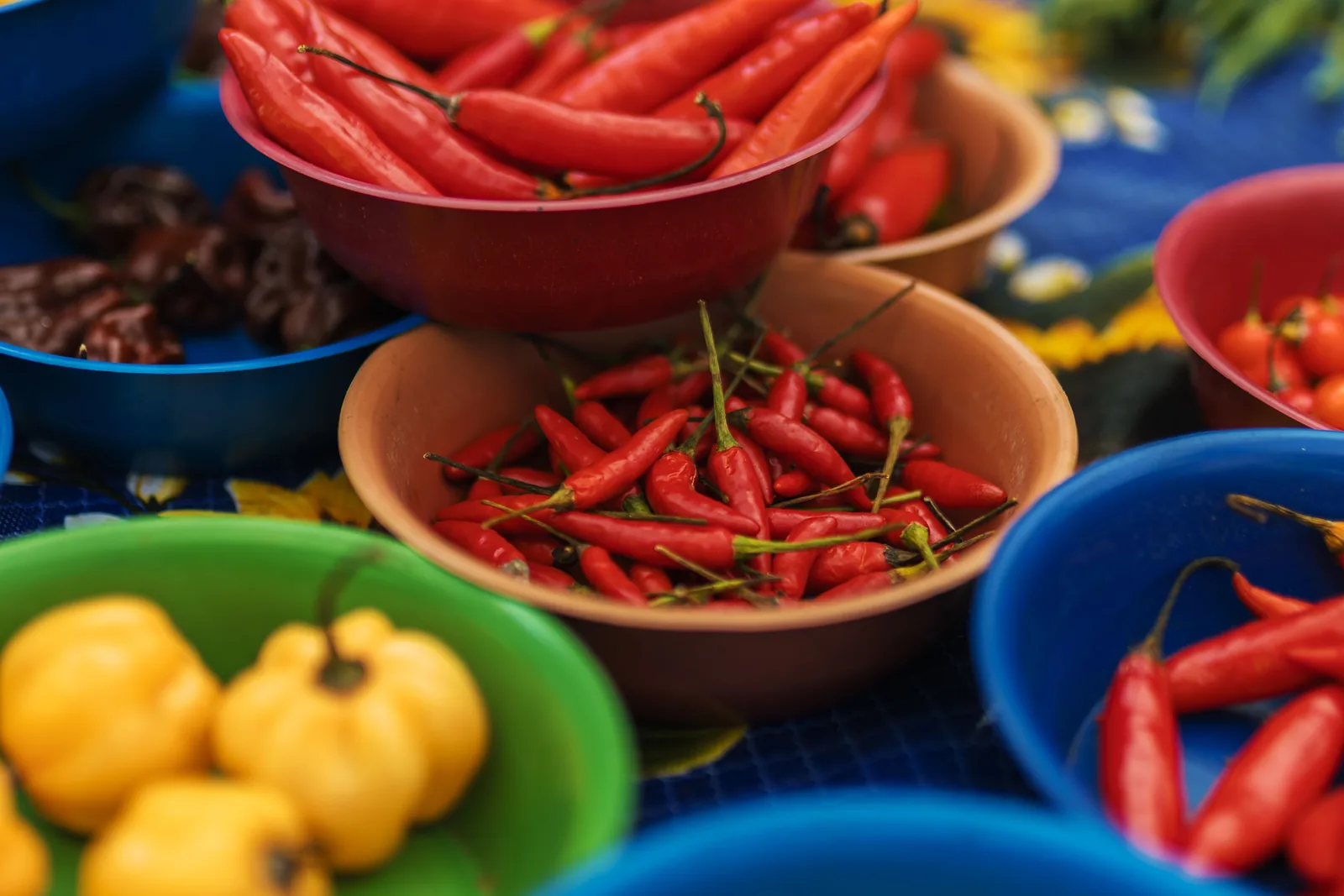
- Round and lantern-shaped — habanero. Nothing else looks like it.
- Red rather than green — usually the same chilli left to ripen. Riper generally means slightly sweeter and slightly hotter.
The North Carolina Extension Gardener Plant Toolbox entry for Capsicum annuum is a useful reminder of how much of this is one species: jalapeño, serrano, poblano, cayenne and the bell pepper are all cultivars of it. Habanero is the outlier, belonging to Capsicum chinense — which is part of why it tastes floral and behaves differently.
Where the heat actually is
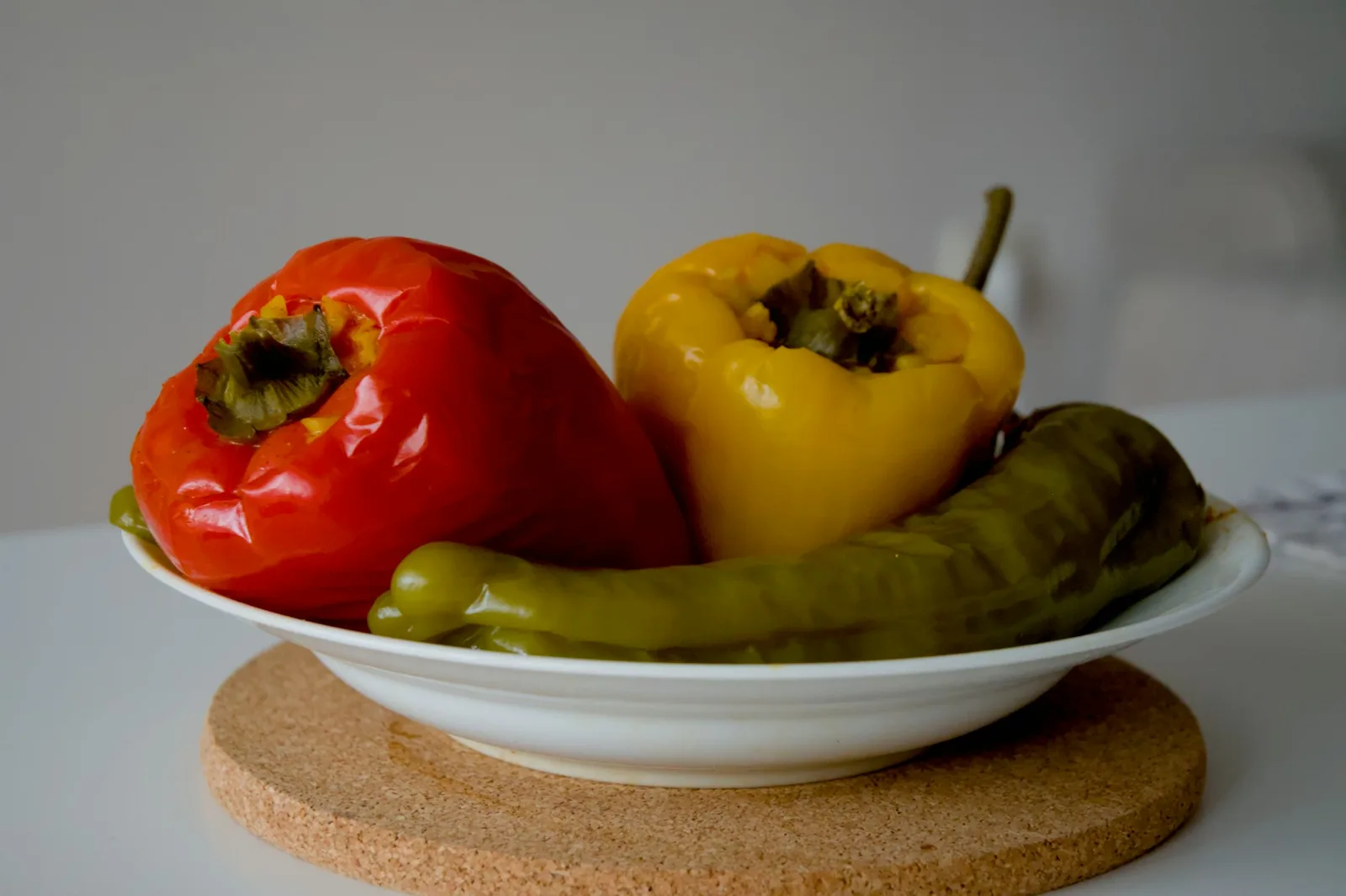
Not in the seeds, which is the most persistent myth about chillies. The capsaicin is concentrated in the placental tissue — the pale pith the seeds are attached to. Seeds pick some up by contact, which is why removing them helps, but scraping out the pith helps considerably more.
Practical consequence: you can moderate a fresh chilli substantially without losing its flavour by removing the pith and keeping the flesh. You cannot do the reverse.
Roasting and peeling
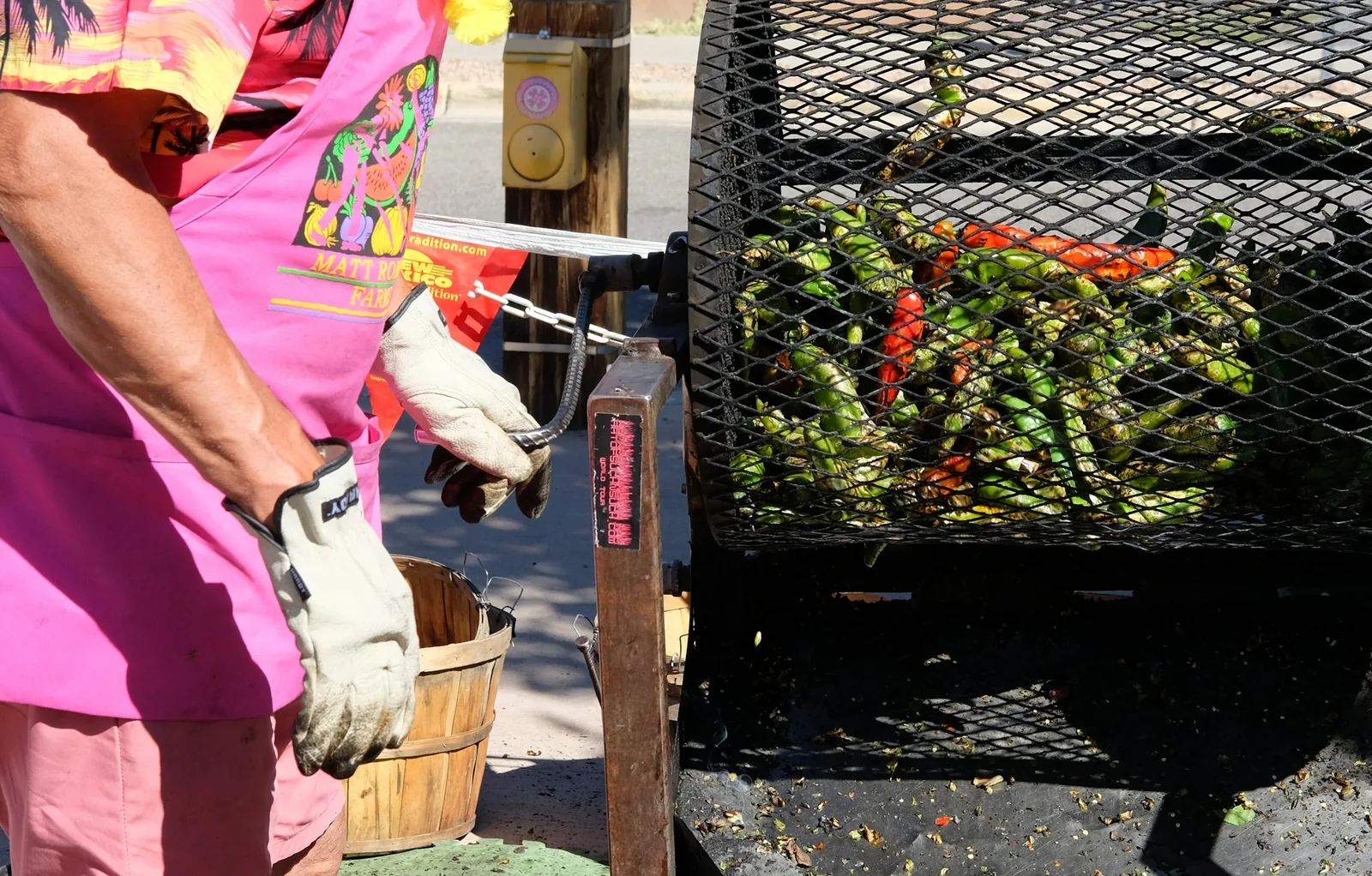
- Char the skin directly over flame or under a hot grill until it blisters black in patches. This is meant to look ruined.
- Put them in a covered bowl or a bag for ten minutes. The trapped steam lifts the skin.
- Rub the skin off. It should come away in sheets.
- Slit and de-seed if you are stuffing; slice into strips for rajas.
This applies to poblanos above all, and it is the process behind both chile relleno and rajas con crema. Thin-walled chillies like serranos do not reward it — there is not enough flesh left after peeling.
Fresh versus dried, briefly
The same plant gives you two different ingredients. Fresh chillies are bright, vegetal and sharp; drying concentrates sugars and produces raisin, prune and chocolate notes that were not there before. That is why dried chillies build slow-cooked sauces and fresh ones build raw salsas.
Neither substitutes for the other. A recipe asking for ancho will not work with fresh poblano even though they are the same pepper.
A note on Doc’s
Doc’s board named exactly one chilli: the jalapeño. It appeared pickled in the torta and grilled with onion as a side. For a shop serving a broad weekend crowd in East Texas, a single medium chilli used two ways is a sensible amount of heat to put on a menu.
Doc’s Taco Shop closed permanently on 19 July 2025. Its 2023 menu board is preserved here as a historical record, and anything said about it above is read from that board. You can read the full menu as Doc’s published it or look through the photo gallery.
Frequently asked questions
Which is hotter, jalapeño or serrano?
Serrano, generally by a noticeable margin. Serranos are slimmer and thinner-walled; jalapeños are stubbier with thicker walls.
Is a poblano spicy?
Barely. It is the mildest of the common Mexican chillies, which is why it is the one used for stuffing in chiles rellenos.
Are chilli seeds the hottest part?
No — that is a myth. The capsaicin is concentrated in the pale pith the seeds attach to. Removing the pith reduces heat much more than removing the seeds does.
What is the difference between a green and a red jalapeño?
Ripeness. A red jalapeño is the same chilli left on the plant longer, and it is usually a little sweeter and a little hotter.
Can I use fresh chillies instead of dried?
Not as a substitute. Drying changes the flavour completely — it concentrates sugars and produces dried-fruit notes that fresh chillies do not have.
The short version
Poblano, jalapeño, serrano, habanero — mild to very hot, in that order. Thick walls mean stuffable and milder; thin and pointed means hotter. The heat is in the pith, not the seeds, and fresh and dried are not interchangeable.